The Road Doesn't Care About Your Manifesto
EV sales just dropped 27% in a single quarter. Toyota's hybrids jumped 79%. The buyer was never lost — the narrative was.
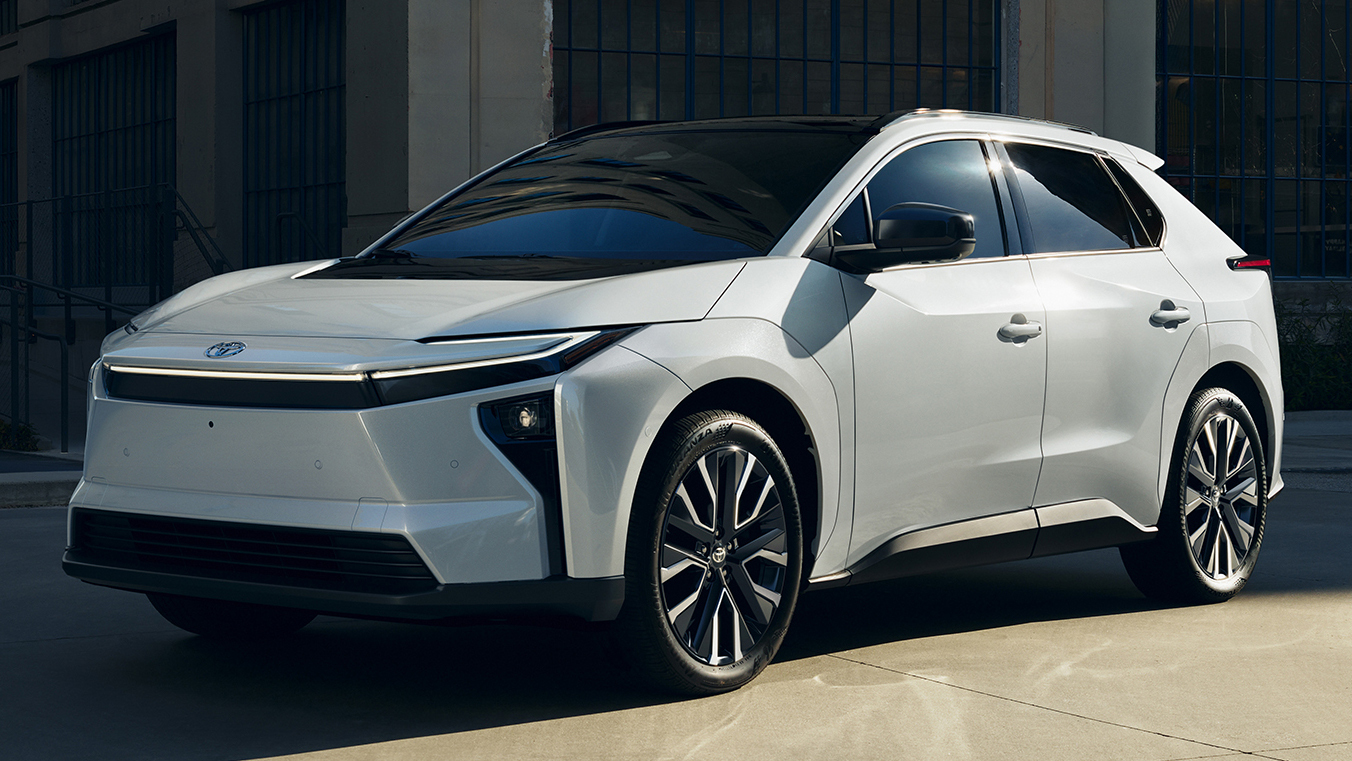
Photo · Carscoops
The Numbers Don't Lie, But They Do Embarrass
Somewhere between the press releases and the policy speeches, someone forgot to ask the person actually buying the car.
Carscoops is out with a piece that deserves more than a scroll-past: US EV sales fell nearly a third in the first quarter compared to the same period last year. Twenty-seven percent down. Not a dip — a statement. And while that story was being written, Toyota posted a 79% jump on the strength of its hybrids. The same technology that spent the better part of a decade being condescended to as a transitional solution, a bridge technology, a thing you buy before you're ready for the real future.
The bridge held. The destination is under construction.
What the Market Actually Said
The writer at Carscoops is careful with the data, and the data is uncomfortable if you've spent years building a worldview around the EV inflection point arriving on schedule. It didn't. Or at least, it hasn't. And there's a difference between those two things that matters enormously depending on whether you're a buyer, a manufacturer, or someone who staked credibility on a timeline.
For the buyer, none of this is complicated. Range anxiety is real. Charging infrastructure is uneven in ways that matter on a Tuesday in February, not just in a product demonstration. The price gap between a hybrid and an EV is still wide enough to feel. These aren't irrational concerns — they're the ordinary friction of a technology that hasn't fully solved its own problems yet.
Toyota, whatever its critics think of its pace on full electrification, read that friction correctly. The hybrid powertrain asks almost nothing of the driver. No new habits, no route planning around charger locations, no ten-minute anxiety window watching a battery percentage. You fill it up the same way you always have, and it rewards you with better mileage than you expected. That's not a compromise. That's a product that works on the buyer's terms.
The EV narrative, by contrast, was always somewhat evangelical — built on the premise that the right education and the right infrastructure would eventually bring the reluctant along. What the first quarter of this year suggests is that evangelism isn't a sales strategy. The market doesn't convert. It shops.
None of this means EVs are finished. It means the gap between where the technology is and where the story said it would be is now visible in the quarterly numbers, which is the least forgiving place for a gap to appear. A 27% decline isn't noise. It's a correction.
What Toyota understood — and what those numbers confirm — is that the driver in the market right now isn't waiting for the future. They're buying for this winter, this commute, this budget. The hybrid meets them there. The EV, too often, asks them to meet it somewhere else.
The road was always going to sort this out. It just did it faster than anyone wanted to admit.
Keep reading cars.

800 Horsepower, One Ton of Doubt
Lamborghini built the most powerful SUV it's ever made. It's also slower than what it replaced.

£11,990 Draws a Line Under Every Excuse You Had Left
Dacia just made the cheapest new car in Britain electric — and that's not a footnote, it's a verdict.
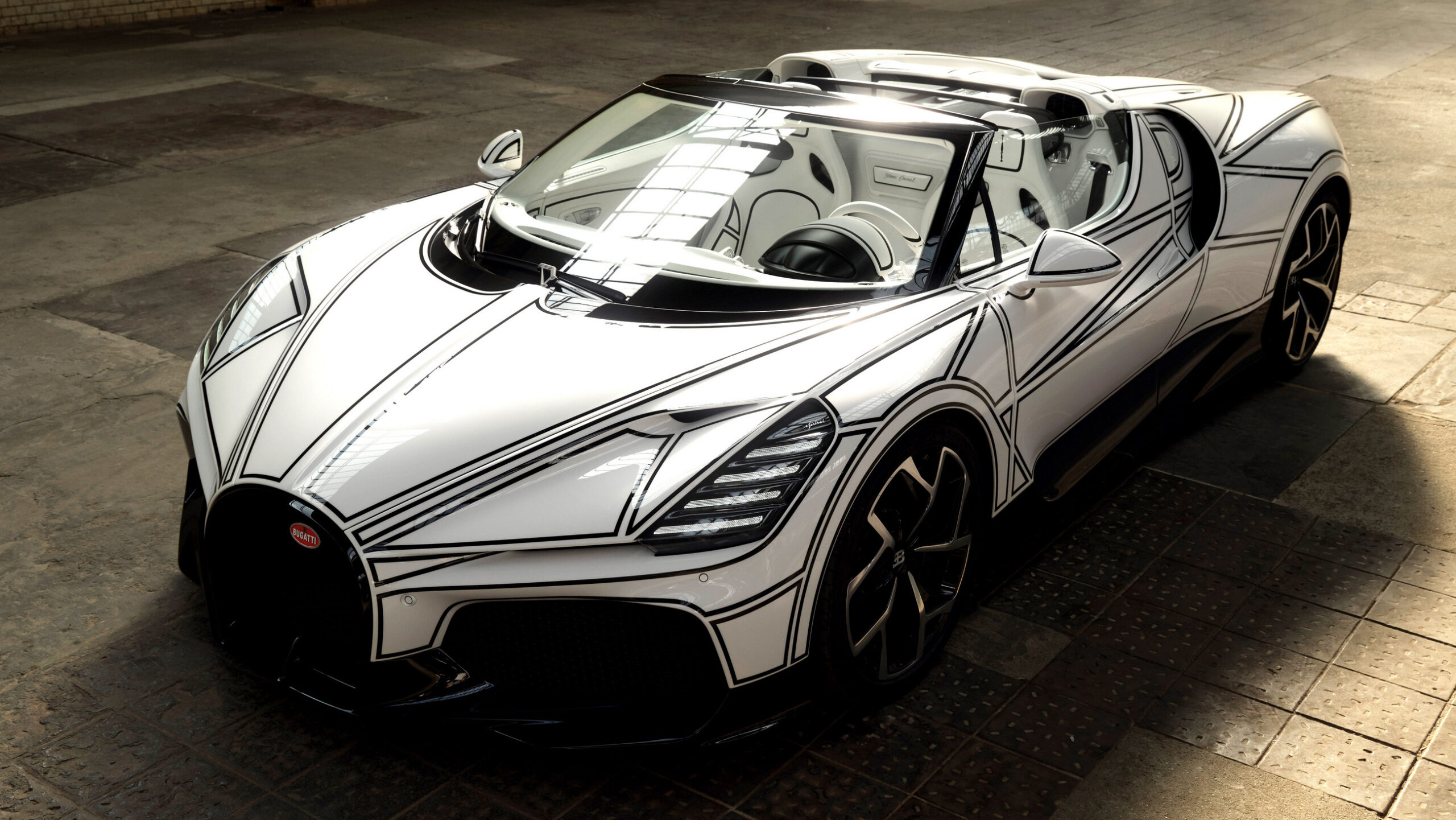
Blanc Éternel Hides Its Speed Behind a Gas Cap
Bugatti built a 261-mph roadster and made sure you'd notice the porcelain first.
From the other desks.

Gold Leaf on a Lacquer Dial, and the Weight of What That Costs
Awake's Frosted Leaf Royal Blue asks a question Vietnamese craft has never quite had to answer at this price.

ESPN Named Him. Then Unnamed Him. Nobody's Explaining the Gap.
A retraction without a reckoning is just a deleted link.

Hide My Email Has Been Showing Your Email
Apple's privacy flagship has a hole in it. They've known for over a year.