The Safety Tech Making You Dangerous
A new study confirms what driving purists have been saying for years — and the industry isn't going to like it.

Photo · The Autopian
The data is in, and it says what the comment sections have been saying for a decade.
A new study has found that drivers with active assistance technology — lane-keeping, blind-spot monitoring, adaptive cruise, the whole suite — tend to speed more than those without it. Not a little more. Measurably more. The kind of more that shows up in a study.
A writer at The Autopian has staked out the obvious-but-important position: this is a problem worth naming.
They're right. But I think the more interesting question isn't what the study found. It's why it took a study to make anyone pay attention.
The Feedback Loop Nobody Talks About
Driver assistance tech is sold on safety. That's the pitch. Fewer accidents. Fewer fatalities. A car that catches your mistakes before they become someone else's problem.
What the pitch leaves out is behavioral adaptation. Give someone a net and they lean further over the edge. Give a driver a system that holds their lane, monitors their blind spots, and brakes for obstacles, and some portion of those drivers will — consciously or not — recalibrate their personal risk threshold upward. They feel safer. So they act less carefully.
This isn't a character flaw. It's psychology. It's the same reason antilock brakes, statistically, didn't reduce accidents as much as engineers expected. People drove faster because stopping felt more reliable. The safety gain got partially consumed by behavioral change.
With assistance tech, the dynamic is more complex — and probably worse. Because the systems don't just make the car safer. They make driving feel more passive. You're not gripping the wheel through a curve anymore. The car is nudging itself back into the lane. You're not scanning mirrors. The car chirps when something's there. Over time, that changes what driving feels like. It feels like something the car is mostly handling.
And when driving feels like something the car is mostly handling, going a little faster feels like a smaller decision than it actually is.
What the Industry Sold Us
The framing around driver assistance tech has always been careful. These aren't autonomous systems. They're assistance. The driver is still responsible. The fine print is clear.
But the marketing tells a different story. The naming alone — Autopilot, SuperCruise, ProPilot — signals something more than assistance. It signals delegation. And when you market delegation, you shouldn't be surprised when people delegate.
The study gives numbers to a tension that has existed since the first adaptive cruise control shipped. The industry built systems that change driver behavior, then sold them on the premise that driver behavior wouldn't change.
That was always a strange bet.
None of this means the technology is net-negative. Automatic emergency braking almost certainly saves lives. Blind-spot monitoring catches things humans miss. The question isn't whether the tools have value. The question is whether the value is being calculated honestly — or whether the safety gains are being reported without accounting for the behavioral costs running in the opposite direction.
A study saying drivers speed more with assistance tech isn't a reason to rip the systems out. It's a reason to stop pretending the systems are a free lunch.
The car that makes you feel invincible is not the same thing as the car that keeps you safe.
Keep reading cars.

800 Horsepower, One Ton of Doubt
Lamborghini built the most powerful SUV it's ever made. It's also slower than what it replaced.

£11,990 Draws a Line Under Every Excuse You Had Left
Dacia just made the cheapest new car in Britain electric — and that's not a footnote, it's a verdict.
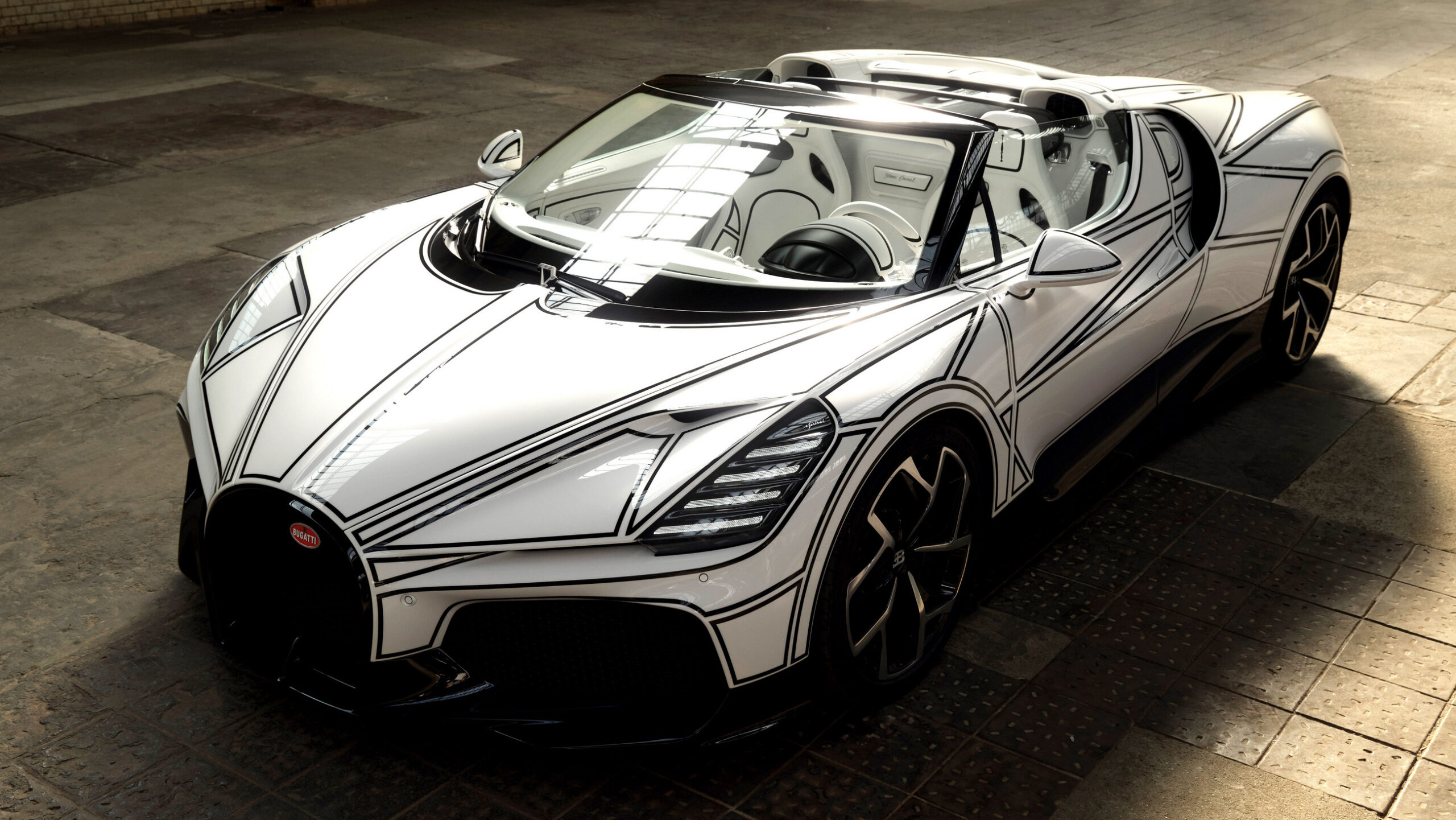
Blanc Éternel Hides Its Speed Behind a Gas Cap
Bugatti built a 261-mph roadster and made sure you'd notice the porcelain first.
From the other desks.

Gold Leaf on a Lacquer Dial, and the Weight of What That Costs
Awake's Frosted Leaf Royal Blue asks a question Vietnamese craft has never quite had to answer at this price.

ESPN Named Him. Then Unnamed Him. Nobody's Explaining the Gap.
A retraction without a reckoning is just a deleted link.

Hide My Email Has Been Showing Your Email
Apple's privacy flagship has a hole in it. They've known for over a year.