The Lie You Could Park in Your Driveway
Some cars didn't fail because the engineers got it wrong — they failed because nobody stopped to ask whether the whole idea was honest.
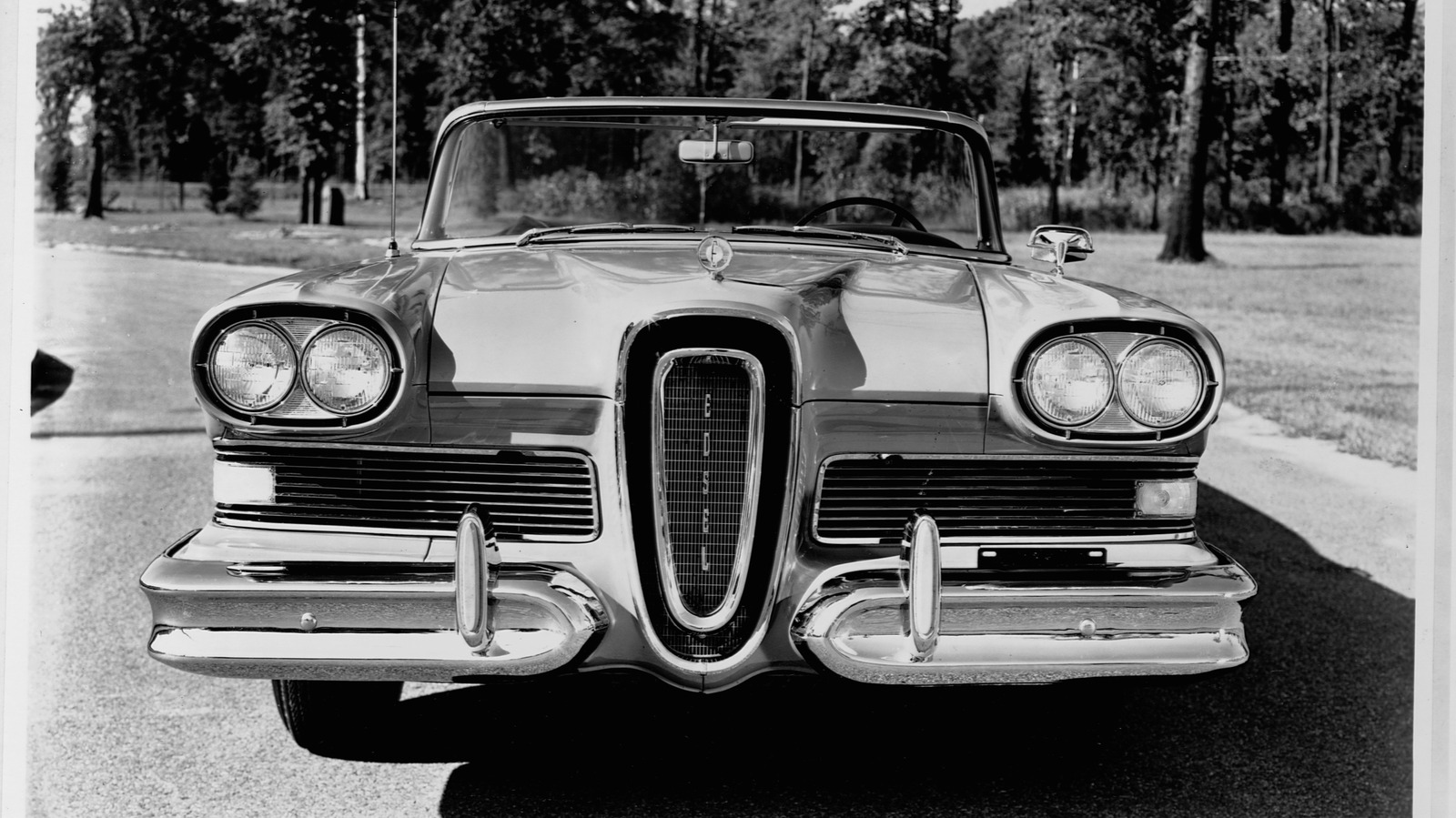
There's a specific kind of regret that comes with a car purchase gone wrong. Not the regret of buying something boring. The other kind — where you bought the story, drove home in it, and spent the next eighteen months watching the story fall apart at sixty miles an hour on the interstate.
I've been thinking about the cars that did this to people. Not the ones that were merely bad. The ones that were convincingly bad. The ones that looked like they had an answer to a question you were genuinely asking.
The Shape of a Promise
Design is a form of communication. A low roofline says something. A wide stance says something. Vents — even fake ones, especially fake ones — say something. And for a long time, certain automakers got very good at saying things their engineering departments couldn't back up.
The result was a particular category of car that lived in showrooms longer than it deserved to. It looked like performance. It looked like intention. It looked like someone at the company cared enough to make something worth caring about. And then you drove it, and the gap between the shape of the thing and the soul of it was wide enough to lose your enthusiasm in permanently.
This isn't about budget. A car that costs twenty thousand dollars can be completely honest about what it is. The ones that hurt you are the ones that cost real money and still couldn't be straight with you.
What Happens When Nobody Says No
Every car that makes it to a showroom survived a long chain of people who could have stopped it. Designers, engineers, product planners, executives — somewhere in that chain, for the cars that lied, everyone kept nodding.
That's the part that gets me. It's not that one person had a bad idea. Bad ideas happen. It's that the bad idea traveled all the way from a sketch on a tablet to a sticker price on a window, and at no point did someone in that room love driving enough to stand up and say this isn't right.
The cars that earn their design — the ones where the shape is a true report of what's underneath — those exist because someone in that chain cared more about the driving than the rendering. You can feel it the moment you pull out of the lot. The car is telling you the truth.
What You Were Actually Buying
When you buy a car that looks the part but doesn't play it, you're not really buying a car. You're buying a version of yourself that you thought the car would help you become. The car was supposed to be evidence of something — taste, judgment, a certain kind of life.
And there's no shame in that. That's what objects do. Every watch on your wrist is doing some version of this. Every jacket. The difference is that a jacket that disappoints you costs you a few hundred dollars and a drawer. A car that disappoints you costs you years.
The honest move — and it's harder than it sounds — is to ask what the car is actually like to drive before you ask what it looks like in your driveway. To find someone who owns one and has owned it long enough for the novelty to wear off. To sit in it and notice whether it feels like something that was designed or something that was styled.
Those are different things. One starts from function and finds its form. The other starts from an image and works backward, filling in the gaps with whatever's available.
The Cars Worth Trusting
The ones I keep coming back to are the ones that didn't need to perform. They just drove. They weren't trying to convince you of anything — they were just being what they were, consistently, every time you asked something of them.
Those cars don't always photograph well. They don't always win comparison tests on paper. But they hold up. Five years in, ten years in, they're still the same car they were on the day you bought them. That's not nothing. In a world built on the gap between expectation and reality, that kind of consistency is almost radical.
Buy the car that drives like its design. Everything else is just a very expensive way to learn the difference.
Keep reading cars.

800 Horsepower, One Ton of Doubt
Lamborghini built the most powerful SUV it's ever made. It's also slower than what it replaced.

£11,990 Draws a Line Under Every Excuse You Had Left
Dacia just made the cheapest new car in Britain electric — and that's not a footnote, it's a verdict.
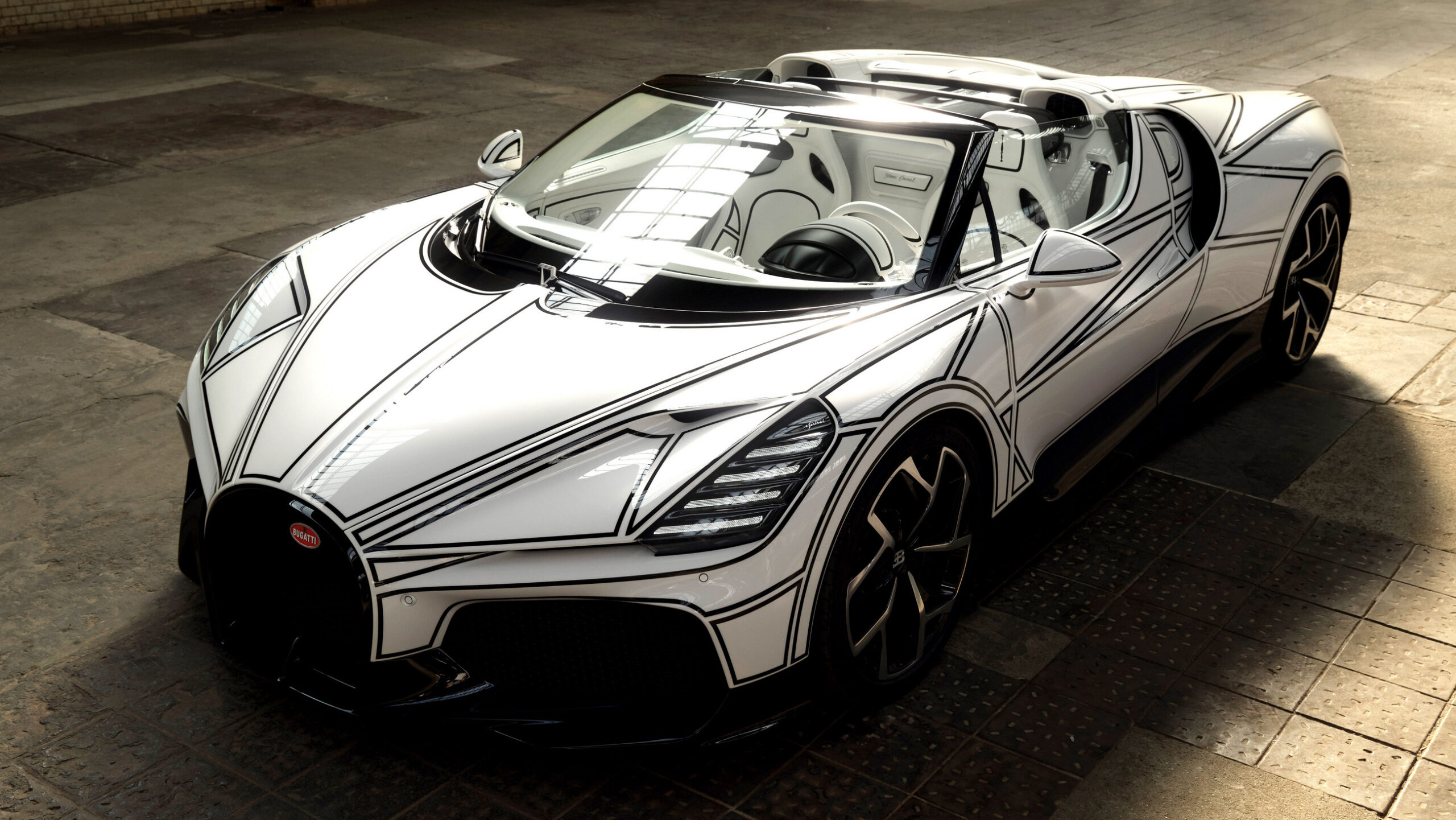
Blanc Éternel Hides Its Speed Behind a Gas Cap
Bugatti built a 261-mph roadster and made sure you'd notice the porcelain first.
From the other desks.

Gold Leaf on a Lacquer Dial, and the Weight of What That Costs
Awake's Frosted Leaf Royal Blue asks a question Vietnamese craft has never quite had to answer at this price.

ESPN Named Him. Then Unnamed Him. Nobody's Explaining the Gap.
A retraction without a reckoning is just a deleted link.

Hide My Email Has Been Showing Your Email
Apple's privacy flagship has a hole in it. They've known for over a year.