The Weekend Cage
Minnesota wants to tell you when you're allowed to love your car. That's not a traffic policy. That's a confession.
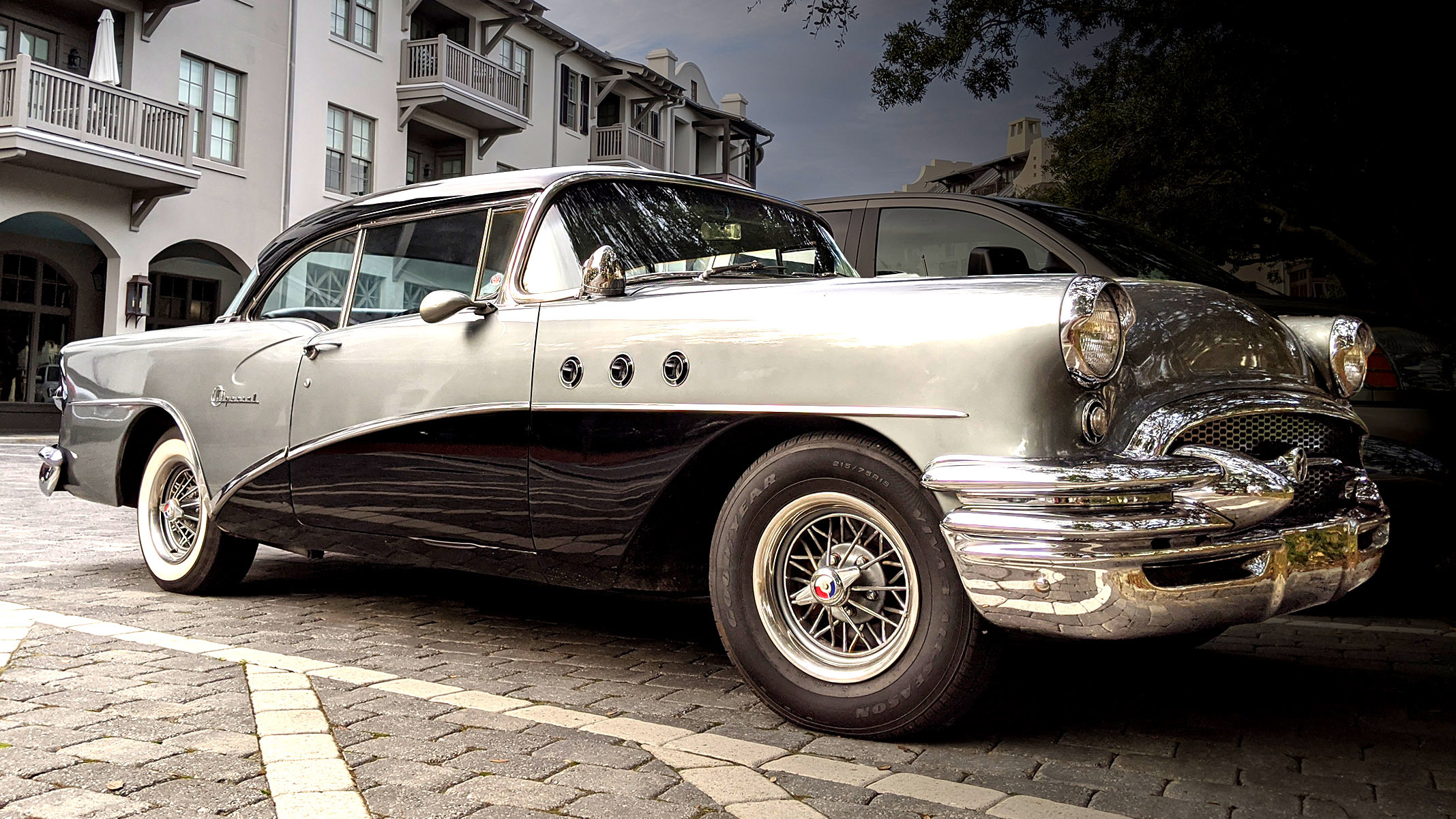
Photo · Carscoops
The classics aren't a problem to solve. They never were.
Carscoops is flagging a Minnesota bill that would restrict classic car use to weekends and, presumably, the narrow daylight margins lawmakers find acceptable. The intent, as these things usually go, reads as reasonable from a distance. Older vehicles, older emissions standards, maybe older safety profiles. The logic assembles itself neatly in a committee room.
It falls apart the moment you've actually met someone who owns one.
What Classic Car Ownership Actually Is
The person who owns a 1968 Chevelle or a '72 Datsun 240Z is not a commuter. They are not clogging a freeway at 7 a.m., burning leaded fuel past a school. That's not what these cars are for. That's not how they live.
Classic car ownership is, by its nature, already self-regulating. The cars are temperamental. They require attention. They cost money to keep running and more money to keep running well. The people who own them drive them deliberately — a Sunday morning with clear skies, a specific road, a reason worth the effort. Nobody daily-drives a numbers-matching muscle car because nobody wants to. The ownership experience itself creates the scarcity lawmakers are now trying to legislate.
That's what the bill misses entirely. It's trying to restrict behavior that has already restricted itself.
The Deeper Problem With This Kind of Law
What's interesting about the Carscoops piece isn't the bill's specifics. It's that this bill exists at all — that someone looked at the classic car landscape in Minnesota and identified it as a meaningful emissions or congestion vector worth legislating. That's the tell.
Because this isn't really about air quality. If it were, the conversation would be about industrial emitters, about freight, about the actual tonnage of pollution that moves through the state on a given Tuesday. Classic cars are a rounding error in that math. They are visible, they are loud, they are legible to a lawmaker who doesn't track particulate data but does notice things that look old and different.
This is aesthetic regulation wearing an environmental hat.
And the precedent it sets is worth worrying about. Once you accept that a government body can determine which days a legal, registered, insured vehicle may be operated — not because of what it's doing, but because of what it is — you've conceded something significant. The next category is already waiting.
There's also something quietly punishing about a weekend-only designation that the bill's authors probably didn't intend. Weekends sound generous until you remember that the people who own these cars aren't all retirees with open calendars. Some of them work Saturdays. Some of them have a Tuesday in October with perfect light and an empty road and a car that finally starts on the first try. The bill would make that illegal. Not harmful. Illegal.
The car community has a habit of fighting these things poorly — too loud, too fast, too easy to dismiss as enthusiasts protecting their hobby. The smarter argument is simpler: show the data. Show the actual emissions contribution of registered classic vehicles in Minnesota relative to any other category. Make the lawmakers defend the math. Because the math isn't there.
Carscoops is right to surface this. Not because the bill will necessarily pass, but because these proposals tend to metastasize. They get copied. They get introduced elsewhere with minor modifications. They become the template.
The classics were already parked most of the week. The problem is someone decided that wasn't enough.
Keep reading cars.

800 Horsepower, One Ton of Doubt
Lamborghini built the most powerful SUV it's ever made. It's also slower than what it replaced.

£11,990 Draws a Line Under Every Excuse You Had Left
Dacia just made the cheapest new car in Britain electric — and that's not a footnote, it's a verdict.

Blanc Éternel Hides Its Speed Behind a Gas Cap
Bugatti built a 261-mph roadster and made sure you'd notice the porcelain first.
From the other desks.

Gold Leaf on a Lacquer Dial, and the Weight of What That Costs
Awake's Frosted Leaf Royal Blue asks a question Vietnamese craft has never quite had to answer at this price.

ESPN Named Him. Then Unnamed Him. Nobody's Explaining the Gap.
A retraction without a reckoning is just a deleted link.

Hide My Email Has Been Showing Your Email
Apple's privacy flagship has a hole in it. They've known for over a year.