When the Tuner Asks the Question Porsche Won't
SSR Performance's Project Leo isn't just a fast GT3 RS — it's an argument about what Porsche is leaving on the table.
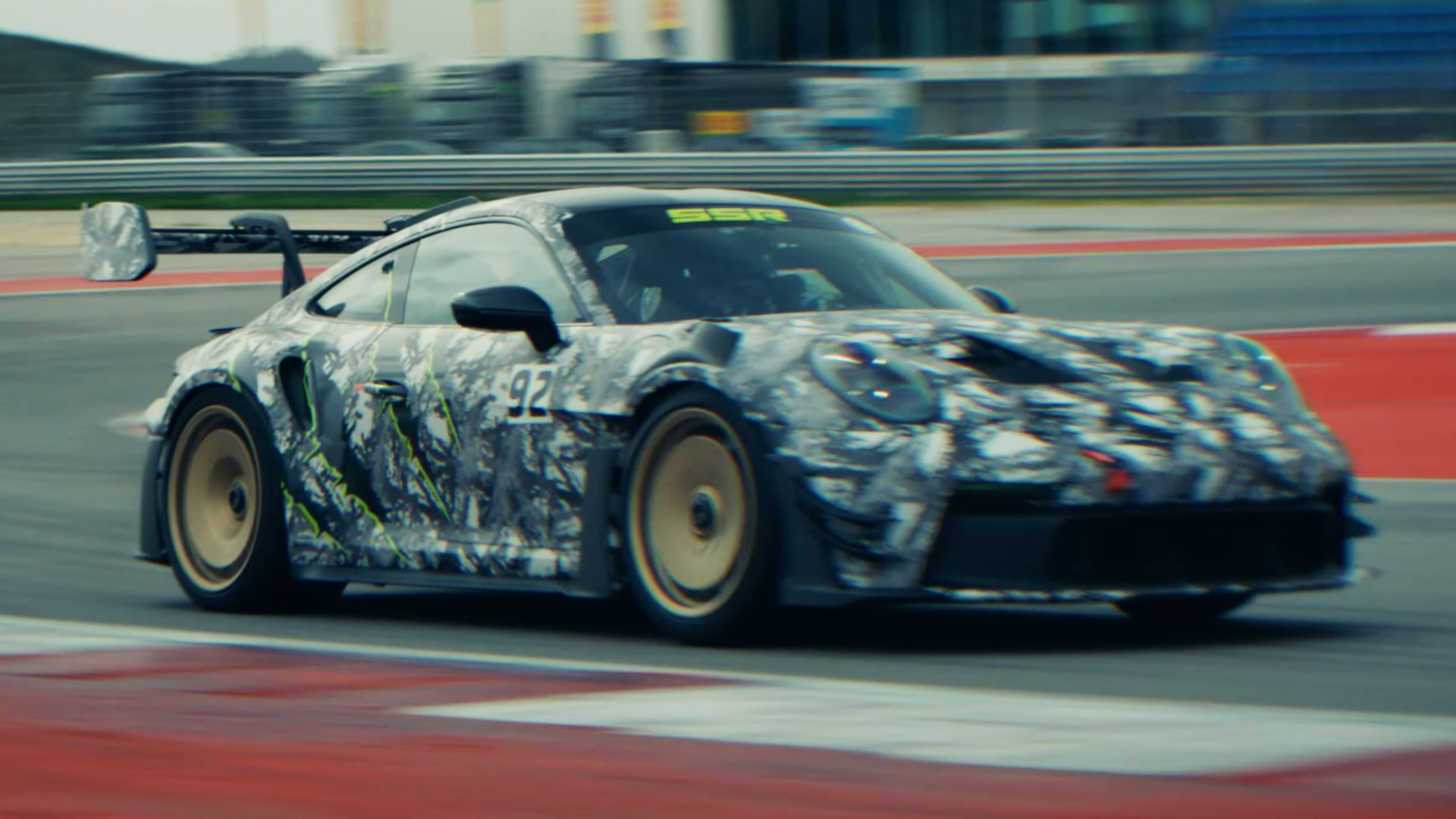
Photo · Carscoops
The GT2 RS exists because some people need more than the GT3 RS can give. That's the official story, anyway. SSR Performance's Project Leo suggests the gap between those two cars is a business decision more than an engineering one.
Carscoops has covered the build — a GT3 RS fitted with twin turbos, pushing somewhere around 800 horsepower. The fact that this piece exists, that a tuner has done this and a publication is framing it as a GT2 RS challenger, is the interesting thing. Not the horsepower number. The implication.
What the Build Is Actually Saying
The GT3 RS is a naturally aspirated masterpiece. Porsche built it to be the pure thing — the one that rewards the driver, not the dyno. Adding turbos to it is almost philosophically confrontational. It's a tuner saying: we respect what you made, and we're going to make it do something you decided it shouldn't.
That decision — the one Porsche made — is worth examining. The GT2 RS is the twin-turbo 911. It has been for years. It's faster than the GT3 RS and costs significantly more. The gap between them isn't just power. It's product architecture. Porsche needs the GT2 RS to be distinct. Project Leo doesn't care about Porsche's product architecture.
That's what makes SSR's project genuinely interesting rather than just loud.
The Number That Isn't the Point
800 horsepower sounds like the headline. It isn't. Plenty of builds hit 800 horsepower. What matters is the platform. The GT3 RS chassis, suspension geometry, and aero package were engineered around a specific power delivery — linear, high-revving, naturally aspirated. Forcing turbocharged torque through that setup is a harder problem than the dyno figure suggests. Getting it to feel right, not just fast, is where tuner projects usually fall apart.
Whether Project Leo solves that problem is something only the people who've driven it can speak to. But the fact that SSR is attempting it with apparent seriousness — this isn't a garage render, it's a named project with documented development — means the conversation is worth having.
The GT2 RS is a factory car with factory compromises. A bespoke twin-turbo GT3 RS, built without those constraints, could theoretically be something different. Not better in every way. Different in the ways that matter to a specific kind of buyer.
That buyer exists. They always do.
Porsche's job is to sell cars to a lot of people. SSR's job is to build one car for the right person. Those are not competing businesses. They're just operating at different resolutions.
The question Project Leo is really asking isn't whether it can beat the GT2 RS on a lap. It's whether the GT2 RS is the only answer to the question it's answering. And right now, that's a more interesting question than any horsepower figure.
Keep reading cars.

800 Horsepower, One Ton of Doubt
Lamborghini built the most powerful SUV it's ever made. It's also slower than what it replaced.

£11,990 Draws a Line Under Every Excuse You Had Left
Dacia just made the cheapest new car in Britain electric — and that's not a footnote, it's a verdict.
Blanc Éternel Hides Its Speed Behind a Gas Cap
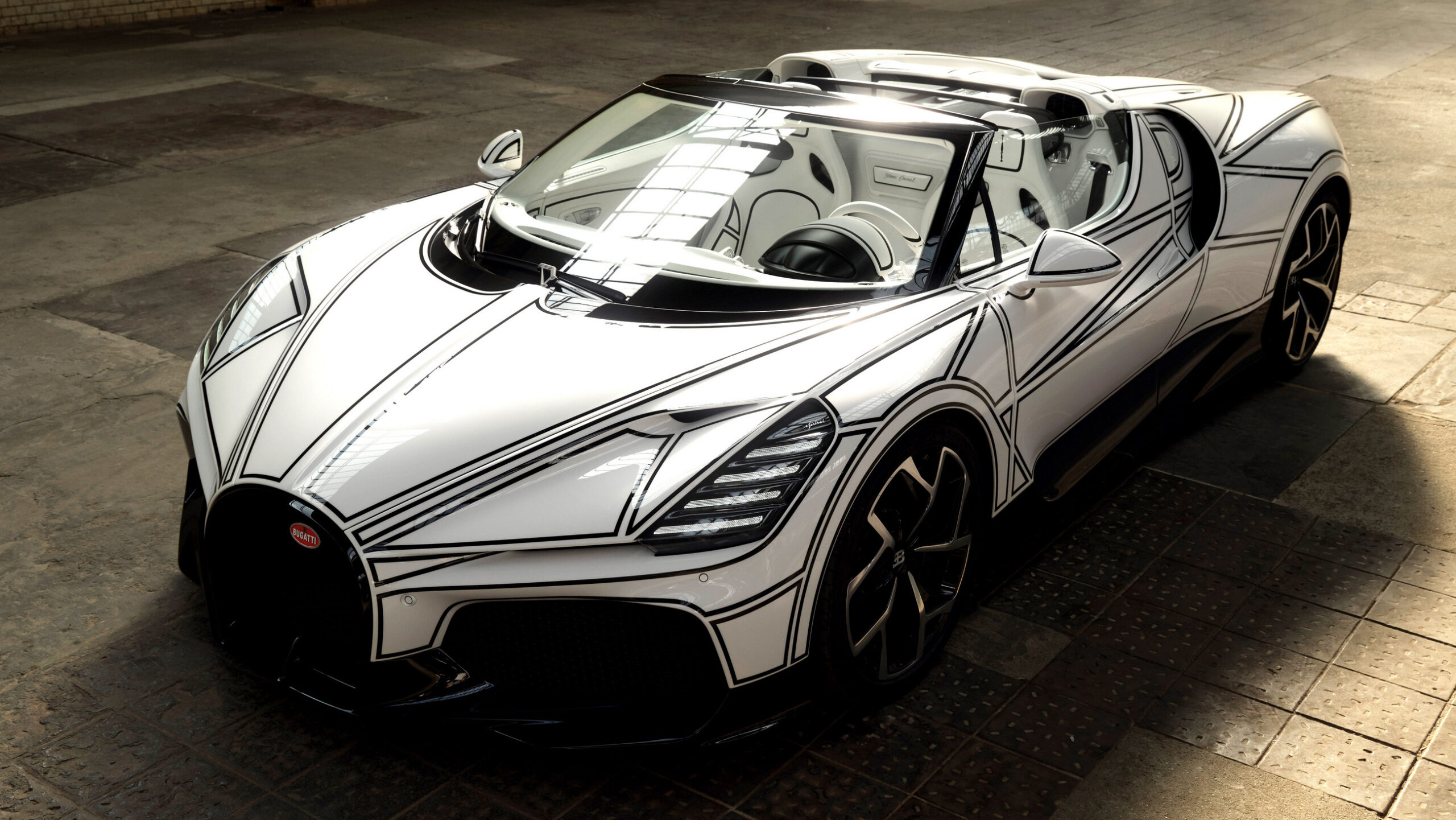
Bugatti built a 261-mph roadster and made sure you'd notice the porcelain first.
From the other desks.

Gold Leaf on a Lacquer Dial, and the Weight of What That Costs
Awake's Frosted Leaf Royal Blue asks a question Vietnamese craft has never quite had to answer at this price.

ESPN Named Him. Then Unnamed Him. Nobody's Explaining the Gap.
A retraction without a reckoning is just a deleted link.

Hide My Email Has Been Showing Your Email
Apple's privacy flagship has a hole in it. They've known for over a year.