A24 Knew You'd See the Twist Coming
The move wasn't the surprise — it was what they did with the 45 minutes you weren't prepared for.

Photo · GQ
Everyone's going to talk about the twist. That's fine. The twist is good. But fixating on it is like complimenting a jacket for its buttons.
What A24 actually pulled off is rarer. They gave you the gut-punch and then refused to let you recover on your own terms. No cool-down. No earned exhale. The back half of The Drama isn't denouement — it's a slow, deliberate reorientation. A shift in whose interiority you're living inside, and a very specific answer to why that choice was made at exactly that moment.
Most studios would've split the difference. Give both characters equal time in the wreckage. Keep the audience comfortable. Keep the stars balanced. A24 doesn't do that. They pick a side and stay there for 45 minutes while the other person moves on. That asymmetry is the whole point.
The Trust Problem
Filmmaking at this level requires a particular kind of confidence — not in the story, but in the audience. The belief that you can hold someone inside one character's collapse while another character walks out of frame, and the viewer won't feel cheated. They'll feel implicated.
Most films don't have that confidence. They hedge. They cut away. They remind you periodically that everyone matters equally, which is how you get third acts that feel like press releases.
A24 has spent the better part of a decade building a house style out of exactly this kind of trust. Hereditary didn't soften its ending. Midsommar didn't explain itself. Past Lives let the silence do the work that lesser films would've filled with score. The through-line isn't genre — it's restraint deployed with precision. The Drama is the latest proof that the model holds.
What the Clothes Are Doing
The costume work here deserves its own conversation, and it probably won't get one because people will still be processing the narrative mechanics.
Good costume design operates below the threshold of conscious attention for most of a film. You register mood, status, the texture of a life — but you don't stop to analyze it. Then something shifts, and suddenly you're reading every choice like a sentence.
That's what happens in the third act of The Drama. By the time the film reaches its final stretch, what each character is wearing has become a kind of shorthand. One of them is still in the palette of the film's first half — same tonal range, same weight of fabric, like someone who hasn't fully accepted that the story has moved. The other has already dressed for a different life. No announcement. No costume-change moment. Just the quiet, accumulating evidence of a person who decided.
It's the kind of detail that rewards a second watch. And it's the kind of detail that only lands because the film trusted itself enough to slow down and let you see it.
Pattinson and Zendaya are both doing career-best work here — but the film isn't interested in awarding that equally. It uses their performances the way good tailoring uses structure: to direct attention exactly where it wants it, and nowhere else.
The awards conversation will chase the twist. It always chases the twist. What it won't capture is the rarer thing — the 45 minutes of aftermath that required everyone involved to believe the audience could handle staying in one person's wreckage while the world kept moving.
That's the film. Not the surprise. The willingness to sit in what comes after.
Keep reading fashion.

Gold Leaf on a Lacquer Dial, and the Weight of What That Costs
Awake's Frosted Leaf Royal Blue asks a question Vietnamese craft has never quite had to answer at this price.
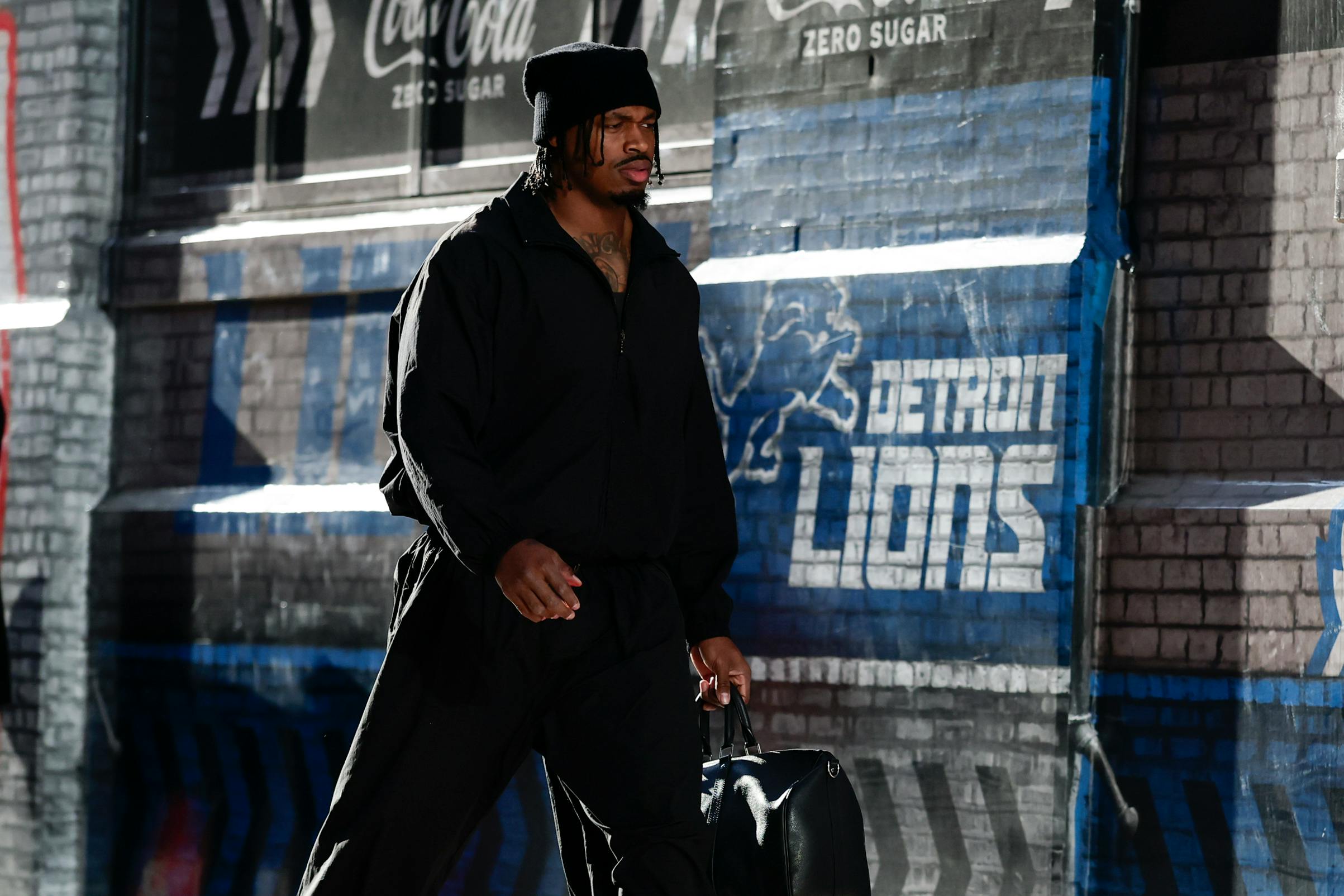
Kyle Smith Has a Job Title That Didn't Exist Before. That's the Whole Tell.
When the NFL hires a fashion editor, it's not about clothes — it's about who gets to decide what matters.
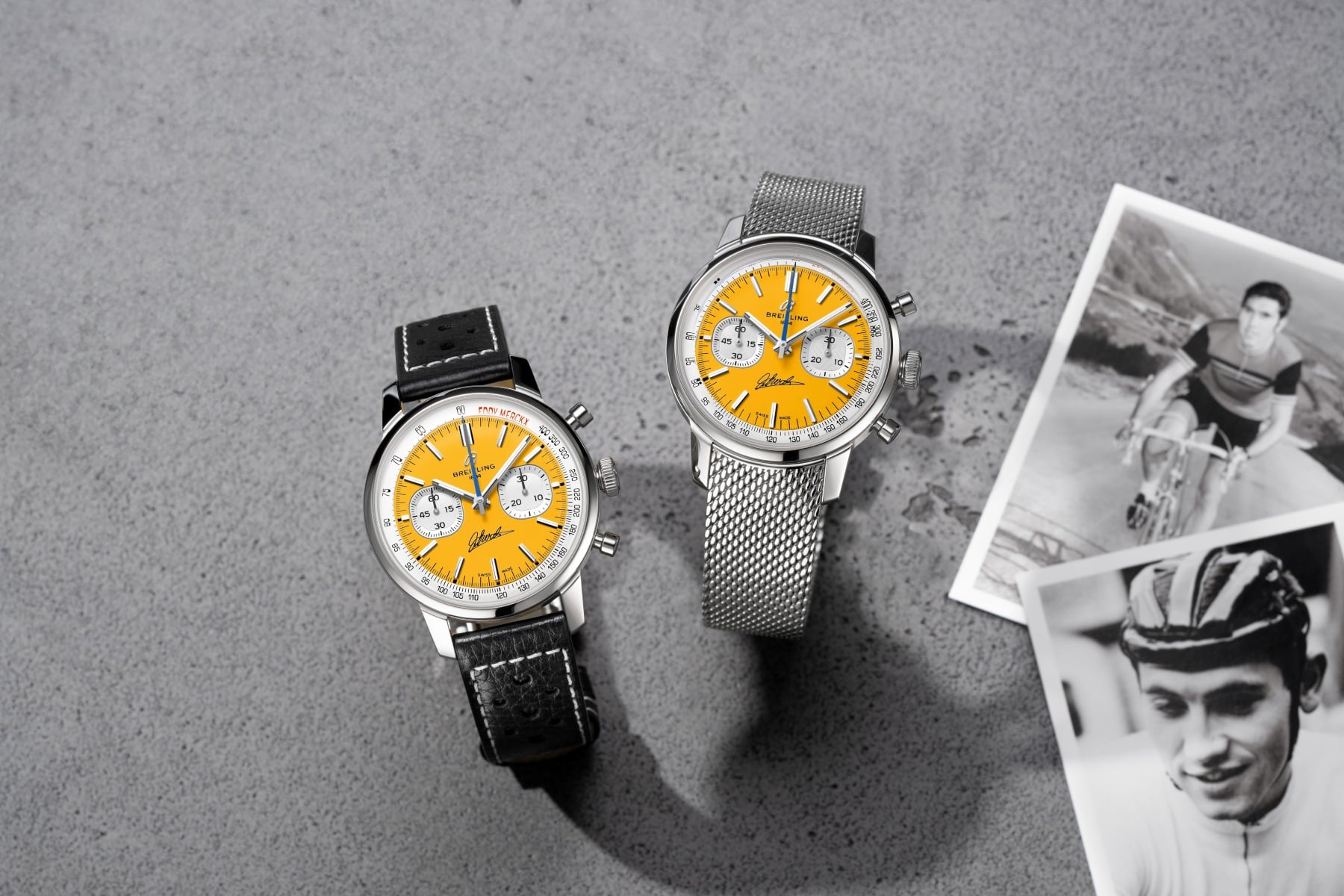
525 Victories, One Dial, and Cycling's Long Wait for a Wrist
Breitling's Eddy Merckx edition doesn't just reference a legend — it asks whether motorsport's younger sibling has finally earned its place in serious watch culture.
From the other desks.

800 Horsepower, One Ton of Doubt
Lamborghini built the most powerful SUV it's ever made. It's also slower than what it replaced.

ESPN Named Him. Then Unnamed Him. Nobody's Explaining the Gap.
A retraction without a reckoning is just a deleted link.

Hide My Email Has Been Showing Your Email
Apple's privacy flagship has a hole in it. They've known for over a year.