Casio Didn't Wait for Permission
Six months after their first mechanical watch turned heads, Casio already made it better — and that pace should embarrass some Swiss houses.
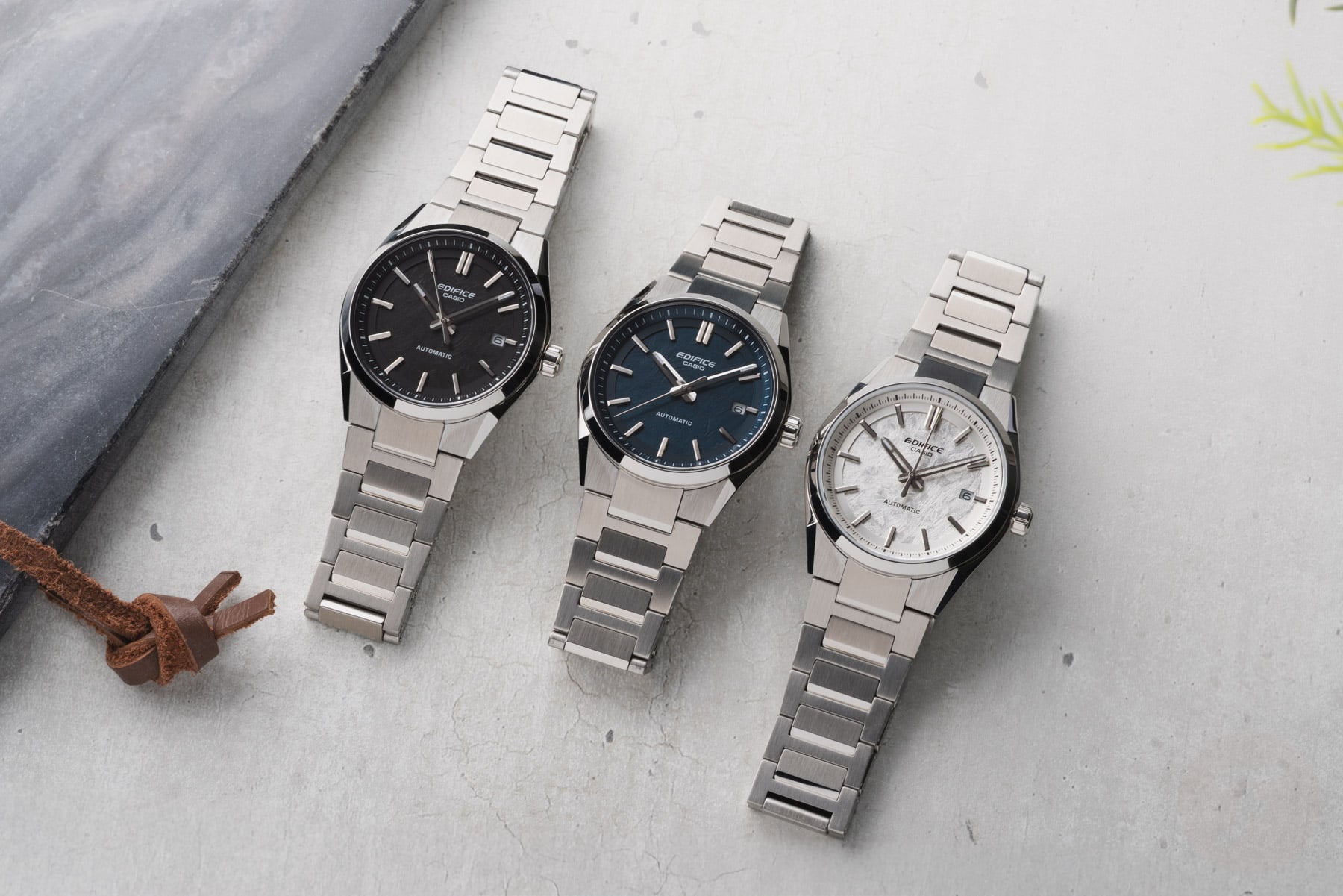
Photo · Fratello Watches – The Magazine Dedicated To Luxury Watches
The EFK-100 came out roughly six months ago and the watch world had a minor identity crisis about it. A mechanical Casio. Affordable. Credible. Good-looking enough that you had to stop and reconsider some assumptions you'd been carrying around.
Now there's the EFK-110, and Casio didn't wait for the applause to die down.
That's the thing worth paying attention to here — not just the watch, but the tempo. Six months. In an industry where brands spend three years teasing a new case size, Casio looked at what they built, found room to improve it, and shipped. That's a product culture, not a marketing calendar.
The Version They Always Meant to Make
The EFK-110 reads as the same watch at first glance. That's intentional. The bones were right. What's changed sits closer to the details — the kind of refinements that separate a good first attempt from a considered object. Dial texture. Finishing on the case. The way light moves across the hands at an angle. Small things. The things you notice after a week on the wrist, not in the first thirty seconds of an unboxing video.
When you wear both back to back, the newer one feels resolved. Like a sentence that finally has the right last word.
That matters more than it sounds. A lot of watch brands treat version two as a marketing exercise — new colorway, new strap option, a limited run with a slightly different dial. Casio treated it as an engineering note. There's a difference, and it shows.
What No Swiss Stamp Actually Means
Casio has no manufacture mythology to lean on. No founder's portrait in the catalog. No movement named after a valley in the Jura. What they have is decades of making things that work, under conditions that would humble most Swiss production floors — G-Shocks dropped from buildings, timepieces worn into the ocean, watches that outlive the people who bought them.
The mechanical category is new territory for them. They know that. The EFK-100 felt like a brand testing its own instincts. The EFK-110 feels like a brand that liked what it found.
There's an honesty to that arc. No brand story was retrofitted onto it. No press release called it a milestone in horological heritage. They made a watch, got feedback from the real world, and made it better. That's the whole story. It's also increasingly rare.
Some houses with movements that cost more than a used car still can't iterate that cleanly. They're too busy protecting the mythology to interrogate the product.
Casio has no mythology to protect. So they just kept working.
The EFK-110 isn't trying to belong to a conversation it wasn't invited into. It's just quietly making the case that the invitation was never the point.
Keep reading fashion.

Gold Leaf on a Lacquer Dial, and the Weight of What That Costs
Awake's Frosted Leaf Royal Blue asks a question Vietnamese craft has never quite had to answer at this price.
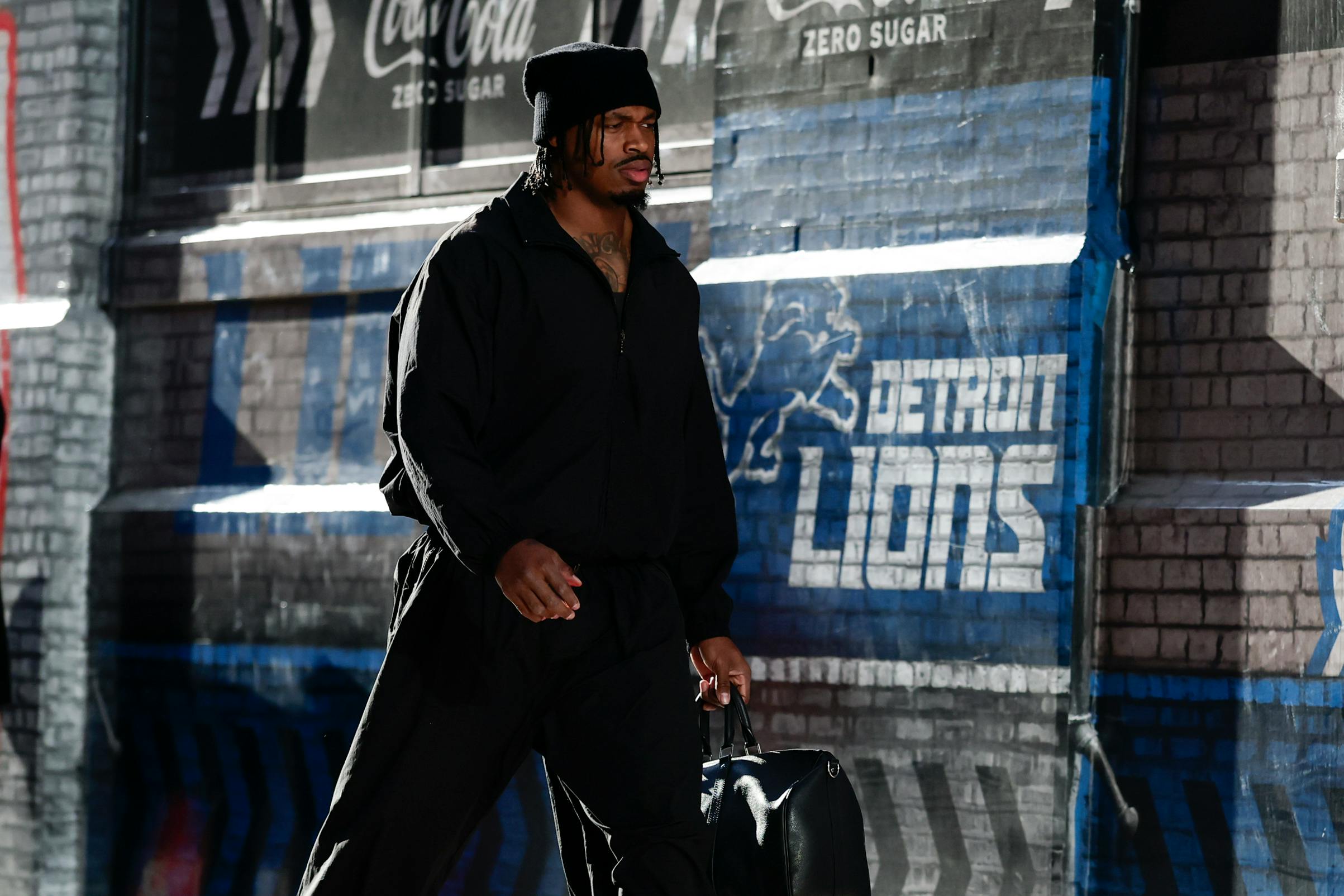
Kyle Smith Has a Job Title That Didn't Exist Before. That's the Whole Tell.
When the NFL hires a fashion editor, it's not about clothes — it's about who gets to decide what matters.
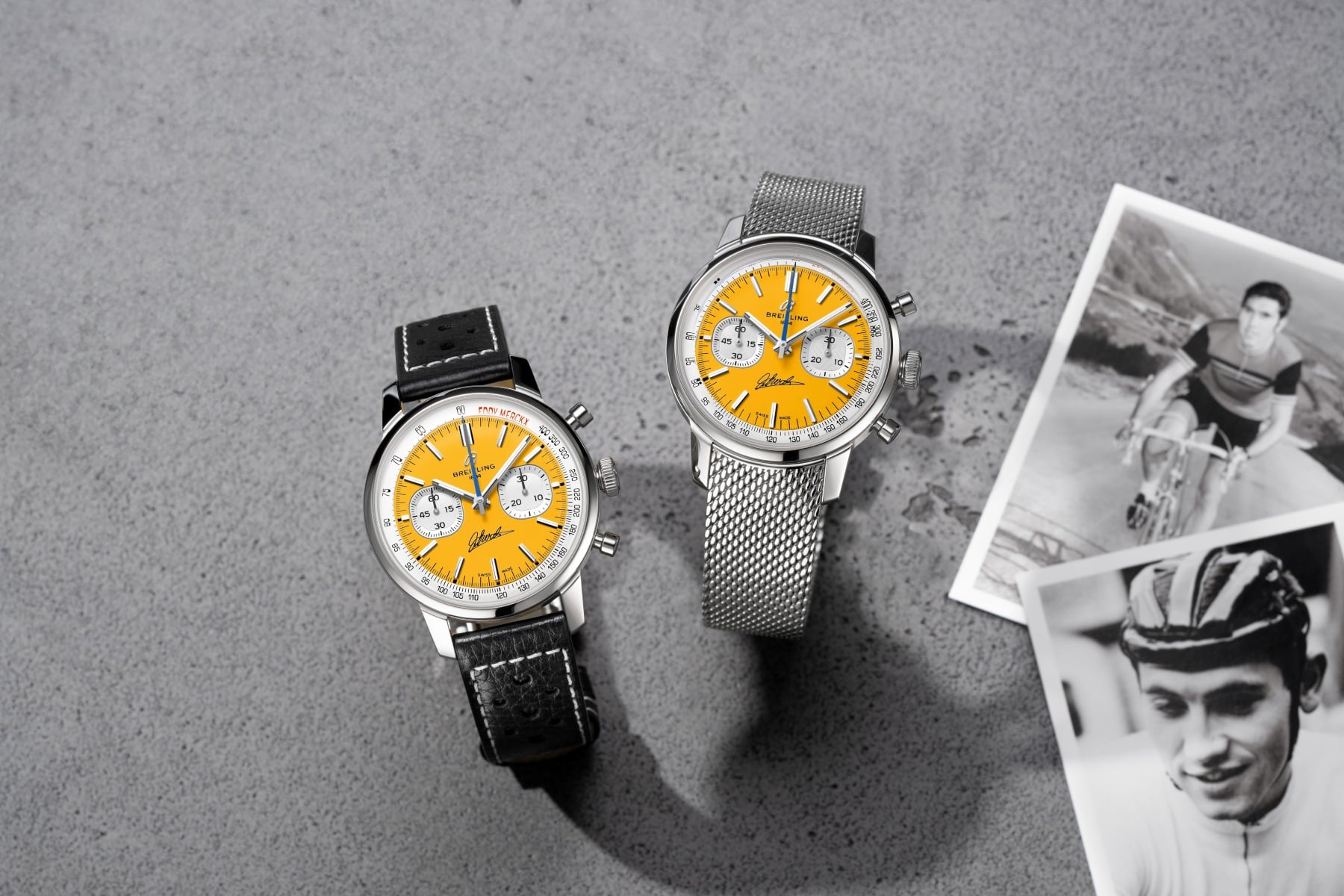
525 Victories, One Dial, and Cycling's Long Wait for a Wrist
Breitling's Eddy Merckx edition doesn't just reference a legend — it asks whether motorsport's younger sibling has finally earned its place in serious watch culture.
From the other desks.

800 Horsepower, One Ton of Doubt
Lamborghini built the most powerful SUV it's ever made. It's also slower than what it replaced.

ESPN Named Him. Then Unnamed Him. Nobody's Explaining the Gap.
A retraction without a reckoning is just a deleted link.

Hide My Email Has Been Showing Your Email
Apple's privacy flagship has a hole in it. They've known for over a year.