Citizen Brought the Tsuno Back to Europe, and That Tells You Where Taste Actually Is
A 1970s bullhead quartz returning to new markets isn't nostalgia — it's a quiet verdict on fifty years of watch design.
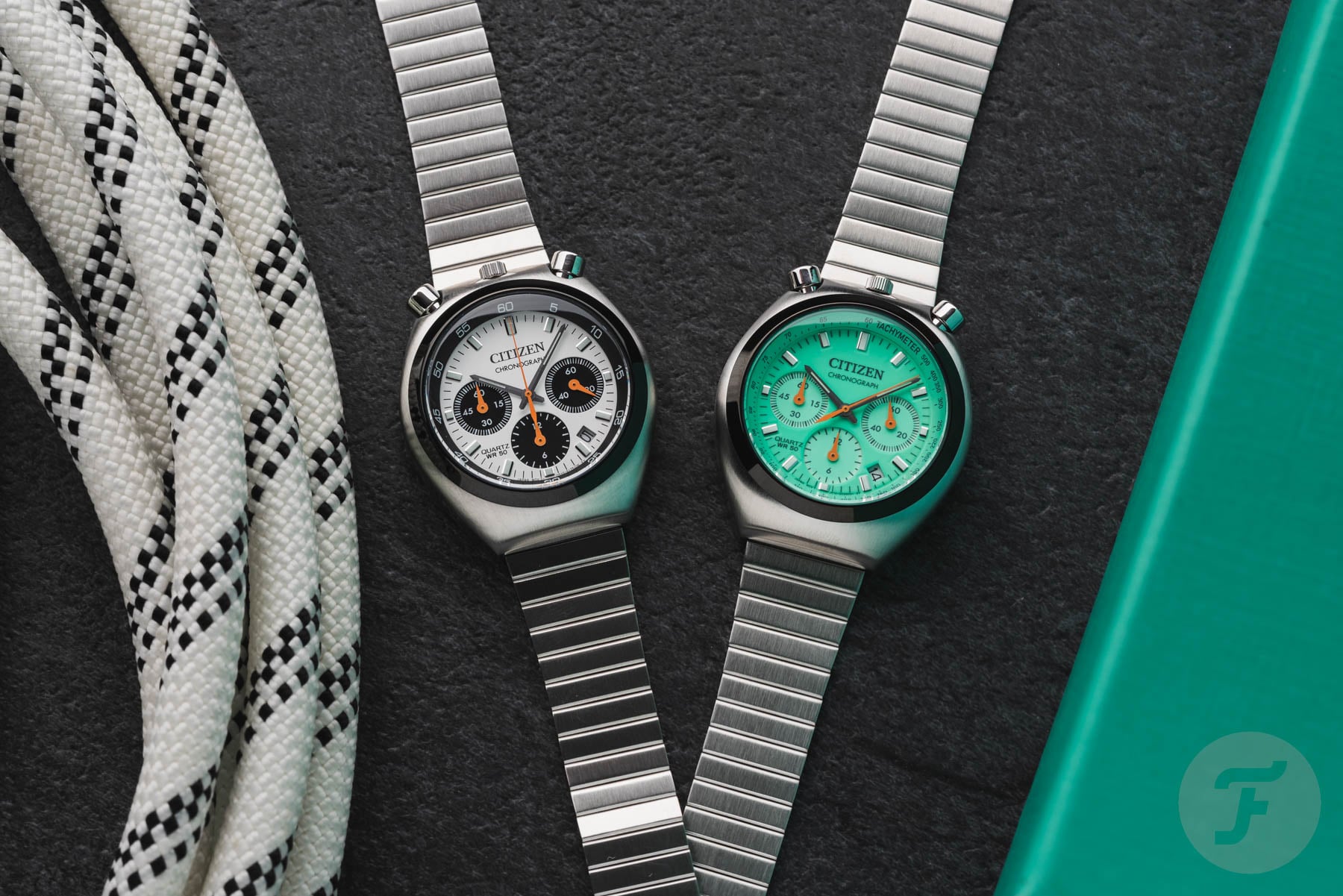
Photo · Fratello Watches – The Magazine Dedicated To Luxury Watches
Something has shifted when a Japanese brand decides a formerly Japan-only model belongs in Europe now.
A writer at Fratello Watches recently spent time with the new Citizen Challenge Timer — the so-called Tsuno, a bullhead chronograph with its crown and pushers positioned at the top of the case rather than the side. The design traces back to the 1970s. The reintroduction to the European market is recent. Those two facts, placed next to each other, say more than any spec sheet.
The Case Was Always the Argument
The bullhead configuration is a specific choice. Moving the crown and pushers to twelve o'clock isn't a flourish — it's a structural commitment that changes how a case sits on a wrist, how you interact with it, how the whole silhouette reads. It was a tool-watch decision made in an era when tool watches were designed by people who actually thought about use. That it looked striking was almost incidental.
For decades, that geometry lived primarily in the Japanese domestic market. Not because Europe couldn't appreciate it. More likely because the broader watch conversation was busy celebrating other shapes — the cushion cases, the integrated bracelets, the dressy rounds that dominated the collector discourse. The bullhead sat in the corner, worn by people who knew, passed between enthusiasts who found them used and kept them quietly.
Now Citizen is bringing the Challenge Timer west, citing demand. That word — demand — is doing significant work. It means someone has been asking. It means the appetite existed before the supply was offered.
What Gets Admitted When a Design Comes Back
There's a version of this story where the Tsuno's return gets filed under retro marketing: dust off an archive piece, attach a heritage narrative, sell it to nostalgia. But that reading doesn't hold when you look at what the design actually does. The bullhead chronograph layout isn't charming because it's old. It's charming because the ergonomic logic is sound, the case profile is genuinely distinctive, and nothing in the fifty years since has improved on it — only replaced it with things that were easier to produce or easier to sell.
The confession embedded in this reissue is that the original was correct. Not correct in some relative, era-specific way. Correct in the way that certain design decisions are simply right and keep proving themselves every time someone picks one up.
A quartz movement inside doesn't diminish that. The Tsuno was always a quartz watch. That's not a compromise — it's what the watch is, built around function and case architecture rather than the mythology of mechanical movement. The writer at Fratello handles it on the wrist and finds it worth documenting. That's the signal.
Watch culture has spent years running toward mechanical complexity and away from anything that smelled like practicality. The bullhead never apologized for being practical. The fact that European collectors are now asking for it suggests the runway that complexity bought is getting shorter.
Some designs don't age because they were never really about their moment. They were about the wrist, the hand, the second counter ticking. Everything else was noise.
The Tsuno was patient.
Keep reading fashion.

Gold Leaf on a Lacquer Dial, and the Weight of What That Costs
Awake's Frosted Leaf Royal Blue asks a question Vietnamese craft has never quite had to answer at this price.

Kyle Smith Has a Job Title That Didn't Exist Before. That's the Whole Tell.
When the NFL hires a fashion editor, it's not about clothes — it's about who gets to decide what matters.
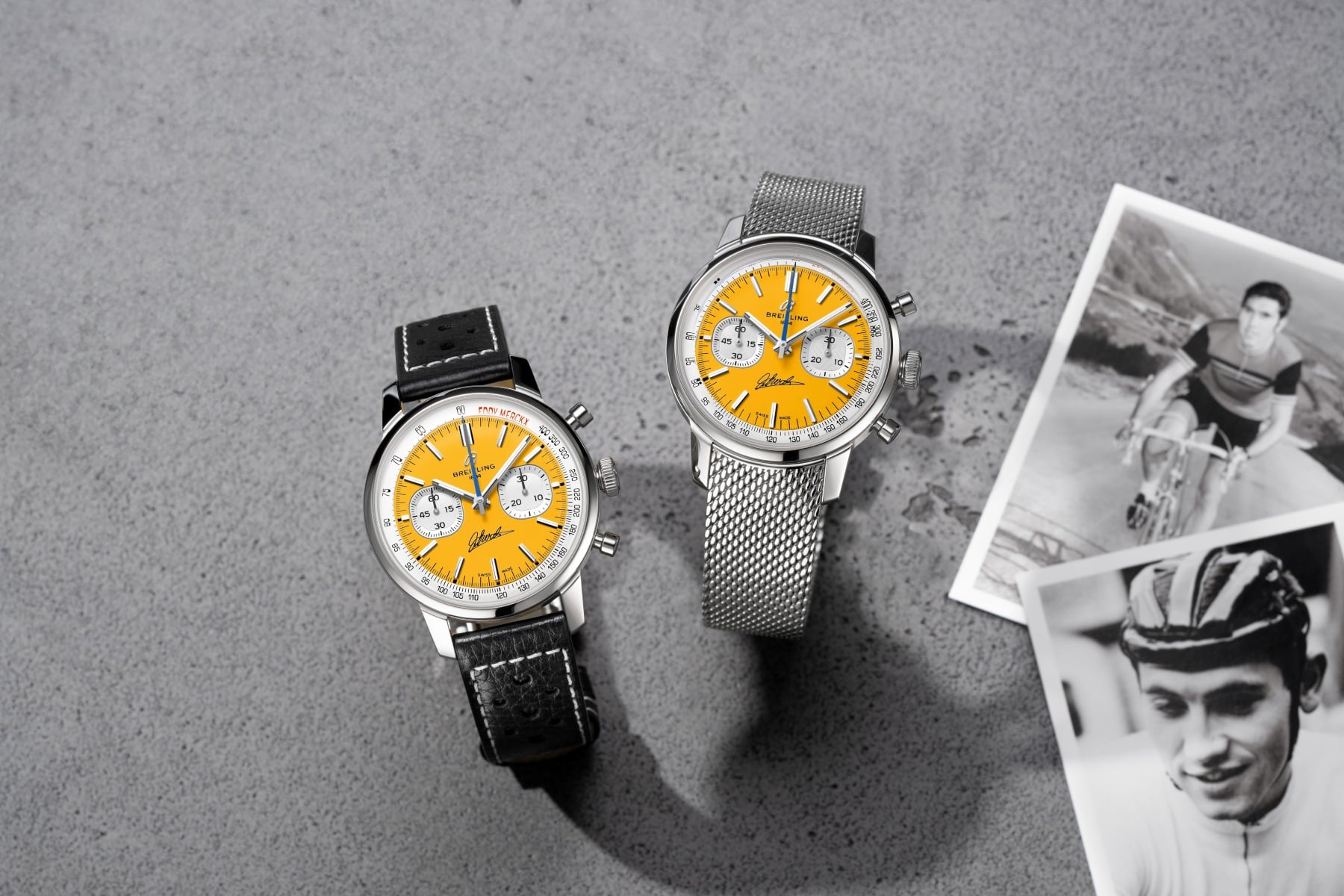
525 Victories, One Dial, and Cycling's Long Wait for a Wrist
Breitling's Eddy Merckx edition doesn't just reference a legend — it asks whether motorsport's younger sibling has finally earned its place in serious watch culture.
From the other desks.

800 Horsepower, One Ton of Doubt
Lamborghini built the most powerful SUV it's ever made. It's also slower than what it replaced.

ESPN Named Him. Then Unnamed Him. Nobody's Explaining the Gap.
A retraction without a reckoning is just a deleted link.

Hide My Email Has Been Showing Your Email
Apple's privacy flagship has a hole in it. They've known for over a year.