Two Brands With Nothing in Common Made Something That Makes Sense
The Seconde Majeure isn't a compromise. It's a confession about where watch collecting actually lives now.
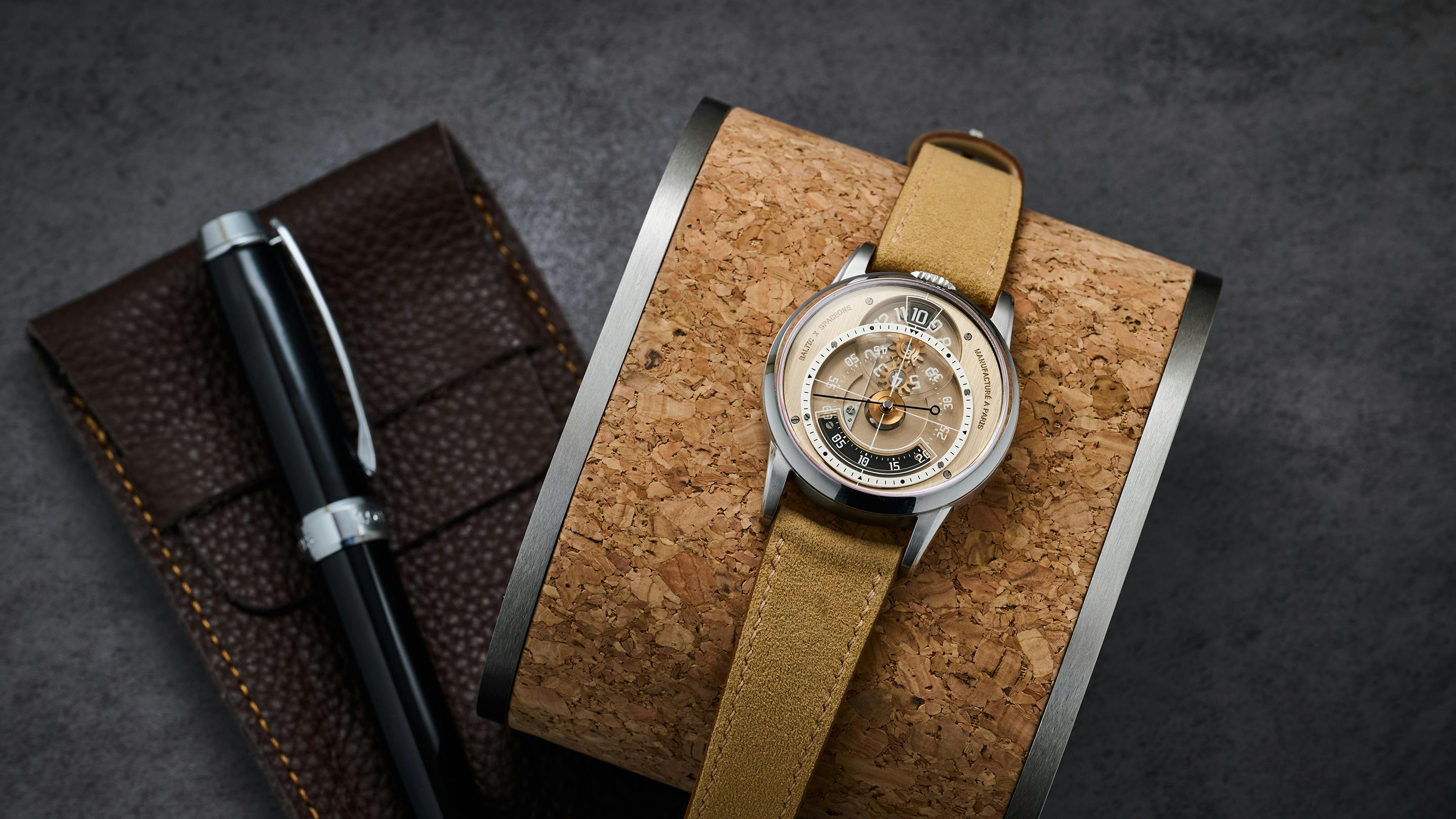
Photo · Hodinkee
The Dilemma Nobody Admits
Most collectors have a type. You're either drawn to the patina, the archive, the quiet discipline of vintage proportion — or you want something that looks like it was designed in a room with no windows and a very good philosophy degree. The assumption has always been that you pick a lane.
The Baltic x SpaceOne Seconde Majeure makes that assumption look tired.
Nearly every outlet that covered this watch opened with some version of the same observation: these two brands have no business collaborating. Worn & Wound called them "diametrically opposed." Fratello flagged them as "seemingly incompatible." Monochrome noted there was "seemingly no reason" for this to exist at all. That level of consensus in the preamble usually means the watch itself is either a disaster or proof of something. This one is proof of something.
Baltic, for those less deep in the French indie watch world, builds with a vintage sensibility — considered proportions, classic references, the kind of restraint that reads as confidence. SpaceOne, through the work of Théo Auffret, operates in a different register entirely: futuristic, deconstructed, the sort of design that invites you to look twice before you understand what you're looking at. Five years ago, according to SJX Watches, the founders of both brands found themselves in Baltic's offices and something clicked. The watch you're reading about now is what that conversation eventually became.
What They Actually Built
The result is a 38.5mm case in 904L stainless steel — a detail worth noting, since that grade of steel signals a commitment to finish quality that punches above the price — with a polished concave bezel and arched lugs designed to sit close to the wrist. Hypebeast described those lugs as "low-hanging," which is the kind of case geometry detail that sounds minor until you put the thing on and realize the whole wearing experience changes.
But the real story is the display. A sapphire disc. A jumping hour module developed by Auffret himself — who, per SJX, won the F.P. Journe Young Talent award, which is not a minor credential in this world. Hodinkee framed the watch as Baltic and SpaceOne doubling down on French watchmaking beauty. That framing matters: this isn't a brand licensing a movement or dropping a dial colorway and calling it a collab. The mechanism itself was newly developed for this project.
The price sits around $2,695, with pre-orders opening for a five-day window in May 2026. That window — May 12 through 17 — is short enough to feel considered rather than desperate. The watch is limited. The ask is real but not unreasonable for what's inside.
Where Collecting Goes Next
Here's what all eight sources are circling without quite saying directly: the collector who buys this watch probably already owns something from each side of the aesthetic divide. They have a vintage dress watch they wear to dinner and something architectural they reach for when they want to feel like themselves. The Seconde Majeure isn't a bridge between two aesthetics — it's an acknowledgment that the wall between them was never load-bearing.
For years, watch culture organized itself around schools of thought. You were a vintage person or a contemporary person, a purist or an experimentalist. The argument gave collectors something to identify with, something to defend. What Baltic and SpaceOne did, quietly, over five years of friendship before a single case was sketched, is demonstrate that creative alignment doesn't require aesthetic agreement. It requires something harder and less talked about: shared values about what a watch is actually for.
The Seconde Majeure doesn't ask you to choose a side. It asks whether you were ever really on one.
Keep reading fashion.

Gold Leaf on a Lacquer Dial, and the Weight of What That Costs
Awake's Frosted Leaf Royal Blue asks a question Vietnamese craft has never quite had to answer at this price.

Kyle Smith Has a Job Title That Didn't Exist Before. That's the Whole Tell.
When the NFL hires a fashion editor, it's not about clothes — it's about who gets to decide what matters.
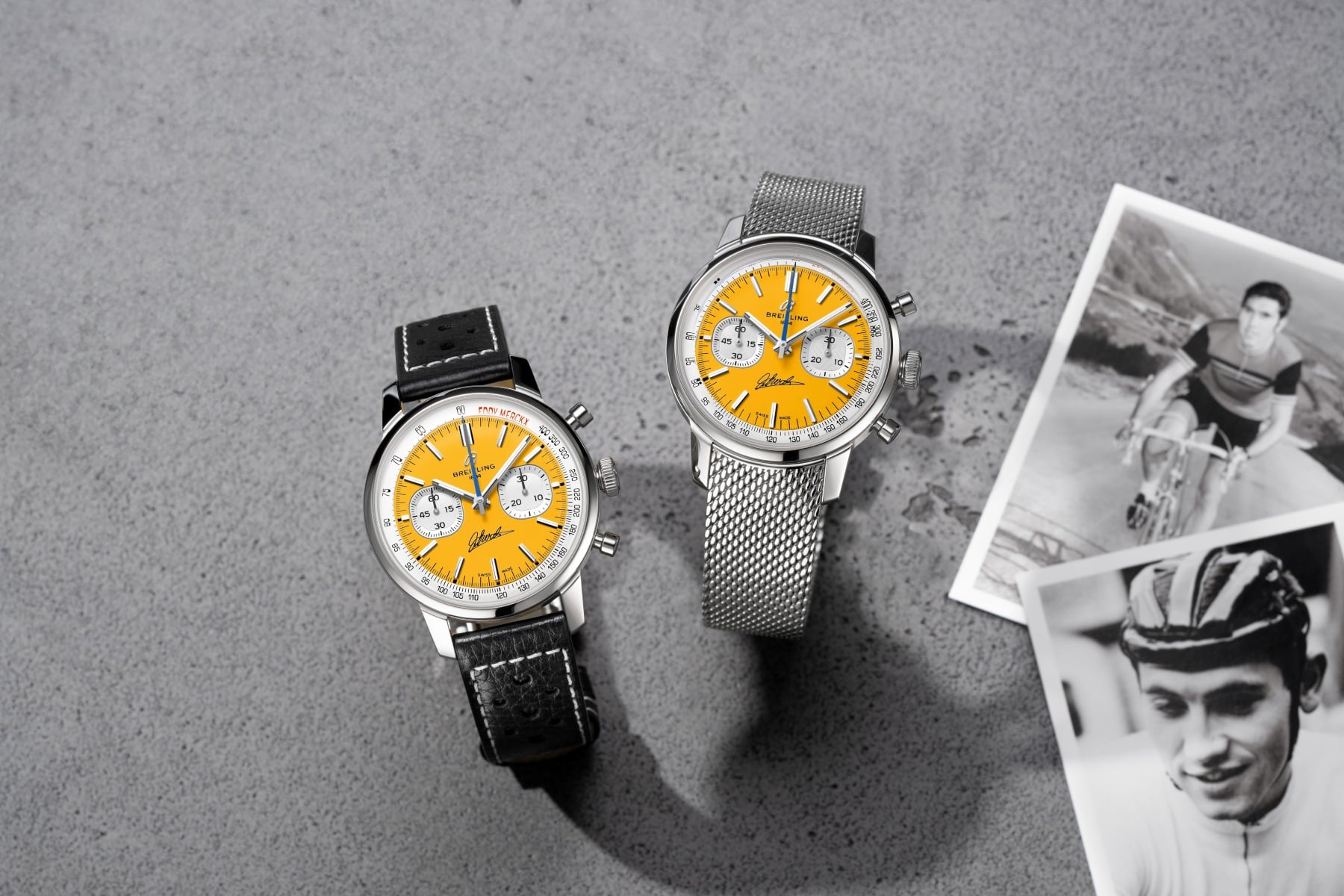
525 Victories, One Dial, and Cycling's Long Wait for a Wrist
Breitling's Eddy Merckx edition doesn't just reference a legend — it asks whether motorsport's younger sibling has finally earned its place in serious watch culture.
From the other desks.

800 Horsepower, One Ton of Doubt
Lamborghini built the most powerful SUV it's ever made. It's also slower than what it replaced.

ESPN Named Him. Then Unnamed Him. Nobody's Explaining the Gap.
A retraction without a reckoning is just a deleted link.

Hide My Email Has Been Showing Your Email
Apple's privacy flagship has a hole in it. They've known for over a year.