The Show That Forgot What It Was Trying to Say
Euphoria came back after nearly four years away. The question isn't whether it shocked you — it's whether that was ever enough.
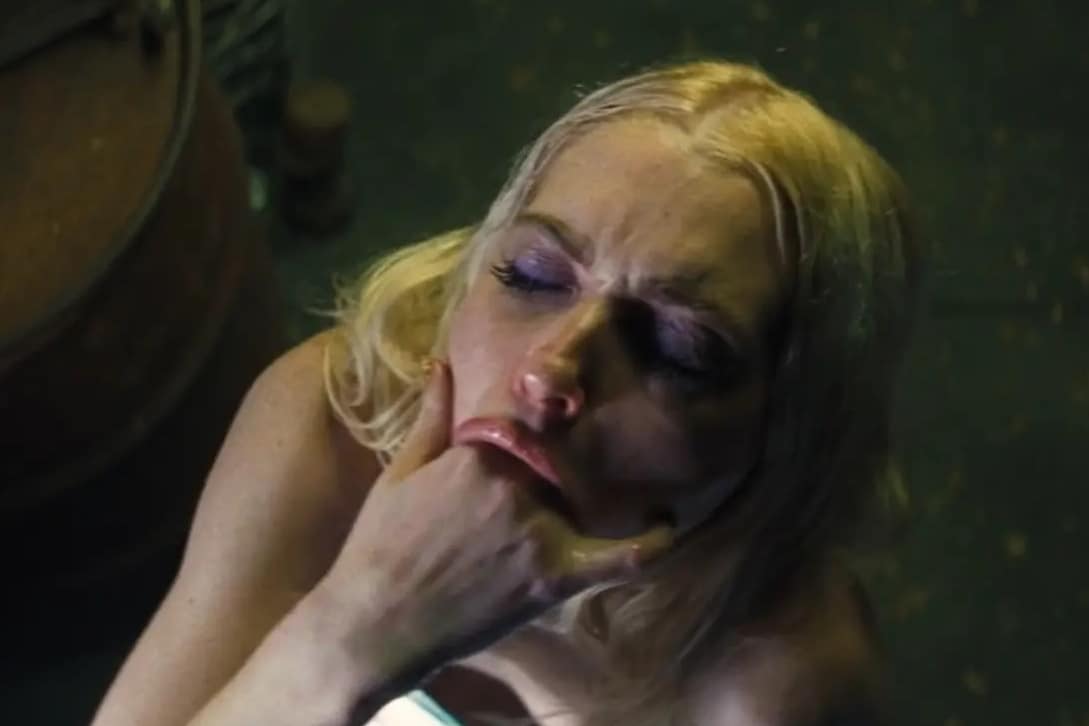
Photo · Dazed
There's a version of shock that opens something up in you. And there's a version that just sits there, daring you to look away.
Euphoria Season 3 appears to have arrived with the second kind.
After nearly four years away — years filled with behind-the-scenes turbulence that became its own cultural subplot — Sam Levinson's HBO series returned last night to an audience that had been waiting long enough to form real expectations. What they got, by most accounts, was the show at its most unfiltered. Dazed described the first thirty minutes in terms that don't leave much to the imagination: women smuggling fentanyl across the border, the physical indignity of what comes next, and a general atmosphere of female bodies treated as vessels for degradation. Boardroom called it unhinged, unapologetic, unrepentant. The Rotten Tomatoes score, which one Boardroom piece noted had landed at 45%, suggests the critics weren't exactly moved.
And yet the show still exists. People are still watching. The conversation is still happening. Which is either proof that shock works, or proof that we've all forgotten what we were supposed to feel.
The Argument Has Become the Aesthetic
Here's what's interesting when you read across the coverage: no one seems surprised. Not in the way that matters. The Dazed piece isn't scandalized — it's almost clinical in its accounting of what the episode contains, as if documenting evidence rather than reacting to it. The Boardroom pieces treat the return as a cultural event to be navigated, a show to be caught up on, a score to be contextualized. The framing everywhere is managerial, not emotional.
That's the tell. When a show built on provocation stops provoking genuine responses — when critics shift from feeling something to cataloguing something — the show has lost the thread.
Euphoria always wore its aesthetics loudly. The glitter, the cinematography, the costuming that made high school look like a fever dream shot by someone who'd never been to one. That visual language had a purpose once: it was the show's argument that these kids were drowning in beauty and image even as everything fell apart underneath. The style was the point. The excess was the metaphor.
But metaphor requires the audience to feel the tension between surface and depth. When the surface is the depth — when the show's primary move is simply to show you something more extreme than last time — the argument collapses into spectacle.
Four Years Is a Long Time to Come Back the Same
The hiatus should have meant something. Nearly four years between seasons, real drama behind the camera, a cultural moment that had shifted considerably underneath the show's feet. The world that Euphoria premiered into isn't quite the world it's returning to. Audiences have seen more, processed more, grown more skeptical of provocation for its own sake.
A 45% critics score on a show this anticipated isn't just a bad number — it's a signal that the gap between what the show thinks it's doing and what it's actually doing has widened into something hard to ignore.
The fashion parallel is obvious, because fashion lives this tension constantly: the house that mistakes louder for bolder, that reads the room as asking for more when it's actually asking for different. There's a kind of creative stubbornness that looks like confidence from the inside and looks like stagnation from the outside. The line between the two is whether the work is still in conversation with the moment, or just with itself.
Euphoria, right now, sounds like a show in conversation with itself.
Shock was always borrowed time. The shows that last are the ones that knew what the shock was for.
Keep reading fashion.
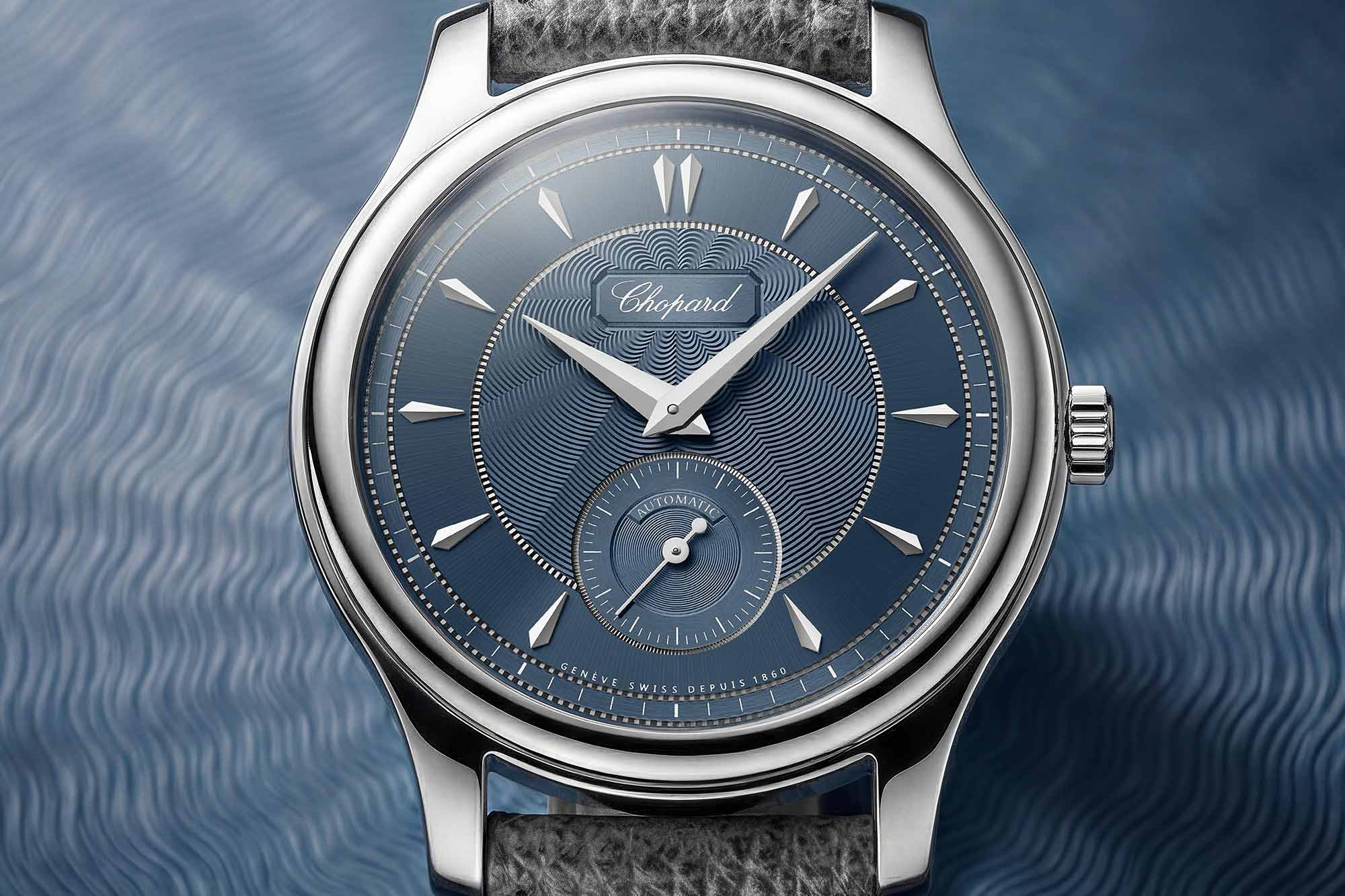
The Same Steel, Two Different Bets
Chopard brought one material to Watches & Wonders 2026 and asked it to do very different things.
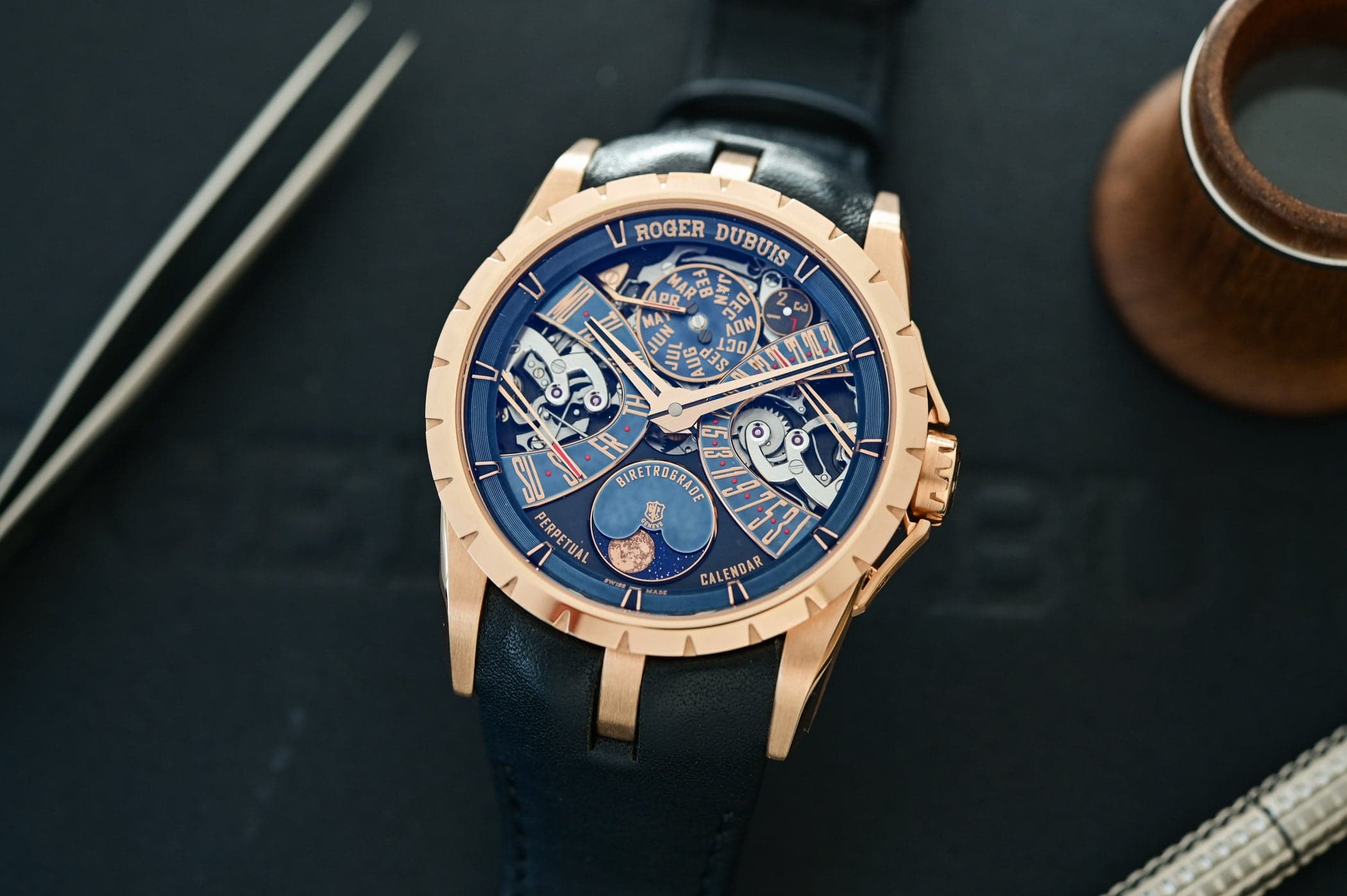
The Past Is Always In Season
Roger Dubuis built something new. The question is whether it matters that they built it before.
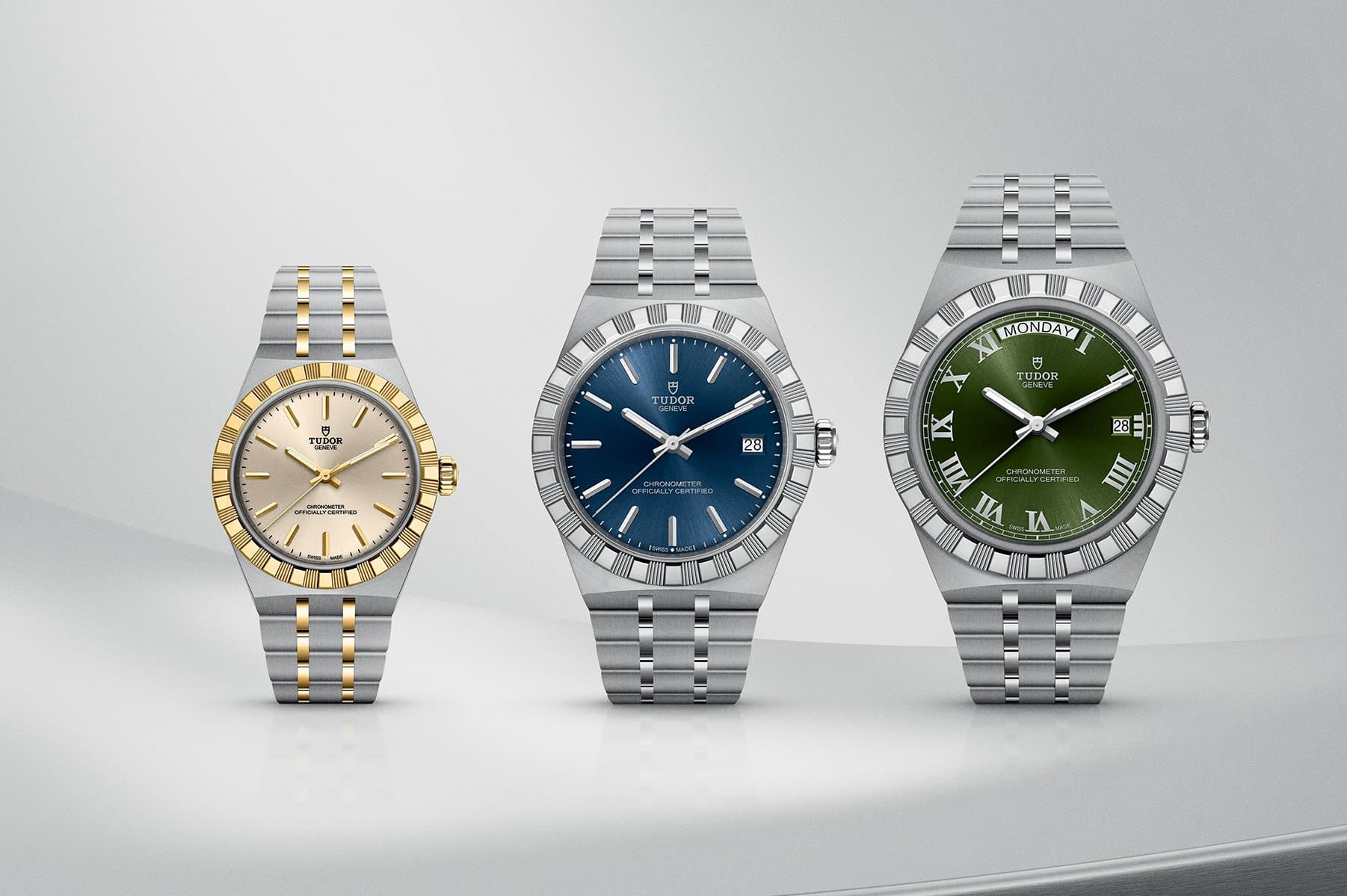
The Confidence of Not Changing
Tudor showed up to its own centenary with 31 new watches and zero identity crisis — and that restraint might be the most radical thing in the room.
From the other desks.
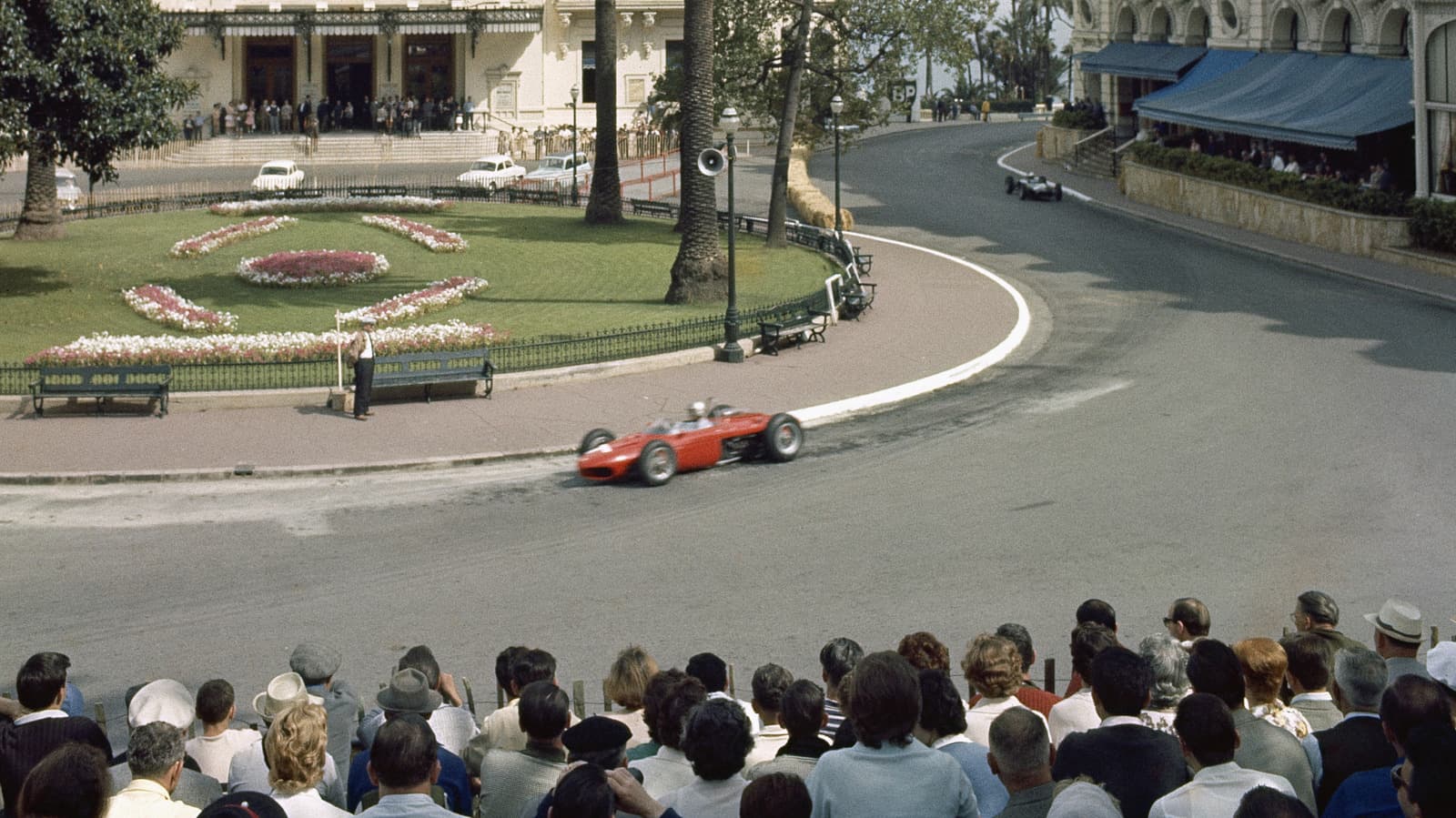
Monaco, 1962: The Real Heist Was Always the Aesthetic
A writer at Jalopnik just said the quiet part loud — the cars and the clothes are the point, and the crime is just the excuse to show up dressed.

One Photo, Years of Work, and the Distance You Can Never Close
Dianna Russini's resignation from The Athletic isn't a story about what happened in Sedona. It's a story about what sports media still demands from the people who cover it.

When Every Voice Sounds Like Everywhere, We're Nowhere
AI dubbing promised the world. It might be flattening it instead.