Forty Years, and Peak Performance Went Back to Ask the Mountain
A heritage brand's best argument isn't a campaign. It's the conditions it was built for.
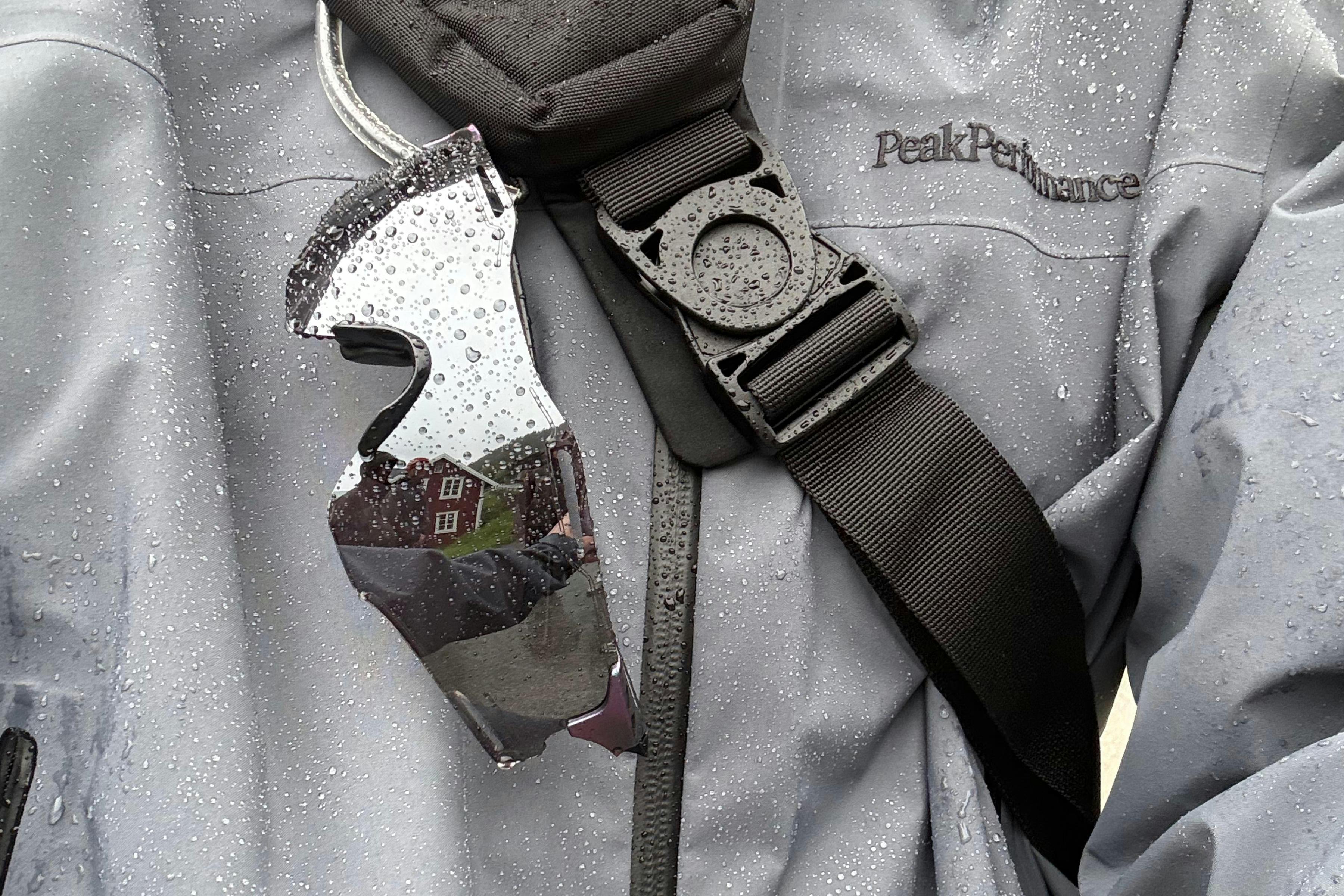
Photo · Highsnobiety
There's a version of a 40th anniversary that involves a retrospective exhibition, a limited-edition reissue, and a lot of careful lighting. Peak Performance did not do that version.
Instead, a writer at Highsnobiety spent 48 hours in Åre — the Swedish mountain town where the brand was born — hiking and moving through the kind of weather that doesn't care about your press trip schedule. The piece isn't a profile of the brand's history. It's a field report. And the fact that Peak Performance invited that framing tells you something worth sitting with.
What It Means to Go Back
Most brands, when they hit a milestone, turn inward. They celebrate the archive. They reissue the thing that made them famous and let the nostalgia do the work. There's nothing wrong with that — nostalgia is a legitimate currency, and plenty of brands have spent it well. But it is, fundamentally, a backward-facing move. It says: look at what we were.
Sending a journalist to Åre in unpredictable weather says something different. It says: look at what we still are. That's a harder claim to make, and a harder one to fake. Åre doesn't grade on a curve. If the gear fails in the conditions it was designed for, the anniversary celebration curdles into something considerably more embarrassing.
The choice of location matters, too. Åre isn't a neutral testing ground — it's the origin point. Bringing the collection back there is a deliberate act of accountability. You're not staging a lifestyle shoot in a place that flatters the product. You're putting the product exactly where it has to answer for itself.
The Argument Heritage Brands Never Quite Make
Here's what I keep thinking about: most heritage outerwear brands eventually drift away from the conditions that created them. The gear gets softer, more urban, more about the walk from the car to the restaurant than the actual mountain. The brand retains the language of performance while quietly abandoning its demands.
Peak Performance's 40th anniversary move is interesting precisely because it refuses that drift — or at least refuses to let it go unexamined. By staging the test in Åre, in weather the writer describes as famously unpredictable, the brand is making its bet visible. It's saying the product still belongs to the place that made the brand necessary in the first place.
Whether the collection fully earns that argument, the Highsnobiety piece is the evidence. A writer who hiked in it, moved in it, got rained on or windblown or whatever Åre offered that weekend — that's not a testimonial. That's a verdict rendered by the environment itself, with a journalist as witness.
There's a version of this that could go badly. If the gear had failed, the story would exist anyway, just with a different conclusion. That's the risk Peak Performance accepted by inviting scrutiny in the brand's own backyard. It's the kind of risk that signals confidence — or at least the performance of it, which in fashion is sometimes indistinguishable from the real thing until the weather decides otherwise.
Forty years is long enough to have earned a comfortable anniversary. The interesting brands don't take it.
Keep reading fashion.

OG Wore It When It Mattered Most. Now You Can Wear It Too.
The SKX Nexus 'NYC Blue' PE is a championship shoe from a brand that just rewrote the pecking order.

Men Wore the Joke and Nobody Laughed It Off
Spring 2027 menswear didn't loosen the suit's collar — it asked whether the collar was ever the problem.
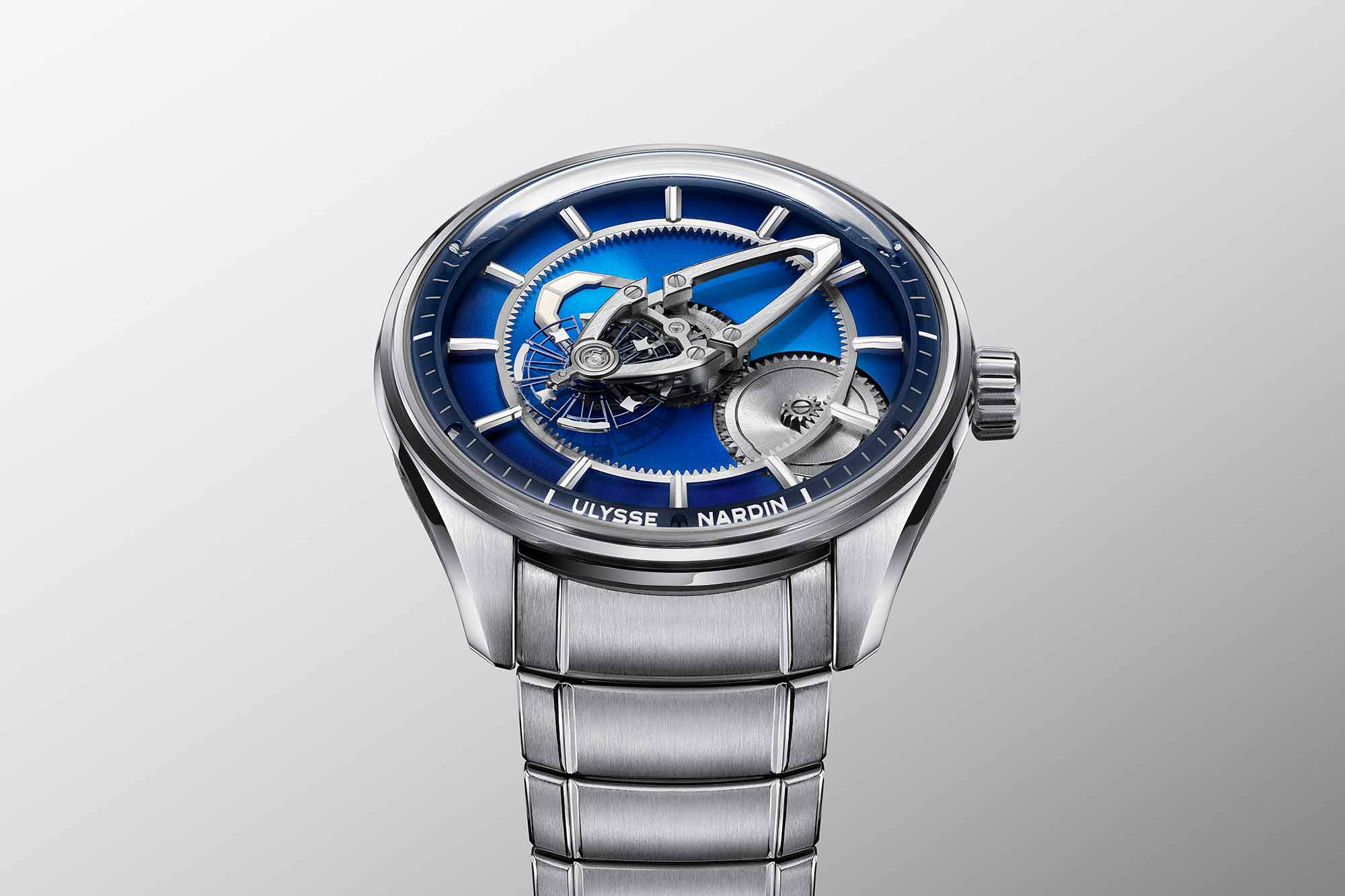
Shrink the Revolution, Keep the Soul
Ulysse Nardin made the Freak smaller. The question that raises is older than any watch.
From the other desks.

Run It to Zero and See Who Blinks
A writer pushed the 2026 Chevy Bolt until the battery died. What they found says more about trust than range.

Giannis Is Available. The Cap Isn't.
Boston wants the league's best player. The salary cap wants a word first.
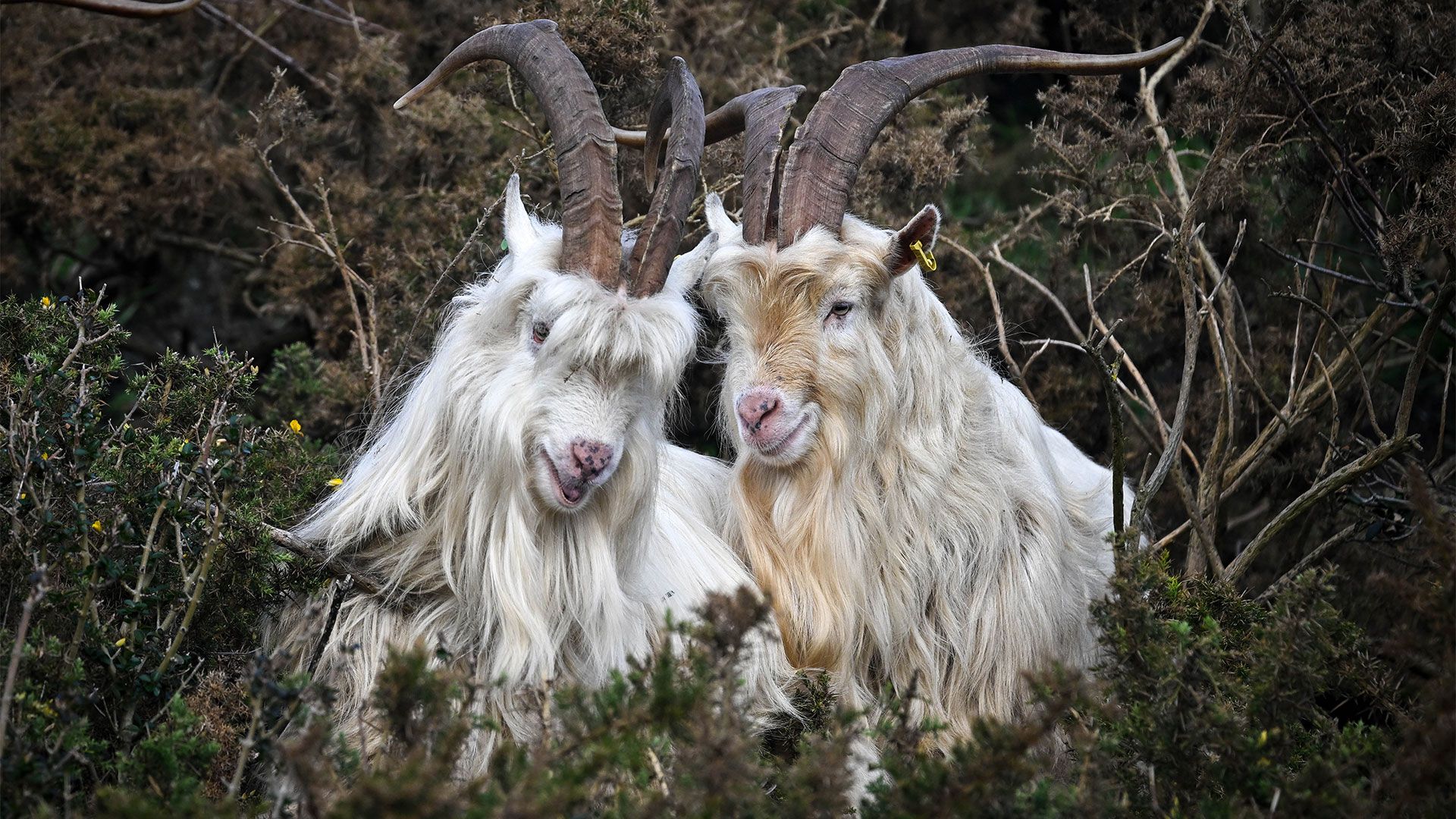
Goats Built a Neural Network. Nobody Called Them Sentient.
A Microsoft researcher ran Age of Empires II livestock through a neural network architecture to make a point the AI industry keeps refusing to hear.