Run It to Zero and See Who Blinks
A writer pushed the 2026 Chevy Bolt until the battery died. What they found says more about trust than range.
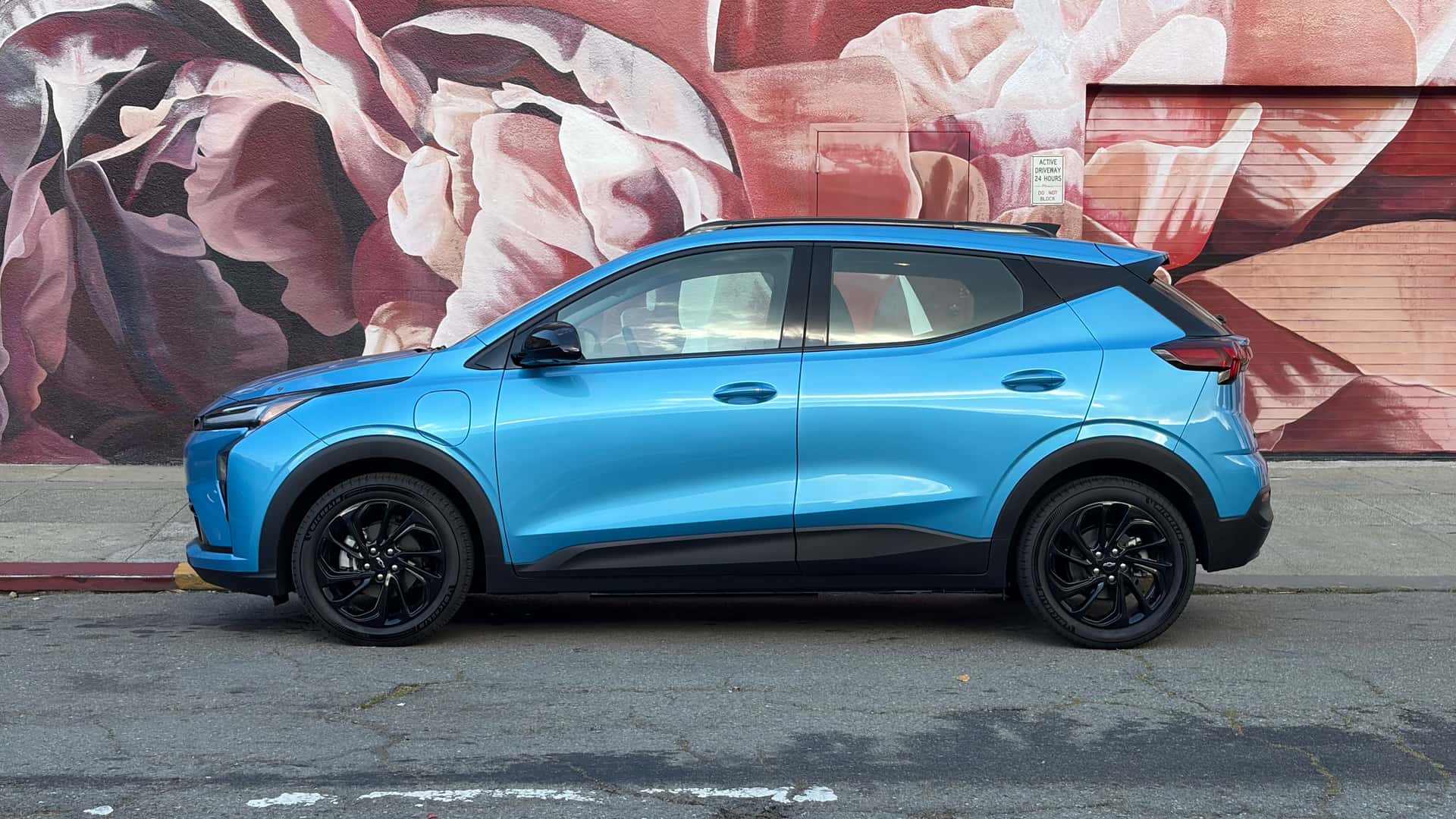
Photo · InsideEVs - Articles
Someone at InsideEVs drove a 2026 Chevy Bolt until it stopped moving. On purpose. To find out what lives beneath the zero.
That's not a stunt. That's a question the industry has been avoiding for years, dressed up as responsible engineering. Every EV manufacturer builds a buffer into the battery — charge you can't see, range you can't use, electrons held in reserve behind a wall of software. The official rationale is cell longevity and safety. The honest rationale is that nobody trusted the driver, and nobody trusted themselves to be trusted.
So a writer ran the Bolt down to find out how much hidden road was left when the display said none.
The Buffer Is the Real Spec
Here's why this test matters more than any EPA number: the rated range is a promise made under controlled conditions. The buffer is a promise made under pressure. It's what the engineers actually believed when they had to commit to something real.
The 2026 Bolt has been significantly improved over prior versions — the piece makes that clear. But improvement, in EV terms, can mean a hundred different things. Better efficiency. Better charging. Better software. What a test like this reveals is something more foundational: whether the car is being honest with you when it matters most, or whether it's managing your anxiety rather than informing your decisions.
There's a difference between a car that says "zero miles remaining" and means get off the road now versus one that means you have some runway, but we didn't want to tell you. One is a warning. The other is a negotiation you weren't invited to.
For years, range anxiety was treated as a driver problem — irrational fear, misunderstanding of the technology, failure to plan. What this kind of testing quietly suggests is that some of that anxiety was rational. If you don't know exactly when your car will stop, the car is withholding information. That's not a driver's fault. That's a transparency gap.
What Trust Actually Costs
The 2026 Bolt surviving its run-to-zero test — and the buffer behaving in a way the writer could document and report — is, in a strange way, the good news. The buffer existed. The car didn't just die at zero. The real range extended past the indicated range by a meaningful margin.
But I keep coming back to the fact that we're still at the stage where this needs to be tested at all. Where a journalist has to run a car into the ground to tell consumers what the manufacturer already knows and chose not to print on the window sticker.
Other categories have moved past this. A gas gauge that read empty with a gallon still in the tank used to be a quirk. Now it's a known quantity — most drivers understand their car's reserve without having to conduct an experiment. EVs are still earning that casual familiarity, and tests like this one are part of how that happens. Not through press releases. Through someone willing to find the edge.
The 2026 Bolt being meaningfully better, and its buffer being something a driver can actually understand and rely on, is progress. Real progress. The kind that accrues slowly and compounds.
But the moment EVs stop requiring this kind of forensic journalism to be trusted? That's when range anxiety is actually solved — not when the range gets longer, but when the number on the screen means exactly what it says.
Keep reading cars.

Coronado Didn't Simulate Chaos. It Just Let It In.
Loose manhole covers, a 25-car pileup, a drunk fan at the window — NASCAR's new street course in San Diego didn't promise disorder. It delivered it.
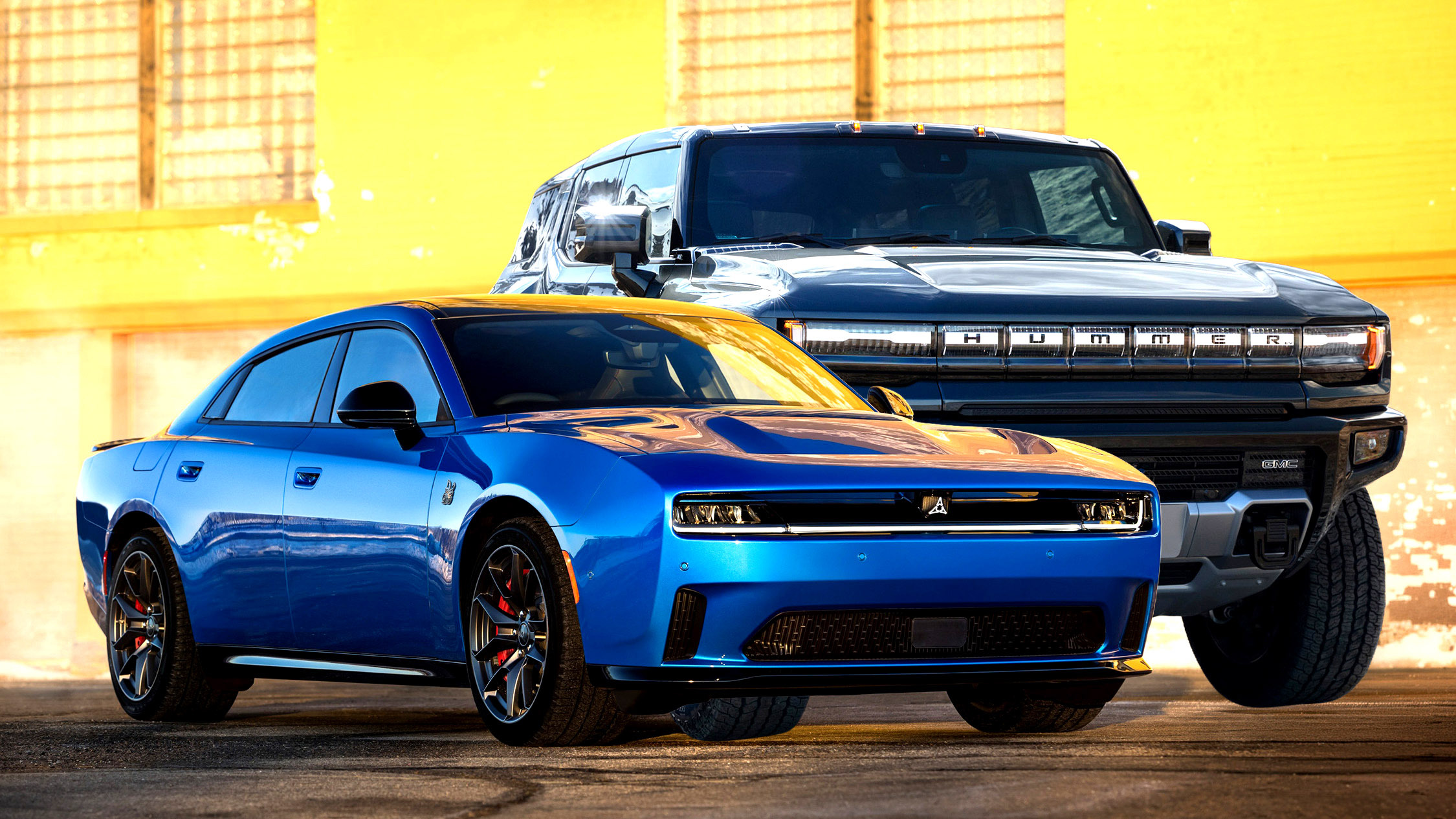
The Truck Costs $100K. The Restraint Cost Nothing. Guess Which One They Skipped.
New insurance data puts the most expensive EVs at the top of the worst-behavior charts — and it says something uncomfortable about what performance ownership has become.
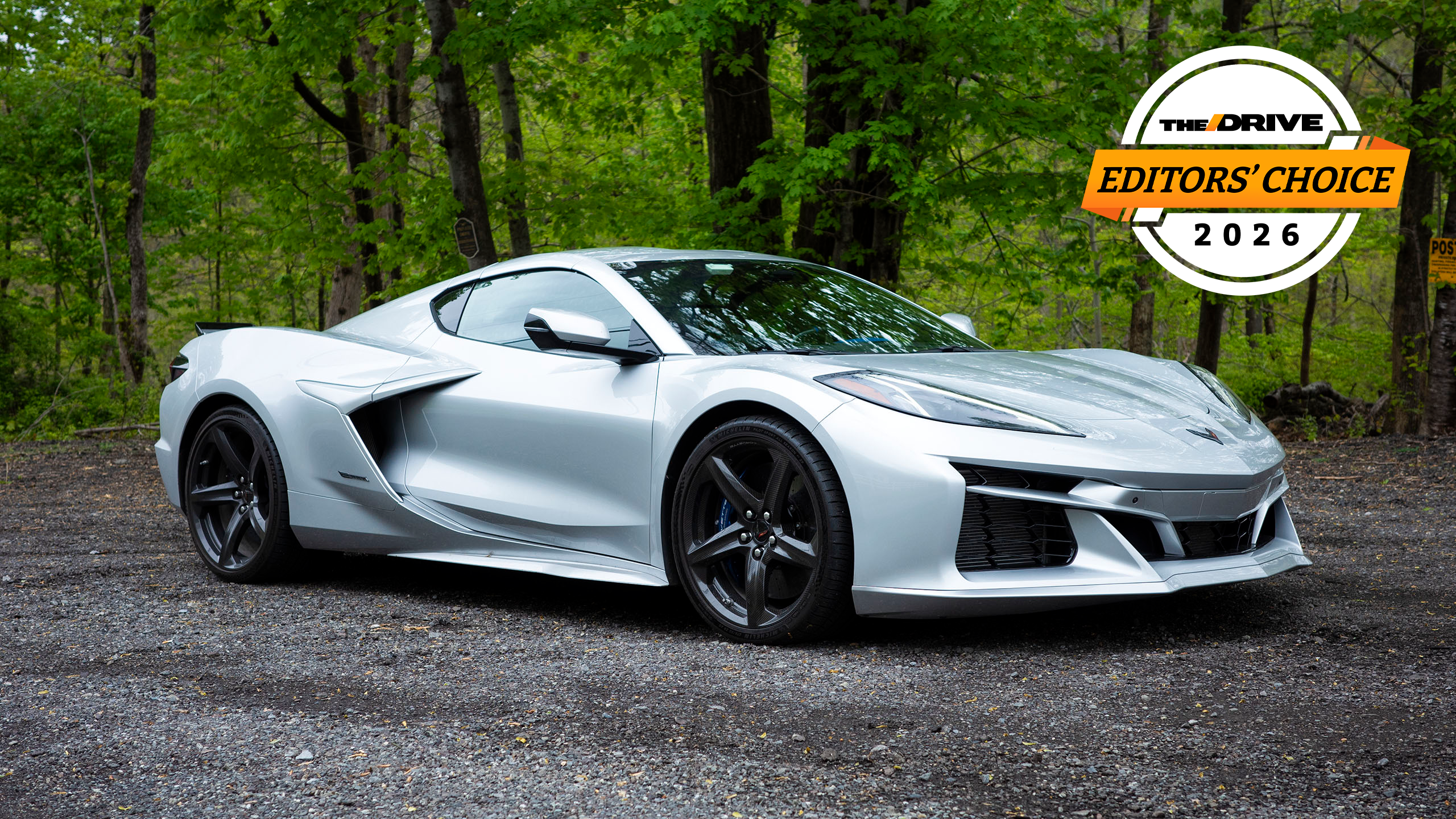
Corvette Didn't Ask Bugatti's Opinion
At 1.8 seconds to 60, the E-Ray era is making seven-figure supercars look like a lifestyle choice.
From the other desks.
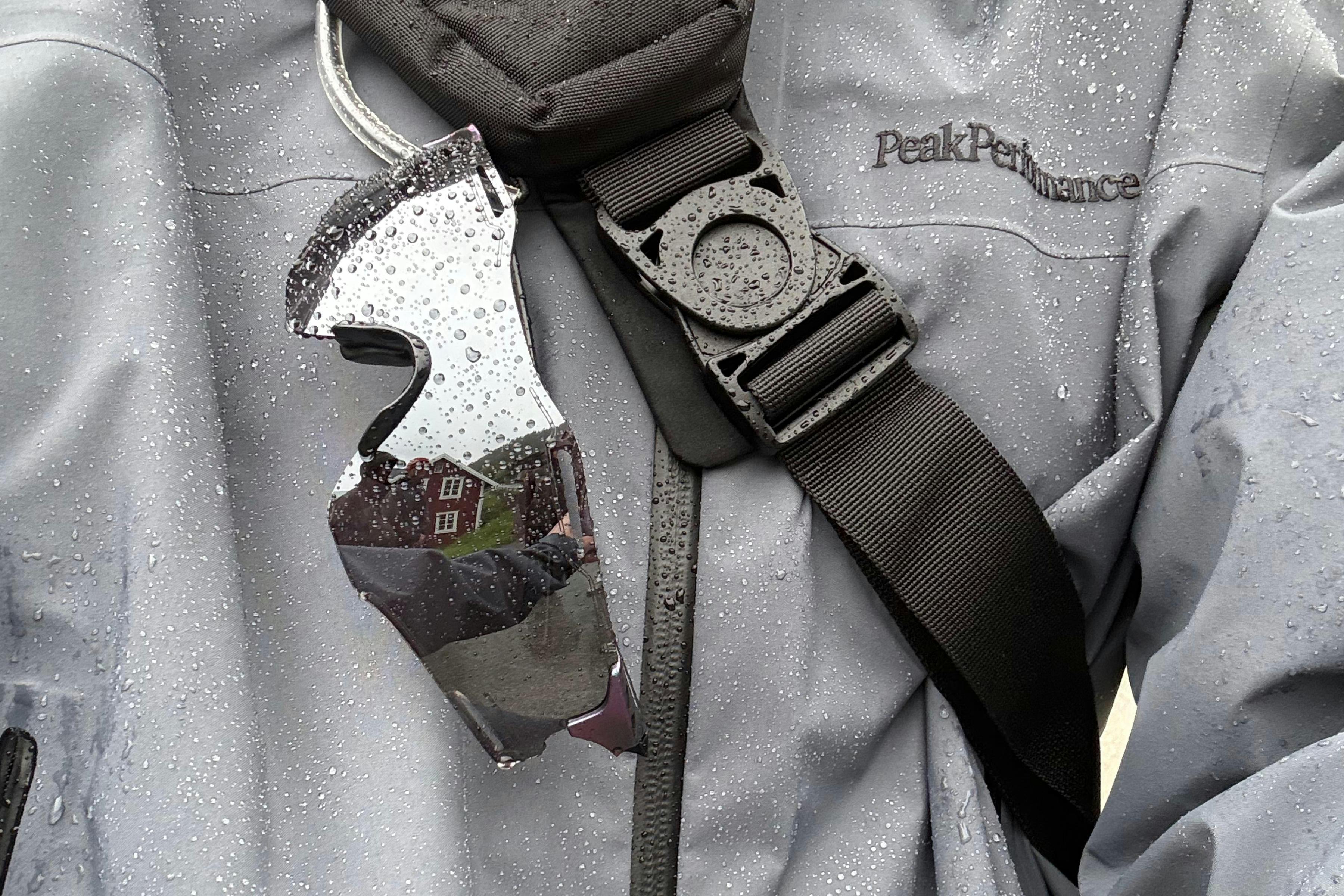
Forty Years, and Peak Performance Went Back to Ask the Mountain
A heritage brand's best argument isn't a campaign. It's the conditions it was built for.

Giannis Is Available. The Cap Isn't.
Boston wants the league's best player. The salary cap wants a word first.

Goats Built a Neural Network. Nobody Called Them Sentient.
A Microsoft researcher ran Age of Empires II livestock through a neural network architecture to make a point the AI industry keeps refusing to hear.