Coronado Didn't Simulate Chaos. It Just Let It In.
Loose manhole covers, a 25-car pileup, a drunk fan at the window — NASCAR's new street course in San Diego didn't promise disorder. It delivered it.

Photo · Latest Content - Autoweek
Street racing looks good on paper. Tight walls, civilian asphalt, the smell of exhaust somewhere between a taco stand and a naval base. The fantasy is Formula 1 in Monaco, but American, louder, less curated. What happened at Naval Base Coronado was something else entirely — and honestly, more interesting for it.
The O'Reilly Auto Parts race at Coronado's new street course didn't just have an incident. It had several, stacked on top of each other, across multiple disciplines of disorder. A loose manhole cover forced an early red flag. A 25-car pileup — not a fender-bender, twenty-five cars — stopped the race for 43 minutes while crews repaired a wall that had been introduced to the field all at once. And somewhere in the middle of all that, according to Autoweek's coverage, a fan climbed a fence, wandered over to Sheldon Creed's window during a red flag, had a little chat, and wandered back. One onlooker apparently assessed the situation with the phrase "I think he's wasted." Nobody seemed to stop him.
That last detail is the one that stays with me.
The Infrastructure of Instinct
Street courses are supposed to feel raw — that's their whole appeal. But there's a difference between aesthetic rawness and structural rawness, and Coronado delivered the latter in full. A manhole cover coming loose isn't atmosphere. It's a city street reminding you it wasn't built for this. The 43-minute red flag after the pileup wasn't drama. It was a crew with tools, doing triage on a wall that wasn't supposed to meet twenty-five cars simultaneously.
And yet. Layne Riggs won. He navigated crashes, sweated fuel strategy, absorbed late-race chaos, and came out the other side holding the result. That story exists inside the same afternoon as the fence-climbing fan and the manhole cover. Autoweek's coverage of Riggs's win reads almost like a different event from the same outlet's coverage of everything falling apart around him — which tells you something true about racing: the race and the spectacle are always running on parallel tracks, and sometimes the spectacle wins the crowd.
What Chaos Actually Costs
Here's the thing about controlled environments: they don't produce stories. They produce results. Coronado produced both, which is rarer than NASCAR's marketing department probably planned for and more valuable than they might admit.
The 25-car pileup wasn't a failure of safety — the wall got repaired, the race resumed. The drunk fan wasn't a security crisis — he left. The manhole cover didn't end anyone's day permanently. What all three moments share is that they were unscripted, which in a sport that runs on choreographed danger is almost transgressive. Real street courses have real streets. Real streets have covers that come loose. Real crowds have people who decide, at some point during a 43-minute red flag, that they'd like to go say hello to a driver.
Racing has always sold the idea that it's barely under control. Coronado just stopped pretending to manage the gap between the idea and the reality.
Layne Riggs drove through all of it and won. That's the result. But the fan at Sheldon Creed's window — that's the story they'll still be telling.
Keep reading cars.
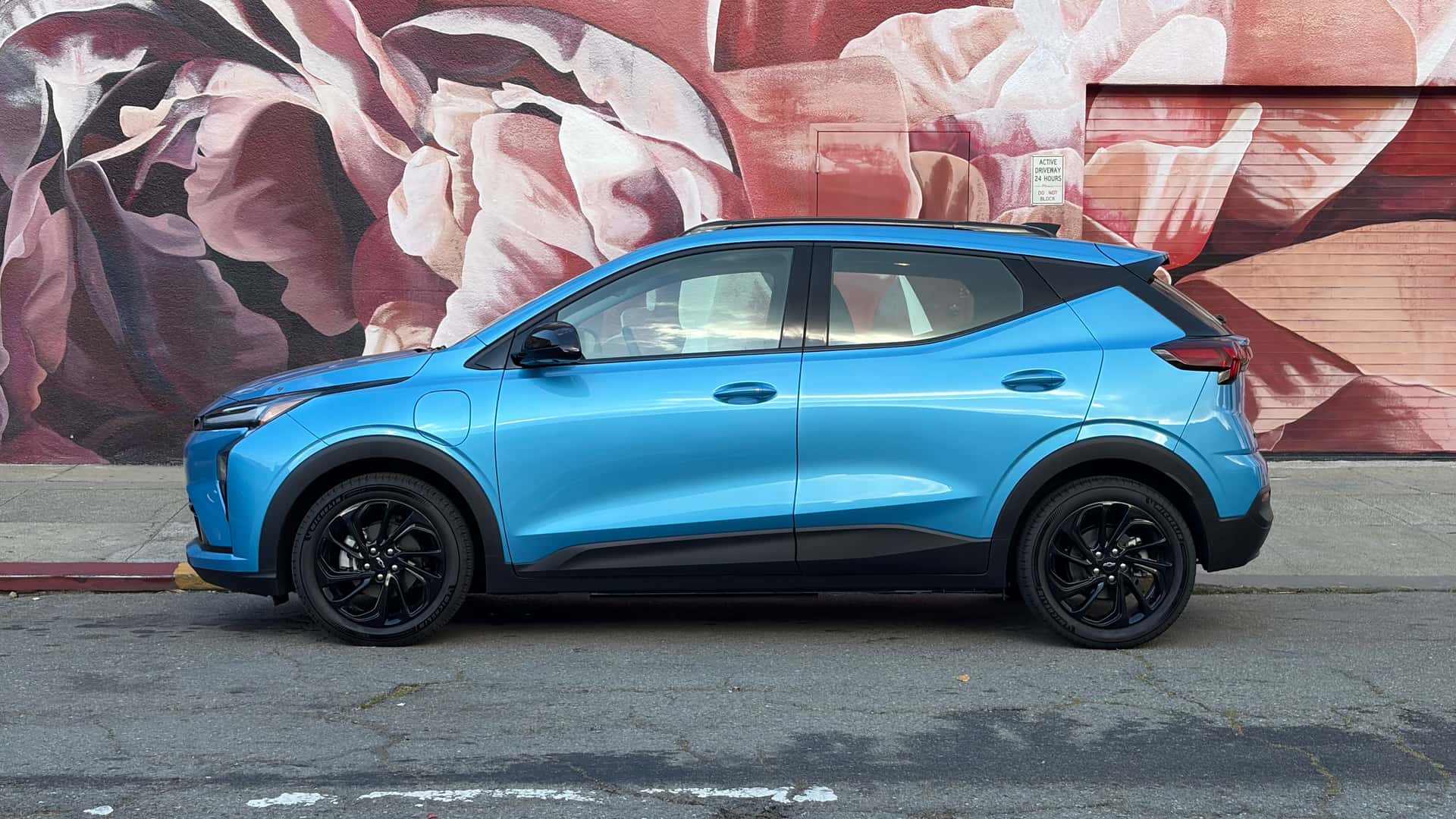
Run It to Zero and See Who Blinks
A writer pushed the 2026 Chevy Bolt until the battery died. What they found says more about trust than range.
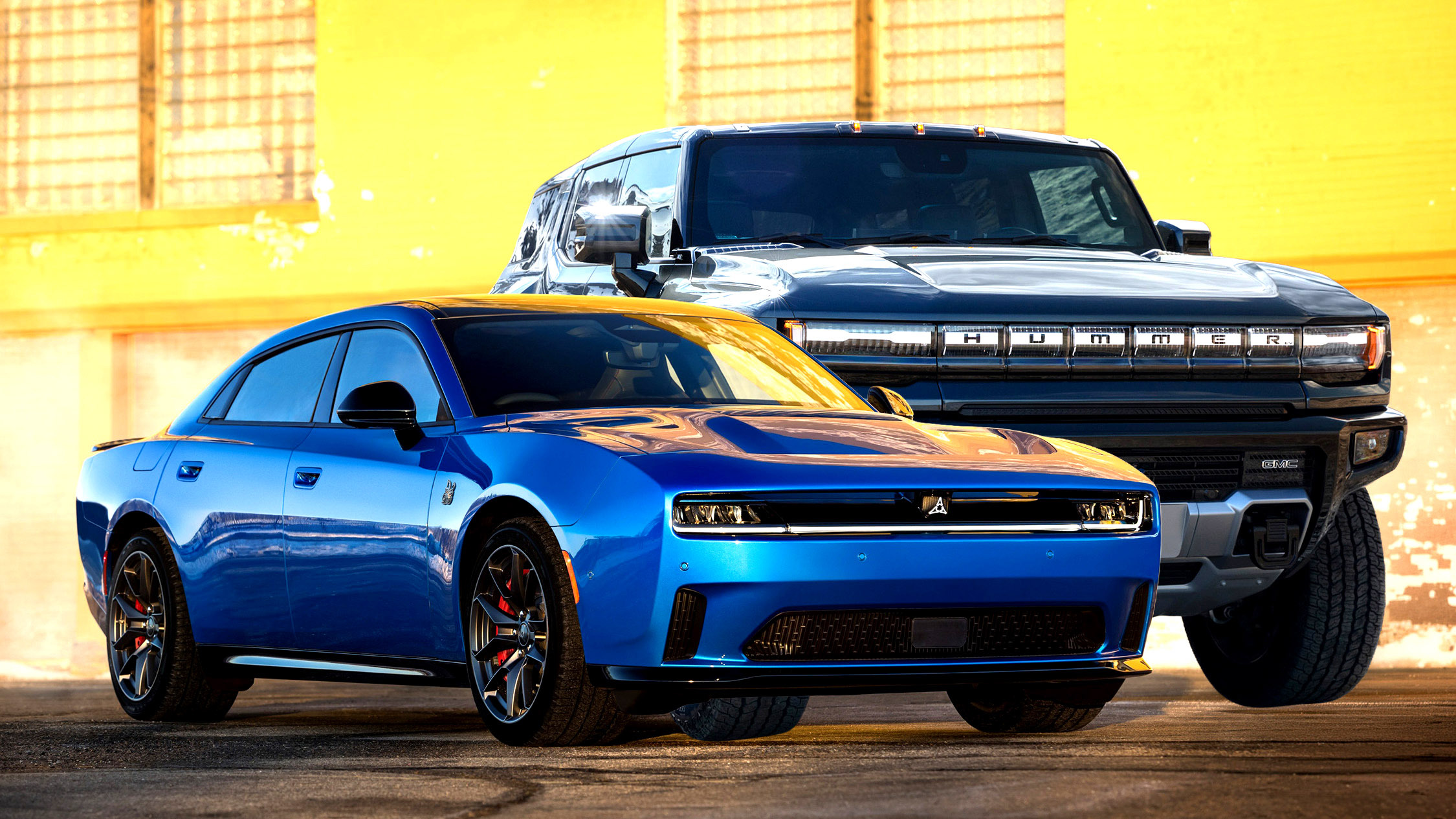
The Truck Costs $100K. The Restraint Cost Nothing. Guess Which One They Skipped.
New insurance data puts the most expensive EVs at the top of the worst-behavior charts — and it says something uncomfortable about what performance ownership has become.
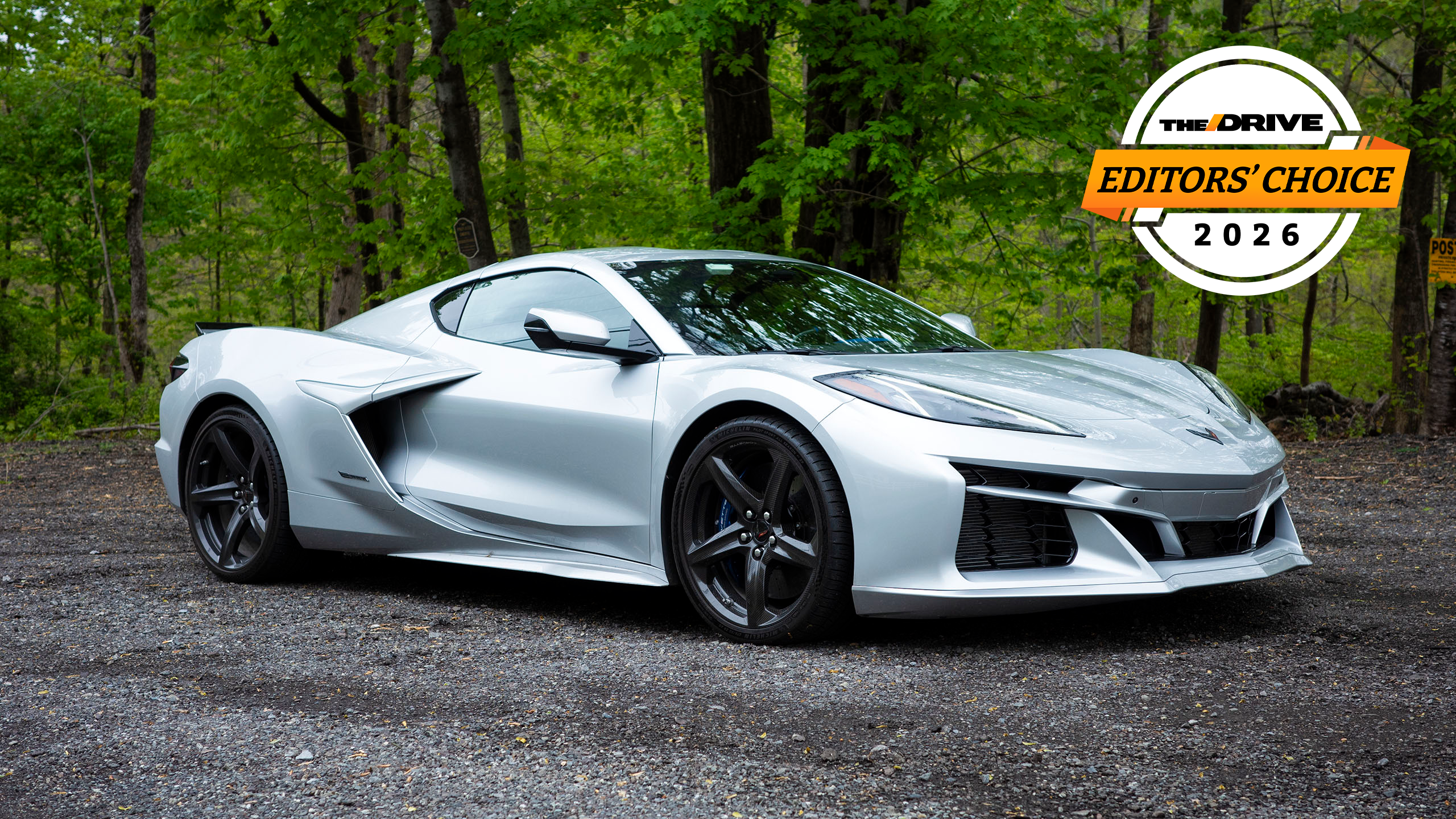
Corvette Didn't Ask Bugatti's Opinion
At 1.8 seconds to 60, the E-Ray era is making seven-figure supercars look like a lifestyle choice.
From the other desks.
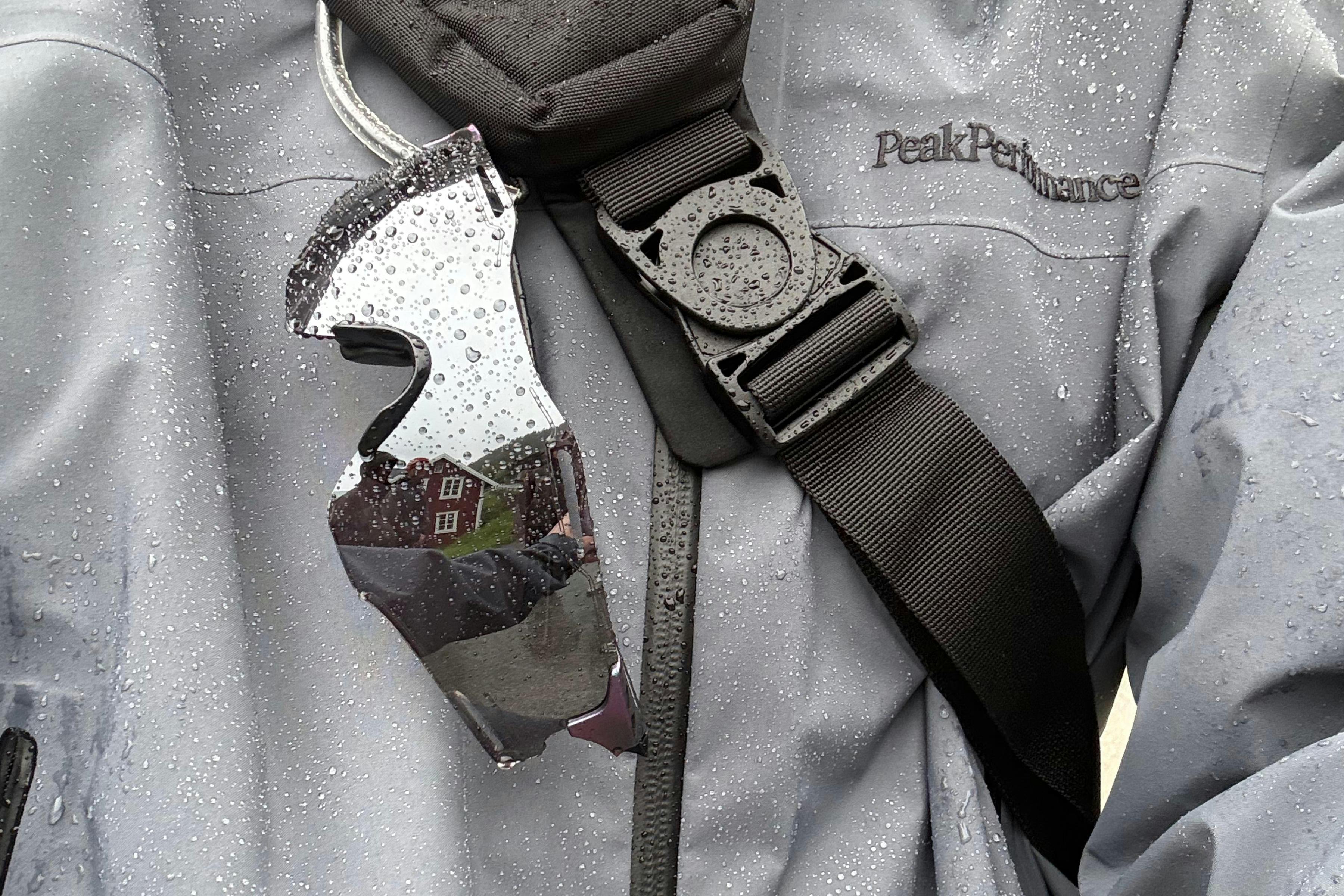
Forty Years, and Peak Performance Went Back to Ask the Mountain
A heritage brand's best argument isn't a campaign. It's the conditions it was built for.

Giannis Is Available. The Cap Isn't.
Boston wants the league's best player. The salary cap wants a word first.

Goats Built a Neural Network. Nobody Called Them Sentient.
A Microsoft researcher ran Age of Empires II livestock through a neural network architecture to make a point the AI industry keeps refusing to hear.