The Truck Costs $100K. The Restraint Cost Nothing. Guess Which One They Skipped.
New insurance data puts the most expensive EVs at the top of the worst-behavior charts — and it says something uncomfortable about what performance ownership has become.
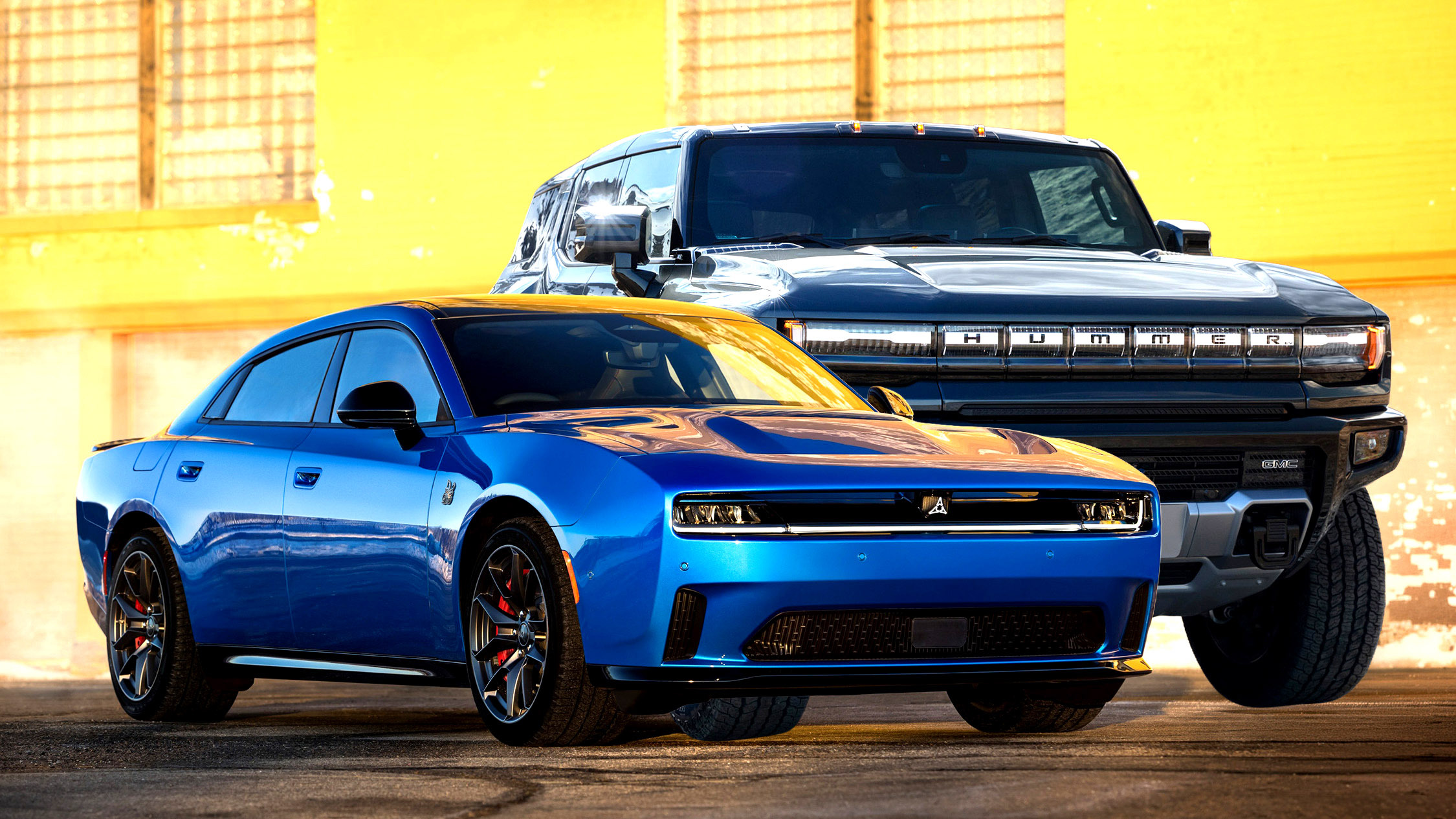
Photo · Carscoops
Power Without Consequences Is Still a Fantasy
Somewhere between the press release and the driveway, the message got scrambled. The Hummer EV was sold as a statement — not just a truck, a reclamation, proof that electrification didn't have to mean compromise. The Dodge Charger Daytona came loaded with the same energy: muscle car mythology repackaged for a new era. Buy one of these and you're not just buying transportation, you're buying an identity.
Insurify's data, surfaced recently by Carscoops, suggests that identity has a speeding ticket attached to it.
According to the data, Charger Daytona and Hummer EV owners rank among the most likely EV drivers to accumulate moving violations, get flagged for DUI incidents, and appear in accident reports. These aren't budget compromises. These are the flagship statements — the trucks and muscle cars that cost as much as a house down payment in some cities. And yet, by the numbers, their owners are driving like the rules were written for someone else.
That's not a coincidence. That's a culture.
When the Machine Becomes the Permission Slip
There's a version of performance ownership that's about discipline — about understanding what a car can do, and choosing not to use all of it, most of the time. Track days exist for a reason. The restraint is part of the respect.
What the Insurify data hints at is something different: ownership as entitlement. When you've spent six figures on a vehicle specifically marketed around its ability to dominate — zero to sixty in a blink, a face designed to intimidate, a name that once meant something raw and American — the psychological contract you sign isn't necessarily about responsibility. It's about arrival. You bought the power. The power is yours to use.
The Hummer EV isn't a subtle machine. Neither is the Charger Daytona. These weren't designed to encourage patience. They were designed to make a person feel like the road was built for them. That's a reasonable thing to sell. It becomes a problem when buyers take the metaphor literally.
What makes the Carscoops piece worth sitting with isn't the ranking itself — it's what the writer flags in the headline. A cheap Kia apparently makes an appearance in this data too, and in a way that complicates any easy class narrative. This isn't purely about expensive cars breeding bad behavior. But the expensive EVs being at the top of the chart does say something specific: performance marketing is working exactly as intended, and the consequences are showing up in insurance databases.
There's a credibility problem forming here. The EV transition has spent years trying to shake off the image of the sensible, self-congratulatory commuter car. The Hummer EV and the Charger Daytona were deliberate swings at that — proof that electric drivetrains could carry genuine menace. They succeeded. What they apparently couldn't guarantee was that the person behind the wheel would treat the menace as something to be earned rather than assumed.
Speed and power have always attracted a certain type. That's not new, and it's not unique to EVs. But when the machines being discussed are positioned as the future of American driving culture — when the industry is watching to see if muscle and trucks can survive electrification — the behavior of their earliest, most committed buyers matters more than usual.
Owning the fastest thing in the room has never been a substitute for knowing when to sit still.
Keep reading cars.
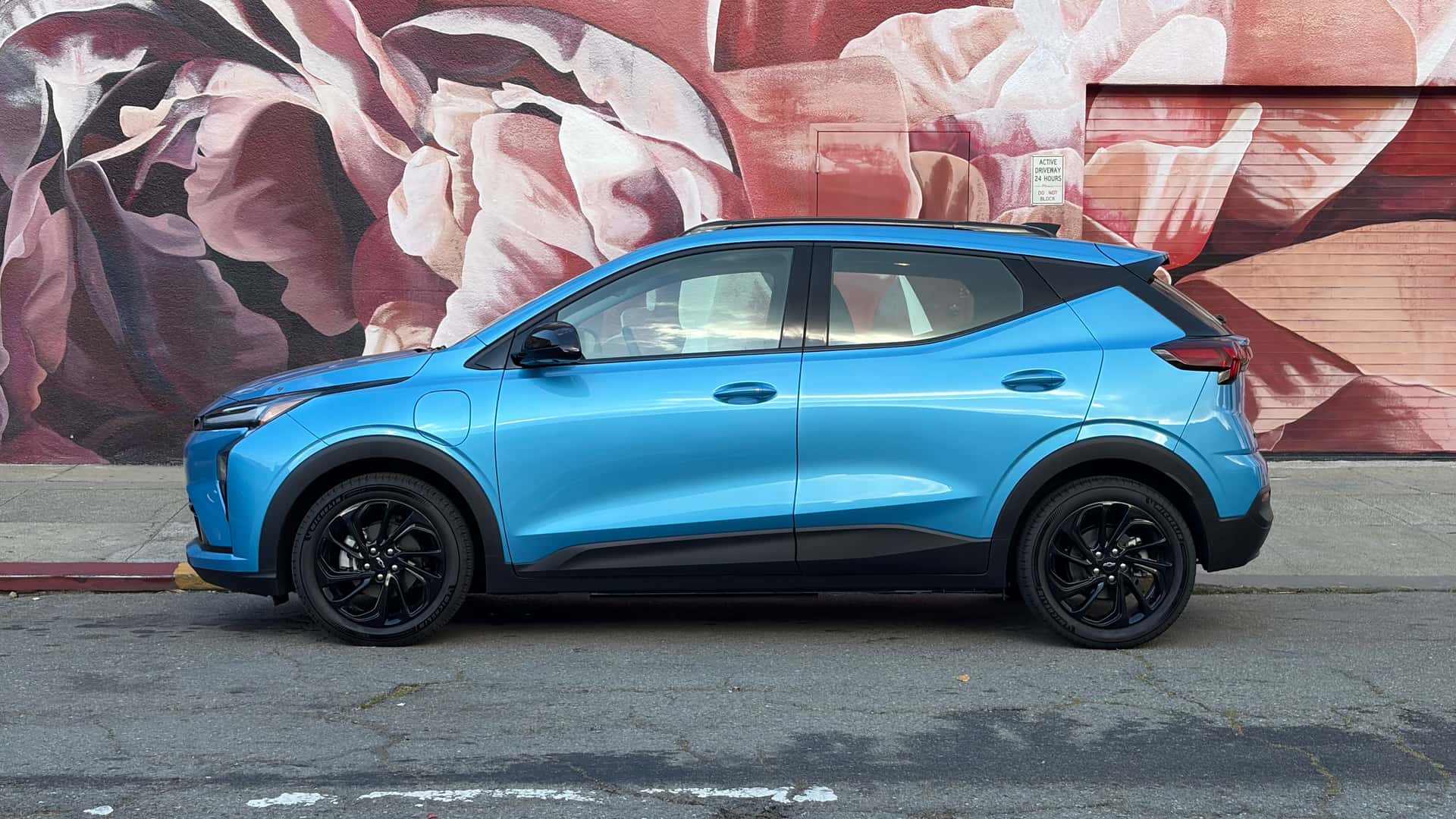
Run It to Zero and See Who Blinks
A writer pushed the 2026 Chevy Bolt until the battery died. What they found says more about trust than range.

Coronado Didn't Simulate Chaos. It Just Let It In.
Loose manhole covers, a 25-car pileup, a drunk fan at the window — NASCAR's new street course in San Diego didn't promise disorder. It delivered it.
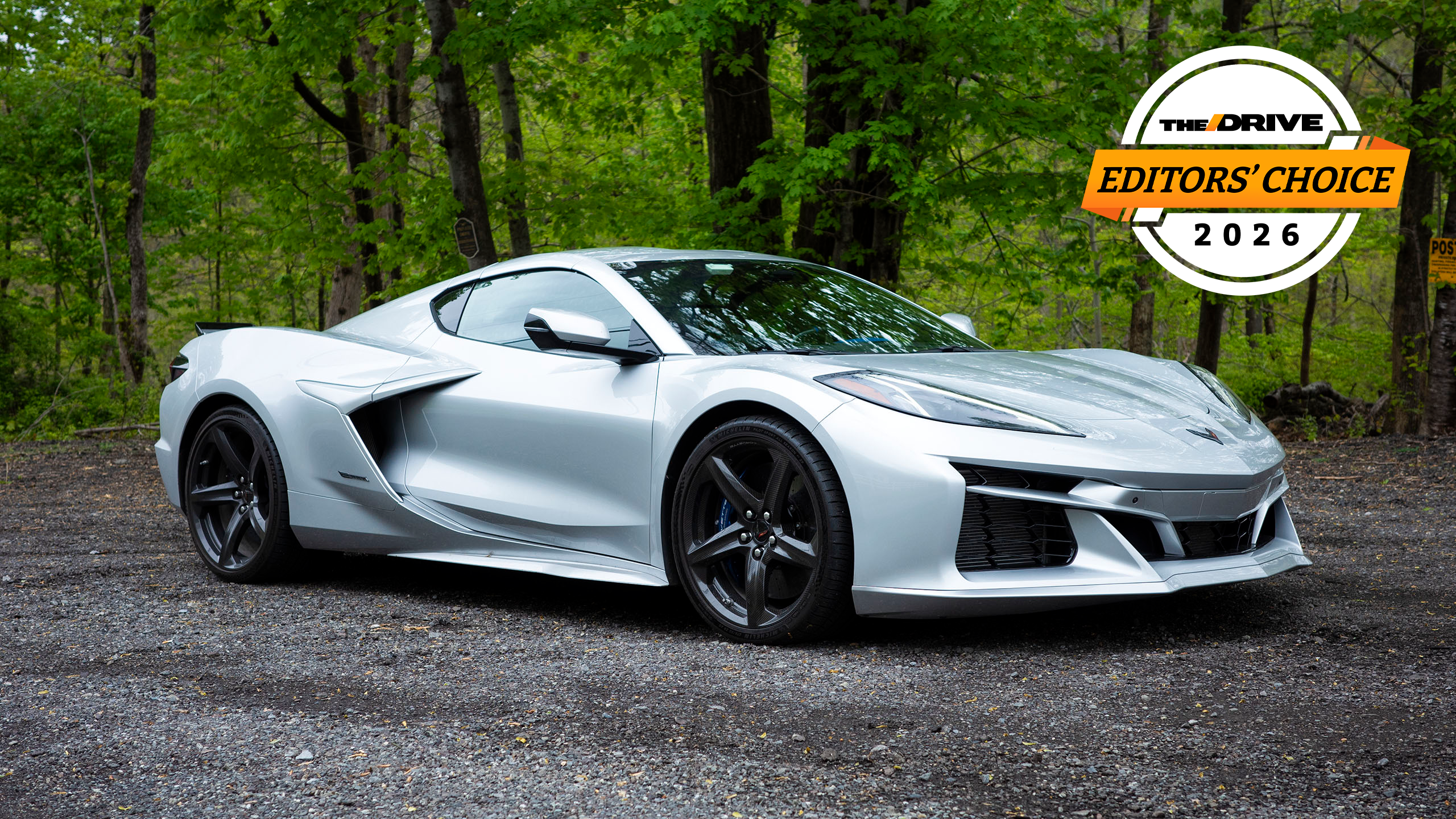
Corvette Didn't Ask Bugatti's Opinion
At 1.8 seconds to 60, the E-Ray era is making seven-figure supercars look like a lifestyle choice.
From the other desks.
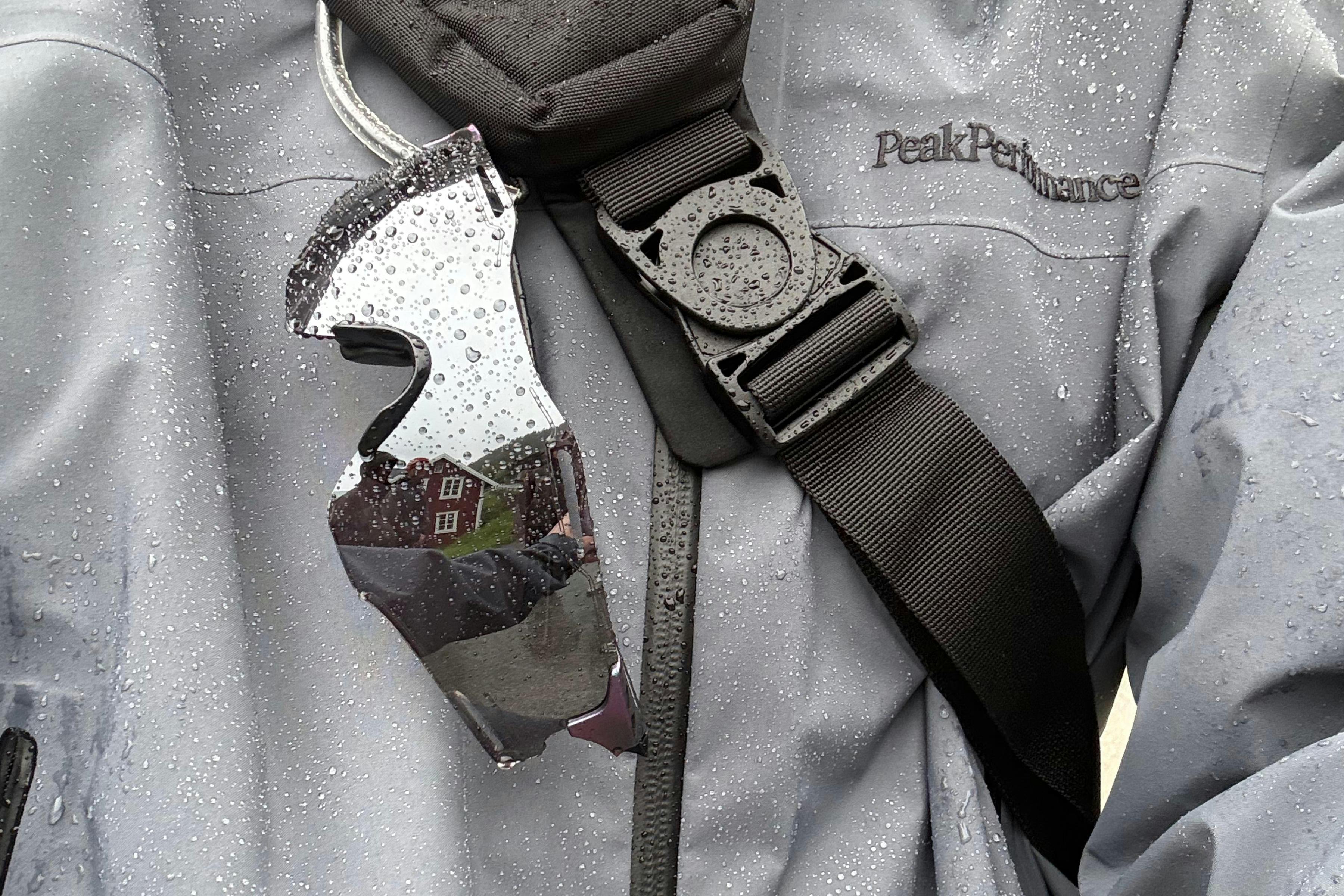
Forty Years, and Peak Performance Went Back to Ask the Mountain
A heritage brand's best argument isn't a campaign. It's the conditions it was built for.

Giannis Is Available. The Cap Isn't.
Boston wants the league's best player. The salary cap wants a word first.

Goats Built a Neural Network. Nobody Called Them Sentient.
A Microsoft researcher ran Age of Empires II livestock through a neural network architecture to make a point the AI industry keeps refusing to hear.