A Hundred Years Underwater, and Rolex Is Still Holding Its Breath
The Oyster centennial is everywhere — Shanghai, Hodinkee, the cultural conversation — and none of it is asking the uncomfortable question.
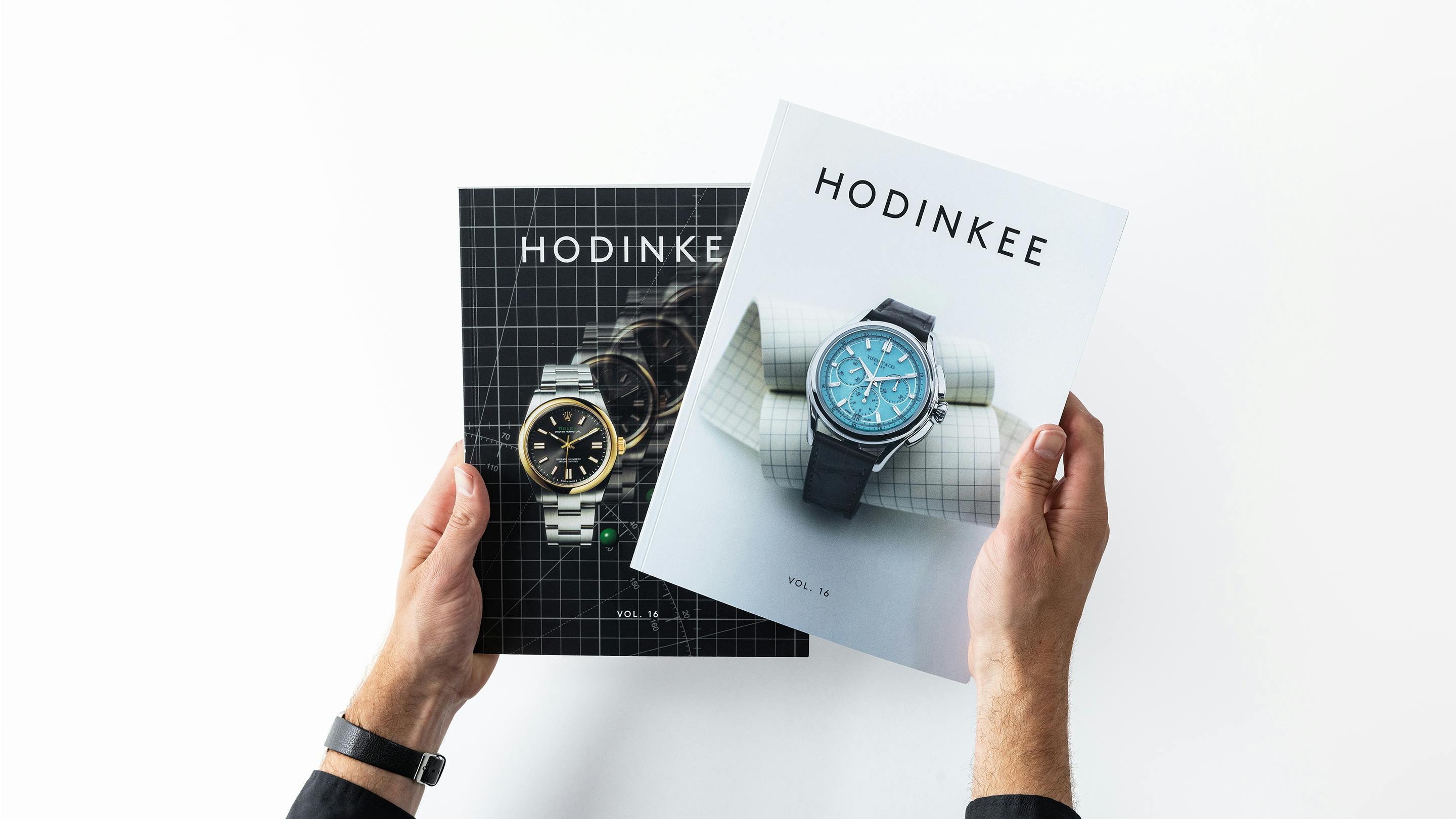
Photo · Hodinkee
There's a particular kind of confidence that doesn't need to announce itself. It builds an immersive exhibition in Shanghai, fills a magazine's most ambitious issue, and lets the century do the talking. Rolex has that confidence. What it doesn't have, at least not on display right now, is any urgency to prove what comes next.
The Oyster case turns one hundred this year. Rolex marked the occasion with Oyster Story, an exhibition that ran at the West Bund Dome Art Center in Shanghai through late June — immersive, all-encompassing, the kind of production that signals this isn't a footnote anniversary but a full-throated statement. Hodinkee devoted a substantial portion of their sixteenth magazine volume to the milestone, calling it their most ambitious Reference Points yet. Revolution Watch covered the Shanghai event as well. The coverage is sincere. The reverence is earned. And somewhere in the middle of all of it, a quieter question goes unasked.
The Foundation Is Real
Nothing about the Oyster's significance is manufactured. A water-resistant watch case, a hundred years ago, was not a refinement — it was a category. It made watches wearable in the actual world rather than just readable in a drawing room. That's a real thing. The kind of thing you build a brand on, and Rolex did exactly that, becoming, by most measures, the largest watch brand in the world. The foundation is load-bearing in every sense.
But foundations are by definition what you stand on, not what you're reaching toward. And what strikes me about the wall-to-wall centennial coverage — across Shanghai, across print, across the enthusiast press — is how uniformly backward-facing it all is. The exhibition celebrates the history of the case. The magazine dives deep into the Oyster Perpetual's lineage. The tone everywhere is archival. Commemorative. Which is exactly the tone you'd expect, and also exactly the tone that lets a brand avoid any harder conversation about what a second century looks like.
What a Museum Exhibit Doesn't Say
Hodinkee's volume also profiles an independent watchmaker — Rexhep Rexhepi, whose work represents something genuinely different from the institutional scale of a brand like Rolex. That pairing, intentional or not, is the most interesting editorial decision in the issue. Because what independent watchmakers embody right now is the thing that large watch brands, by necessity, cannot: the willingness to build something strange, something without guaranteed market approval, something that doesn't already have a hundred years of proof behind it.
Rolex doesn't need to take that risk. It has earned the right not to. But there's a cost to certainty at that scale, and it's worth naming — not as criticism exactly, but as observation. When the most important watch case ever made turns one hundred and the response is an immersive exhibition looking back at what it did, you're watching a brand that has decided legacy is the product. That's a coherent strategy. It's also a different thing than innovation.
The watch world celebrates the Oyster the way architecture celebrates load-bearing walls — with gratitude, with respect, and with the quiet understanding that nobody's tearing it down to find out what else it could have been.
A century is worth honoring. Just don't mistake the ceremony for momentum.
Keep reading fashion.
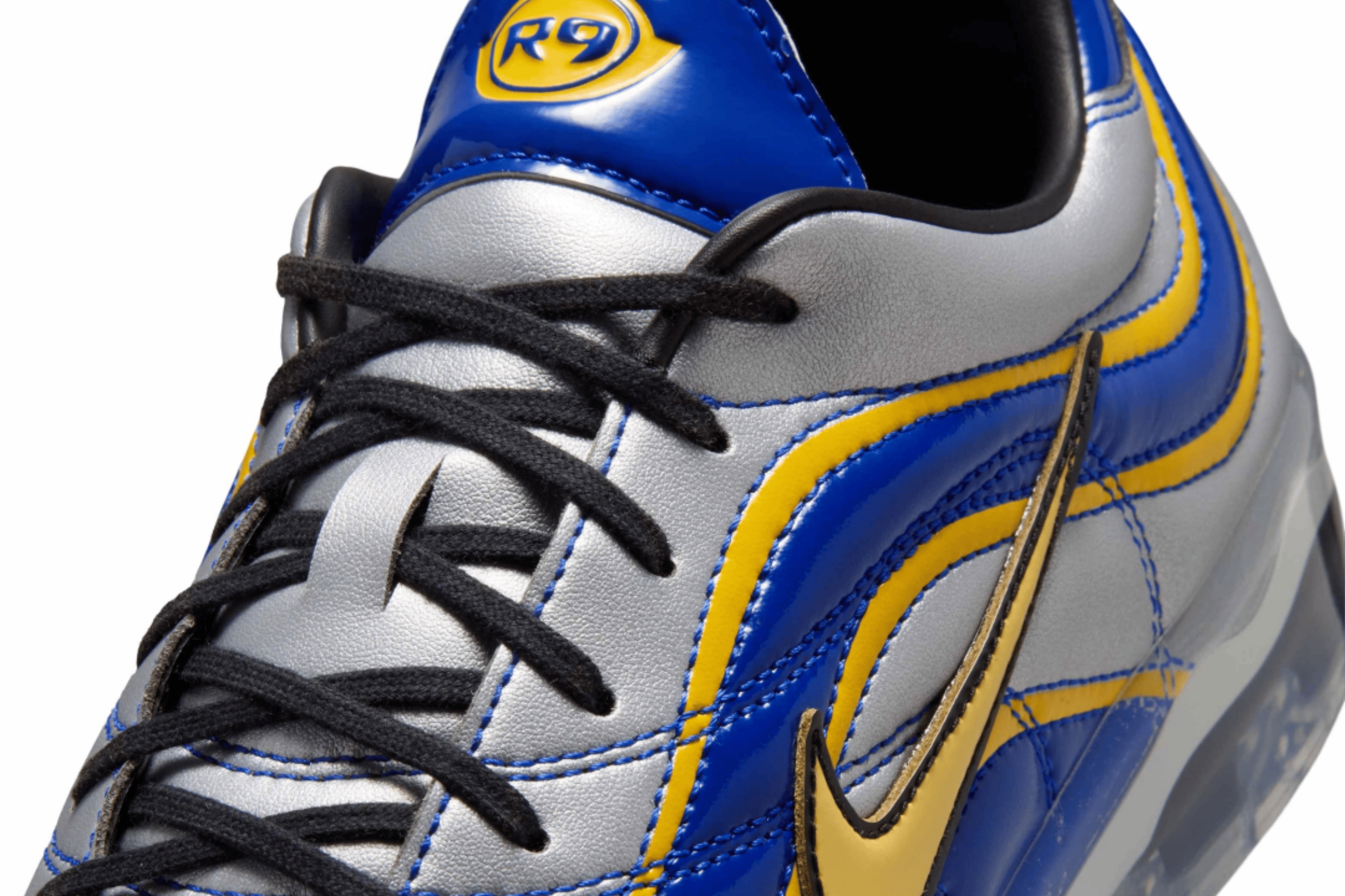
Cleats Were Never Just for the Pitch
Nike's soccer-to-street pivot isn't a trend. It's an admission that function earned the right to be beautiful all along.
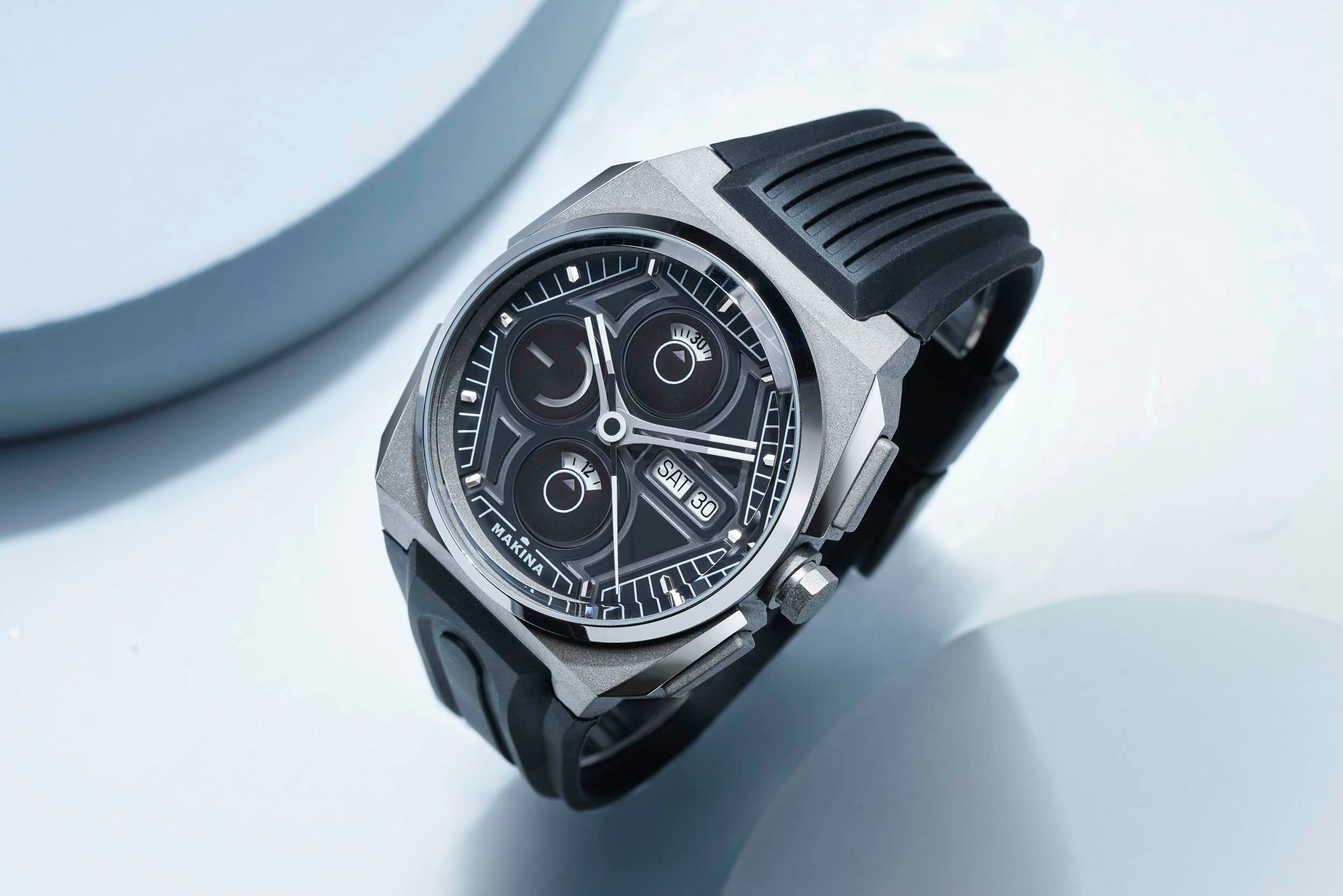
Brutalism Found a Price Point. Makina Is the Proof.
A Philippine microbrand's $1,850 chronograph isn't chasing Swiss legitimacy — it's making the case that design authority was never theirs to grant.

MB&F Made a $280,000 Watch. The Robot Holding It Is the Real Argument.
When the stand weighs 15 kilograms and stands nearly 400 millimeters tall, you're not buying a timepiece anymore.
From the other desks.

GM Stopped Waiting for the Perfect Battery and Started Selling the Grid
When a carmaker bets on sodium-ion cells that will never touch a vehicle, the EV transition has quietly moved somewhere else entirely.
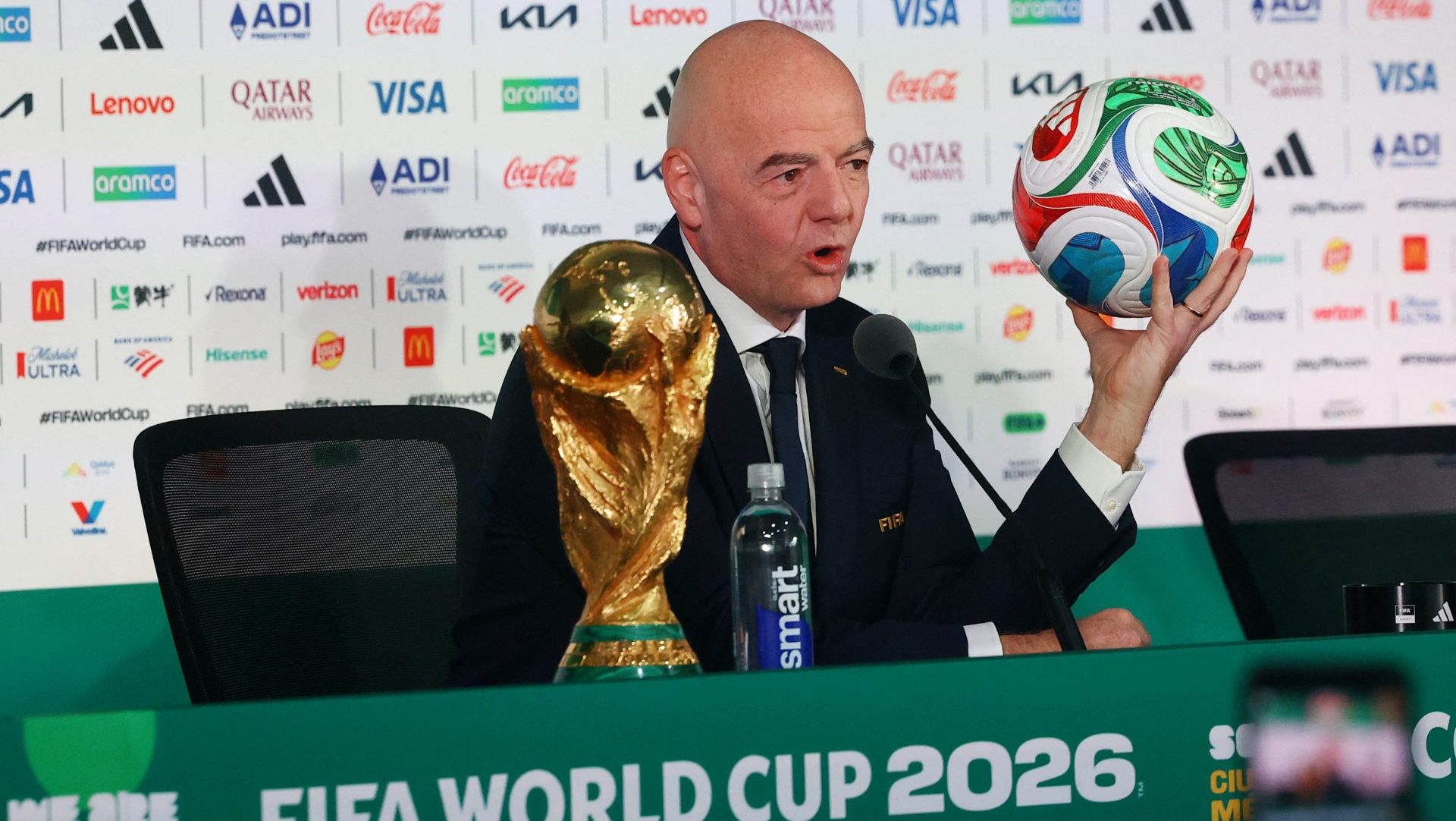
Gianni Infantino Told Reporters to Chill. That's the Whole Defense.
When the FIFA president's best argument on ticket prices is that North America agrees with him, something has already broken.

Deezer Built a Flashlight and Pointed It at Everyone Else's Mess
When a streaming platform launches a free tool to expose AI-generated music on its competitors, that's not altruism — it's a confession.