GM Stopped Waiting for the Perfect Battery and Started Selling the Grid
When a carmaker bets on sodium-ion cells that will never touch a vehicle, the EV transition has quietly moved somewhere else entirely.

Photo · Latest Content - Autoweek
There's a version of the EV story that ends with a better cell — lighter, cheaper, faster to charge, finally good enough that everyone buys in. The industry has been telling that version for years. GM just told a different one.
The company has partnered with Peak Energy to develop sodium-ion battery cells, and GM Ventures is putting money behind it. But here's the thing that cuts through all the press-release language: those cells aren't going into cars. They're going into grid-scale energy storage. GM isn't chasing a vehicle breakthrough. It's building infrastructure.
That's a different business. And it suggests GM has stopped believing that the bottleneck is the battery in your car.
The Chemistry Matters Less Than the Decision
Sodium-ion has real advantages for stationary storage — the materials don't carry the same supply-chain weight that lithium does, and at grid scale, energy density matters less than cost and cycle life. Autoweek noted that GM's push here is part of a broader expansion into energy management tools and bidirectional charging, a posture that looks less like an automaker and more like a utility company learning to hustle.
Electrek flagged the same underlying logic: the Peak Energy partnership is explicitly about grid-scale projects, not vehicle cells. That's a deliberate choice. You don't accidentally develop an entire battery chemistry for a market you weren't targeting.
What both outlets circled without quite landing on is what this reveals about the transition itself. The cars were never the hard part. Getting electrons to the cars — reliably, affordably, at scale — that's where the whole project either holds or falls apart. GM seems to have done the math.
From Product to Platform
There's something almost counterintuitive about a car company deciding the smarter play is the wall outlet rather than the vehicle plugged into it. But if you've watched how the software industry evolved — from selling boxes to selling the infrastructure those boxes run on — this move has a familiar shape.
GM is expanding into energy-management tools and positioning bidirectional charging not as a feature but as a service layer. Your car becomes a node. The grid becomes the product. The company collecting the margin is the one who built the pipes.
This isn't altruism about clean energy. It's a company reading which direction the money flows when millions of EVs are sitting in driveways with large, charged batteries and nowhere useful to send the power. Grid storage is the answer to a question the auto industry created.
The sodium-ion bet is interesting chemistry. But the real tell is that GM made it at all — that the decision was made to invest in cells that will never move a single mile, because the transition they're actually managing isn't about cars anymore.
The vehicle was the opening act. The grid is the show.
Keep reading cars.

Stuttgart Picked a Side, and It Wasn't the Narrative
Porsche's CEO just closed the door on an electric 911 — and the conviction behind that call says more than the decision itself.
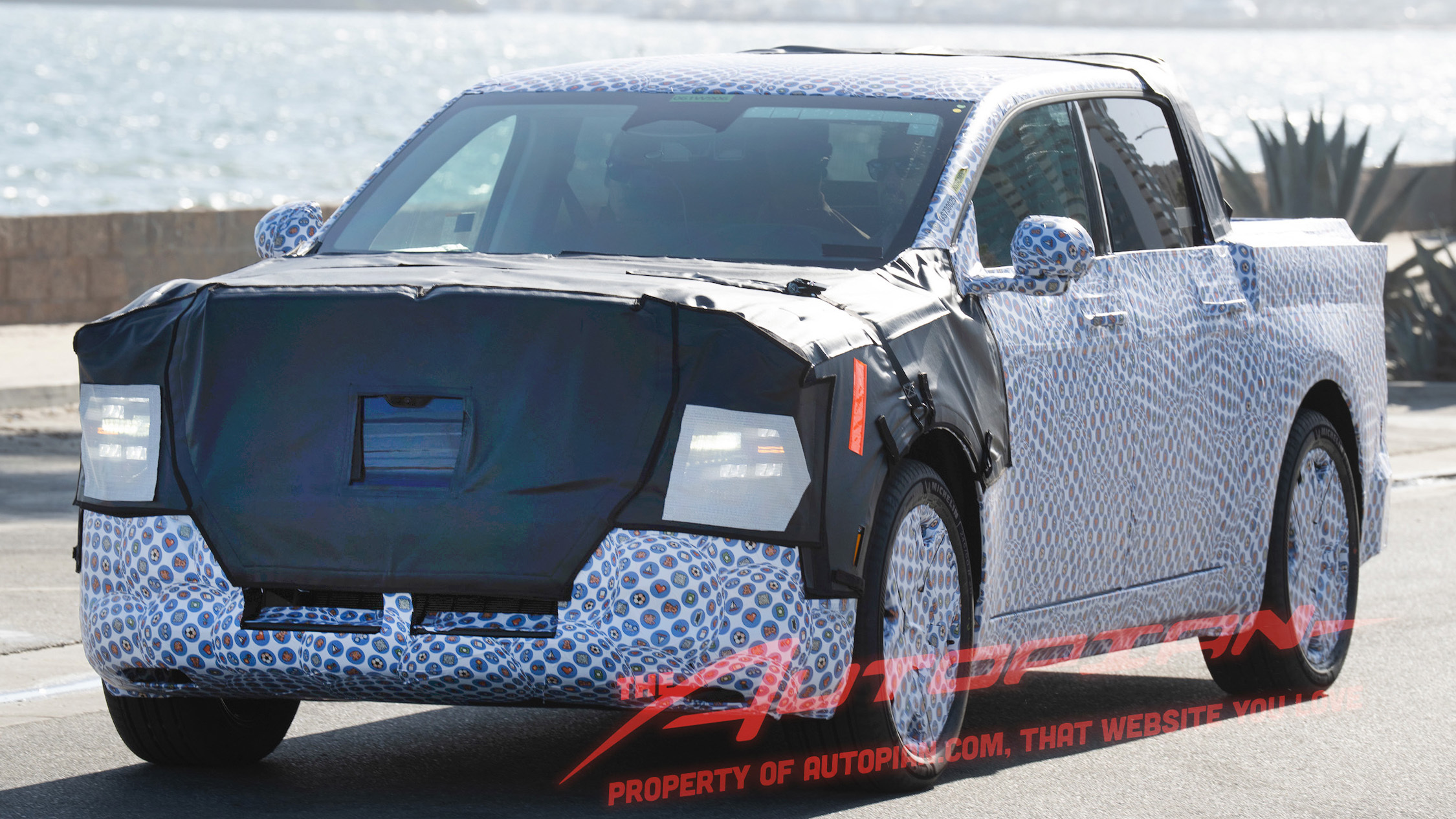
Ford Built Something Small Enough to Matter
A camouflaged prototype smaller than a Maverick might be the most important truck Ford has shown in years.
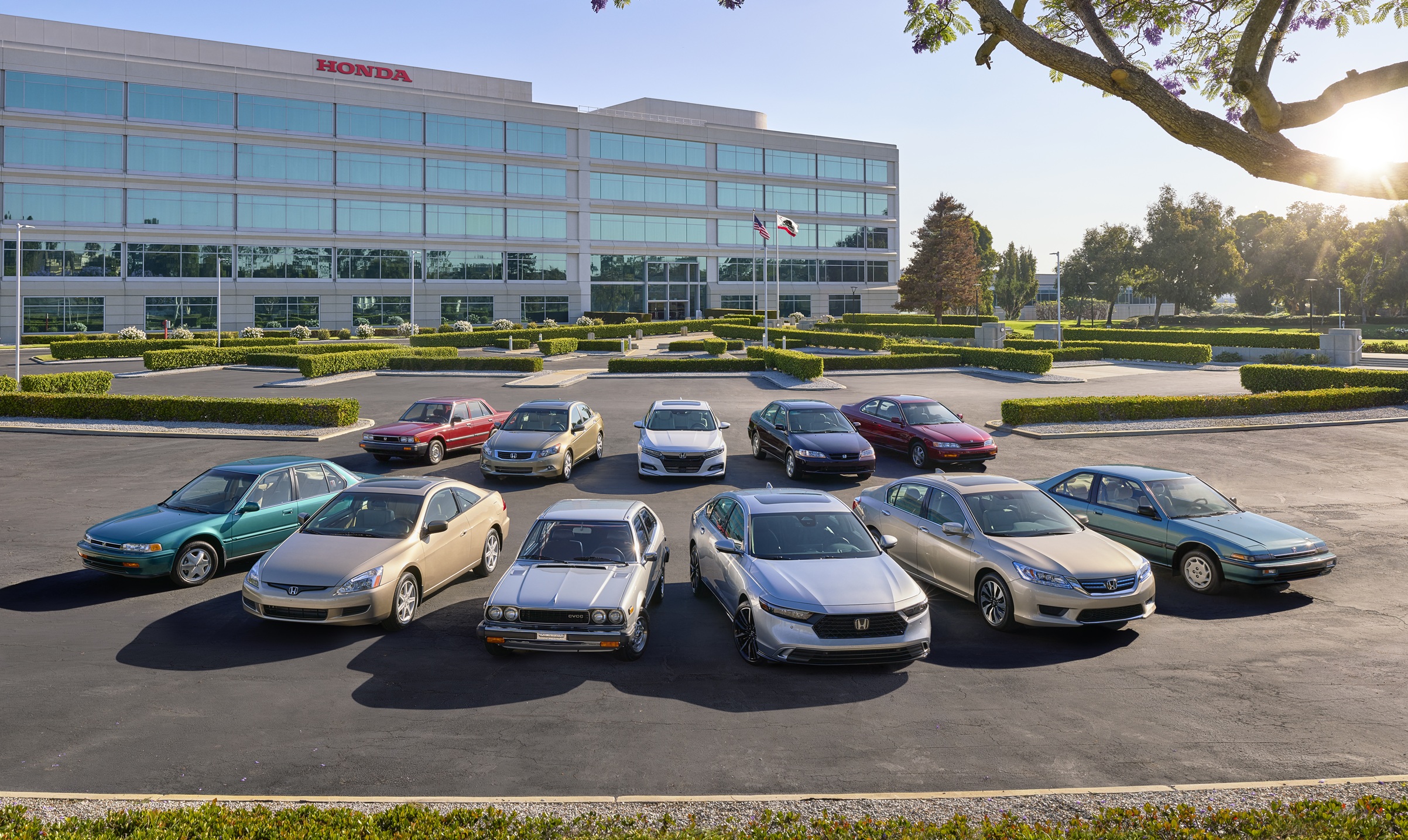
Fifty Years of Not Trying to Impress You
Honda just gave the Accord a birthday makeover — and the car's whole history argues that was never the strategy.
From the other desks.

A Hundred Years Underwater, and Rolex Is Still Holding Its Breath
The Oyster centennial is everywhere — Shanghai, Hodinkee, the cultural conversation — and none of it is asking the uncomfortable question.

Gianni Infantino Told Reporters to Chill. That's the Whole Defense.
When the FIFA president's best argument on ticket prices is that North America agrees with him, something has already broken.
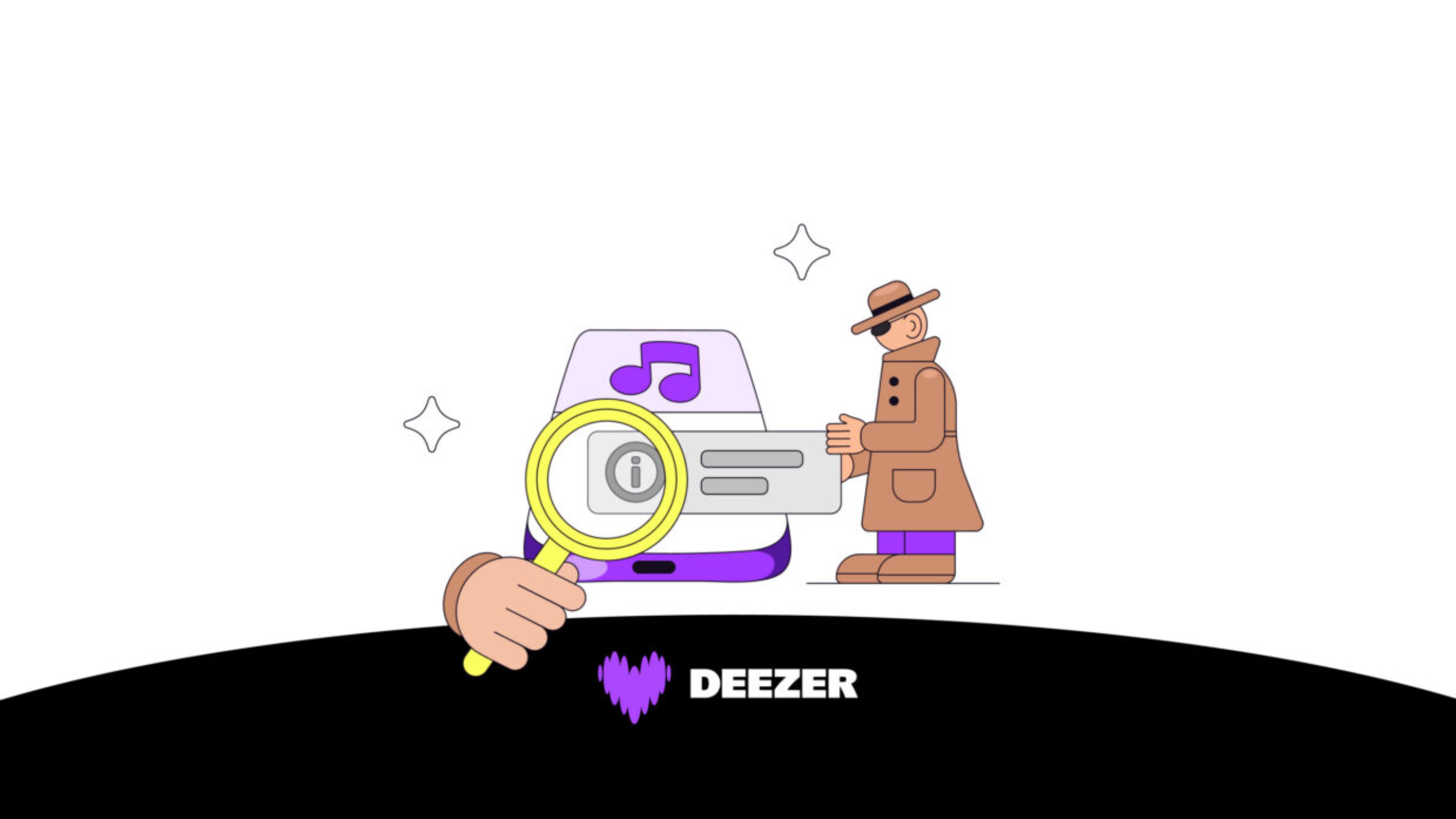
Deezer Built a Flashlight and Pointed It at Everyone Else's Mess
When a streaming platform launches a free tool to expose AI-generated music on its competitors, that's not altruism — it's a confession.