Stuttgart Picked a Side, and It Wasn't the Narrative
Porsche's CEO just closed the door on an electric 911 — and the conviction behind that call says more than the decision itself.
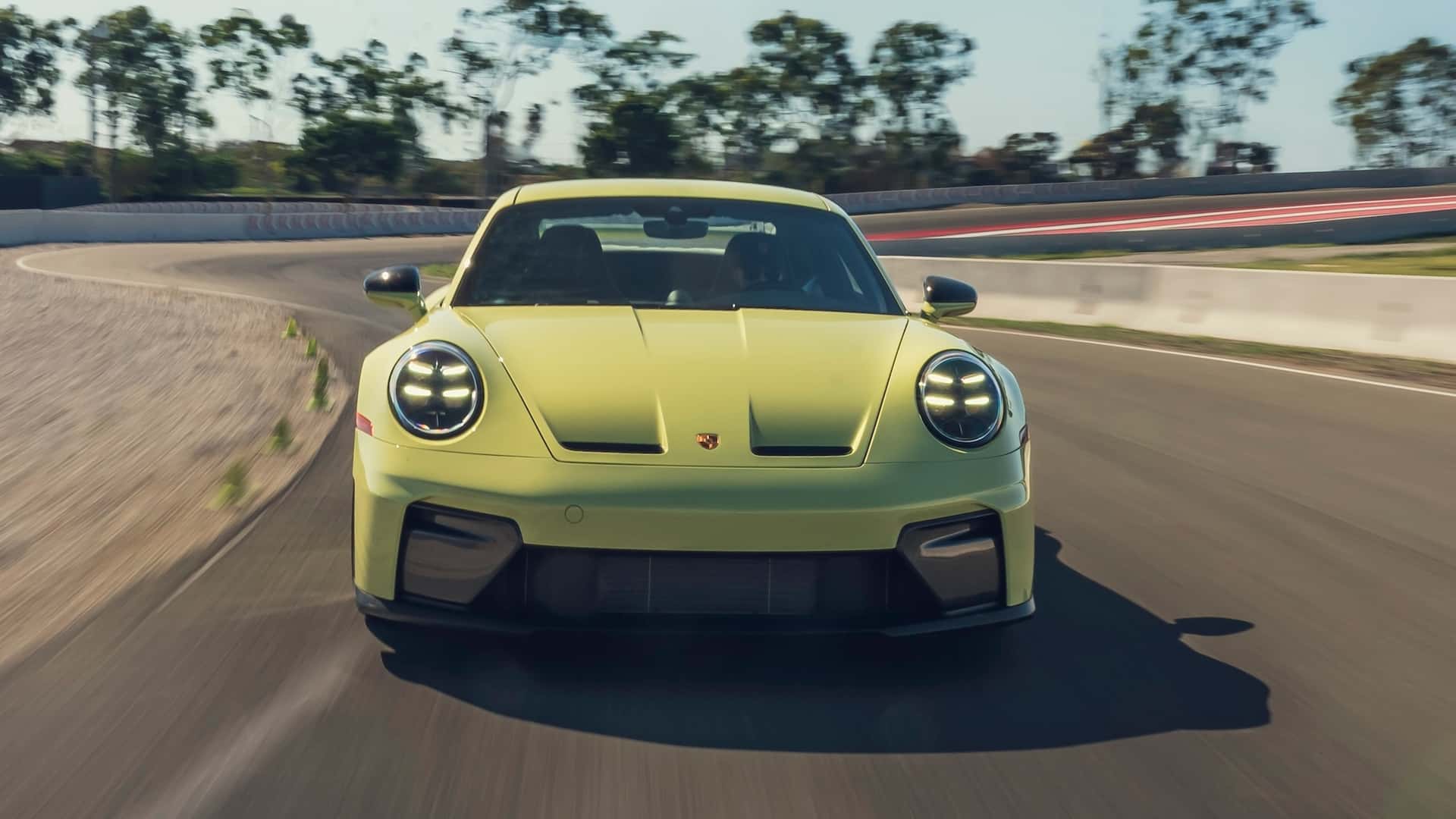
Photo · Motor1.com - Articles
There's a version of this story where Porsche announces an electric 911, the internet applauds the courage of the transition, and we all move on. That version isn't happening.
Two separate outlets — Motor1 and Robb Report — have now reported the same thing from the same source: Porsche's CEO has said, plainly, that an electric 911 is not coming. Combustion and hybrid power will carry the car forward. That's the decision. What interests me is what it costs them to make it, and what it means that they made it anyway.
The Conviction Underneath the Headline
Every major automaker is navigating some version of the same pressure right now — electrify the icons, future-proof the lineup, demonstrate commitment to the shift. Most of them are doing it. Porsche is investing in EVs, both sources confirm that. The Taycan exists. The company isn't in denial about where the broader industry is heading. But when it came to the 911 specifically, the CEO drew a line. Not a reluctant one. A clear one.
That's worth sitting with. Because the 911 is not just any car — it's the car that defines what Porsche believes a sports car should feel like. When Stuttgart says the 911 stays combustion, they're not making a concession to nostalgia. They're making an argument. They're saying the flat-six, the rear-engine weight, the particular way that car breathes and revs and communicates through the wheel — that these things are not incidental to the experience. They are the experience. You cannot replicate them with a different powertrain and call it the same car.
I find that argument persuasive. Not because I'm allergic to electric performance — I've seen what that hardware can do in a straight line. But a 911 has never been about the straight line. It's about the conversation between driver and machine, the way it asks something of you, the slight menace that lives in the rear axle. Strip the engine out and you've quieted the most important voice in that conversation.
What They're Actually Betting On
Here's the meta-observation that both pieces gesture toward without fully saying: Porsche is betting that engineering conviction still matters more than narrative alignment. Every other brand in this space is under pressure to tell a clean story — committed to electrification, pointed toward a zero-emissions future, consistent across the portfolio. Porsche is choosing inconsistency, on purpose. They'll electrify where it makes sense and refuse to where it doesn't.
That's not a comfortable position to hold in public. It invites criticism from people who see any combustion commitment as retrograde. But it's an honest position, and honesty in product development tends to produce better products than messaging does.
The 911 has survived every decade it's existed by refusing to become something it wasn't. New technology, yes. Wider, faster, more capable, always. But the essential character — rear-engined, driver-focused, slightly demanding — has held. The decision to keep combustion is just the latest version of that same refusal.
Some brands confuse reinvention with progress. Porsche has apparently decided those are different things.
The engine stays. Good.
Keep reading cars.

GM Stopped Waiting for the Perfect Battery and Started Selling the Grid
When a carmaker bets on sodium-ion cells that will never touch a vehicle, the EV transition has quietly moved somewhere else entirely.
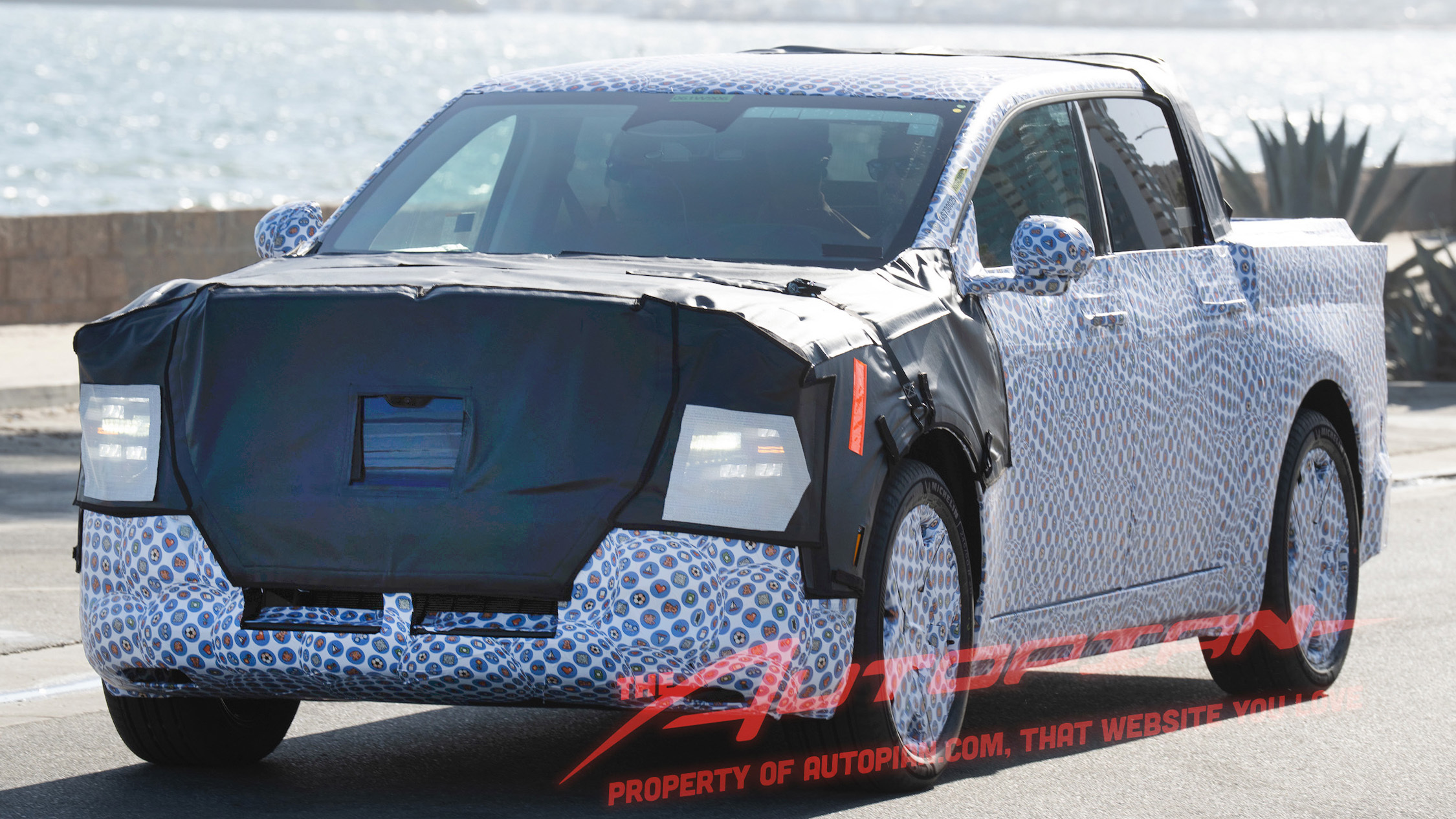
Ford Built Something Small Enough to Matter
A camouflaged prototype smaller than a Maverick might be the most important truck Ford has shown in years.
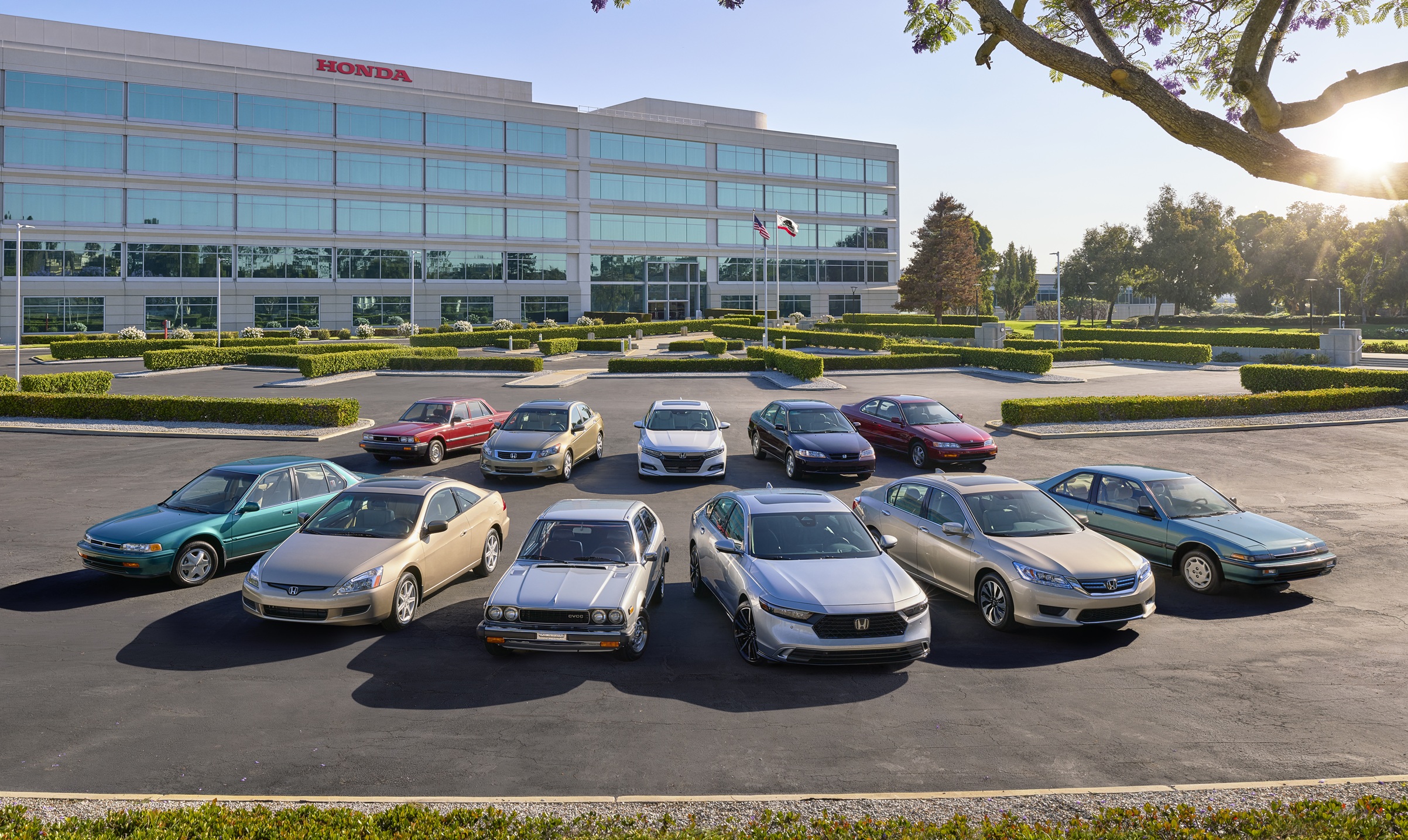
Fifty Years of Not Trying to Impress You
Honda just gave the Accord a birthday makeover — and the car's whole history argues that was never the strategy.
From the other desks.
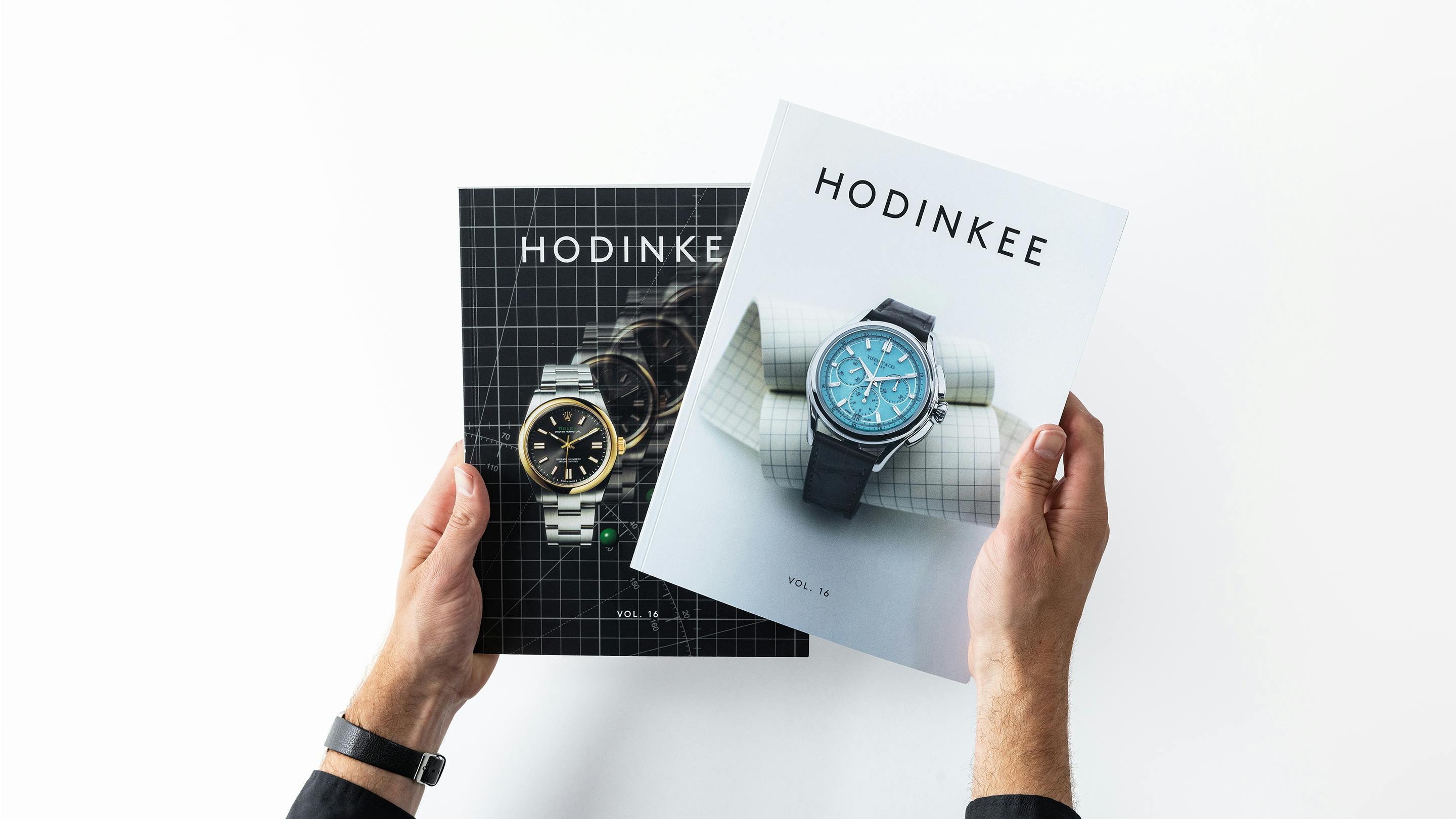
A Hundred Years Underwater, and Rolex Is Still Holding Its Breath
The Oyster centennial is everywhere — Shanghai, Hodinkee, the cultural conversation — and none of it is asking the uncomfortable question.
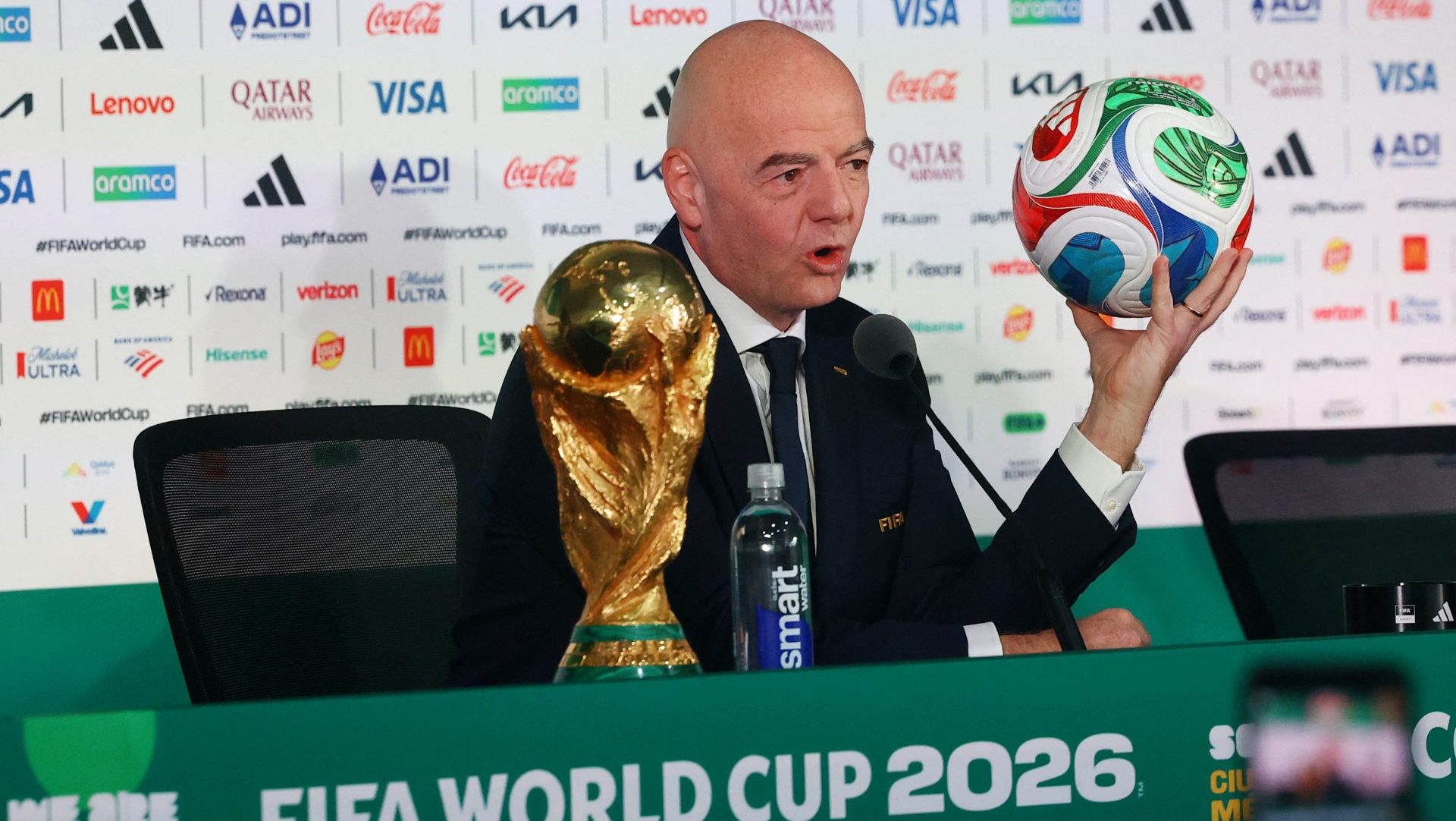
Gianni Infantino Told Reporters to Chill. That's the Whole Defense.
When the FIFA president's best argument on ticket prices is that North America agrees with him, something has already broken.
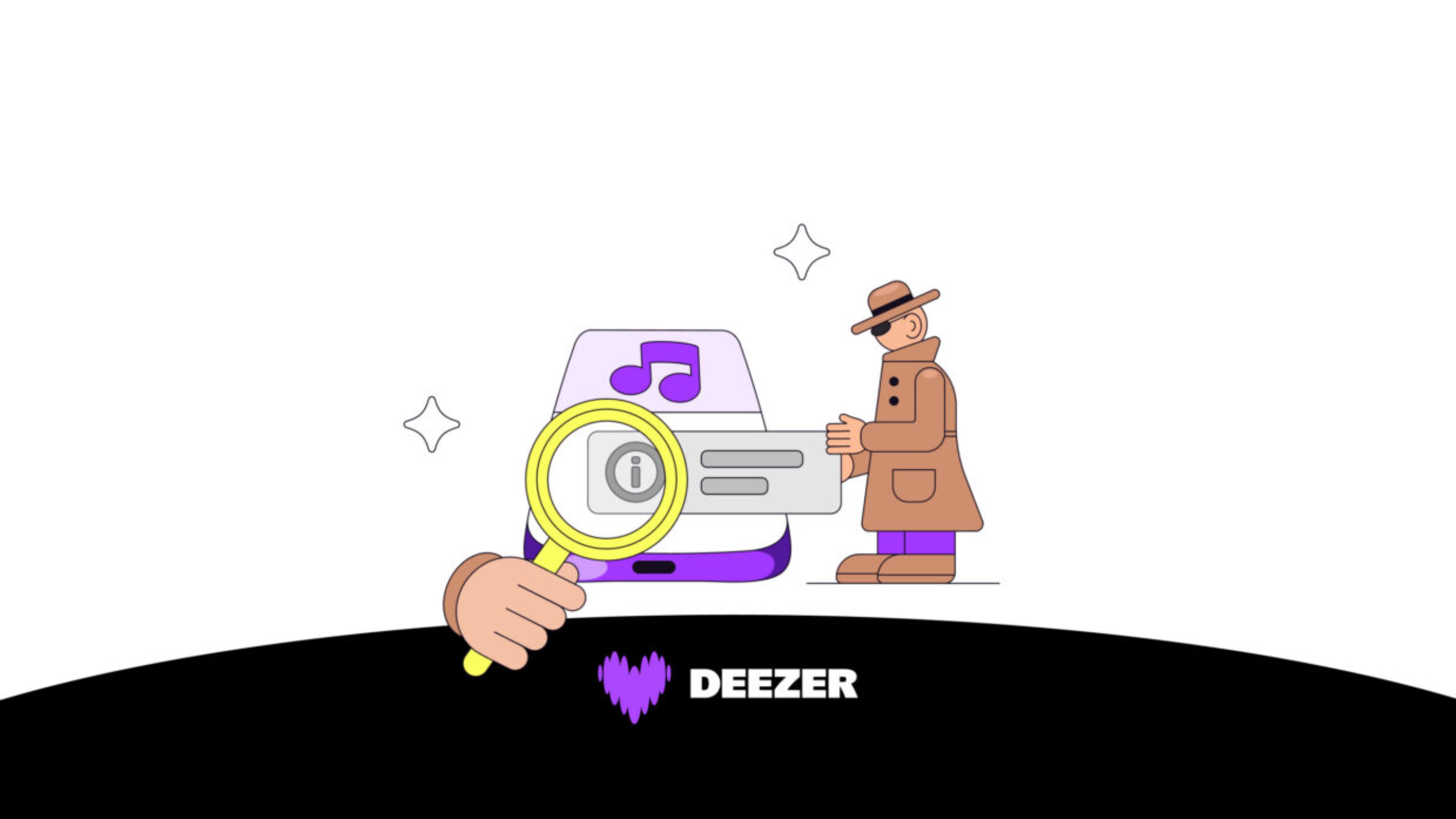
Deezer Built a Flashlight and Pointed It at Everyone Else's Mess
When a streaming platform launches a free tool to expose AI-generated music on its competitors, that's not altruism — it's a confession.