Ford Built Something Small Enough to Matter
A camouflaged prototype smaller than a Maverick might be the most important truck Ford has shown in years.
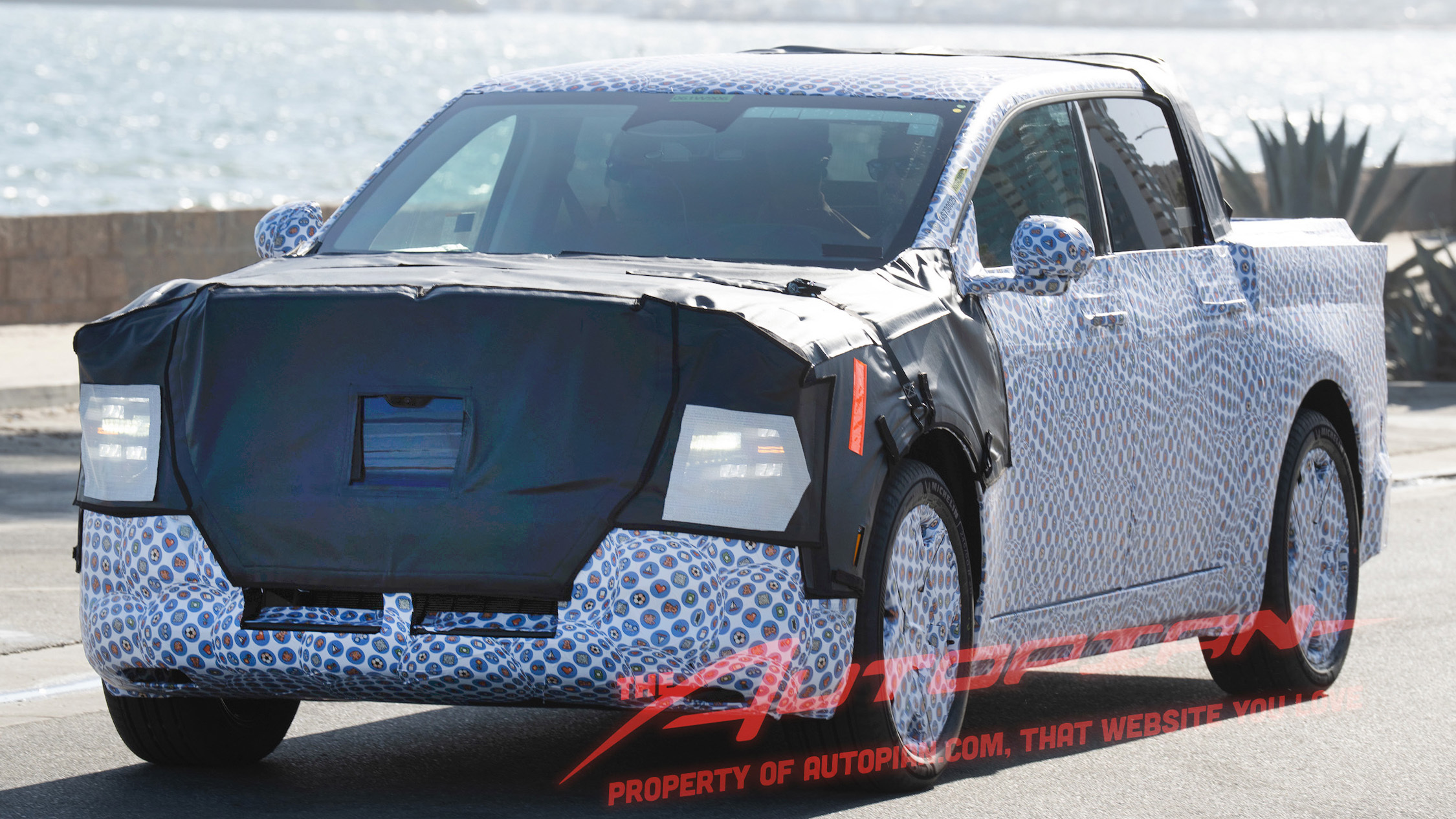
Photo · Carscoops
Look past the camo wrap. Look past the prototype awkwardness — the taped edges, the disguised body lines, the deliberate visual noise. What's underneath is a truck so small that, according to multiple outlets who've now seen it testing, it makes the Maverick look full-grown.
That's not an insult. That's the whole argument.
The Platform Underneath It
The Autopian, which secured an exclusive up-close look at the truck in camouflage at a Long Beach location, reports that this machine was developed secretly at Ford's west coast Skunkworks — a quiet, deliberate operation with a specific goal: build a competitive sub-$30,000 compact electric pickup on what Ford calls its Universal EV platform. Not adapted from something else. Not a compliance vehicle. Built for the number.
Thirty thousand dollars is a different conversation than the one the EV industry has been having. Most of what's been announced, hyped, unveiled, and delayed in the electric truck space has floated well above that threshold. Ford itself knows this territory — the F-150 Lightning arrived at a price point that moved steadily in the wrong direction after launch. What's being tested here is a course correction, and the size is the correction.
Carscoops described the prototype as looking so tiny it makes a Maverick seem grown up. Motor1 called it the practical truck everyone has been waiting for. There's a consensus forming across the coverage that the dimensions aren't a limitation — they're a feature, maybe the central one.
What Small Actually Means
Here's what three separate outlets all circling this story seem to understand, even if none of them quite say it this plainly: the truck market has been lying to buyers for decades about what they actually need. The average truck buyer doesn't haul a boat every weekend. They haul groceries. They park in city garages. They want the feeling of capability without the tax of managing something enormous through a parking structure in a mid-size American city.
The Maverick proved there was appetite for honest sizing. It sold well precisely because it didn't pretend to be a work truck for people who don't work trucks. Ford apparently learned something from that, and now it's applying the lesson to electric — where range anxiety and battery cost make smaller, lighter vehicles not just more affordable but more functional.
A smaller truck on a purpose-built platform, targeted below $30,000, tested in camo at a west coast facility nobody was supposed to know about — this isn't a product announcement. It's a strategy. Ford went quiet, built the infrastructure, and let a prototype get spotted. The controlled leak is its own signal.
What the coverage collectively misses is the emotional dimension of the price. Thirty thousand dollars isn't just a market segment. For a significant portion of truck buyers, it's the number that makes the decision possible. Cross it, and you're in. Stay above it, and electric remains a second vehicle for people who can afford a second vehicle. Ford seems to understand that getting to $30,000 in a truck — a real one, not a golf cart with a bed — is the kind of move that changes who owns an EV, not just how many.
The prototype is small. The ambition behind it isn't.
Keep reading cars.
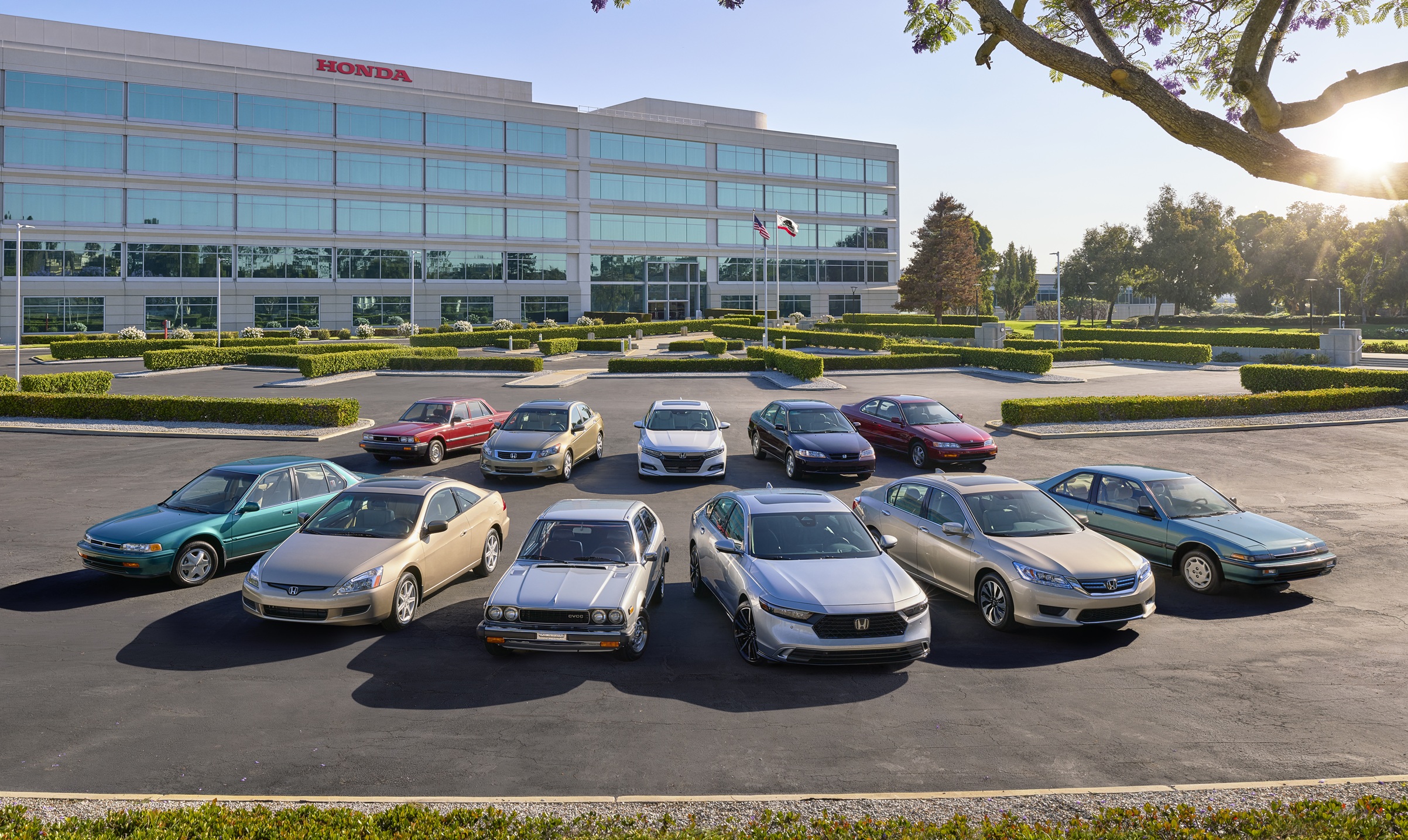
Fifty Years of Not Trying to Impress You
Honda just gave the Accord a birthday makeover — and the car's whole history argues that was never the strategy.
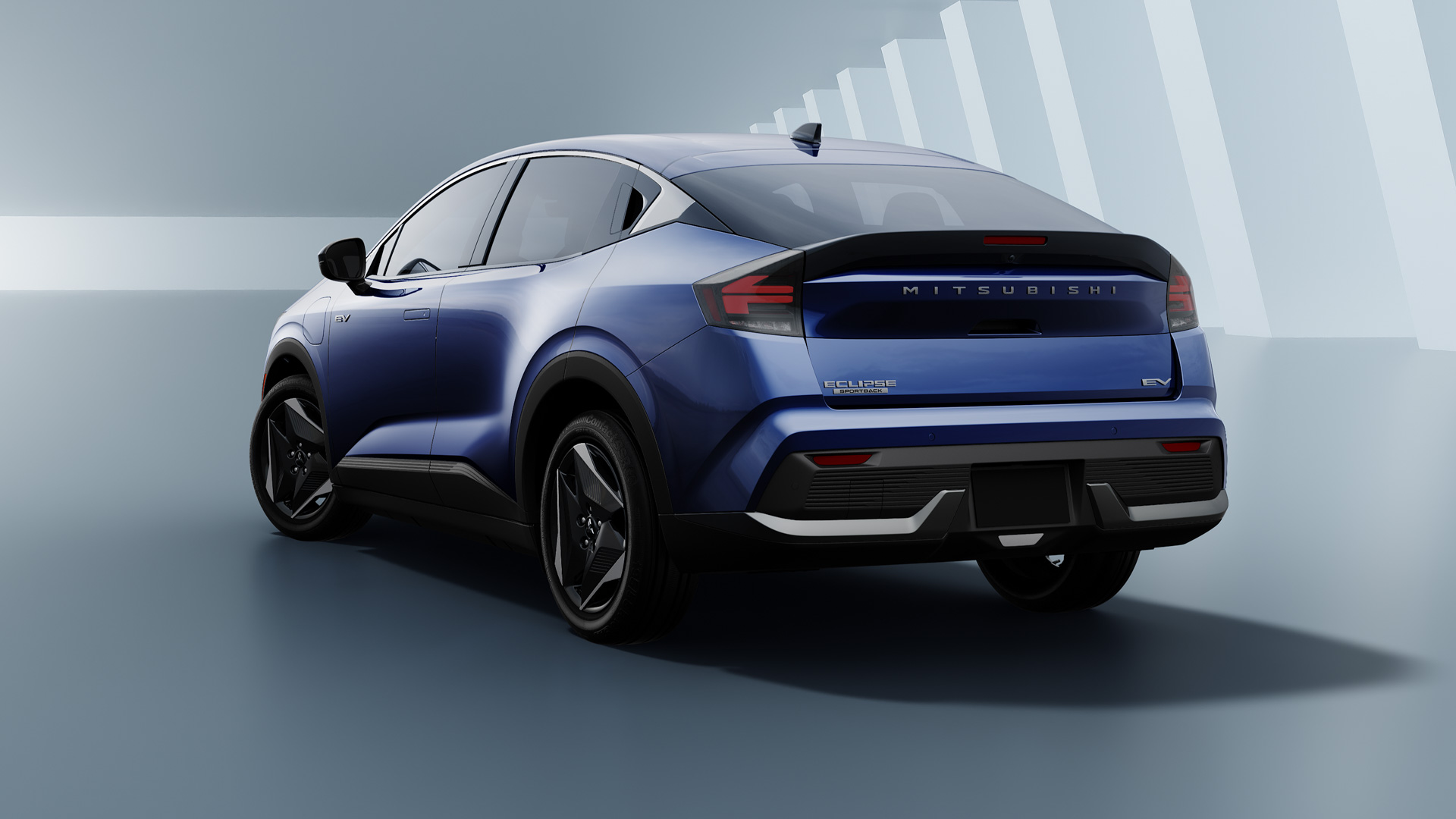
Mitsubishi Dusted Off a Sports Car Name and Put It on a Commuter
The Eclipse Sportback EV is built on a Nissan Leaf platform and priced around $30,000. The name did all the heavier lifting.
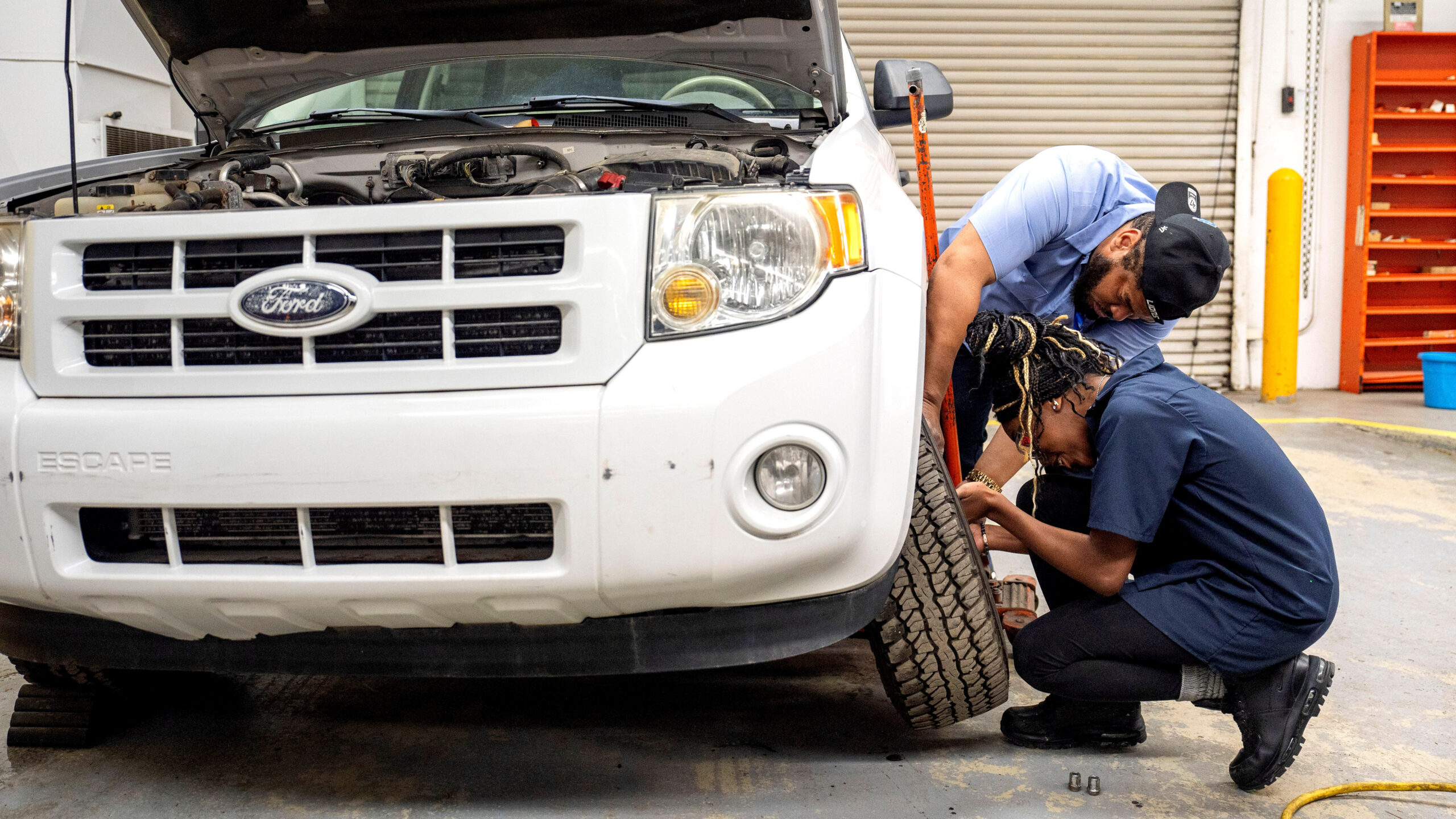
Whoever Owns the Diagnostic Port Owns the Car
When the White House starts talking about your right to fix your own vehicle, the fight over what ownership actually means just went national.
From the other desks.
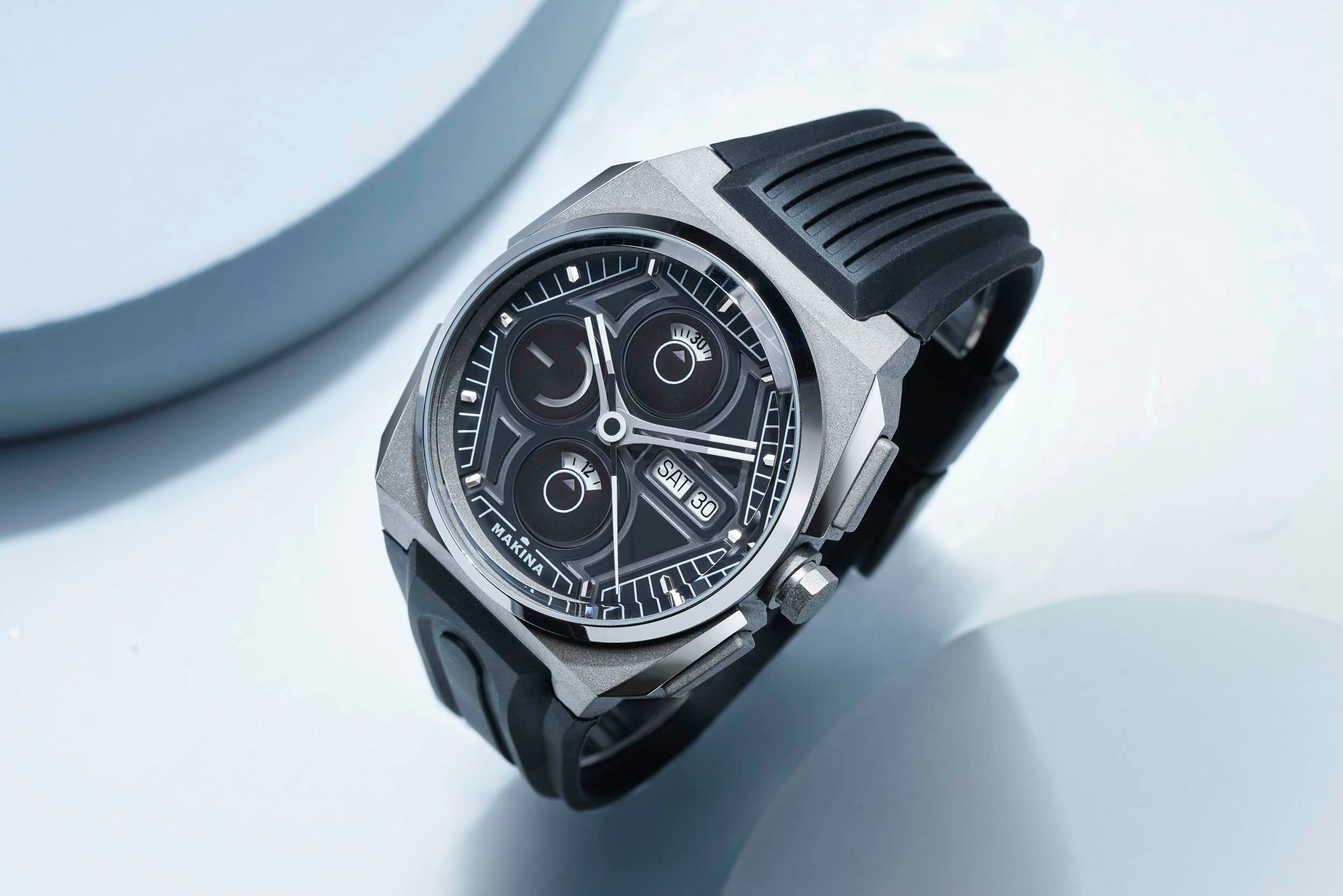
Brutalism Found a Price Point. Makina Is the Proof.
A Philippine microbrand's $1,850 chronograph isn't chasing Swiss legitimacy — it's making the case that design authority was never theirs to grant.

Fifty-Three Years Is Not a Drought. It's a Generation.
When the Knicks finally made the Finals, New York didn't just show up to watch — it showed up to be seen, to grieve, to remember who they were before the waiting started.

Both Companies Know Where the Bodies Are Buried
Google won't confirm it. Anthropic won't release it. The industry's relationship with creator content is a confession hiding in plain sight.