Both Companies Know Where the Bodies Are Buried
Google won't confirm it. Anthropic won't release it. The industry's relationship with creator content is a confession hiding in plain sight.

Photo · The Verge
The tell isn't what these companies say. It's the specific shape of what they refuse to.
Google is currently facing a lawsuit from independent musicians who claim the company trained its Lyria music AI on songs they uploaded to YouTube. According to The Verge's coverage, Google filed a motion to dismiss — not by proving the musicians wrong, but by arguing the lawsuit rests on an "unsupported hypothesis" that their specific works were used. Not a denial. A procedural dodge. The company apparently acknowledged a broad license exists over uploaded content while refusing to confirm whether that license was actually exercised for AI training.
That's a very careful distance to maintain.
The Art of Not Saying It
There's a particular kind of corporate silence that tells you everything. It's not "we didn't do this." It's "you can't prove we did this to you specifically." The distinction matters because it keeps the door open — for the model, for the legal strategy, for the next version of the same argument dressed in slightly different language.
The musicians in the Google case aren't asking whether AI companies train on public content in the abstract. Everyone already knows the answer to that. They're asking whether their labor — specific songs, specific performances, specific creative decisions — fed a commercial product without compensation or consent. Google's response is essentially: prove it was yours we took, not just everyone's.
Which is a strange defense to reach for if you genuinely hadn't taken anything.
Guardrails as Alibi
Anthropicʼs situation is different in texture but adjacent in logic. TechCrunch reported that cybersecurity researchers are frustrated with Fable, the company's new model, over guardrails they say are too restrictive for legitimate security work. The complaints aren't about the model being incapable — they're about it being locked down in ways that make professional use impractical.
The surface issue is overcorrection. The subtext is that Anthropic built something trained on an enormous body of technical and creative knowledge, then surrounded it with restrictions designed to manage liability rather than utility. The people who actually need access to the full capability — researchers, professionals, specialists — are left negotiating with a product shaped primarily by legal and PR concerns.
Two companies. Two different problems. One shared architecture underneath: extract value from a broad corpus, then construct the minimum viable framework for not being held responsible for it.
What the Industry Is Actually Negotiating
The creators suing Google aren't naive about how the internet works. They uploaded content to a platform, and platforms use content. But there's a meaningful difference between content serving as the medium for an audience and content serving as raw material for a competing product. YouTube built its business on the former. Lyria, if the allegations hold, represents the latter.
The legal system will eventually force some kind of answer here — discovery has a way of making hypotheses look less unsupported. What's interesting now is the gap between what these companies clearly know about their own training pipelines and what they're willing to say publicly. That gap isn't confusion. It's strategy.
The industry isn't figuring out whether training on creator content is acceptable. It already knows what it did. It's just waiting to find out what it costs.
Keep reading tech.

Snapchat Quietly Admitted Virality Was Never Safe for Kids
When a platform builds a separate experience for users under 16, it's not a feature — it's a confession.

Waymo Built a Fake Human to Beat an Actual One
When your benchmark is a simulation of caution, you've already moved the goalposts.

GM Figured Out Who Pays for Your Car to Sit in the Driveway
Vehicle-to-grid is finally real — and the customer isn't you.
From the other desks.
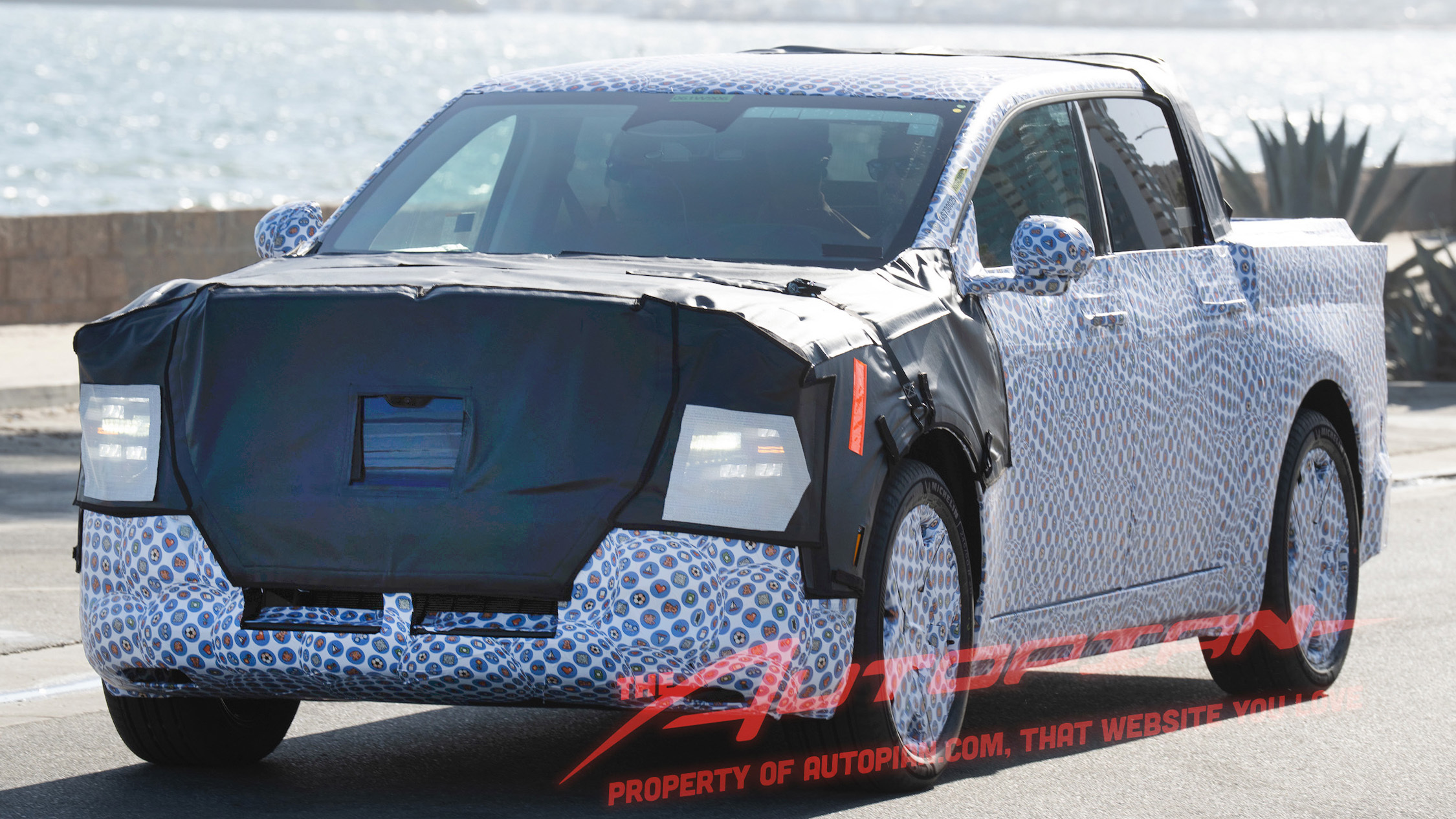
Ford Built Something Small Enough to Matter
A camouflaged prototype smaller than a Maverick might be the most important truck Ford has shown in years.

Brutalism Found a Price Point. Makina Is the Proof.
A Philippine microbrand's $1,850 chronograph isn't chasing Swiss legitimacy — it's making the case that design authority was never theirs to grant.
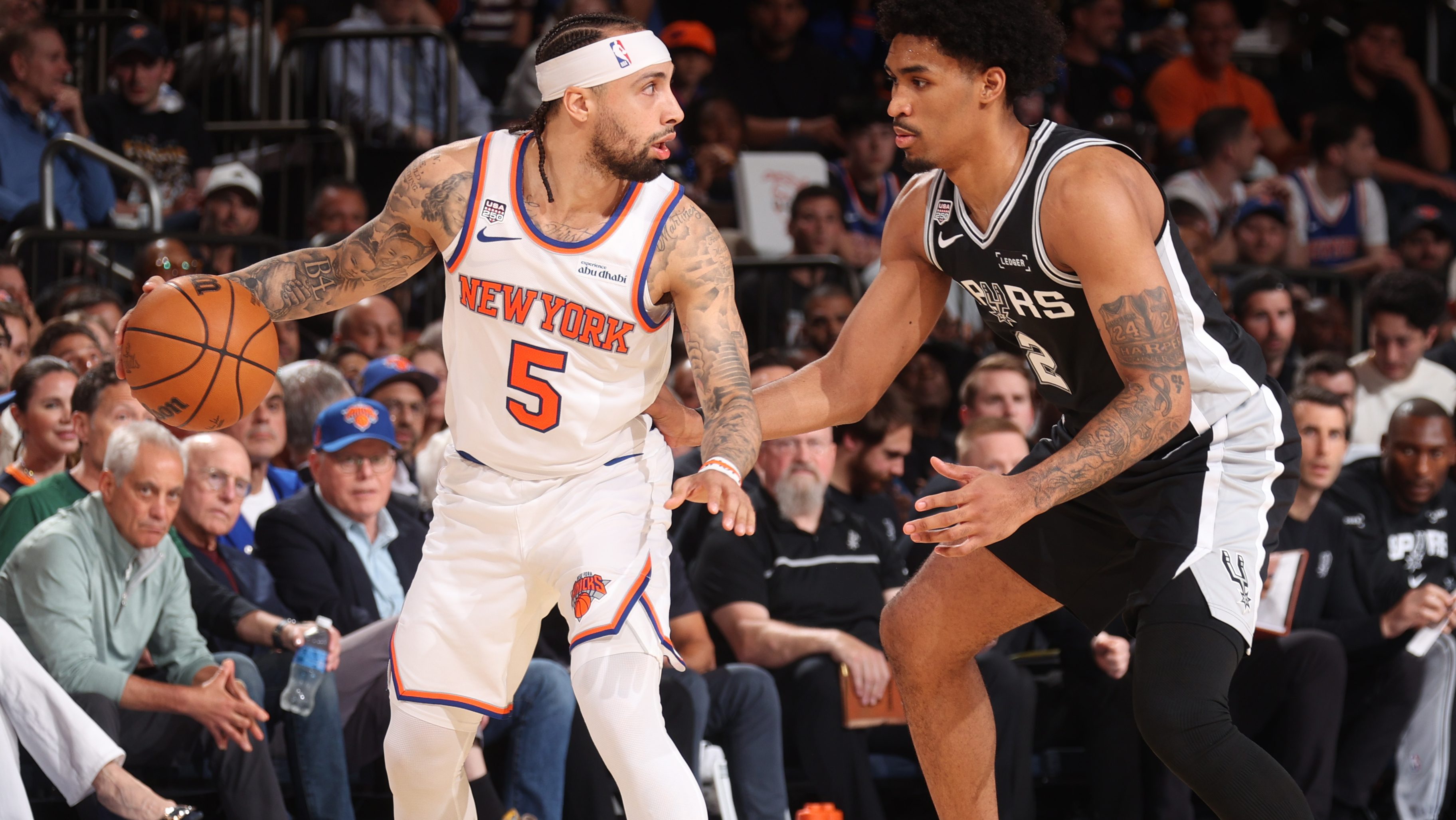
Fifty-Three Years Is Not a Drought. It's a Generation.
When the Knicks finally made the Finals, New York didn't just show up to watch — it showed up to be seen, to grieve, to remember who they were before the waiting started.