Waymo Built a Fake Human to Beat an Actual One
When your benchmark is a simulation of caution, you've already moved the goalposts.

Photo · The Verge
The tech press is covering this as a safety story. It isn't, quite.
Waymo published a research paper in Nature Communications describing a computer-based cognitive model of how human drivers make split-second decisions when a crash is about to happen. The Verge notes that the company has been building virtual systems for a while now — simulated disaster scenarios, 3D reconstructed edge cases — and this new model, which Engadget identifies as called ReD, is the latest entry in that catalog. TechCrunch frames it as a benchmark: a new way to compare how robotaxis perform in crash scenarios against how humans would perform in the same situations.
And there it is.
The Benchmark Is the Story
At some point — quietly, without a press conference — the autonomous vehicle industry stopped asking "does this car crash less?" and started asking "does this car crash less than a careful human would, under controlled conditions, in scenarios we designed?" Those are very different questions. The first one is empirical. The second one is a construction.
Building a virtual hyperattentive driver to test against is a rational engineering choice. You can't run a thousand real crash scenarios with a human behind the wheel. Simulation is the only way to generate that kind of data volume. I understand the method. What I keep turning over is what it signals about where the industry thinks it is.
You build a benchmark when you believe you're close enough to passing it that the benchmark is worth having. Nobody builds a race course when they haven't finished the car. The fact that Waymo is formalizing comparison against a simulated ideal human — not average human behavior, but the split-second-decision version of an attentive one — means they think they can clear that bar, or they're close, or they want the world to know they're measuring themselves against it.
We've Seen This Cycle
Tech companies have a long, comfortable history of defining the test they're about to ace. Set the benchmark. Publish the paper. Let the coverage do the rest. I'm not saying Waymo is sandbagging — the research is peer-reviewed, the publication is legitimate, and the underlying goal of understanding human crash-avoidance cognition is genuinely useful work. But the framing of "we built a better benchmark for comparing robotaxis to humans" — which is how TechCrunch headlined it — is doing a lot of rhetorical work that nobody's pausing to examine.
Better than what? Better for whom? A benchmark built by the company being benchmarked will always have a certain gravitational pull toward the company's existing strengths. That's not conspiracy; it's incentive structure. It's just how this goes.
What I'd actually want to see is the inverse: give that same ReD model to a neutral third party, let them design the scenarios, and see if Waymo's system still looks like the careful one. That paper hasn't been published yet.
Until then, the real product of this research isn't safer robotaxis. It's a story about safer robotaxis — told by the people building them, with a simulated human standing in as the standard they've chosen to exceed.
Keep reading tech.

Both Companies Know Where the Bodies Are Buried
Google won't confirm it. Anthropic won't release it. The industry's relationship with creator content is a confession hiding in plain sight.

Snapchat Quietly Admitted Virality Was Never Safe for Kids
When a platform builds a separate experience for users under 16, it's not a feature — it's a confession.

GM Figured Out Who Pays for Your Car to Sit in the Driveway
Vehicle-to-grid is finally real — and the customer isn't you.
From the other desks.
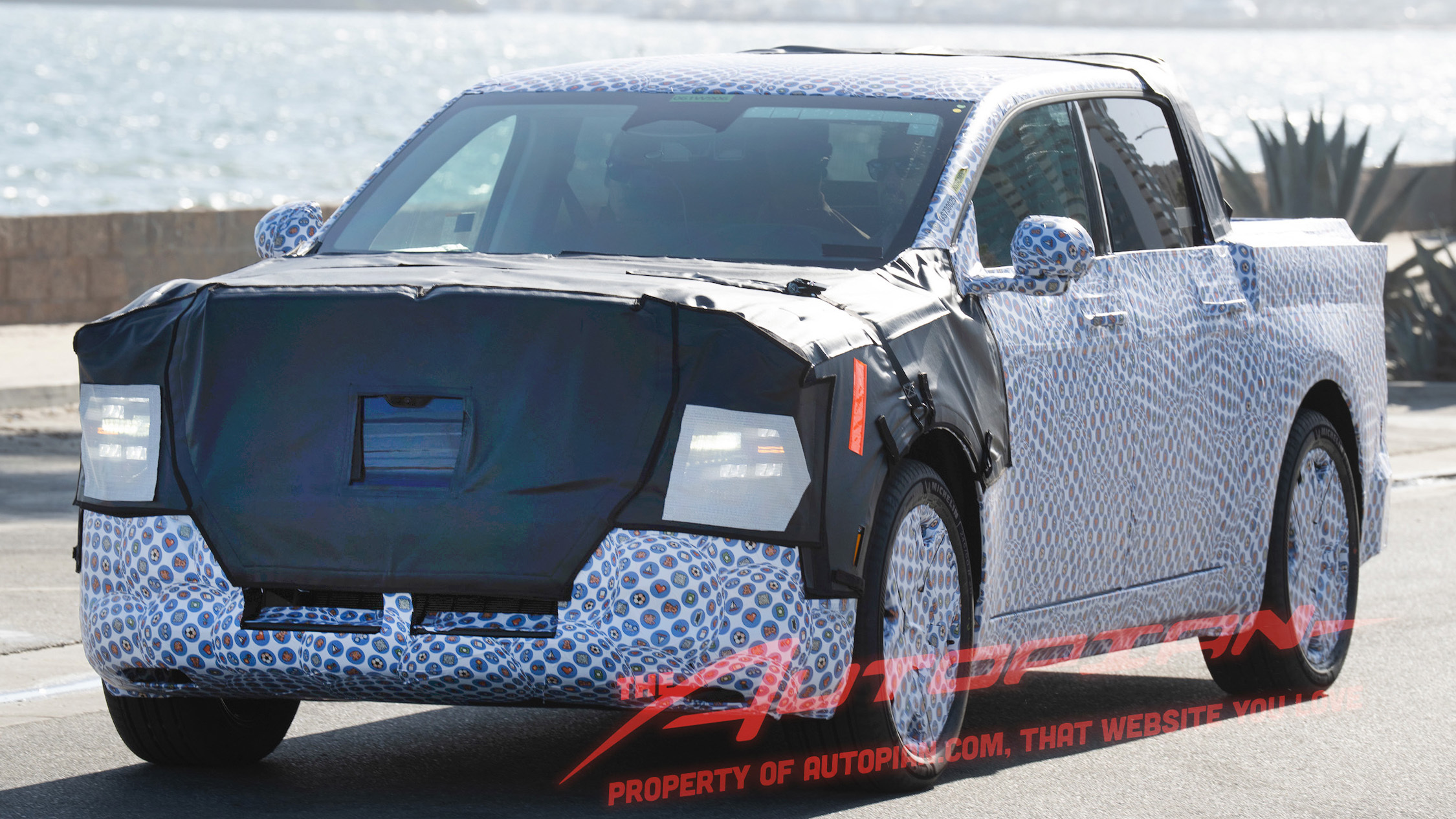
Ford Built Something Small Enough to Matter
A camouflaged prototype smaller than a Maverick might be the most important truck Ford has shown in years.
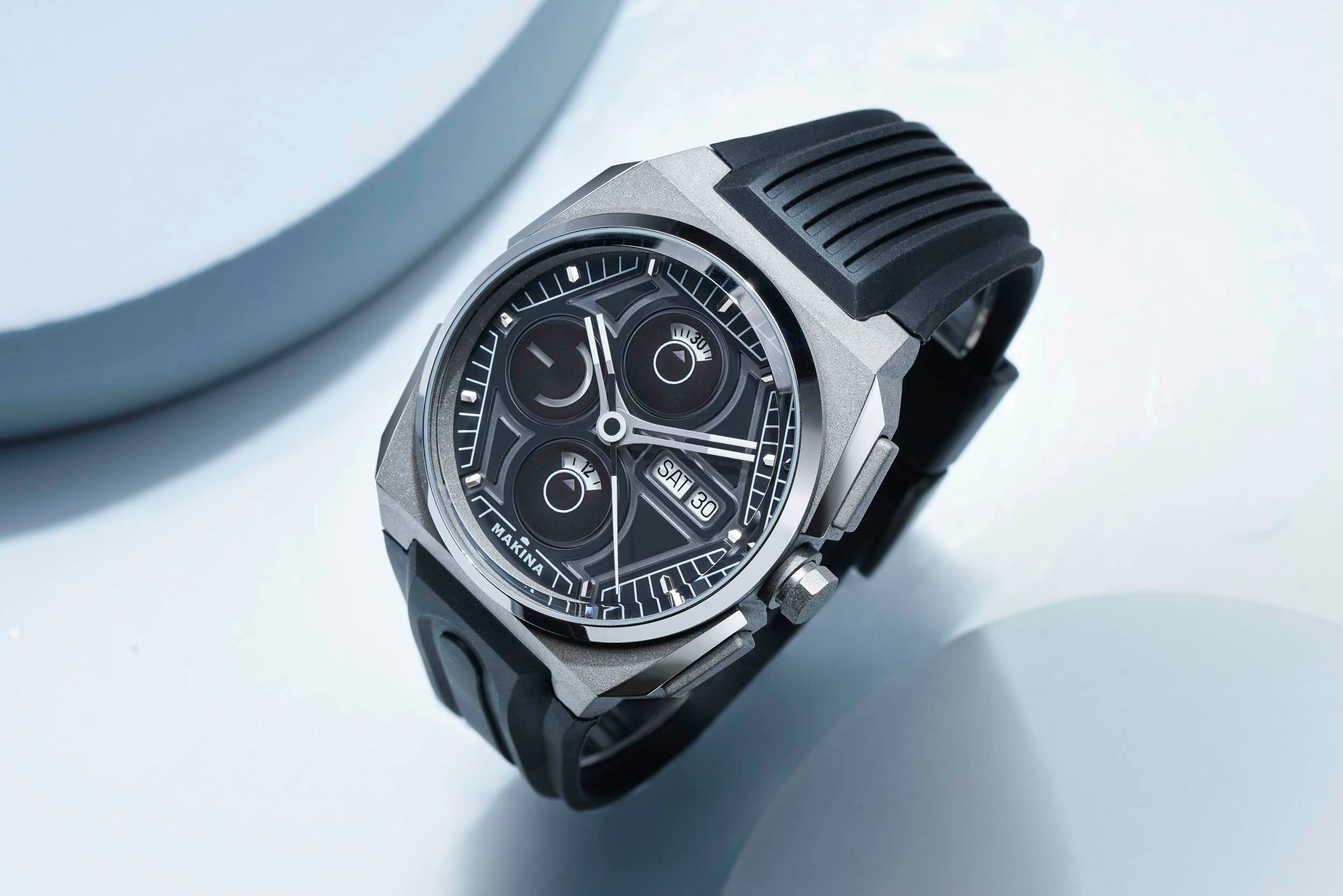
Brutalism Found a Price Point. Makina Is the Proof.
A Philippine microbrand's $1,850 chronograph isn't chasing Swiss legitimacy — it's making the case that design authority was never theirs to grant.

Fifty-Three Years Is Not a Drought. It's a Generation.
When the Knicks finally made the Finals, New York didn't just show up to watch — it showed up to be seen, to grieve, to remember who they were before the waiting started.