GM Figured Out Who Pays for Your Car to Sit in the Driveway
Vehicle-to-grid is finally real — and the customer isn't you.

Photo · The Verge
Here is the tell: when an automaker holds an event in San Francisco to announce EV features, and the first thing it mentions is AI data centers, the car was never really the product.
GM made a run of announcements recently that, read individually, sound like incremental EV news. Vehicle-to-grid capabilities activating for current customers. A new commercial energy storage strategy. A simplified public charging feature. Sodium-ion batteries for industrial-scale grid applications. Taken together, they sketch something more interesting — and more unsettling — than any single headline captures.
The Grid Is the Product
The through-line across coverage from The Verge, WIRED, and TechCrunch is that GM is positioning itself at the intersection of two crises it didn't create: the grid can't handle what AI demands of it, and millions of EVs are sitting idle in driveways doing nothing. The play is obvious once you see it. Those parked batteries aren't dead weight — they're distributed storage capacity, and somebody is going to monetize them.
Vehicle-to-grid isn't new as a concept. It's been a PowerPoint fixture for years, the kind of technology that's always five years away. What's different now is that the demand signal has arrived in a form that makes the business case legible. AI data centers need power, reliably, at scale. Utilities are under pressure. And GM, which already has customers with EVs and home energy setups, suddenly has infrastructure it can actually sell.
The sodium-ion battery announcement is where TechCrunch's read becomes the most useful. GM is developing this chemistry not for its cars but for data centers and its own factories — industrial applications where the economics of stationary storage differ entirely from automotive ones. That's not a car company expanding into energy. That's a company quietly deciding that the grid is a second business.
The Question Nobody Wants to Answer
WIRED asked it plainly, in the deck of their piece: will people actually use vehicle-to-grid? It's the right question and probably the most important one, because everything else in this announcement depends on a behavior change that has historically been very hard to produce.
Owners have to opt in. They have to trust that the system won't drain their battery when they need it. They have to believe the compensation — whatever form it takes — is worth the friction. These aren't impossible hurdles, but they are real ones, and the history of demand-response programs is littered with features that made sense on a whiteboard and went unused in practice.
What GM is betting on, implicitly, is that the value proposition gets clearer as grid stress becomes more visible — blackouts, rate spikes, the slow ambient anxiety of living somewhere that can't keep the lights on. That's a reasonable bet. It's also a bet that your car becomes infrastructure whether or not you thought of it that way when you bought it.
The feature that simplifies public charging is the only announcement in the cluster that's straightforwardly for the driver. Everything else is about what your car can do for the system while you're not in it.
I've watched enough tech cycles to know what it looks like when a company finds its second act inside its first one. GM isn't selling you an EV anymore. It's enrolling you in a grid. The car just happens to come with it.
Keep reading tech.

SpaceX Wants to Build the Cloud Above the Cloud
Orbital data centers sound like a punchline until you see the factory floor.

Anthropic Made Two Models and Named Only One 'Safe'
When the company that invented the 'too dangerous to release' category releases a tamer version and calls it the same thing, someone should ask what exactly the guardrails are guarding.

Apple's Privacy Story Has Two Endings Depending on Where You Live
Siri gets smarter, photos get faker, and Europe gets a shrug — all from the company that built its brand on doing things differently.
From the other desks.
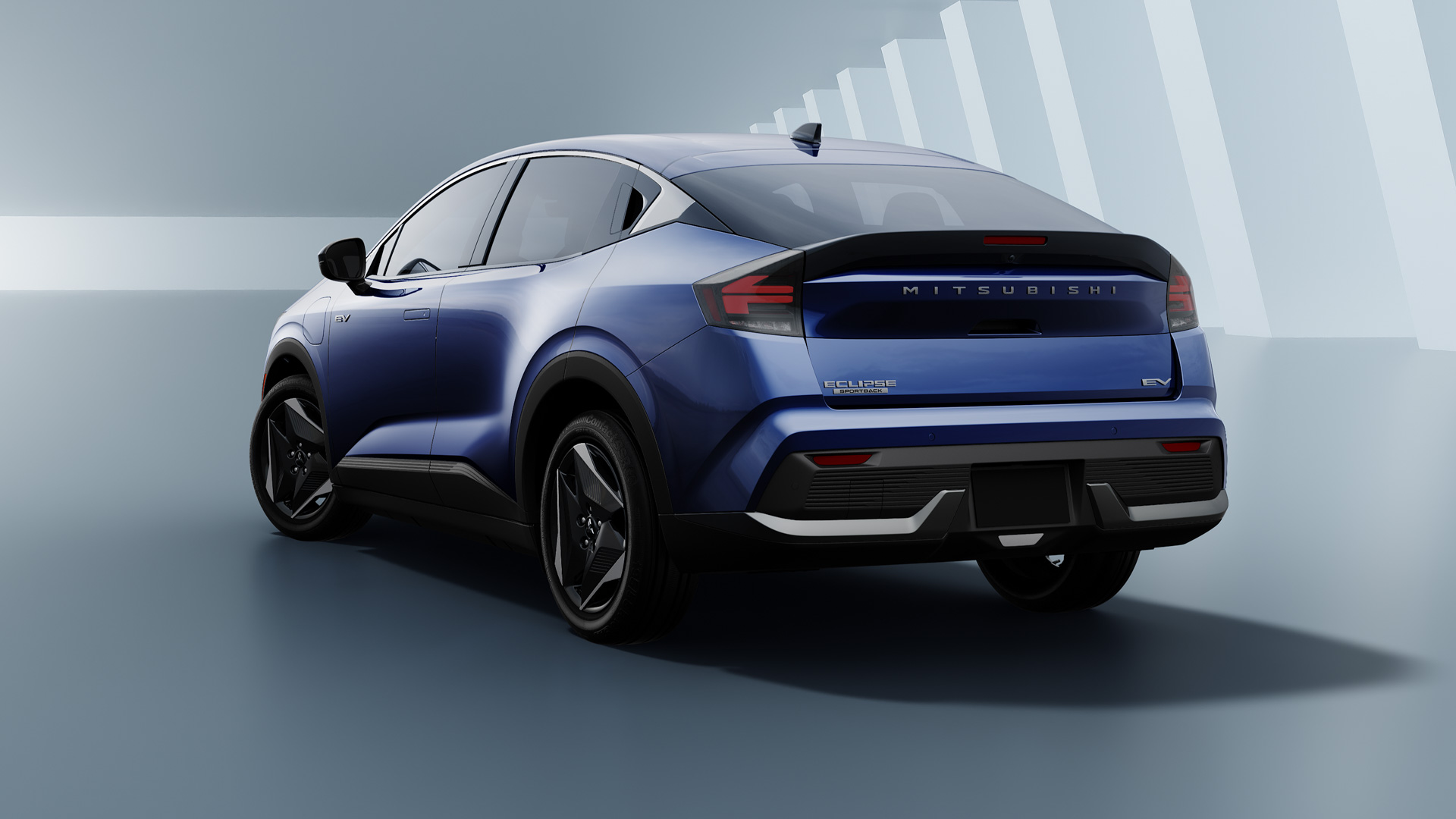
Mitsubishi Dusted Off a Sports Car Name and Put It on a Commuter
The Eclipse Sportback EV is built on a Nissan Leaf platform and priced around $30,000. The name did all the heavier lifting.

On Running Didn't Get Better. The Room Finally Caught Up.
Highsnobiety just declared On Running stylish. That sentence couldn't have existed five years ago — and the fact that it does now says more about fashion than it does about the shoe.

Empty Rooms, Free Tickets, and FIFA Calling It a Sellout
When the governing body starts giving away seats to fill them, the official story and the real one have stopped talking to each other.