On Running Didn't Get Better. The Room Finally Caught Up.
Highsnobiety just declared On Running stylish. That sentence couldn't have existed five years ago — and the fact that it does now says more about fashion than it does about the shoe.
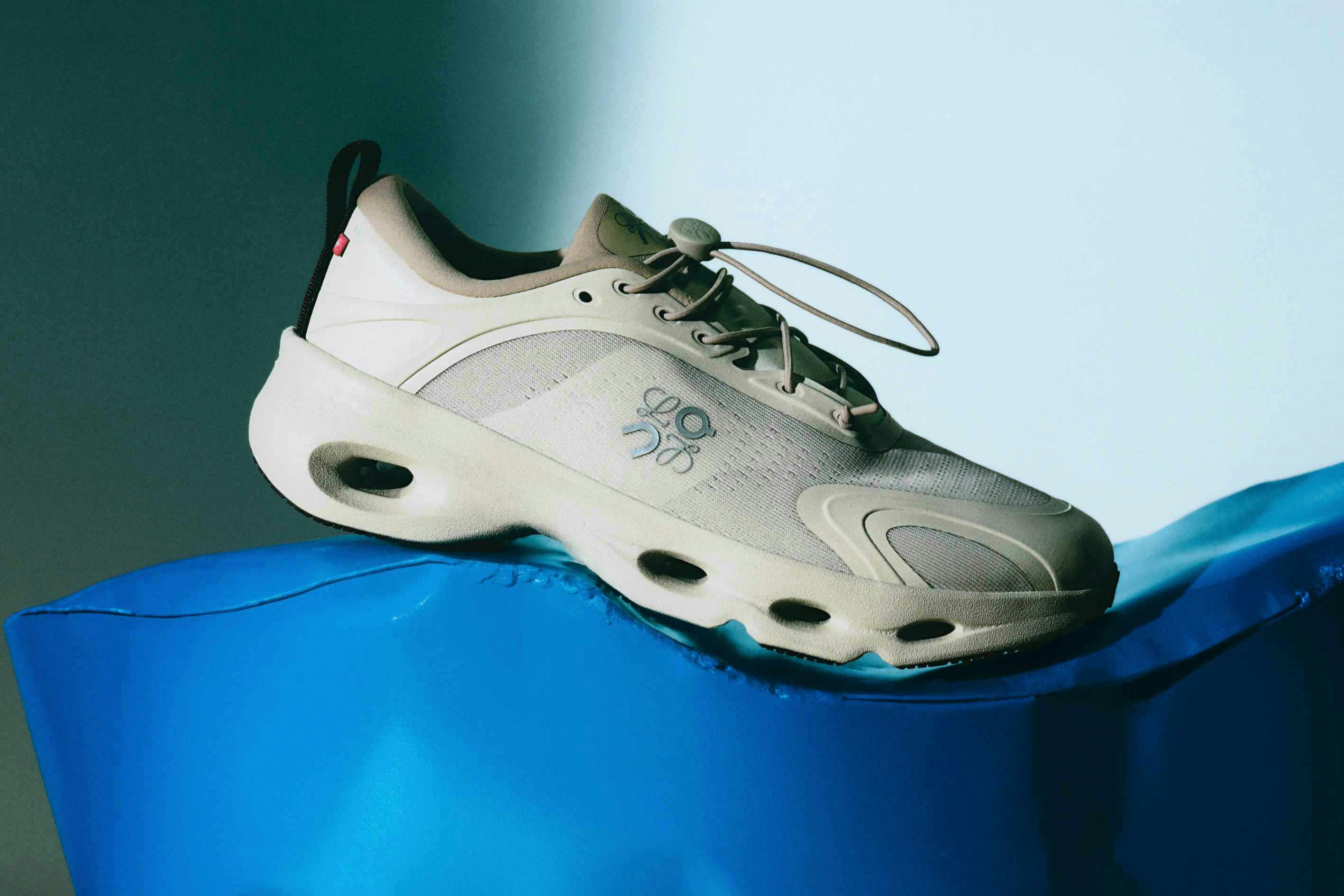
Photo · Highsnobiety
There's a version of this story where a brand quietly refines its product over years, earns its credibility, and the fashion press eventually takes notice. Clean arc. Satisfying. Also not what happened here.
A writer at Highsnobiety has staked out the position that On Running's sneakers — once the kind of footwear that made you do a small double-take at the gym — are genuinely stylish now. The piece even admits they weren't always this good. That honesty is worth sitting with. Because it opens a door that most brand rehabilitation stories leave shut: the question of what actually changed.
The Shoe or the Season?
On Running built its identity around a sole design that looked, depending on who you asked, either like a structural breakthrough or like something a prop department mocked up for a near-future film. Divisive is the right word. The brand wasn't misunderstood so much as loudly legible — you saw it and formed an opinion fast.
What Highsnobiety is really documenting isn't a redesign. It's a cultural reclassification. The shoe moved from weird to acceptable to good, and the mechanism for that journey wasn't a new colorway or a celebrity placement — it was time. The aesthetic caught up to the object. Or more precisely, the market's tolerance for structural strangeness finally expanded enough to let the shoe exist inside it without friction.
This is how fashion actually works, most of the time. Not through genius marketing or a single pivotal moment, but through slow accumulation — enough people wearing a thing in enough contexts until the thing stops reading as strange and starts reading as considered. The product didn't change. The frame around it did.
What It Means That Someone Said It Out Loud
The Highsnobiety piece matters less as criticism and more as documentation. Someone at a publication with genuine cultural standing decided it was time to say: this is stylish now. That sentence is load-bearing. It gives permission to the person who already wanted the shoe but needed one more signal before committing.
That's not cynicism — that's just how fashion credentialing operates. Taste is partly personal and partly relational. Knowing that a certain kind of publication sees what you see makes the choice feel less exposed. The writer didn't create the moment, but they named it, and naming it is its own act.
What I find interesting is the implicit admission inside the piece: that the sneaker's weirdness was real, not imagined, and that the weirdness is now an asset. That's a genuine reversal. For a long time, the path to stylish ran through looking like everything else but more so — cleaner, quieter, better executed. On Running's path ran sideways. It stayed strange and let the world rotate toward it.
Not every brand that tries this survives the wait. Most fold or pivot or sand down the edges before the moment arrives. The fact that On Running held its shape — literally and figuratively — is the part of this story that doesn't get enough credit.
Weird things that stay weird long enough sometimes get to call themselves visionary. The market just has to decide it's ready.
Keep reading fashion.
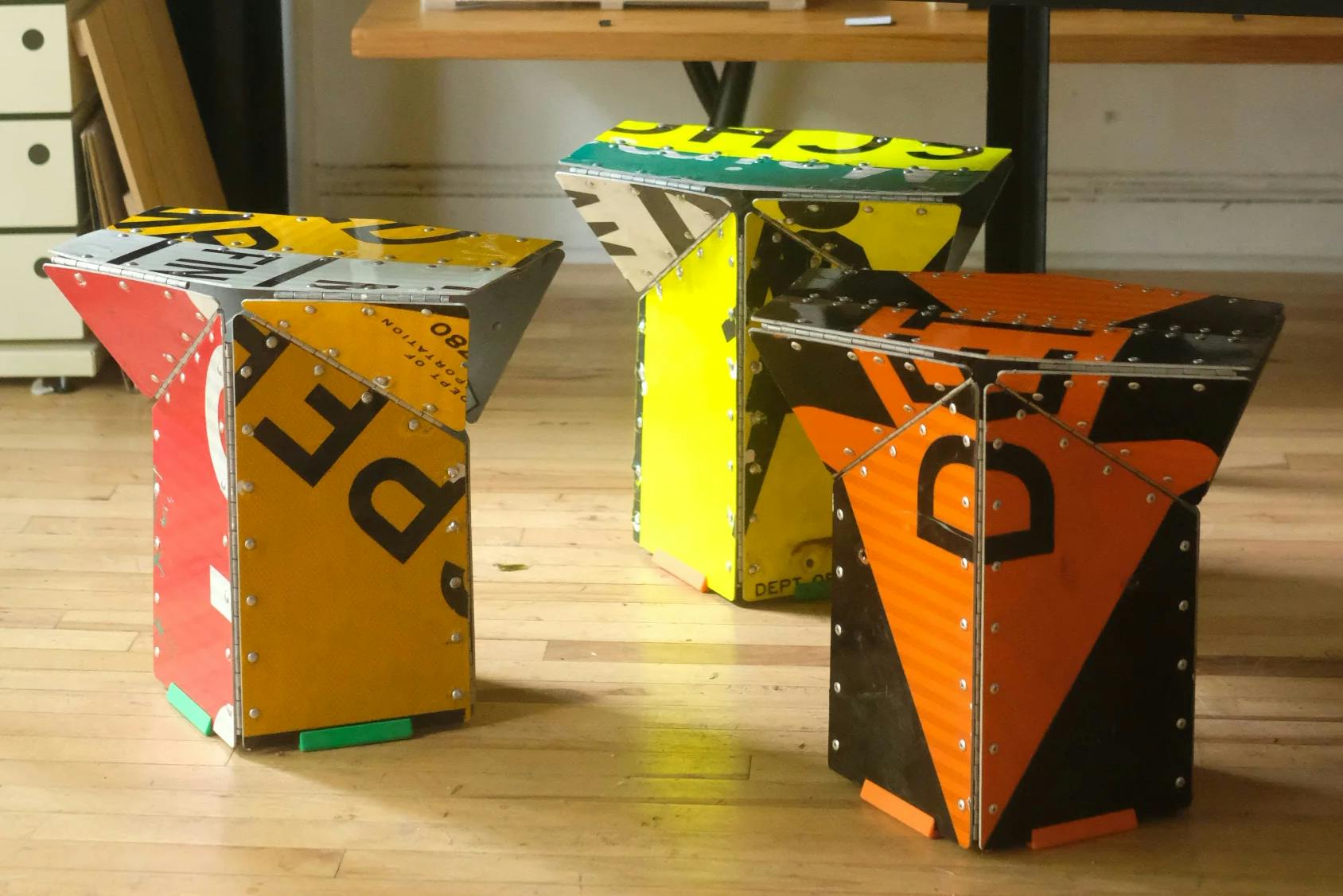
Heron Preston Turned New York Street Signs Into Something You Sit On
When a streetwear designer starts making furniture from salvaged city infrastructure, the category lines aren't blurring — they're gone.
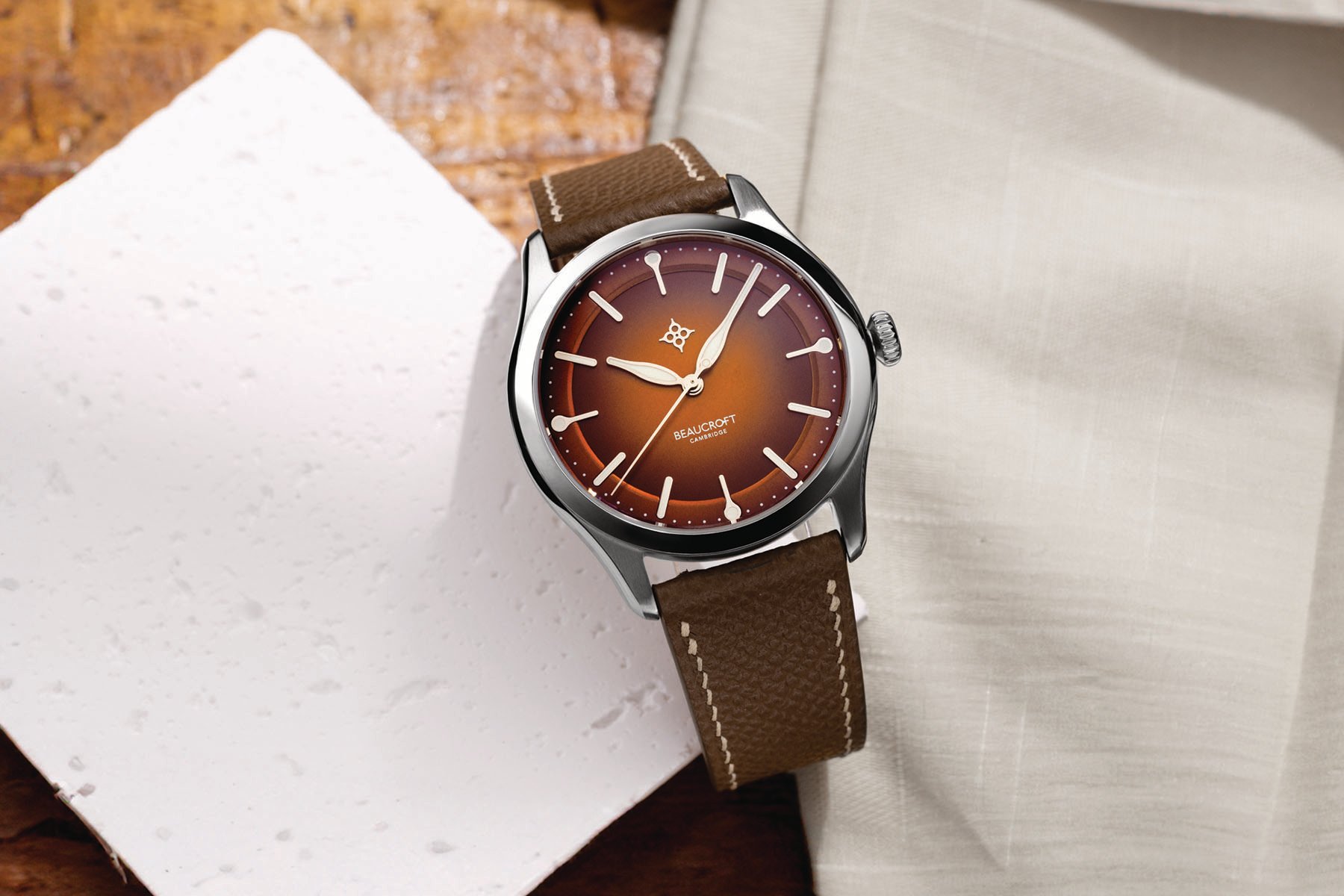
Beaucroft Built an Everyday Watch Without Hedging on What That Means
Three outlets looked at the Arc and all arrived at the same uncomfortable conclusion: the excuses for not owning something this considered are running out.
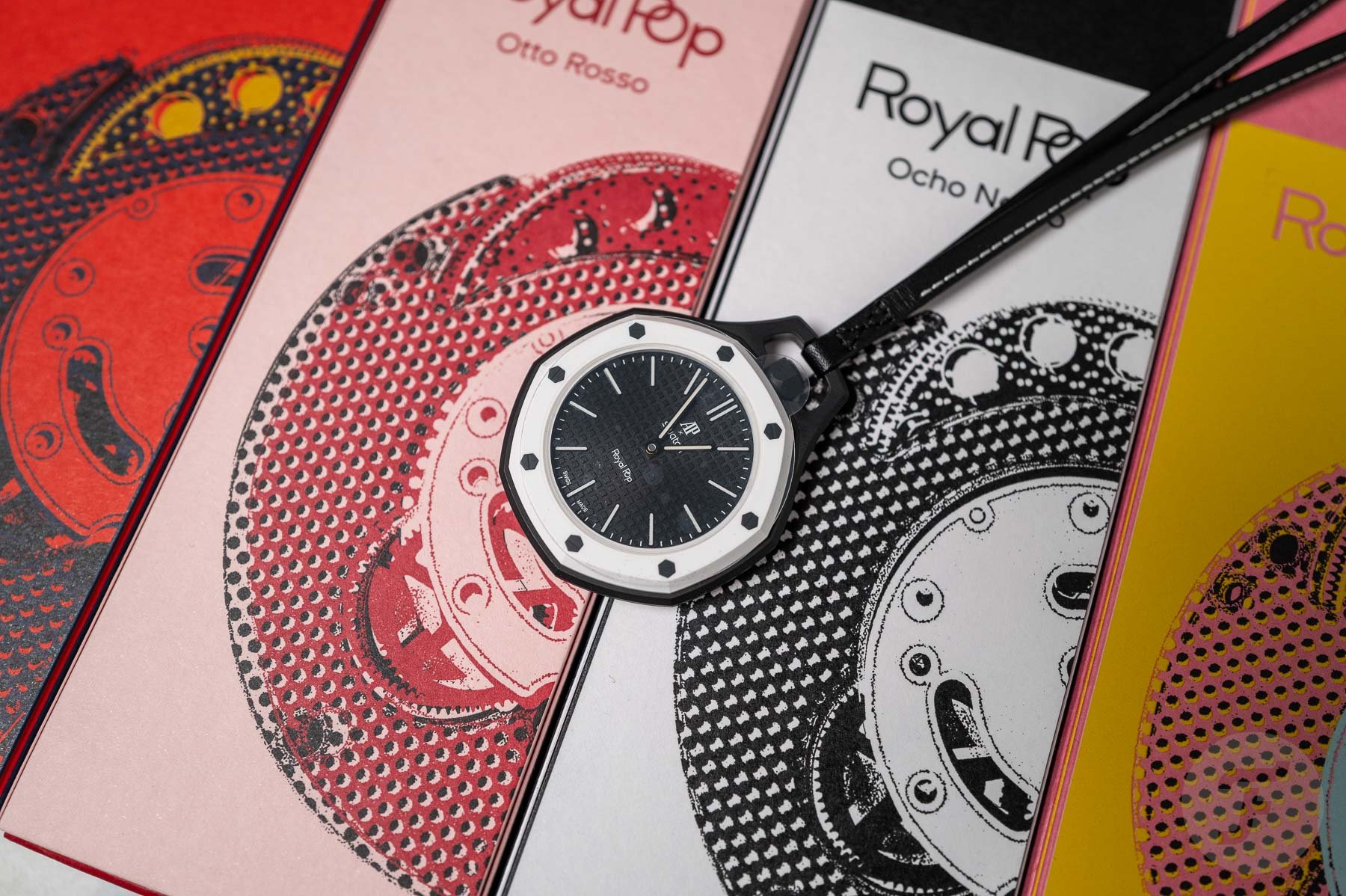
Swatch Closed the Mall. AP Just Kept Designing.
When a watch collab shuts down retail corridors and draws police, the drop has outgrown the product.
From the other desks.
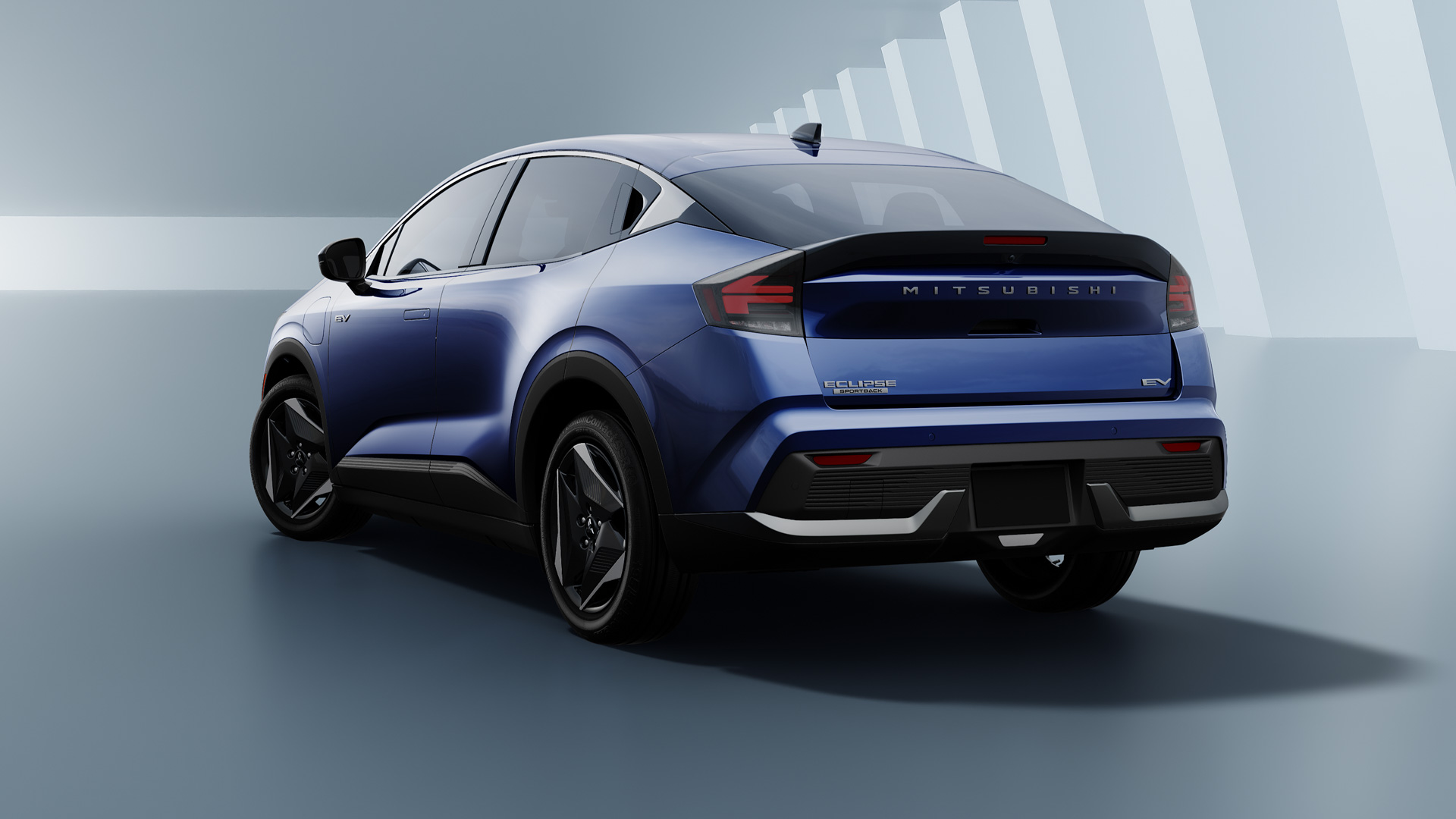
Mitsubishi Dusted Off a Sports Car Name and Put It on a Commuter
The Eclipse Sportback EV is built on a Nissan Leaf platform and priced around $30,000. The name did all the heavier lifting.

Empty Rooms, Free Tickets, and FIFA Calling It a Sellout
When the governing body starts giving away seats to fill them, the official story and the real one have stopped talking to each other.

GM Figured Out Who Pays for Your Car to Sit in the Driveway
Vehicle-to-grid is finally real — and the customer isn't you.