Empty Rooms, Free Tickets, and FIFA Calling It a Sellout
When the governing body starts giving away seats to fill them, the official story and the real one have stopped talking to each other.
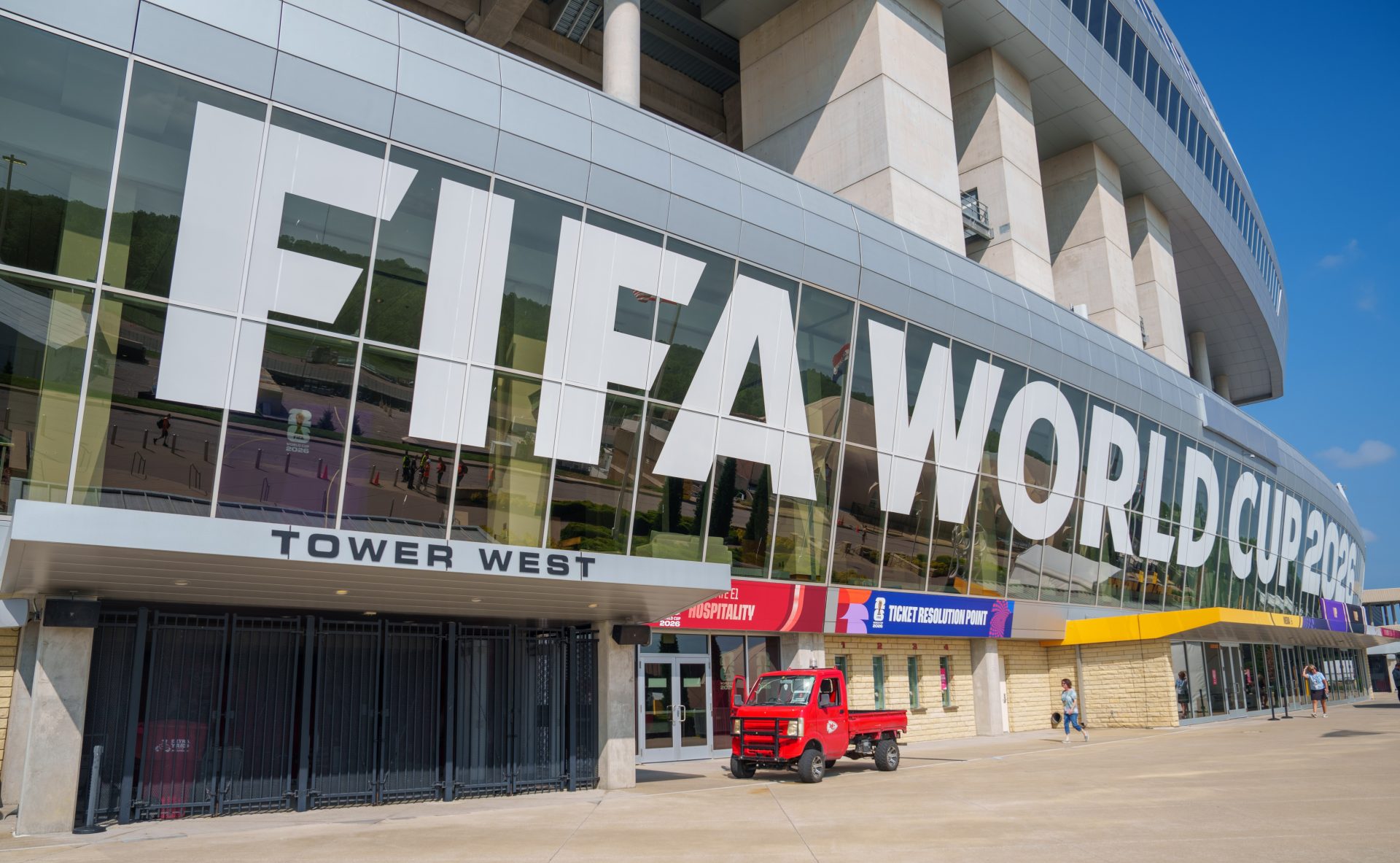
Photo · Front Office Sports
There's a version of the 2026 World Cup that looks immaculate on a press release. And then there's the version where hotels near host cities are struggling to fill rooms, and FIFA is quietly ramping up ticket giveaways to move inventory — both facts sitting in the same news cycle, neither one acknowledging the other.
That tension is worth sitting with.
The Math That Doesn't Add Up
Front Office Sports reported that U.S. hotels are still struggling to fill rooms as the tournament approaches, with aspirational buyers finding it hard to pay up. Separately, the same outlet reported that FIFA has been accelerating ticket giveaways — a strategy that, as the piece notes, allows the organization to move tickets while still technically making money. Put those two stories next to each other and a picture forms that no official communications team would frame this way: demand, at current prices, is softer than the infrastructure built around it.
This is not a small tournament with modest ambitions. The 2026 edition spans the United States, Canada, and Mexico. The scale is genuinely enormous — more host cities, more matches, more hotel rooms, more logistics than any World Cup before it. That ambition was always going to require an enormous number of people to actually show up and spend. Right now, some of those people are apparently looking at what a trip costs and deciding the math doesn't work for them.
That's not a scandal. It's just reality. But FIFA's response to that reality — giveaways engineered to move seats while preserving the optics of a sold-out event — is the part worth interrogating.
Who the Tournament Is Actually For
The giveaway strategy isn't cynical in isolation. Organizations do this. Sports leagues do this. It keeps venues full, keeps broadcast partners happy, keeps the visual of a packed stadium intact for a global audience of billions. There's a logic to it.
But it exposes something FIFA has never been particularly honest about: the World Cup, at the prices it requires to be financially viable, has outgrown the casual fan. The aspirational buyer — someone who wants to go, has followed the sport their whole life, and is willing to stretch — is the person getting priced out. The person who gets the giveaway ticket is often not that person. They're a filler, and everyone in the room knows it.
Hotels sitting half-empty near host cities tells a related story. The infrastructure was built for a spending traveler who either doesn't exist in sufficient numbers or has looked at the total cost of a World Cup trip — flights, accommodation, tickets, ground transport across a three-country footprint — and quietly closed the tab. The tournament asks a lot. At a certain price point, it starts asking too much.
What makes this genuinely interesting isn't that FIFA has a demand problem. It's that FIFA's solution to the demand problem is to obscure it rather than address it. Empty seats become gifted seats. Soft hotel occupancy becomes a story about late-booking patterns. The narrative management is the strategy, and the strategy is, for now, holding.
But infrastructure doesn't lie the way press releases do. Rooms either fill or they don't. Tickets either sell or they're handed out. And when a tournament of this scale has to rely on giveaways to maintain the appearance of its own success, the credibility gap between the event and the story being told about it becomes its own kind of problem — one that compounds the longer it goes unnamed.
The World Cup will happen. It will look full. And somewhere in a host city hotel, a corridor of empty rooms will stay quiet about what that actually cost.
Keep reading sports.

Win Enough and the Scoreboard Stops Meaning What It Said
A writer at Boardroom just named the trap every great athlete eventually falls into — and once you see it, you can't watch sports the same way again.

Dana White Said 'Super Bowl Numbers.' Someone Should Tell Paramount+.
When a promoter's hype outpaces what any single streamer can deliver, the credibility gap stops being a personality quirk and starts being a structural problem.
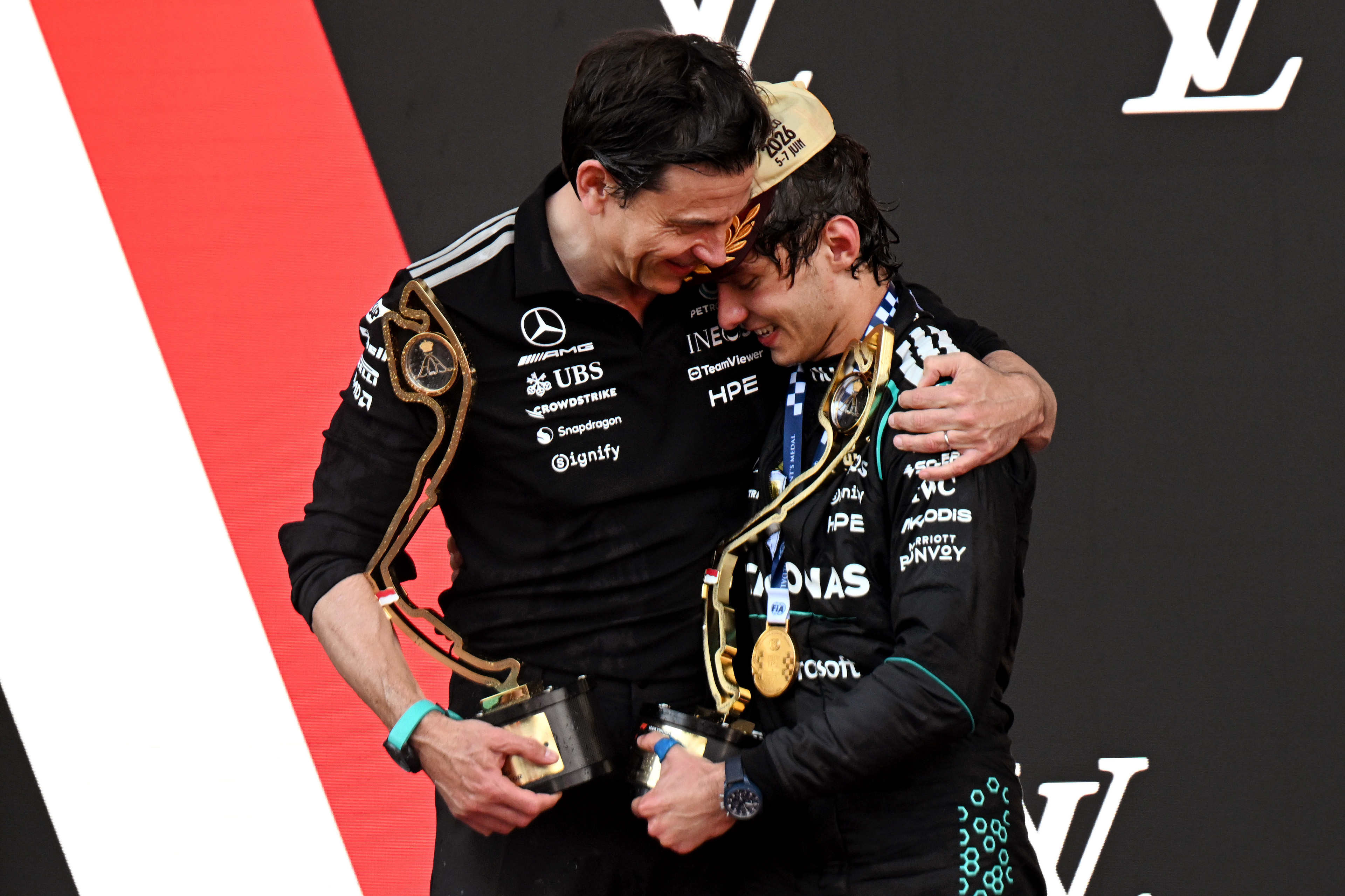
Seven Decades of Trying to Fix Monaco, and Defector Just Called the Funeral
A writer at Defector has staked out the position that no regulation will ever save Monaco — and the uncomfortable part is how hard it is to argue back.
From the other desks.
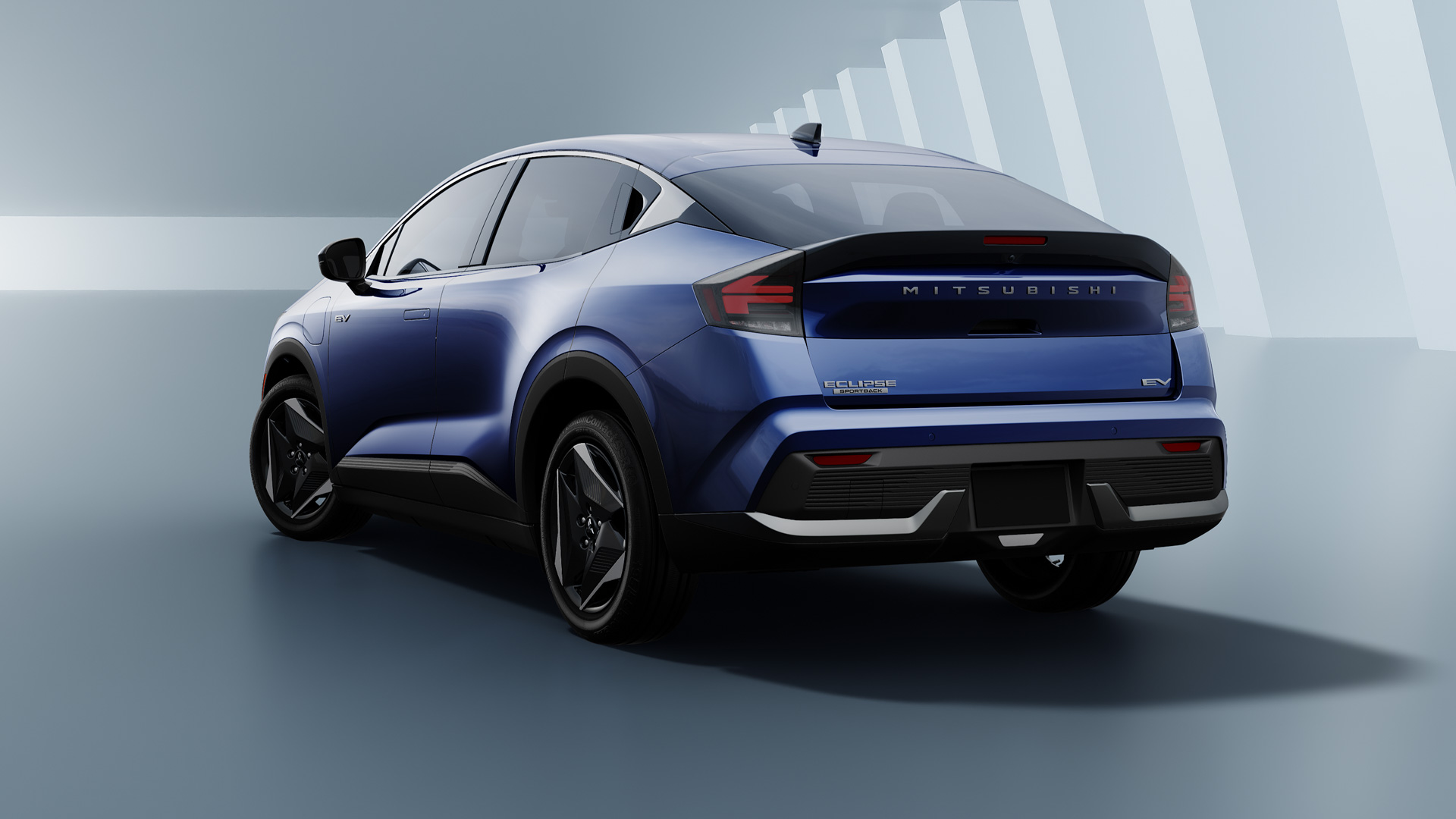
Mitsubishi Dusted Off a Sports Car Name and Put It on a Commuter
The Eclipse Sportback EV is built on a Nissan Leaf platform and priced around $30,000. The name did all the heavier lifting.
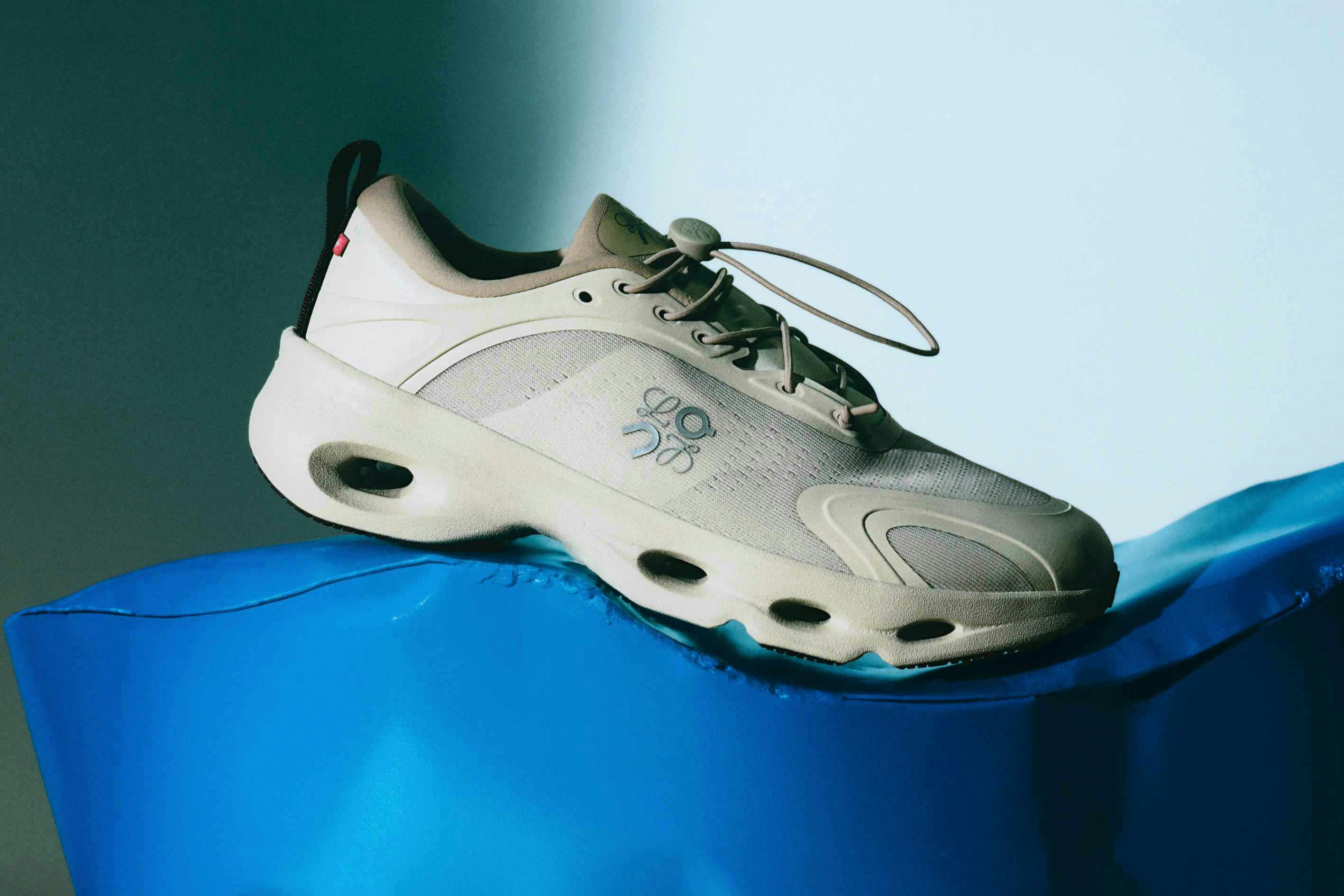
On Running Didn't Get Better. The Room Finally Caught Up.
Highsnobiety just declared On Running stylish. That sentence couldn't have existed five years ago — and the fact that it does now says more about fashion than it does about the shoe.

GM Figured Out Who Pays for Your Car to Sit in the Driveway
Vehicle-to-grid is finally real — and the customer isn't you.