Brutalism Found a Price Point. Makina Is the Proof.
A Philippine microbrand's $1,850 chronograph isn't chasing Swiss legitimacy — it's making the case that design authority was never theirs to grant.
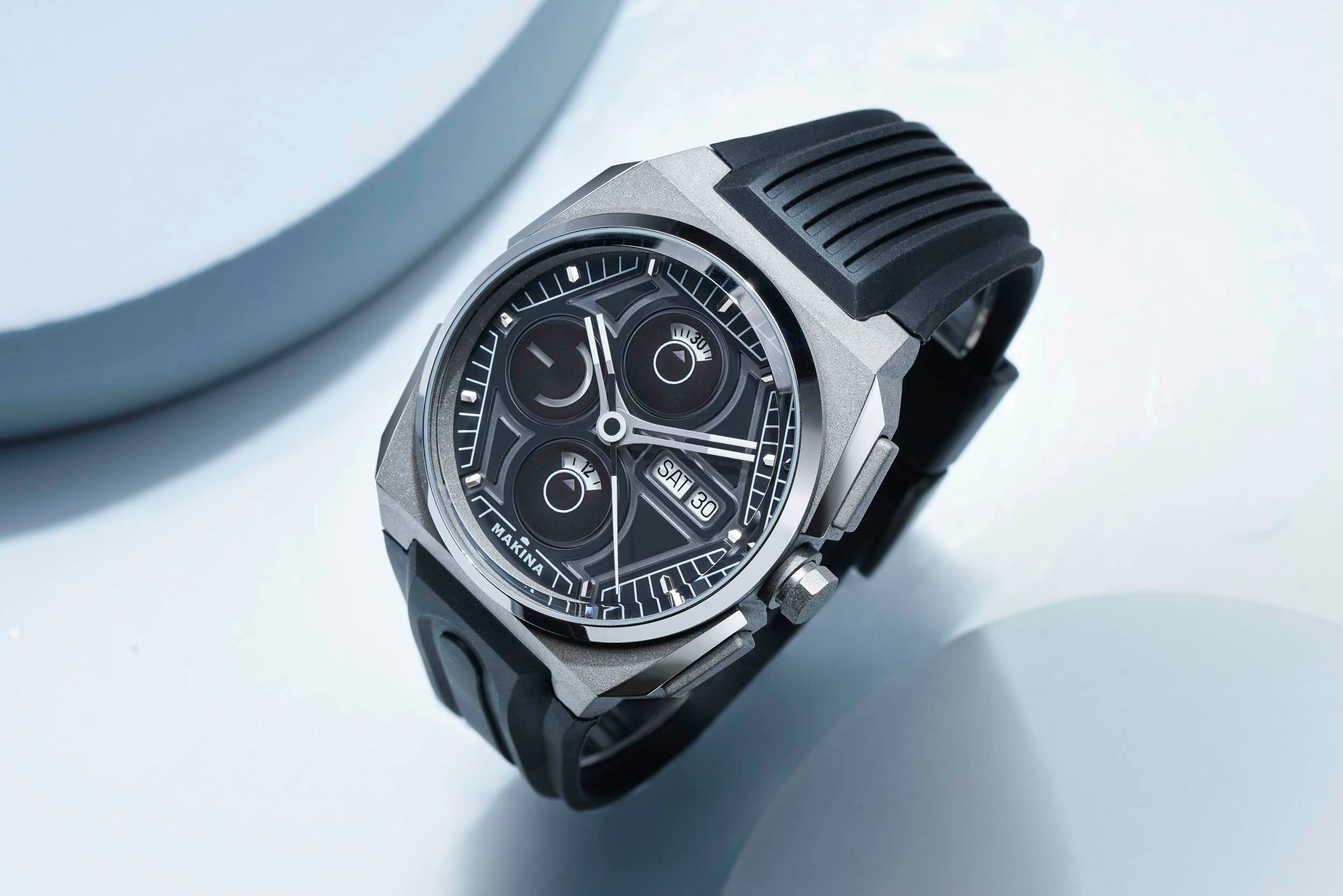
Photo · Fratello Watches – The Magazine Dedicated To Luxury Watches
There's a particular kind of watch coverage that only knows how to talk about heritage. Country of origin, movement caliber, decades of unbroken production. The implication being that without those credentials, a watch is auditioning rather than arriving.
The Makina Cassiel II doesn't audition.
Industrial, On Its Own Terms
What Fratello noted — and what lands harder the more you sit with it — is that the Cassiel II looks nothing like its predecessor, but looks very much like a Makina. That's a meaningful distinction. Most young brands spend their second or third release still figuring out what they are. Makina, a microbrand out of the Philippines, apparently already knows. The Cassiel II carries what both sources describe as a brutalist, industrial character — not as an aesthetic borrowed from a mood board, but as something that reads like a house conviction.
Oracle Time calls it the brand's first automatic chronograph. That's worth pausing on. A first automatic chronograph, from a microbrand, leaning hard into industrial styling rather than softening its edges for a broader audience. The conservative play would have been a clean three-hander. Something inoffensive. Instead, Makina built something that commits.
Presale is set at $1,850.
What That Number Actually Means
Not cheap. But not stratospheric either — and that's the interesting tension here. Brutalism in watch design has historically lived at two extremes: the kind of object that requires a finance conversation, or the kind that feels like it's apologizing for not costing more. The Cassiel II appears to be staking out the ground between those poles. Specific enough in its design language to feel intentional, priced accessibly enough that it doesn't require the buyer to treat the purchase as an event.
The coverage across both sources doesn't frame this as a value proposition. It frames it as a design story. That framing matters. When a watch gets written about primarily through the lens of what it looks like and what it represents rather than what you're getting per dollar, something has shifted. The conversation has moved.
And the fact that this conversation is happening about a Philippine microbrand — not a Geneva atelier, not a German independent — says something about where design authority actually lives now. It was always portable. The industry just preferred to pretend otherwise.
A watch that knows exactly what it is, built somewhere that wasn't supposed to build it, priced so the argument can actually begin.
Keep reading fashion.

MB&F Made a $280,000 Watch. The Robot Holding It Is the Real Argument.
When the stand weighs 15 kilograms and stands nearly 400 millimeters tall, you're not buying a timepiece anymore.

Refn, Kojima, and Five Days at the Chelsea Hotel That Nobody Could Quite Explain
When a fashion house hands its name to a filmmaker and a game designer and says 'do something,' the real question isn't what they made — it's why that answer satisfies us now.
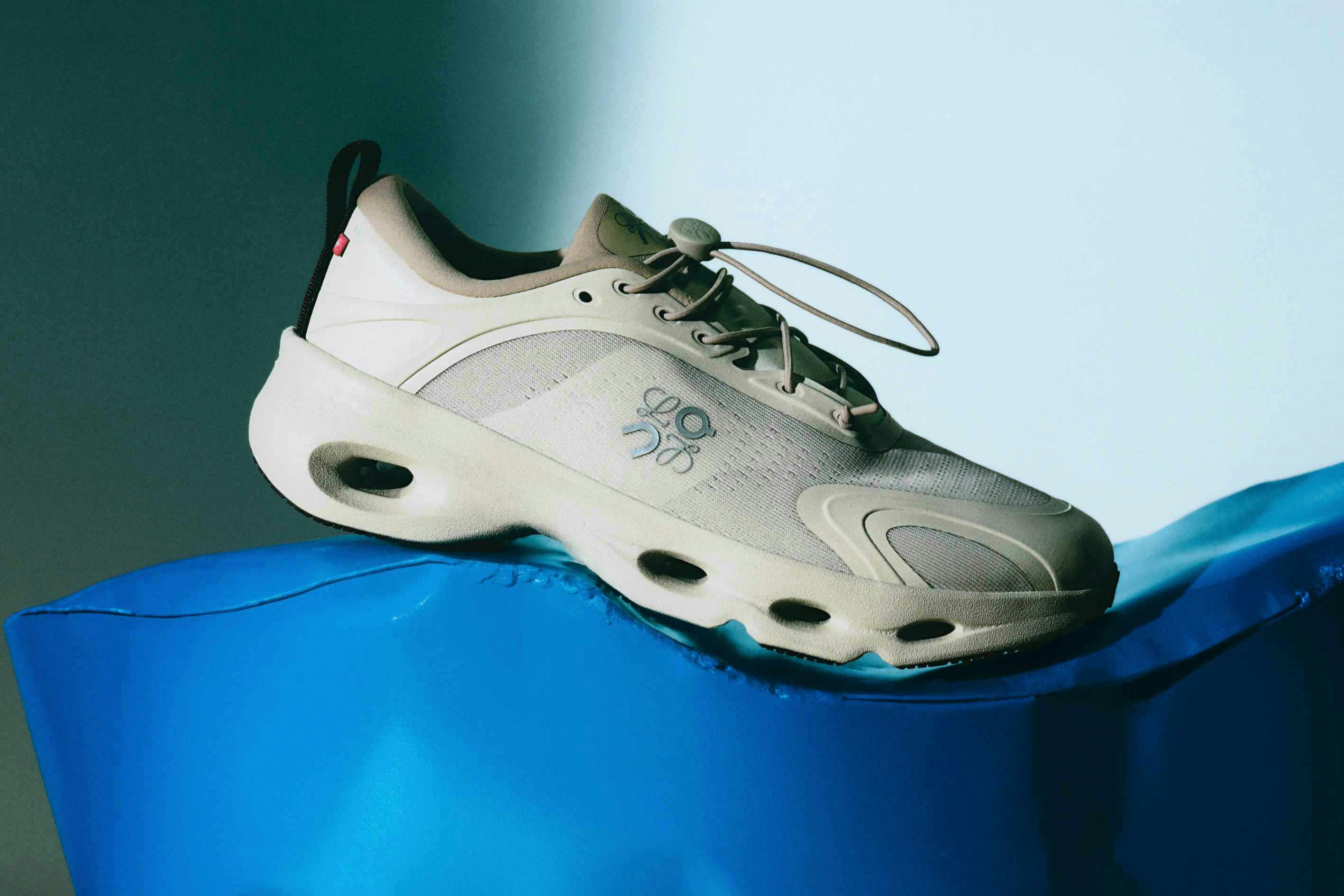
On Running Didn't Get Better. The Room Finally Caught Up.
Highsnobiety just declared On Running stylish. That sentence couldn't have existed five years ago — and the fact that it does now says more about fashion than it does about the shoe.
From the other desks.
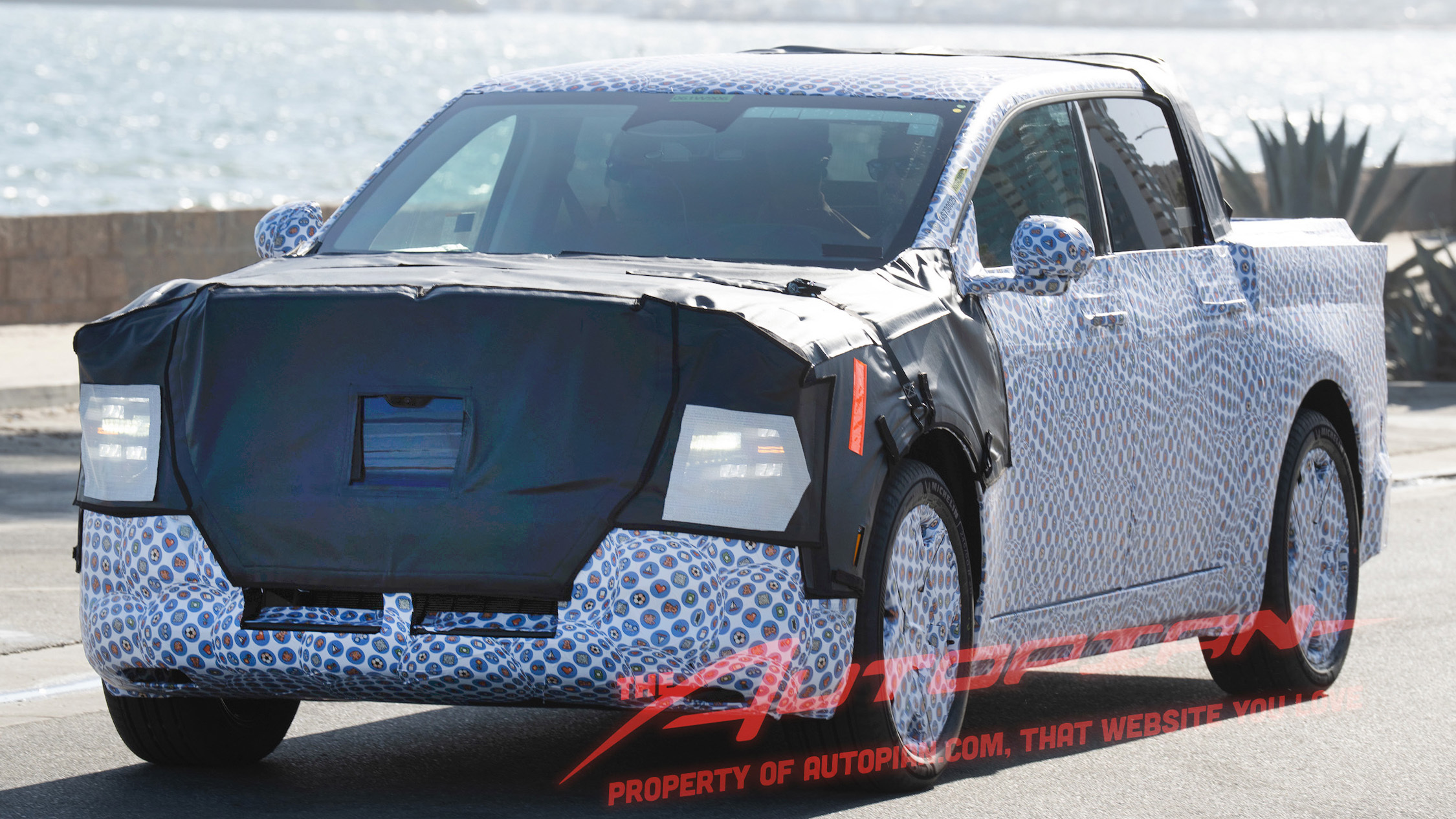
Ford Built Something Small Enough to Matter
A camouflaged prototype smaller than a Maverick might be the most important truck Ford has shown in years.

Fifty-Three Years Is Not a Drought. It's a Generation.
When the Knicks finally made the Finals, New York didn't just show up to watch — it showed up to be seen, to grieve, to remember who they were before the waiting started.

Both Companies Know Where the Bodies Are Buried
Google won't confirm it. Anthropic won't release it. The industry's relationship with creator content is a confession hiding in plain sight.