MB&F Made a $280,000 Watch. The Robot Holding It Is the Real Argument.
When the stand weighs 15 kilograms and stands nearly 400 millimeters tall, you're not buying a timepiece anymore.

Photo · Hodinkee
There's a moment in every object category when the category admits what it's actually been about all along. Fashion had it decades ago — the runway stopped being about clothes you'd wear and started being about ideas wearing clothes. Cars are in the middle of it right now. And watches, apparently, just had their moment in the form of a nearly 400-millimeter robot named The Guardian.
MB&F's HM12 is a flying tourbillon wristwatch that retails at CHF 280,000 and comes with a companion robot stand that weighs 15 kilograms. Thirty-six pieces, total. Once they're gone, they're gone — Time+Tide noted the edition closes permanently when the last one sells. There is no second run. There is no archive piece. There is the object, and then there isn't.
The watch press has largely received this with enthusiasm bordering on reverence. Hodinkee played the Domo Arigato angle. Revolution reached for galaxy metaphors. Oracle Time called it a sculpture outright, in the headline, without apology. What's interesting isn't the enthusiasm — it's the consistency of the framing. Across eight different outlets, nobody led with the movement specs. Nobody opened on the tourbillon. They all opened on the robot.
What That Tells You
The Guardian didn't invent this logic — MB&F has been operating somewhere between watchmaking and conceptual art since HM1 launched in 2007, according to Monochrome's account of the brand's trajectory. Spaceships. Supercars. Aircraft. The references have always been cinematic, deliberately childlike in their enthusiasm. But something shifted here. The robot companion isn't an accessory. It isn't packaging. It is, by weight and height and the sheer audacity of its presence on a shelf, the dominant object in the room. The watch rides on it.
SJX described the robot stand as "the most elaborate — and coolest — watch stand imaginable." That's not a throwaway compliment. That's a publication with serious mechanical credibility conceding that the sculpture won the room.
Designer Max Maertens, interviewed by Worn & Wound, came up through internships at MB&F after working with Chopard, Vacheron Constantin, and Cartier. That lineage matters because it tells you what he chose. He had the vocabulary of restraint and tradition — and he made a robot. Not as a gimmick. As a genuine expression of something the brand has been building toward.
Time+Tide positioned HM12 as a turning point, the bridge between MB&F's second and third decades. Originally conceived for the brand's 20th anniversary, it arrived carrying that weight. An object designed to mark time — in the commemorative sense, not the horological one.
What Everyone Circled But Didn't Quite Say
Here's what I keep coming back to: every piece in this coverage cluster treated the CHF 280,000 price as context rather than controversy. Nobody asked whether a watch stand should cost what a car costs. Nobody interrogated the value proposition. The question of worth simply didn't arise — and that silence is its own kind of answer.
When the conversation around a timepiece moves entirely into the register of art — when the robot is the story and the movement is the supporting detail — the usual calculus dissolves. You're not comparing it to other watches at this price. You're comparing it to what a serious collector might spend on a sculpture, a painting, something made in an edition of thirty-six that will not exist again.
MB&F has been making this argument incrementally for nearly twenty years. HM12 is the moment the argument stopped needing to be made.
Thirty-six people will own a robot with a watch in its chest. The rest of us will keep thinking about it.
Keep reading fashion.
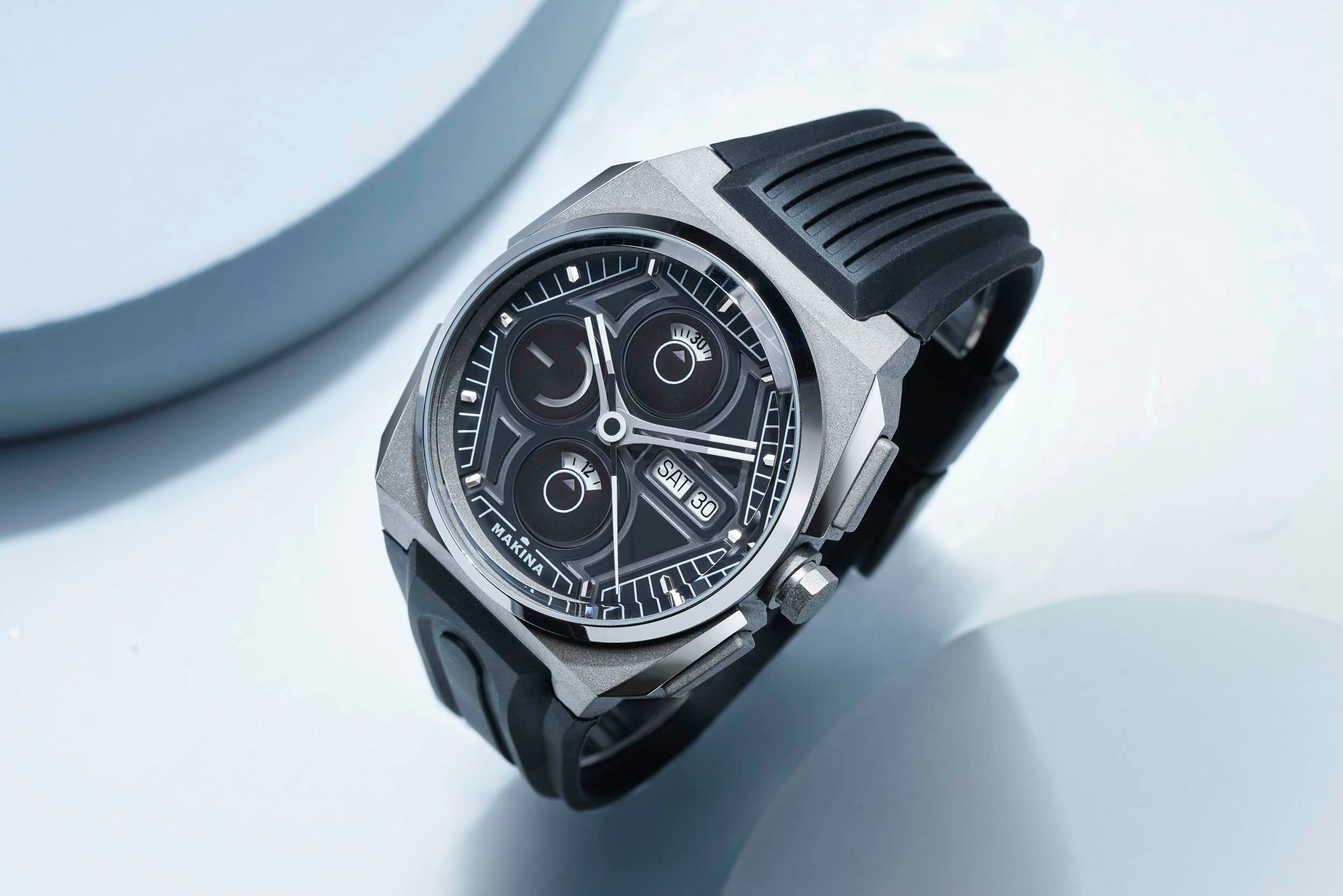
Brutalism Found a Price Point. Makina Is the Proof.
A Philippine microbrand's $1,850 chronograph isn't chasing Swiss legitimacy — it's making the case that design authority was never theirs to grant.

Refn, Kojima, and Five Days at the Chelsea Hotel That Nobody Could Quite Explain
When a fashion house hands its name to a filmmaker and a game designer and says 'do something,' the real question isn't what they made — it's why that answer satisfies us now.
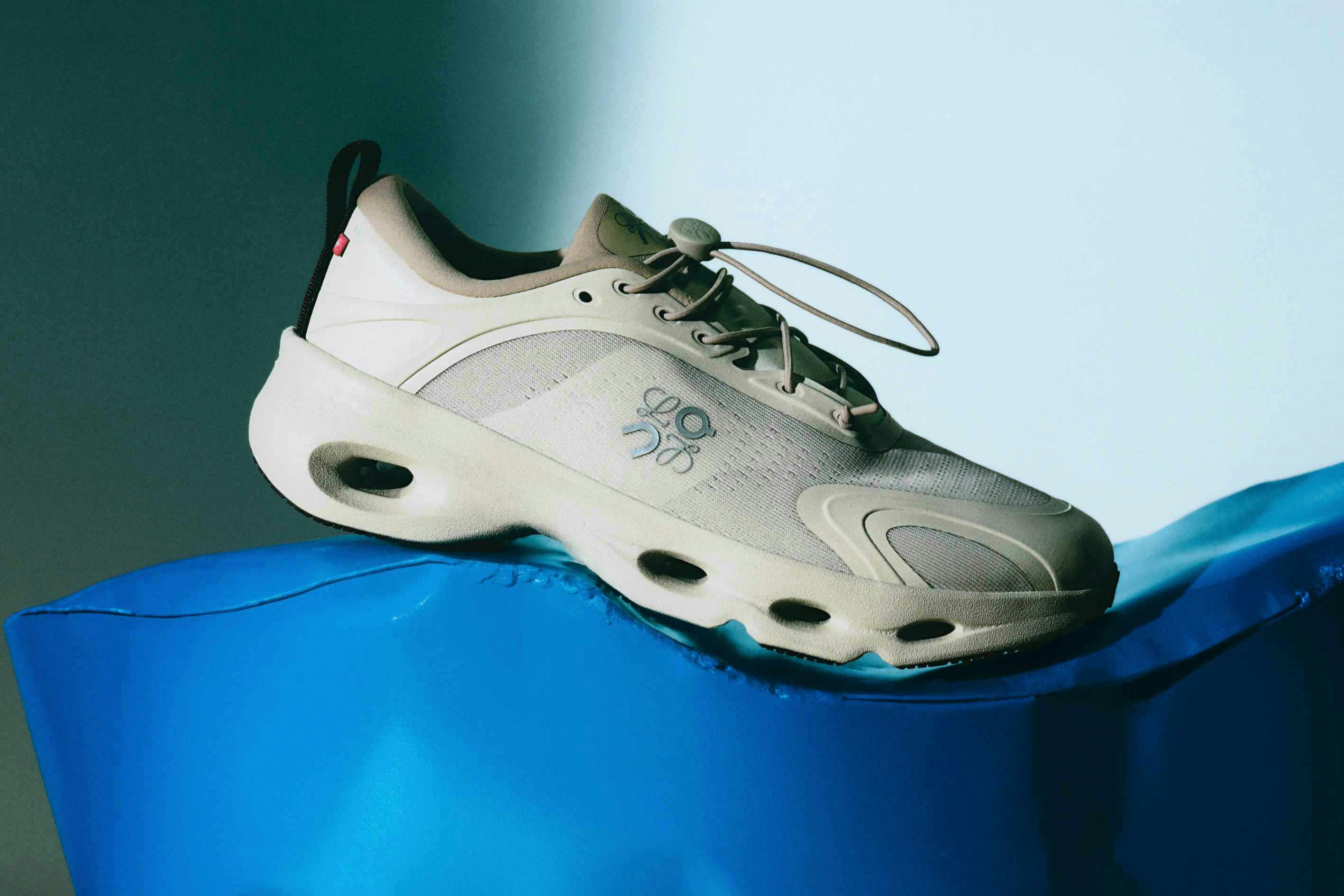
On Running Didn't Get Better. The Room Finally Caught Up.
Highsnobiety just declared On Running stylish. That sentence couldn't have existed five years ago — and the fact that it does now says more about fashion than it does about the shoe.
From the other desks.
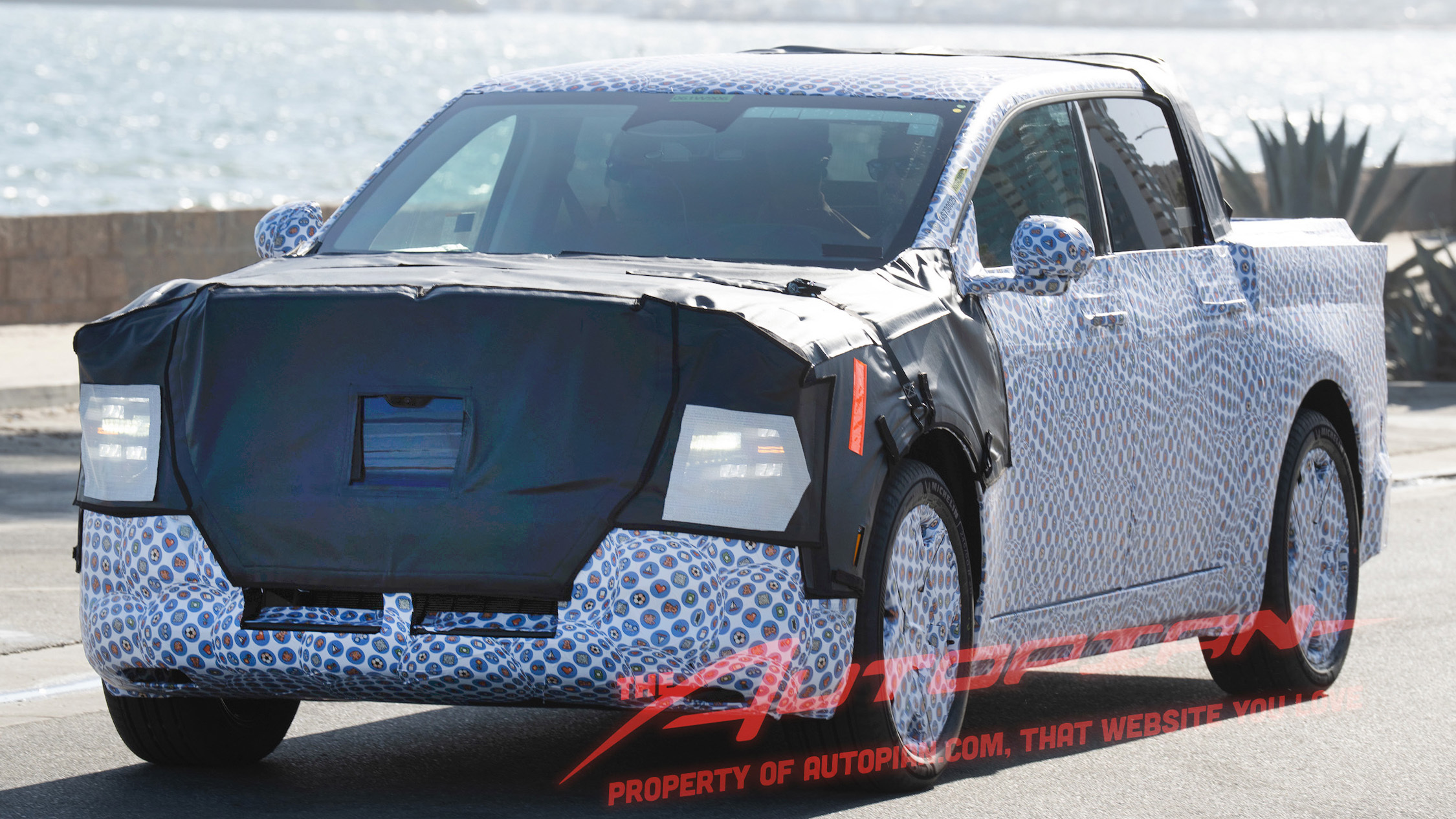
Ford Built Something Small Enough to Matter
A camouflaged prototype smaller than a Maverick might be the most important truck Ford has shown in years.

Fifty-Three Years Is Not a Drought. It's a Generation.
When the Knicks finally made the Finals, New York didn't just show up to watch — it showed up to be seen, to grieve, to remember who they were before the waiting started.

Both Companies Know Where the Bodies Are Buried
Google won't confirm it. Anthropic won't release it. The industry's relationship with creator content is a confession hiding in plain sight.