Whoever Owns the Diagnostic Port Owns the Car
When the White House starts talking about your right to fix your own vehicle, the fight over what ownership actually means just went national.
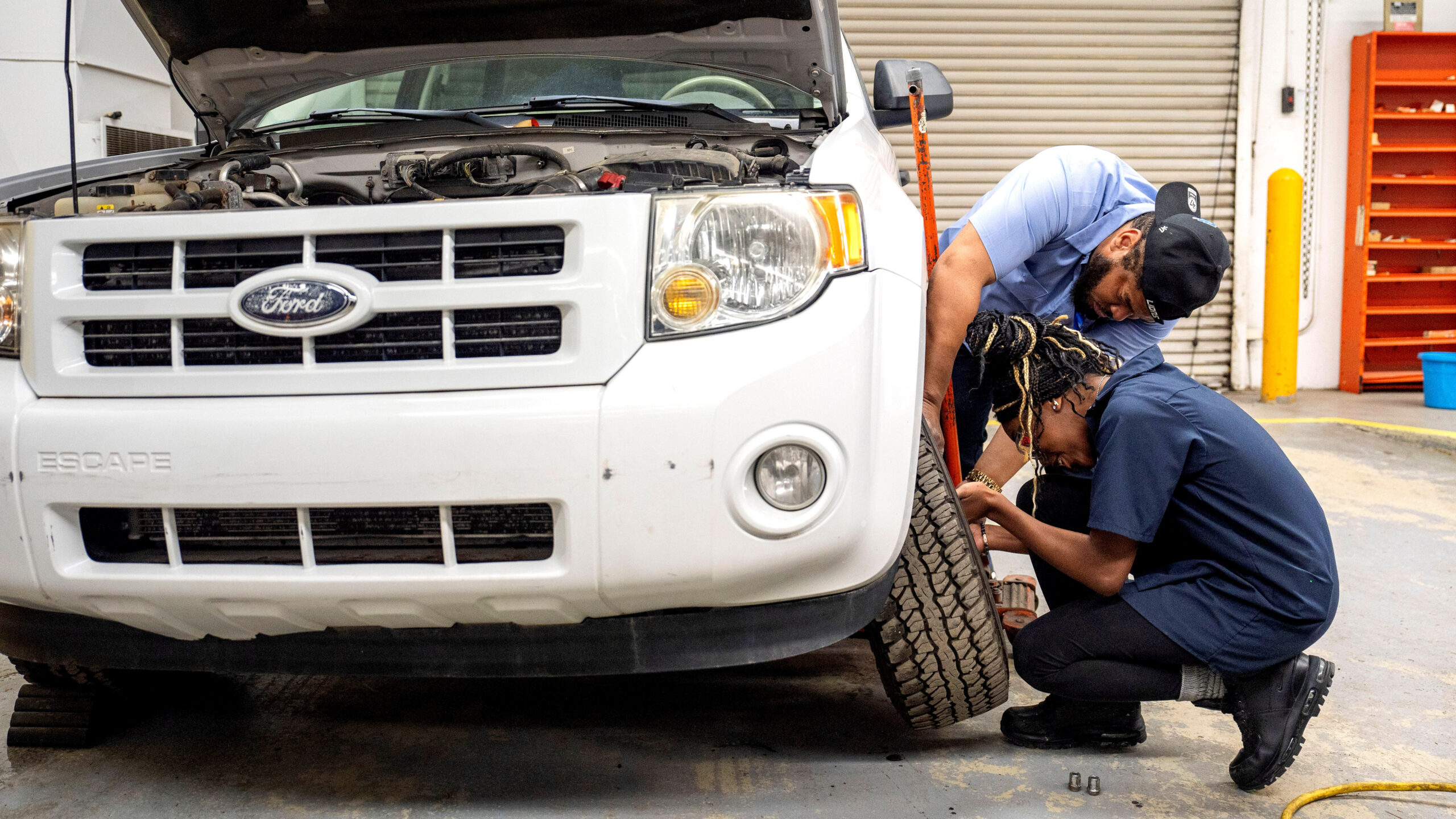
Photo · Carscoops
There's a version of this debate that's been humming along in industry newsletters and repair shop back rooms for years. Then the President of the United States names Ford and GM specifically, in public, and suddenly it's somewhere else entirely.
A writer at Carscoops covered a White House meeting in which the right-to-repair question — who controls access to vehicle diagnostics, repair data, and the software threaded through modern cars — was put directly on the table. The framing matters: the piece positions automakers as the ones pushing for legislation that would restrict what owners and independent shops can do with vehicles they've already paid for. That's the take being staked out. And it's not a small one.
What's Actually at Stake
The modern car is not a mechanical object with a computer in it. It's a computer that moves. The diagnostic port is a policy position. Every manufacturer decision about what data flows through it, who can read it, and who can act on it is a decision about whether the person who bought the vehicle actually controls it — or just operates it under license.
That distinction used to live in the fine print. Now it's apparently in an Oval Office conversation.
When a White House meeting frames this as drivers versus manufacturers, the subtext is hard to miss: repair access is being handed a political identity. That can cut both ways. It can generate real momentum — policy, legislation, enforceable standards. It can also get absorbed into the machinery of culture war, where the symbolic win matters more than what actually changes at the dealership counter.
The Carscoops piece is careful to report what was said and who's being named. What it can't fully resolve — and what nobody can yet — is whether this White House attention produces anything durable, or whether it functions as pressure relief. Say the thing, move on, nothing structurally changes.
The Repair Shop Isn't the Only Audience
Here's what's interesting about this moment: the audience for right-to-repair rhetoric has quietly expanded. It used to be enthusiasts, independent mechanics, and parts retailers. People with tools and reasons to use them. Now the conversation is being threaded into a broader ownership-versus-access anxiety that a lot of people feel about a lot of things — software, hardware, subscription models, the slow erosion of the idea that buying something means controlling it.
That's a bigger coalition. And automakers probably know it.
The political price of being seen as the entity standing between an American and their own truck is not a comfortable position to occupy right now. Whether Ford and GM are actually pushing for restrictive legislation, or whether the characterization is more complicated than a White House meeting suggests, the optics are load-bearing. The story being told — manufacturers versus owners — is one that resonates in places well beyond the repair bay.
The writer at Carscoops is reporting a real thing that happened in a real room. What they're also capturing, maybe without quite saying it, is that the diagnostic port just became a symbol. And symbols, once they enter political speech, don't stay technical for long.
Ownership was always the argument. Now it has a microphone.
Keep reading cars.
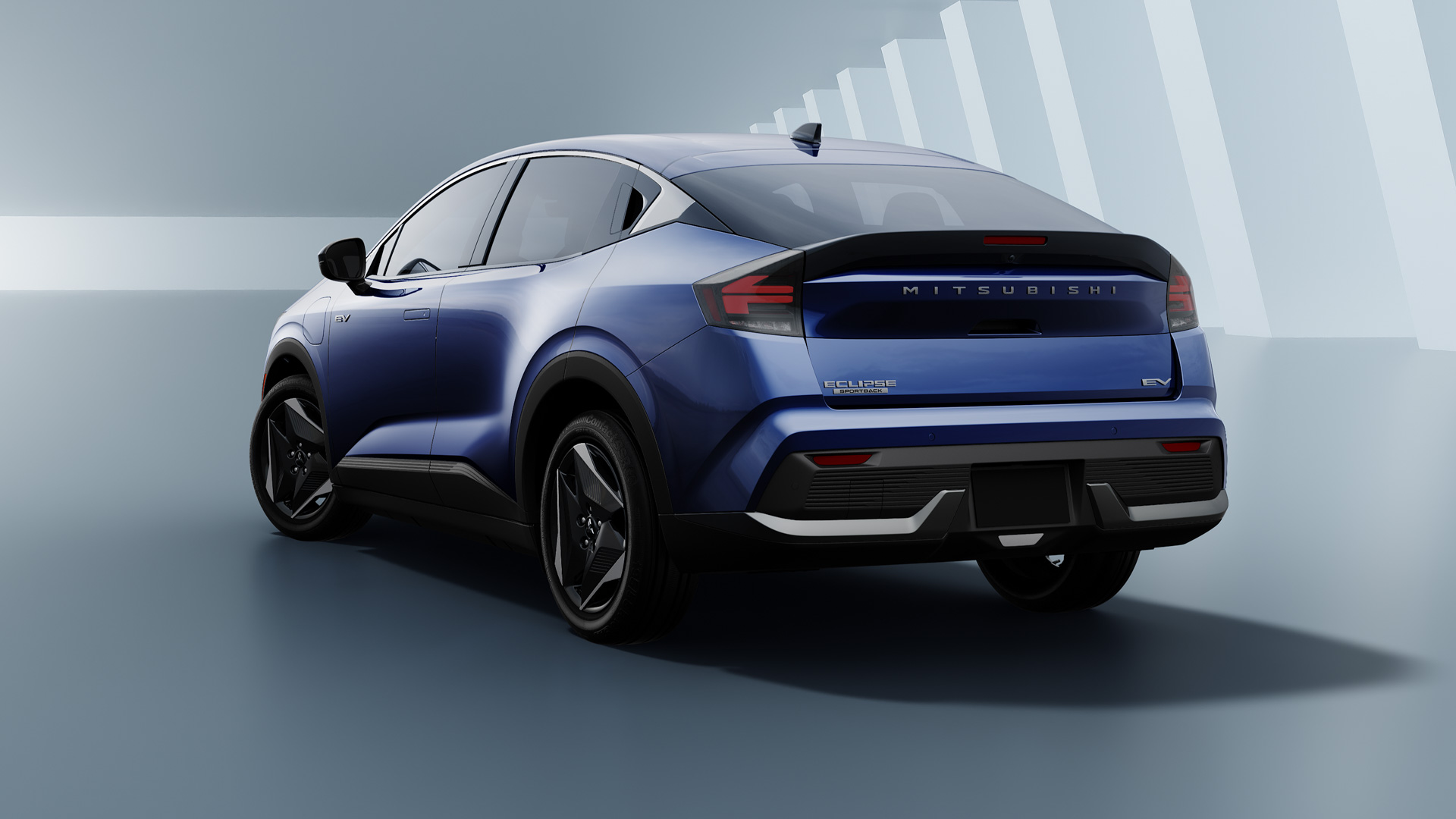
Mitsubishi Dusted Off a Sports Car Name and Put It on a Commuter
The Eclipse Sportback EV is built on a Nissan Leaf platform and priced around $30,000. The name did all the heavier lifting.

RJ Scaringe Has a Number That Should Embarrass the Whole Industry
Two models, half the market — Rivian's CEO just named the thing everyone else is tiptoeing around.
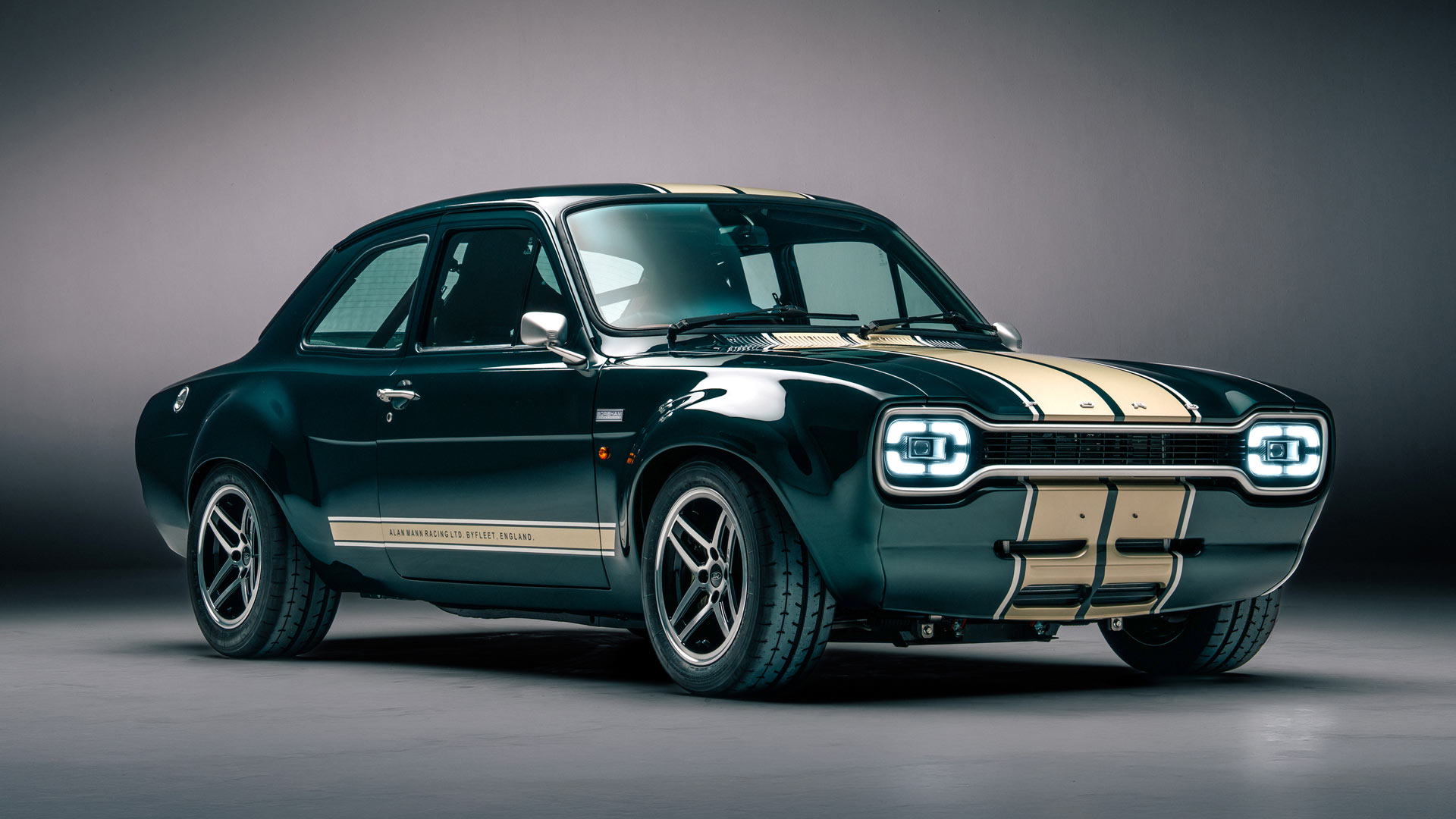
Boreham Built a New Escort From Nothing and Called It the Original
At £300,000, the Boreham Escort RS isn't nostalgia — it's a philosophical argument with a 10,000rpm redline.
From the other desks.
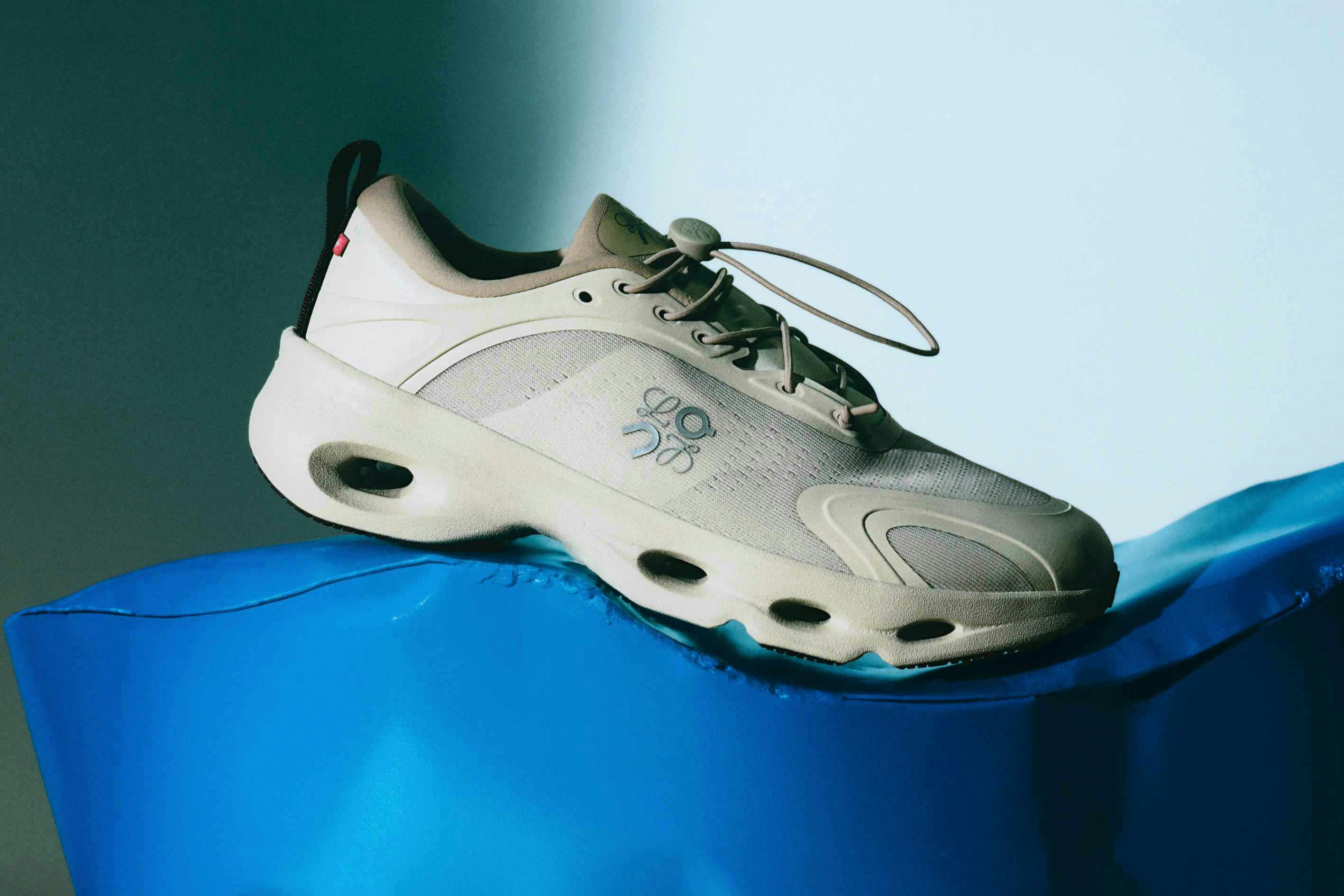
On Running Didn't Get Better. The Room Finally Caught Up.
Highsnobiety just declared On Running stylish. That sentence couldn't have existed five years ago — and the fact that it does now says more about fashion than it does about the shoe.
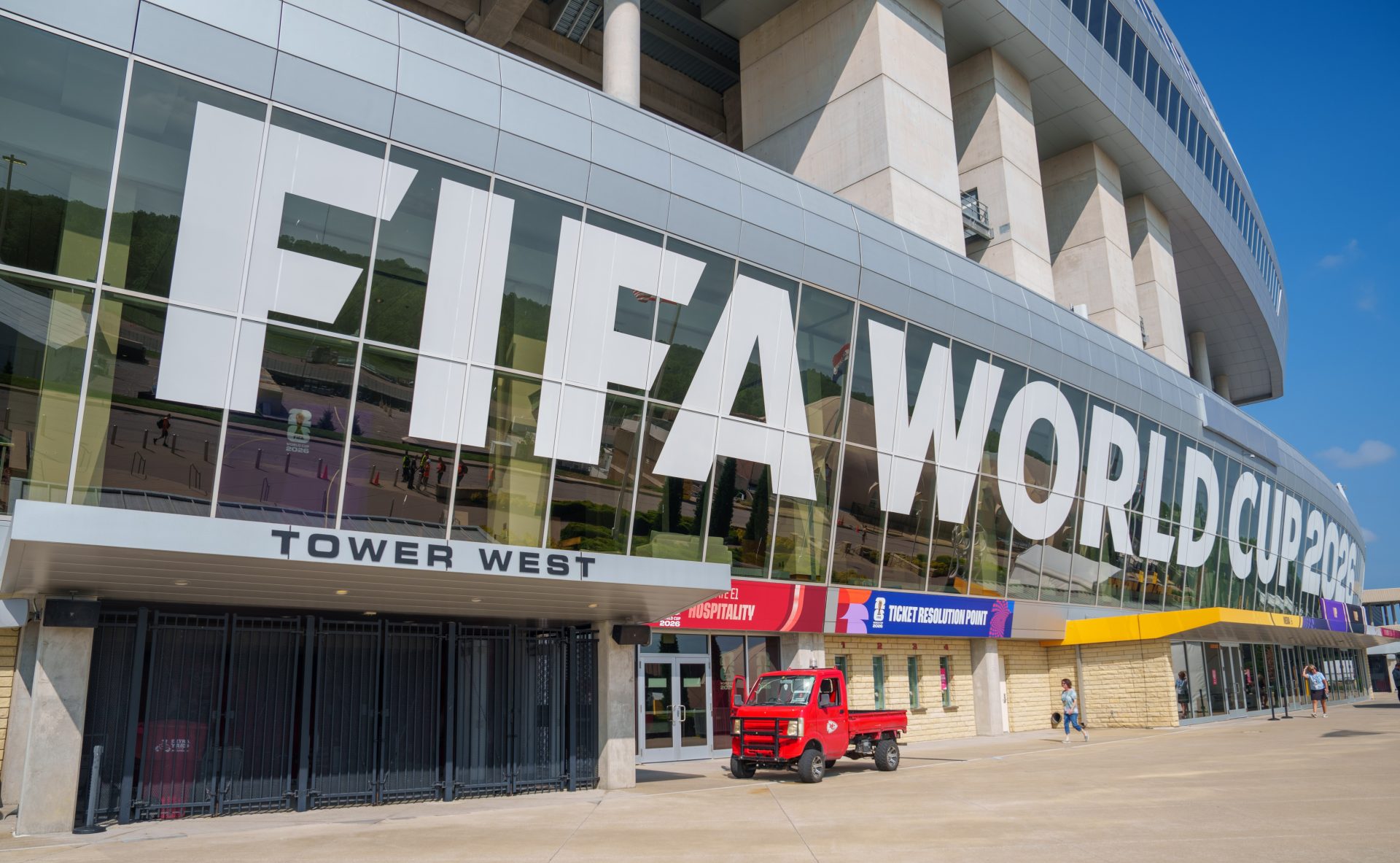
Empty Rooms, Free Tickets, and FIFA Calling It a Sellout
When the governing body starts giving away seats to fill them, the official story and the real one have stopped talking to each other.

GM Figured Out Who Pays for Your Car to Sit in the Driveway
Vehicle-to-grid is finally real — and the customer isn't you.