RJ Scaringe Has a Number That Should Embarrass the Whole Industry
Two models, half the market — Rivian's CEO just named the thing everyone else is tiptoeing around.

Photo · InsideEVs - Articles
Fifty percent.
Two models. Half the U.S. EV market. That's the number Rivian's CEO RJ Scaringe put on the table, and the way he framed it deserves more than a headline scroll. He didn't call it dominance. He called it evidence of a market that isn't healthy and isn't well-served. That's a different diagnosis entirely — and a harder one to argue with.
The easy read on American EV adoption has always been cultural resistance. People don't want them. Range anxiety. Charging infrastructure. A stubborn attachment to the pump and the rumble. It's a tidy story. Scaringe, according to coverage at InsideEVs, called that a "fairly lazy explanation" — and when a CEO of a company with real skin in the game says that out loud, it's worth sitting with.
Concentration Isn't Proof of Preference
Here's what fifty percent in two models actually tells you: buyers aren't choosing EVs broadly. They're choosing specific EVs — the ones they've heard of, the ones with the infrastructure behind them, the ones their neighbor already has. That's not anti-EV sentiment. That's a market that hasn't given people enough real options to form real opinions.
When a category this young collapses to two dominant players, you don't have consumer preference data. You have a funnel problem. The buyers who want something different — a different size, a different price point, a different brand identity — are either going back to gas or waiting. Neither outcome gets counted as demand.
Scaringe's argument, as framed in the coverage, isn't that Americans love EVs and the industry is thriving. It's the opposite: the concentration itself is the symptom. A well-served market looks like spread. It looks like people buying electric vehicles the way they buy any other vehicle — because something fit their life, not because the field was thin.
What Immature Markets Actually Look Like
There's a version of this story where two models owning fifty percent is fine — even expected. Early markets consolidate. One or two products define the category, prove the concept, build the infrastructure. Then the field opens. That's not dysfunction, that's sequence.
But the sequence only works if the field actually opens. If it doesn't — if the next tier of manufacturers can't get to scale, can't make the margins work, can't hold on long enough for the infrastructure to catch up — then what looks like an immature market starts to look like a broken one. The difference matters, and right now it's not obvious which one we're in.
Rivian has reasons to make this argument. That's not a reason to dismiss it. The observation stands on its own: a market where two models own half the sales isn't telling you what Americans think about electric vehicles. It's telling you what options they were actually given.
The number Scaringe put on the table isn't a complaint. It's a question about whether the industry built a market or just built a duopoly and called it progress.
Keep reading cars.
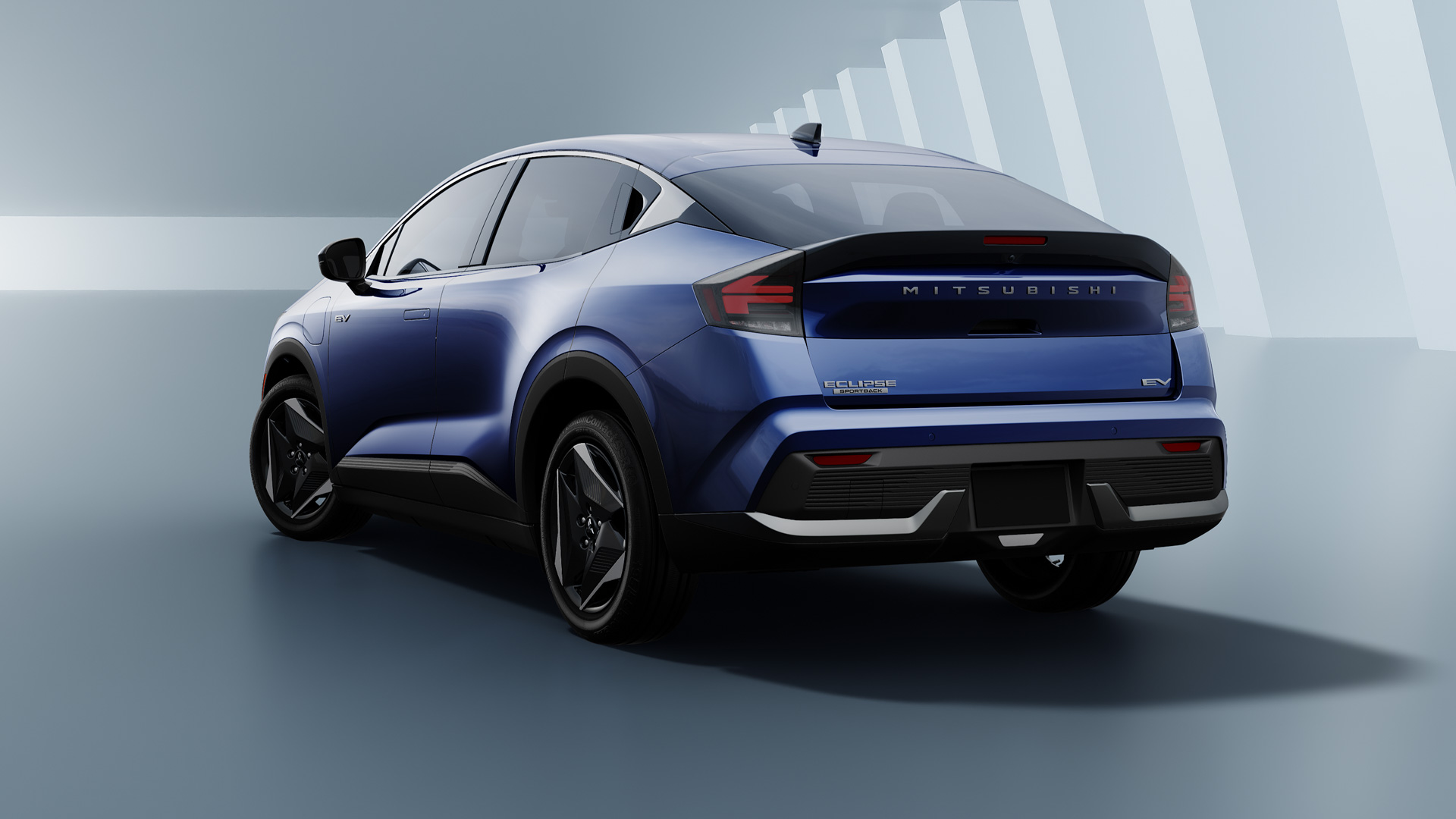
Mitsubishi Dusted Off a Sports Car Name and Put It on a Commuter
The Eclipse Sportback EV is built on a Nissan Leaf platform and priced around $30,000. The name did all the heavier lifting.
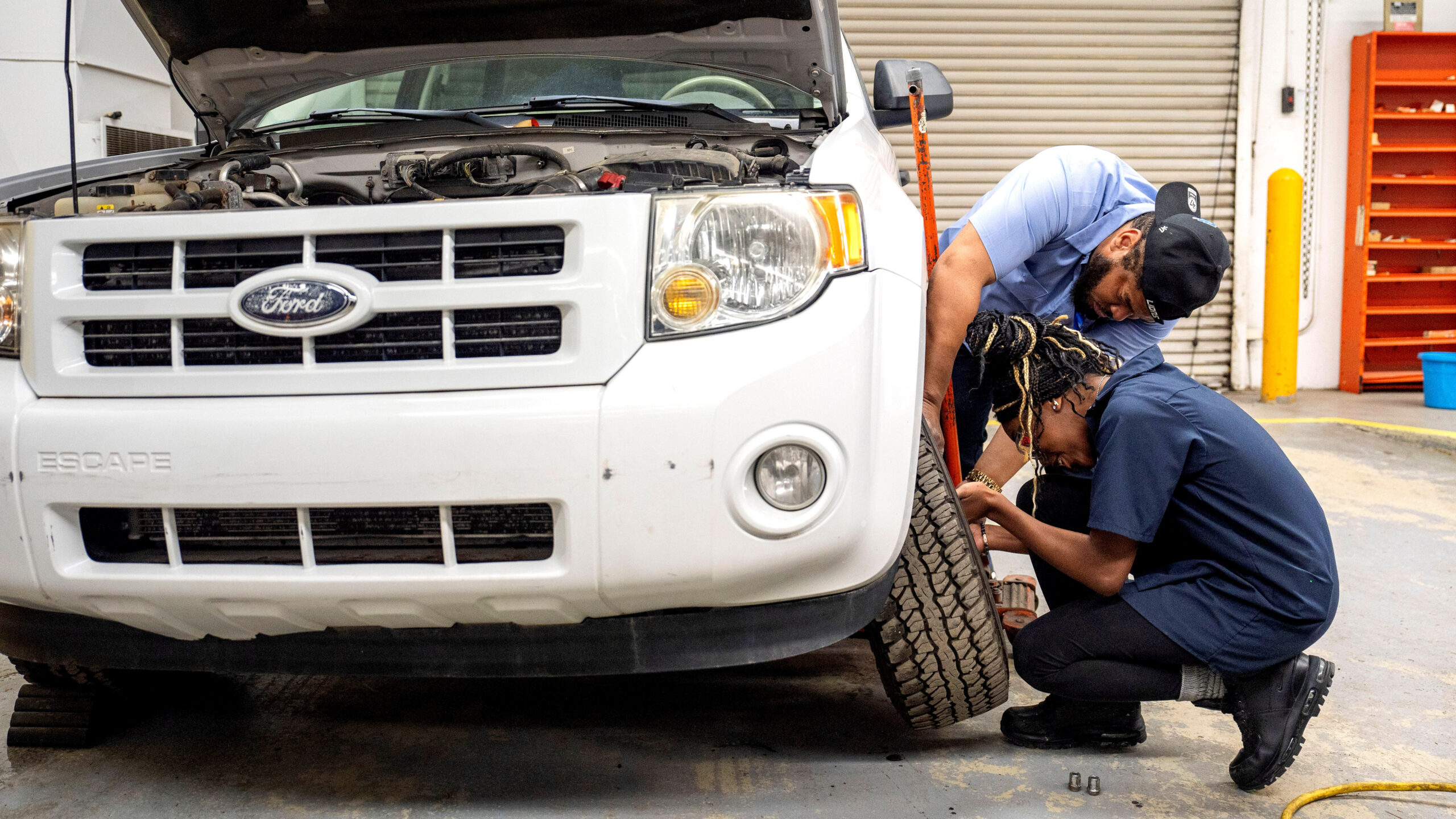
Whoever Owns the Diagnostic Port Owns the Car
When the White House starts talking about your right to fix your own vehicle, the fight over what ownership actually means just went national.
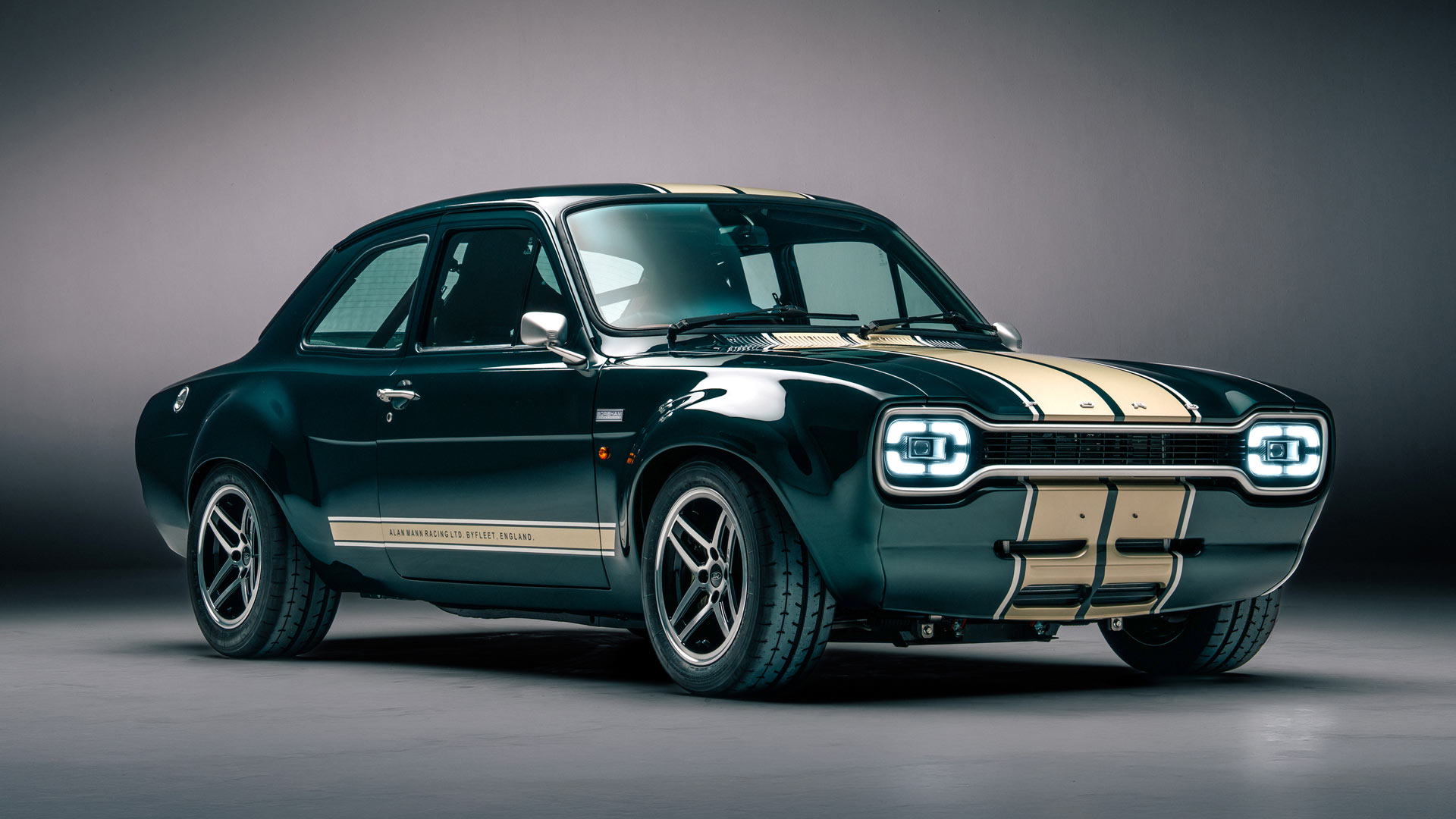
Boreham Built a New Escort From Nothing and Called It the Original
At £300,000, the Boreham Escort RS isn't nostalgia — it's a philosophical argument with a 10,000rpm redline.
From the other desks.
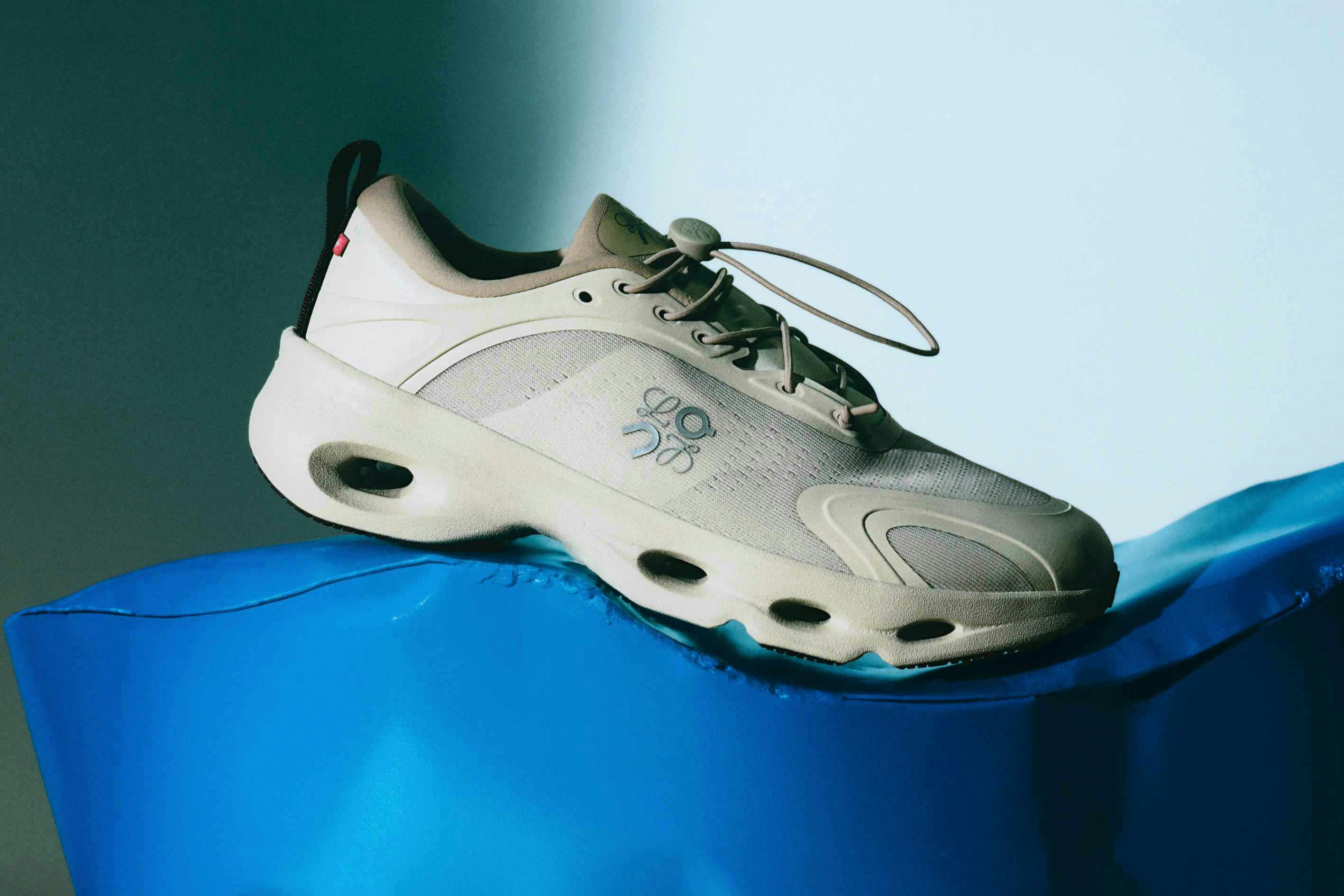
On Running Didn't Get Better. The Room Finally Caught Up.
Highsnobiety just declared On Running stylish. That sentence couldn't have existed five years ago — and the fact that it does now says more about fashion than it does about the shoe.
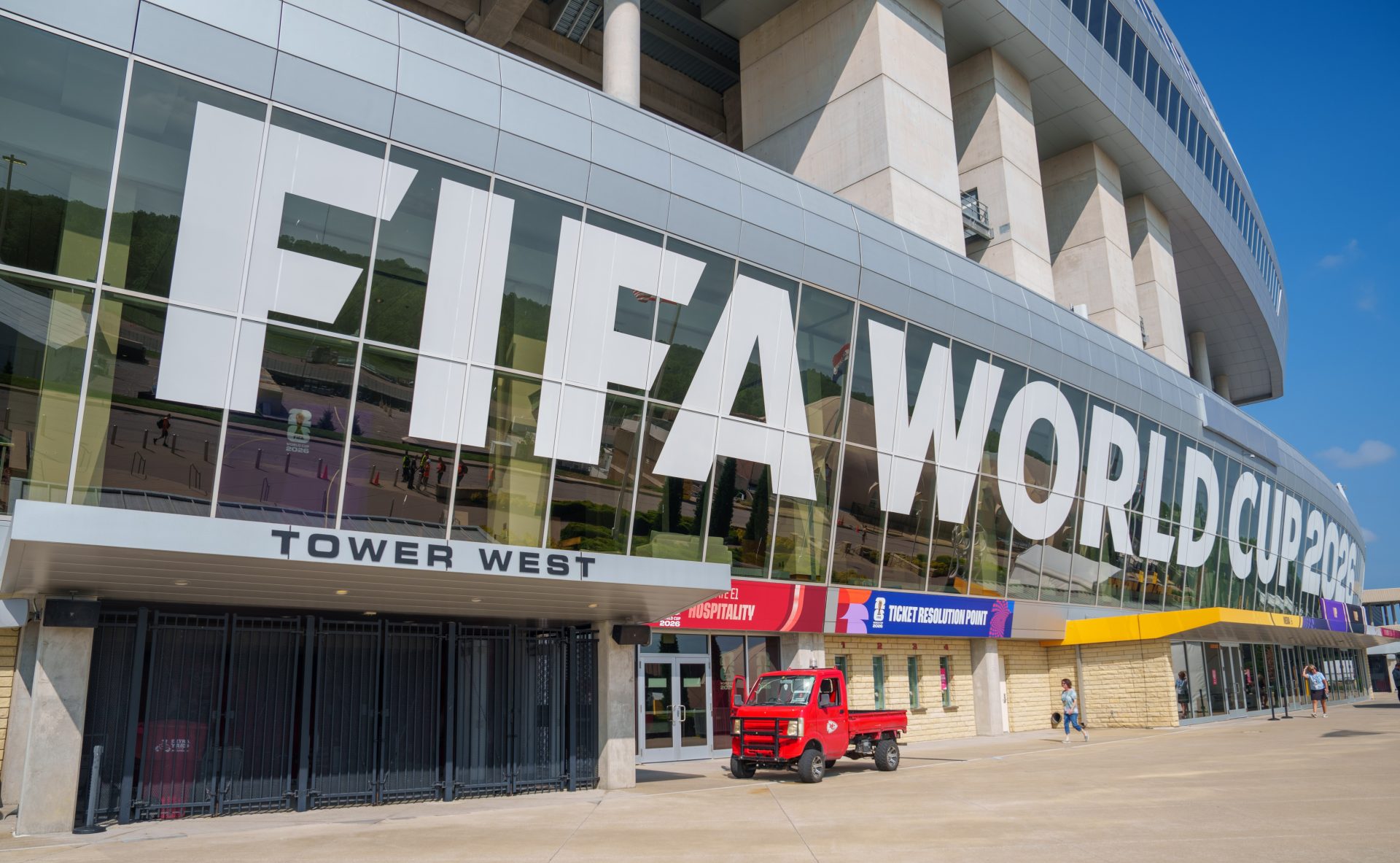
Empty Rooms, Free Tickets, and FIFA Calling It a Sellout
When the governing body starts giving away seats to fill them, the official story and the real one have stopped talking to each other.

GM Figured Out Who Pays for Your Car to Sit in the Driveway
Vehicle-to-grid is finally real — and the customer isn't you.