Fifty Years of Not Trying to Impress You
Honda just gave the Accord a birthday makeover — and the car's whole history argues that was never the strategy.
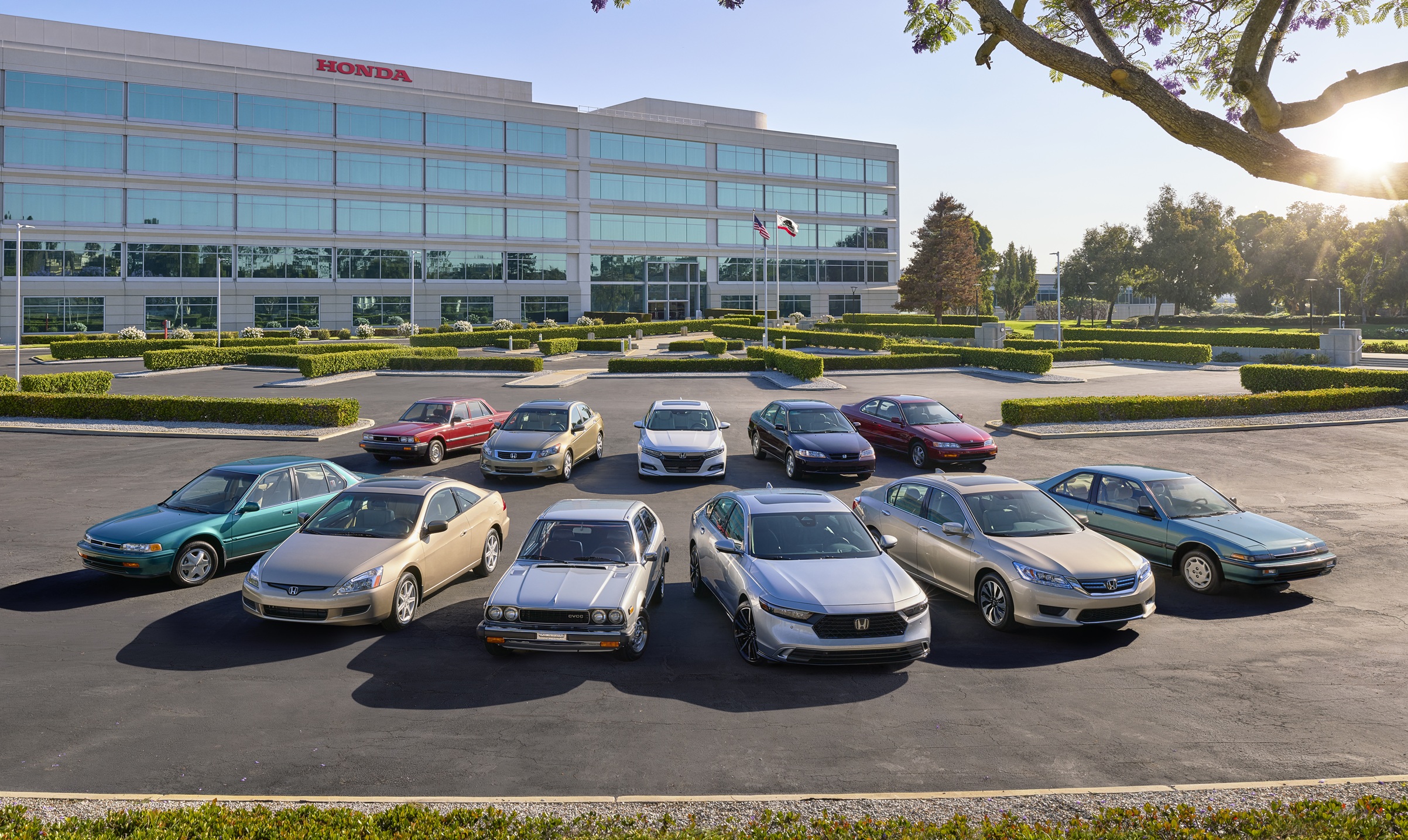
Photo · Hagerty Media
Here is the version of the sedan that survived: not the one that chased performance, not the one that reinvented itself every few years to stay relevant, but the one that simply showed up, reliably, for half a century.
The Accord turned 50 on June 9th. Honda marked it the way you'd expect — quietly at first, then with news that the 2028 model is getting a redesign, reportedly drawing inspiration from the brand's 0 Series EV concept. That concept was canceled, which makes the design direction feel like a statement about what survives and what doesn't. Hagerty noted that the original Accord wasn't positioned as a performance machine or a style statement. It sat above the Civic, offered more, and promised the same thing Honda had always promised: dependability, value, practicality. Not glamour. Not speed. Just a car that would be there when you needed it.
Fifty years of that is not an accident. It's a philosophy.
What the Sedan Debate Always Gets Wrong
The conversation around sedans dying has been loud for years, and it's been about the wrong things. Critics measured the form against trucks and SUVs on cargo space, ground clearance, utility. They weren't wrong on the numbers. But they were measuring the wrong currency.
The Accord's survival isn't about specs. It's about the implicit contract it offers — the sense that this car won't ask too much of you. Won't need to be a statement. Won't require defending. You buy it, it works, and everyone in your life nods because they've been nodding at Accords for decades. MotorBiscuit framed the 50th anniversary as proof the sedan isn't dead, and the makeover announcement is evidence Honda agrees. But the proof was already in the longevity itself, not the redesign.
That said, a redesign informed by canceled electric-vehicle thinking is interesting. It suggests Honda wants the Accord to carry forward something from a project that didn't make it — salvaging the visual ambition even when the powertrain economics didn't pencil out. Whether that results in a car that looks genuinely fresh or just gestures at modernity is a question the 2028 model will have to answer.
The Permission Slip
What strikes me about the coverage around this anniversary is the tone: both outlets treat the Accord with something approaching affection, and neither has to work very hard to justify it. Hagerty described it as woven into the fabric of the automotive landscape. That phrase does a lot of work. It doesn't say iconic. It doesn't say legendary. It says woven in — present, structural, load-bearing.
That's a different kind of status. It's not the status of the car you dream about. It's the status of the car that was there when your family needed one, when you needed one, when someone you know needed one.
The Accord never needed to be cool. And somewhere in that half-century of not needing to be cool, it became something harder to manufacture: trusted. The automakers chasing hype cycles and concept-car energy every three years are still trying to figure out how to build that. Honda apparently figured it out in 1976 and just kept going.
Fifty years of showing up is its own kind of audacity.
Keep reading cars.
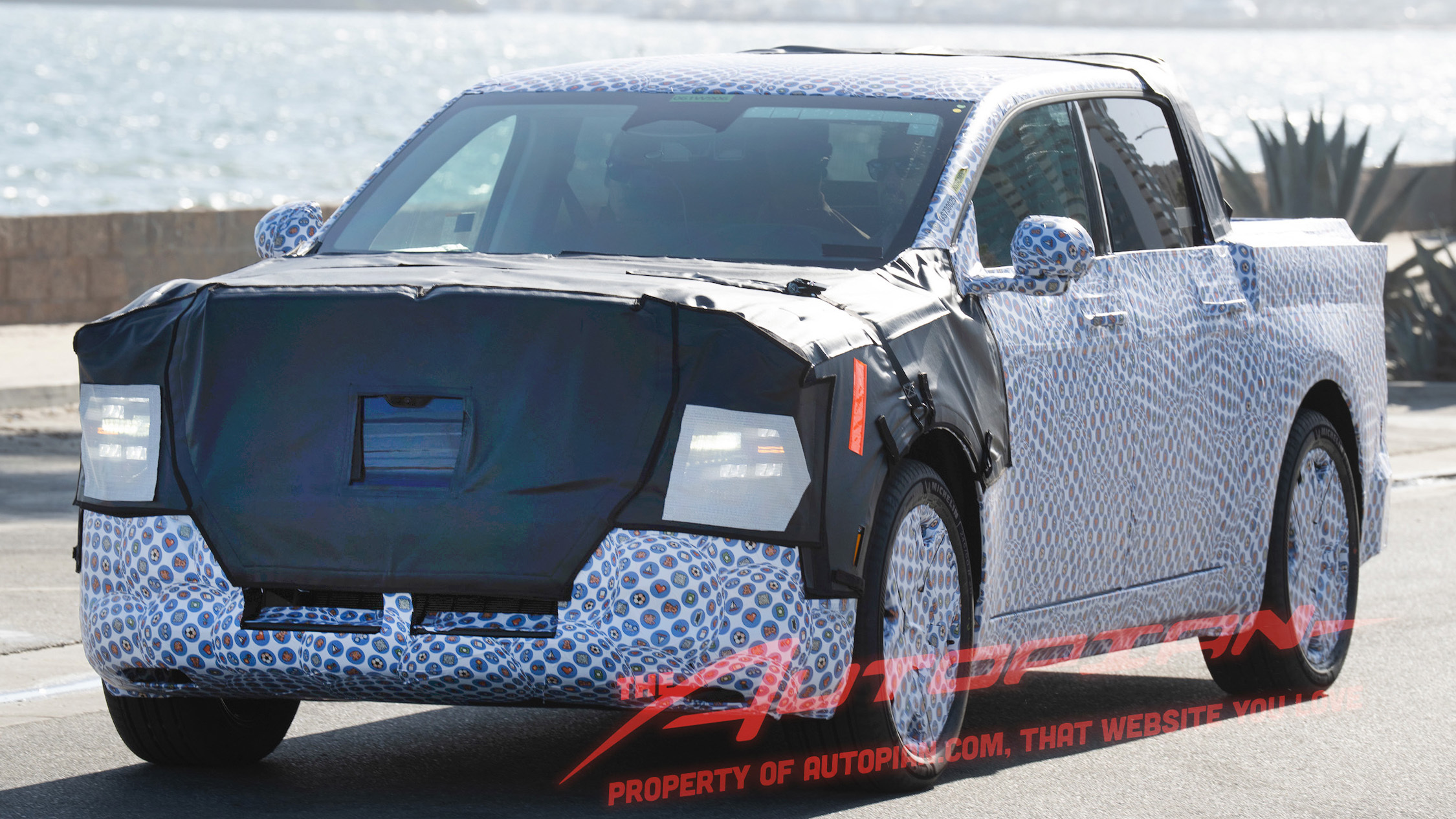
Ford Built Something Small Enough to Matter
A camouflaged prototype smaller than a Maverick might be the most important truck Ford has shown in years.
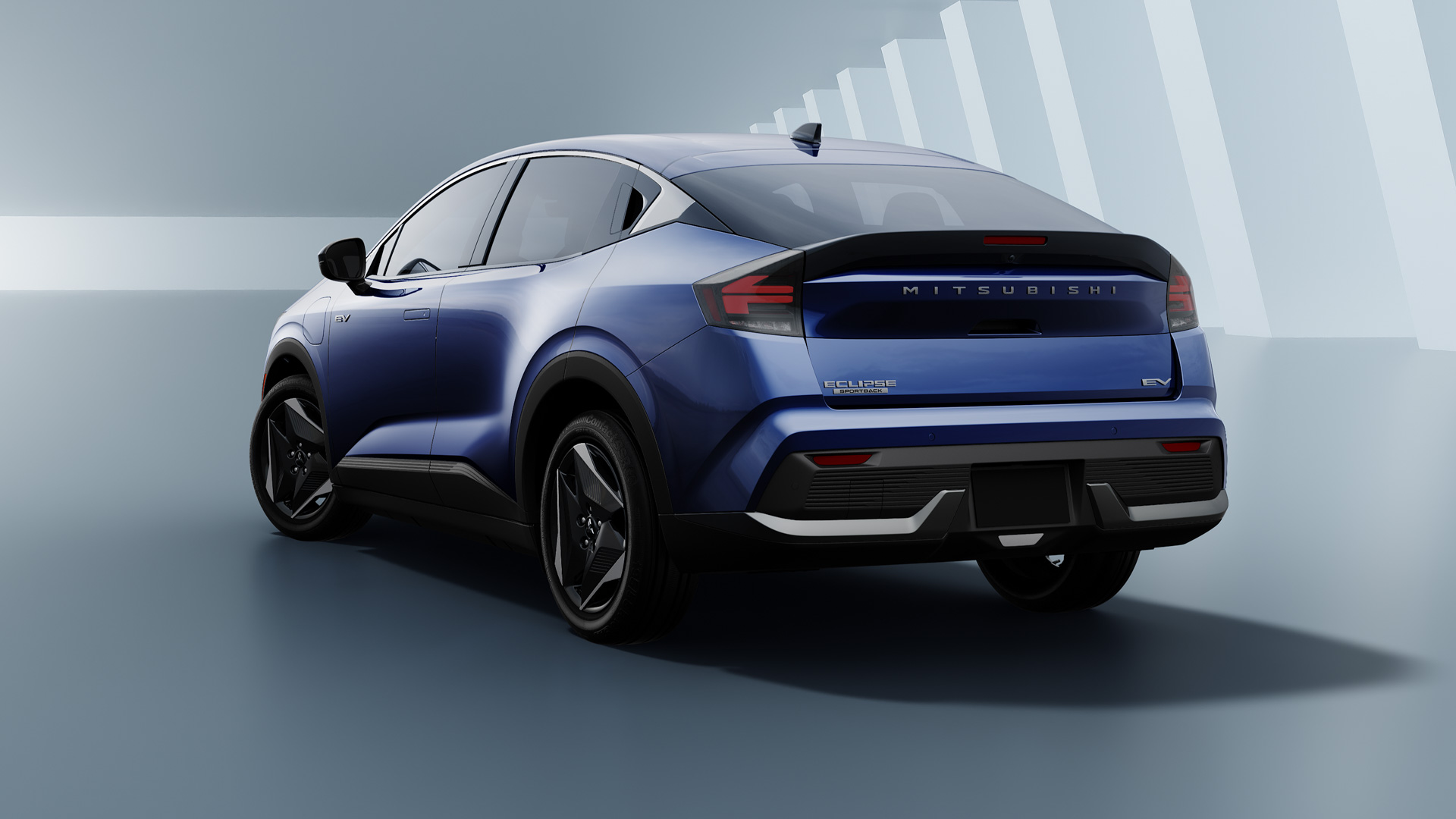
Mitsubishi Dusted Off a Sports Car Name and Put It on a Commuter
The Eclipse Sportback EV is built on a Nissan Leaf platform and priced around $30,000. The name did all the heavier lifting.
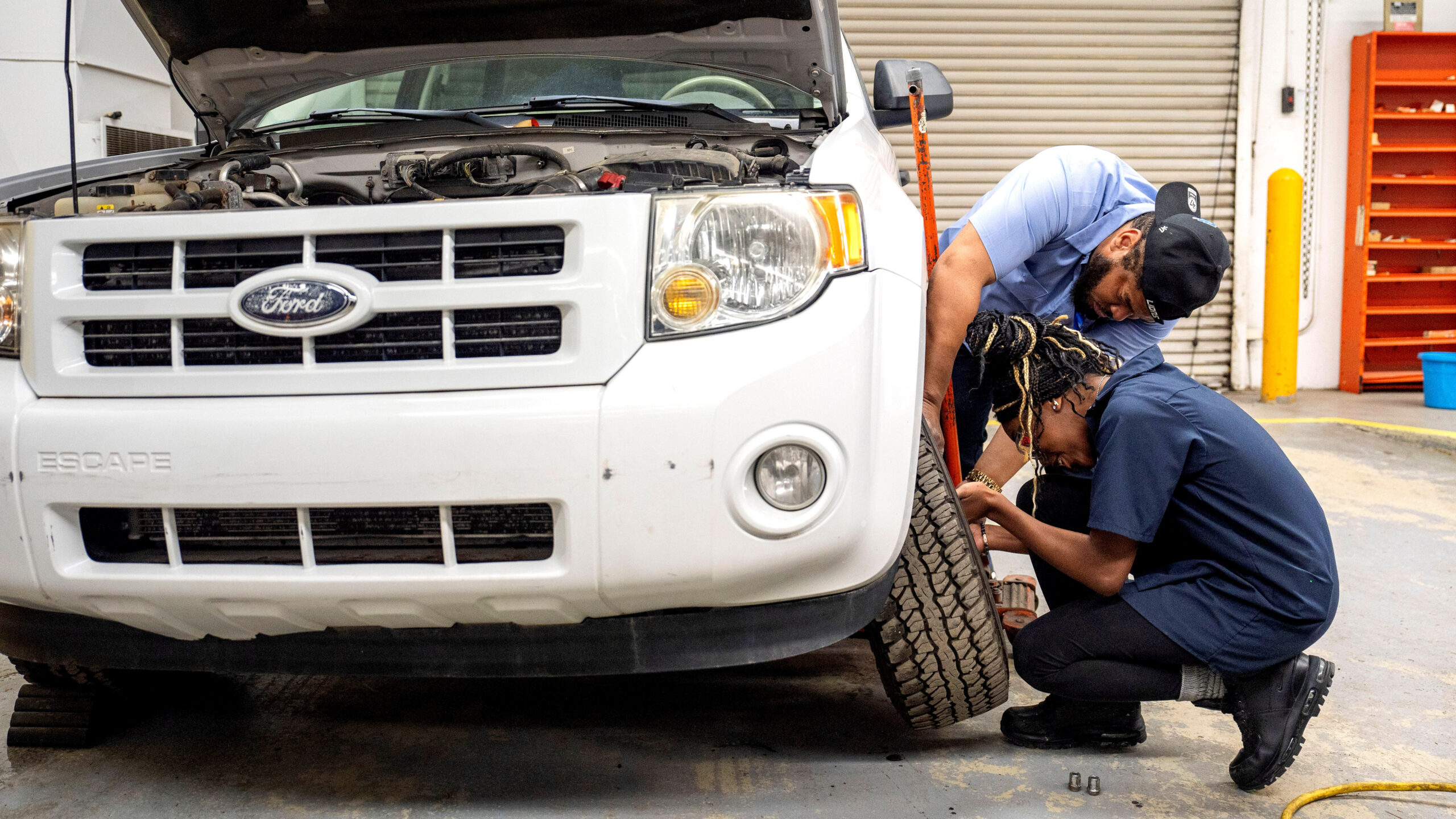
Whoever Owns the Diagnostic Port Owns the Car
When the White House starts talking about your right to fix your own vehicle, the fight over what ownership actually means just went national.
From the other desks.
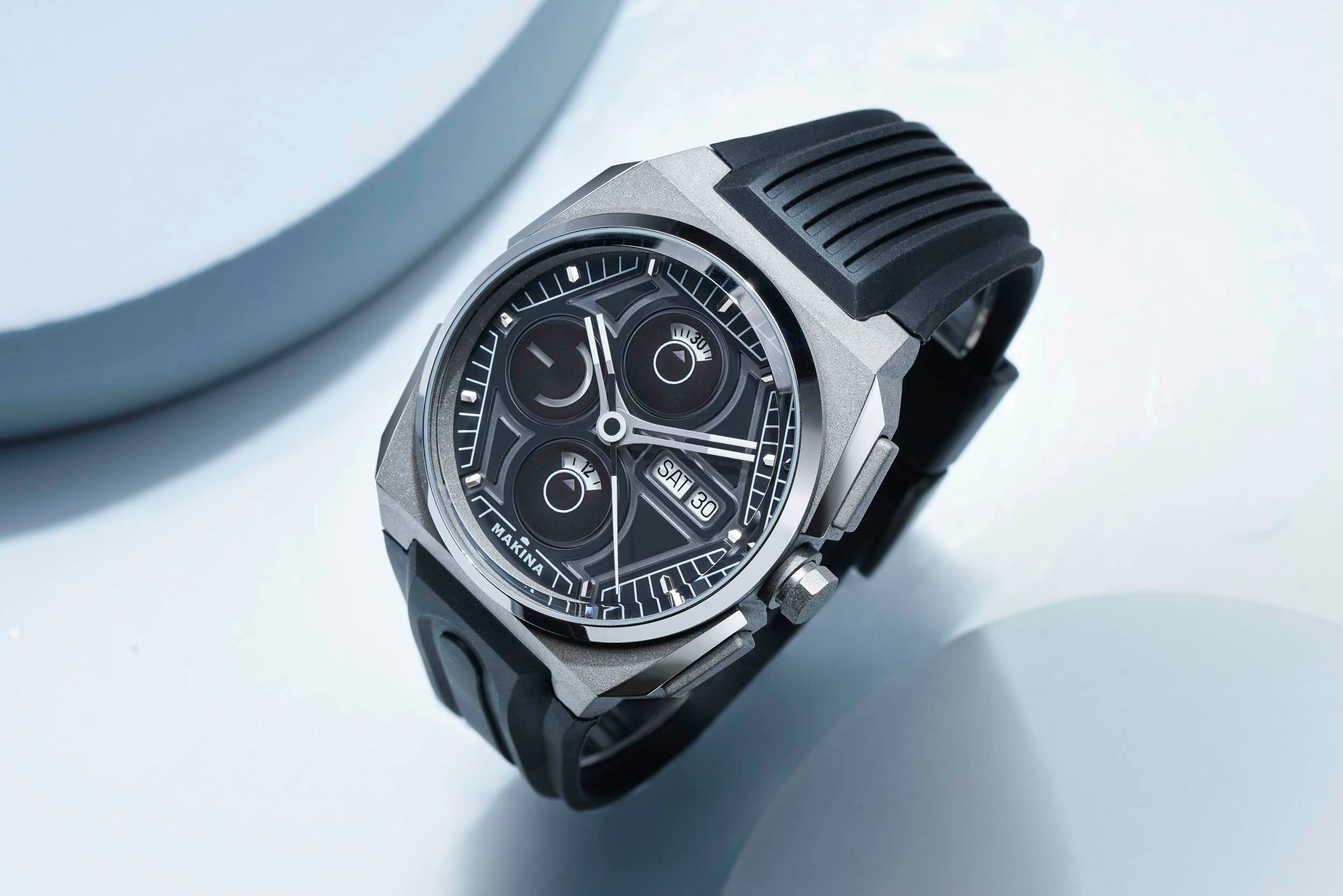
Brutalism Found a Price Point. Makina Is the Proof.
A Philippine microbrand's $1,850 chronograph isn't chasing Swiss legitimacy — it's making the case that design authority was never theirs to grant.
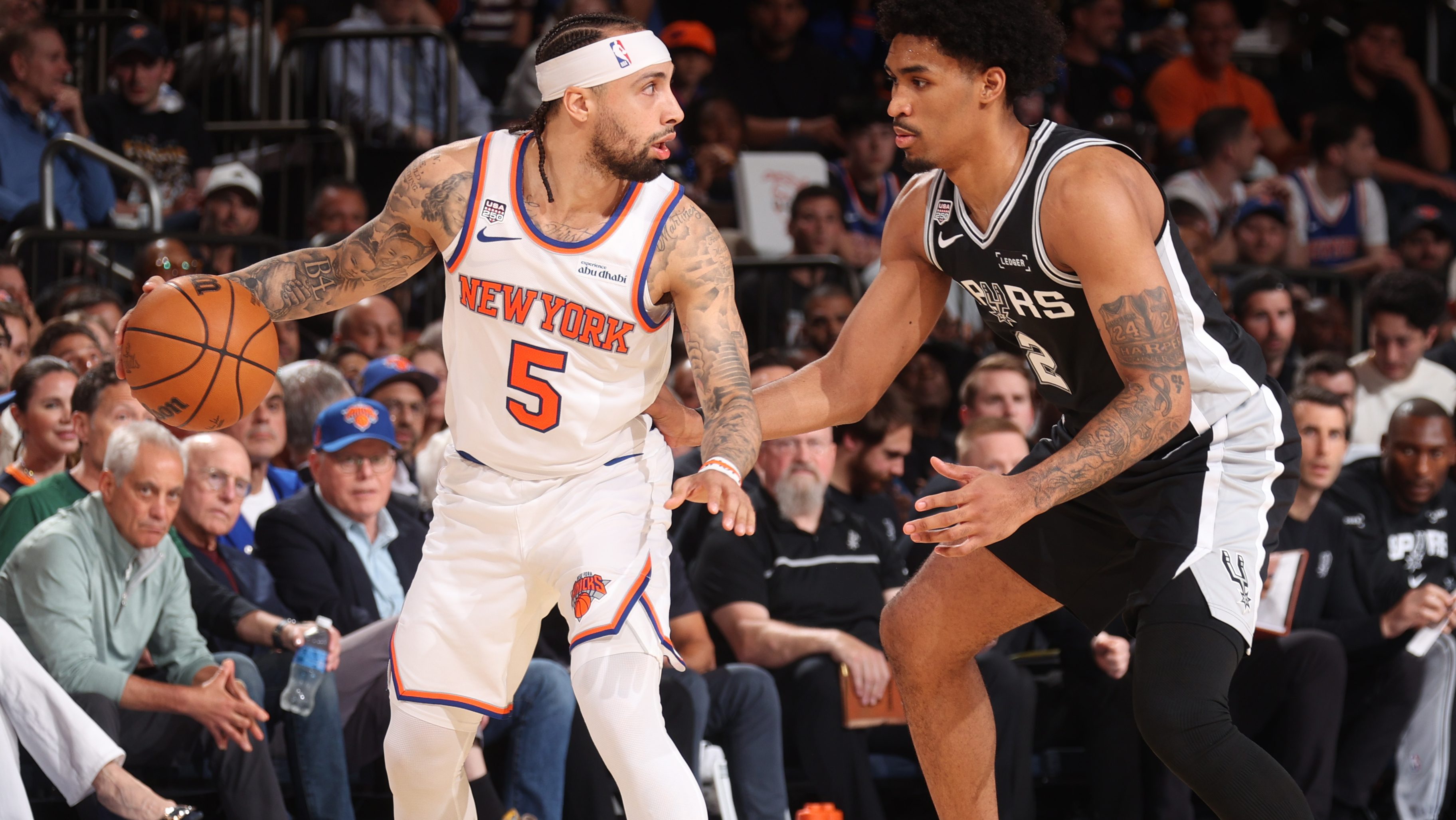
Fifty-Three Years Is Not a Drought. It's a Generation.
When the Knicks finally made the Finals, New York didn't just show up to watch — it showed up to be seen, to grieve, to remember who they were before the waiting started.

Both Companies Know Where the Bodies Are Buried
Google won't confirm it. Anthropic won't release it. The industry's relationship with creator content is a confession hiding in plain sight.