Palace Didn't Reinvent the 95. They Just Made You Want It Again.
A Silver Bullet gradient on an Air Max 95 silhouette — sometimes the best idea is knowing which two things belong together.
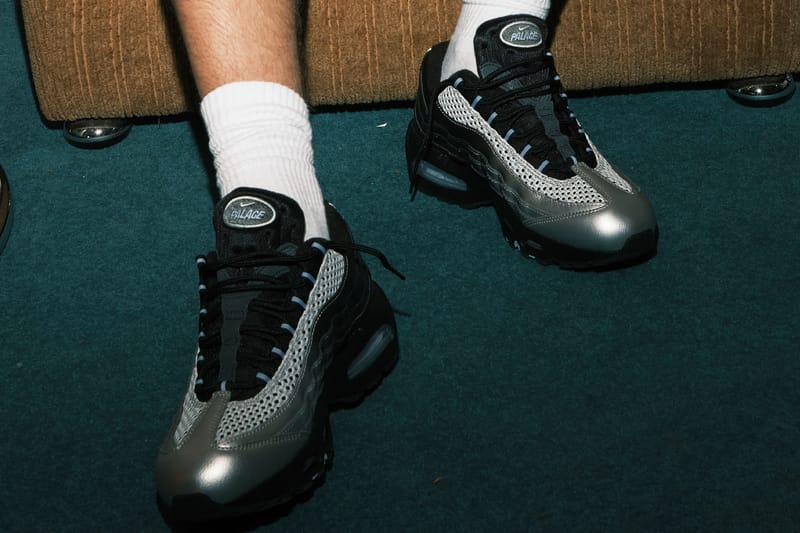
Photo · Hypebeast
The collab that earns its place doesn't show up trying to fix something. It shows up knowing exactly what it is.
Palace and Nike's third run together lands on the Air Max 95 — already one of the more structurally interesting shoes in the archive — and finishes it with a spray-paint gradient that bleeds from metallic silver at the toe to black at the heel. The reference is deliberate: that's the Air Max 97 Silver Bullet's signature move, transplanted onto a completely different silhouette. Cross-pollination, not imitation.
That distinction matters more than it sounds.
The Reference Does the Work
Most collabs fail at the concept stage. Not because the brands don't fit, but because someone in a room decided the shoe needed a statement. A reimagining. A deconstruction. The result is usually a shoe that looks like it was designed by committee to impress other designers — technically interesting, emotionally inert.
This isn't that.
The Silver Bullet is one of the few colorways in Nike's history that achieved actual cultural weight without a signature athlete behind it. Pure aesthetic. Metallic silver, clean lines, the kind of finish that reads expensive without trying to look expensive. It became a reference point. The kind of thing younger designers cite without always knowing they're citing it.
Pulling that gradient off the 97 and placing it onto the 95 is a confident move precisely because it doesn't pretend to be neutral. It's an explicit nod. Palace is telling you they know the archive, and they're betting you do too.
The 95 Can Hold the Weight
Not every silhouette could survive this. Put a gradient like that on a Cortez or a Pegasus and it reads as costume. The 95 is different.
Neville Brody's original design — the spine running up the heel, the layered side panels imitating the cross-section of a human muscle — was always more sculpture than sneaker. It has structure. Depth. The visible Air unit at the heel gives the eye somewhere to land. The whole shoe was built to absorb drama without drowning in it.
The Palace gradient doesn't compete with any of that. It moves with the paneling, the silver catching at the toe where the layers are most complex, bleeding back toward black as the silhouette simplifies toward the heel. It completes the geometry rather than overriding it.
That's the thing about a well-chosen reference: it doesn't need to shout. It just needs to fit.
The Apparel Is the Apparel
25 pieces of branded trackwear come with the drop — Palace's usual range of hoodies, track jackets, the kind of gear that looks right on a Palace skater and slightly less right on everyone else. Whether that matters depends entirely on what you came here for.
The shoes are the point. They were always the point. The apparel exists because a drop of this scale needs more surface area, and because Palace's core audience actually wears the clothes. For everyone else, it's background noise at best.
Palace gets the drop April 10. Nike follows on April 16. Six days is a long time in sneaker culture — the Palace window is the one that will define what this collab actually means in the market. The Nike date is for everyone who missed it.
You already know which window matters.
Keep reading fashion.

Gold Leaf on a Lacquer Dial, and the Weight of What That Costs
Awake's Frosted Leaf Royal Blue asks a question Vietnamese craft has never quite had to answer at this price.
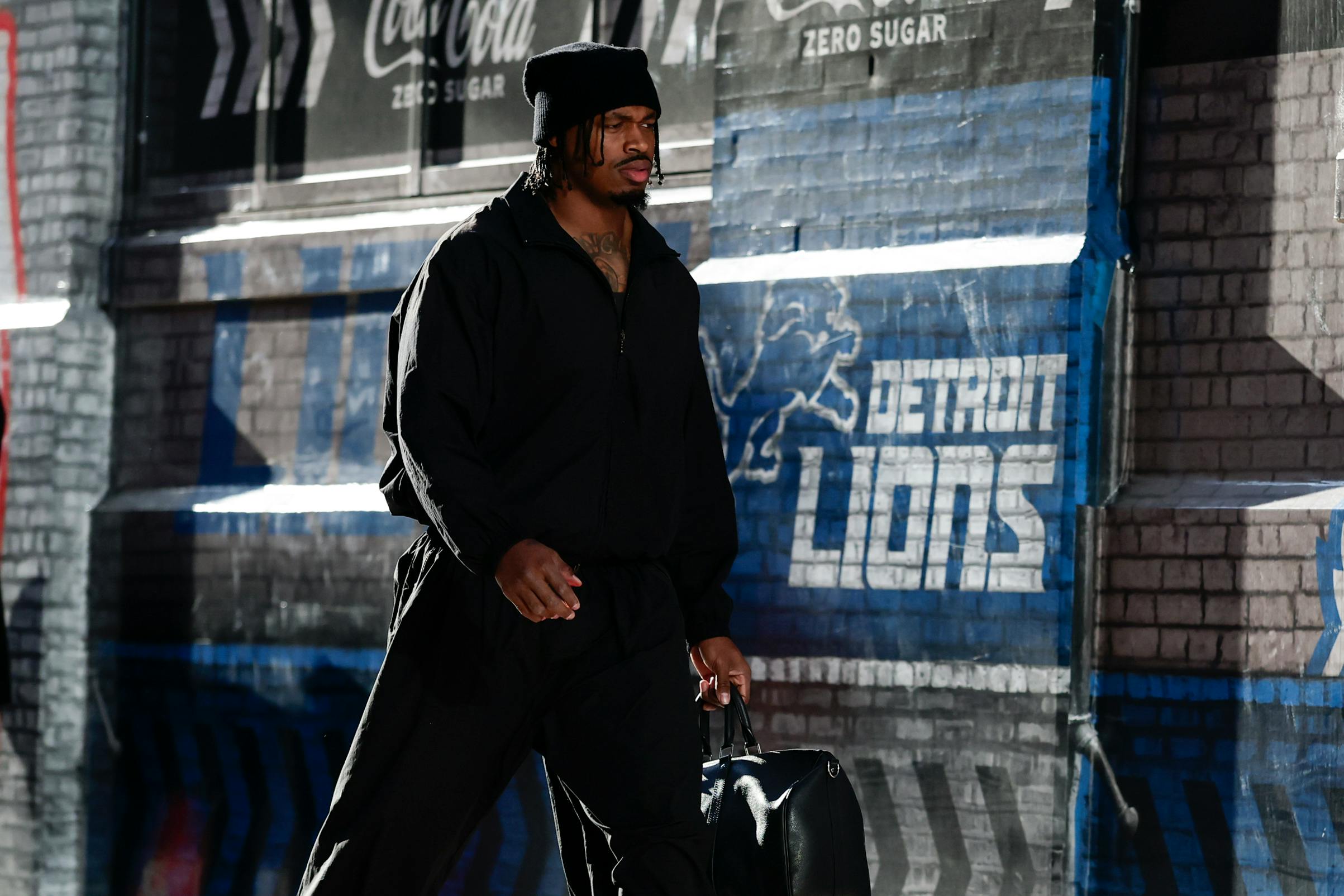
Kyle Smith Has a Job Title That Didn't Exist Before. That's the Whole Tell.
When the NFL hires a fashion editor, it's not about clothes — it's about who gets to decide what matters.
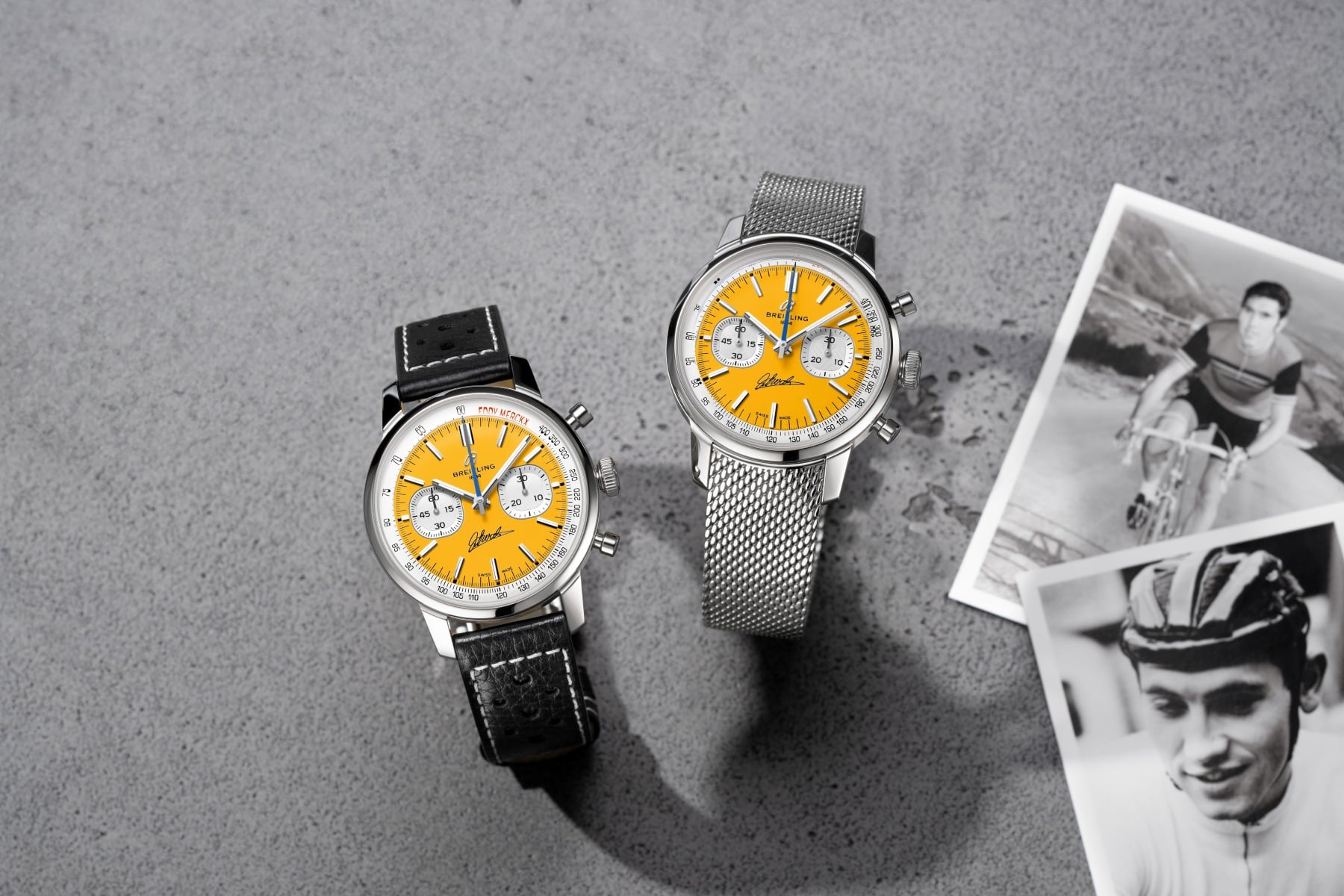
525 Victories, One Dial, and Cycling's Long Wait for a Wrist
Breitling's Eddy Merckx edition doesn't just reference a legend — it asks whether motorsport's younger sibling has finally earned its place in serious watch culture.
From the other desks.

800 Horsepower, One Ton of Doubt
Lamborghini built the most powerful SUV it's ever made. It's also slower than what it replaced.

ESPN Named Him. Then Unnamed Him. Nobody's Explaining the Gap.
A retraction without a reckoning is just a deleted link.

Hide My Email Has Been Showing Your Email
Apple's privacy flagship has a hole in it. They've known for over a year.