The $200 Watch That Doesn't Apologize for Anything
Timex dug up a 1983 cult favorite, put a movement inside it, and priced it where real people actually live.

Photo · aBlogtoWatch
The Timex Automatic 1983 shouldn't work as well as it does. A rounded square case, a dial shape that earned the nickname "TV Dial" forty years ago — on paper, it sounds like a novelty. On the wrist, it reads as conviction.
Timex has been raiding its archives for years now. Some of those digs produce something genuine. This one does. The 1983 case shape is strange enough to be interesting and restrained enough to be wearable — which is a harder balance to strike than it sounds. Most brands attempting this kind of revival overcorrect into nostalgia theater. The proportions get inflated for modern wrists. The details get softened for modern tastes. The original point gets lost somewhere between the mood board and the factory floor. This one didn't go that way.
The Case for the Case
The TV Dial shape has always been a polarizing thing. It's not round. It's not square. It sits in a category that most watch design avoids because it's genuinely difficult to pull off — too much personality to disappear into a crowd, not enough flash to justify itself on spectacle alone. What makes it work in 2025 is the same thing that made it work in 1983: it commits. There's no hedge in the design. No safety net of a round case with a slightly interesting dial. The shape is the statement, and the rest of the watch knows to stay out of the way.
The dial itself is clean in the way that takes restraint. Indices, hands, nothing fighting for attention. On a shape this distinctive, that's the right call. Let the silhouette do the work.
What the Movement Actually Changes
The automatic movement changes the conversation entirely. A self-winding Timex used to be an oxymoron in certain circles. It isn't anymore. You're not buying Swiss finishing or a movement you'll pass down to someone who'll appreciate it. You're buying something that winds itself off your wrist, keeps time reliably, and doesn't require you to justify the purchase to anyone — not to the person asking what you paid, not to yourself at 2am reading watch forums.
There's a version of this watch with a quartz movement that costs less and keeps better time. Most people should probably ignore that version. The automatic isn't here to be practical. It's here to give you a reason to care about the thing on your wrist, and it does that just by existing inside a case this good.
The enthusiast market has spent years building a floor. Below a certain number, you're told, the compromises stack up. The movement wobbles. The finishing disappoints. The story isn't there. What that argument misses is that story isn't a function of price — it's a function of intention. The 1983 has a shape with four decades of history behind it, a movement that earns its place, and a number on the price tag that doesn't require a conversation with your bank account.
The good ones never ask for your permission. They just show up.
Keep reading fashion.

Gold Leaf on a Lacquer Dial, and the Weight of What That Costs
Awake's Frosted Leaf Royal Blue asks a question Vietnamese craft has never quite had to answer at this price.

Kyle Smith Has a Job Title That Didn't Exist Before. That's the Whole Tell.
When the NFL hires a fashion editor, it's not about clothes — it's about who gets to decide what matters.
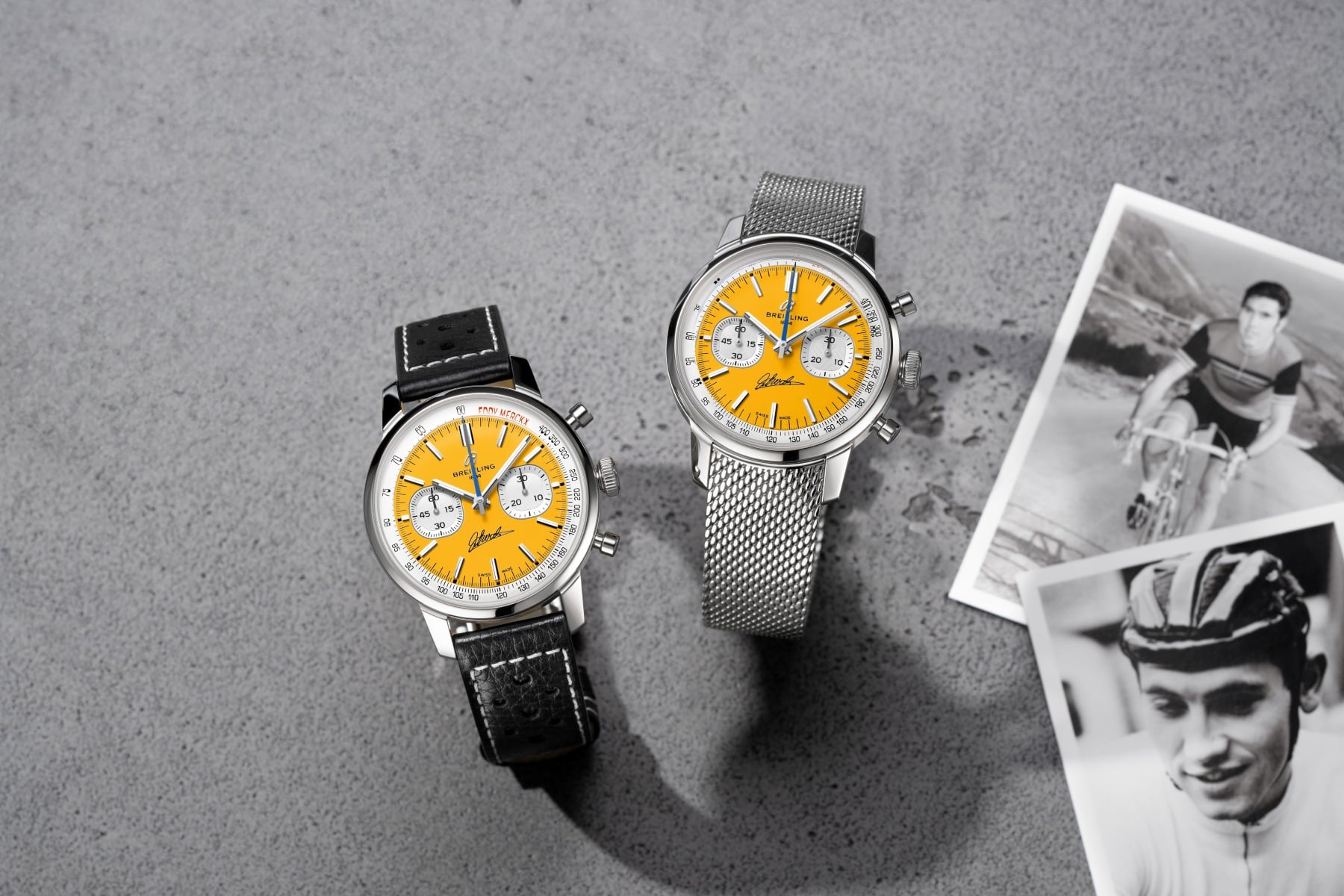
525 Victories, One Dial, and Cycling's Long Wait for a Wrist
Breitling's Eddy Merckx edition doesn't just reference a legend — it asks whether motorsport's younger sibling has finally earned its place in serious watch culture.
From the other desks.

800 Horsepower, One Ton of Doubt
Lamborghini built the most powerful SUV it's ever made. It's also slower than what it replaced.

ESPN Named Him. Then Unnamed Him. Nobody's Explaining the Gap.
A retraction without a reckoning is just a deleted link.

Hide My Email Has Been Showing Your Email
Apple's privacy flagship has a hole in it. They've known for over a year.