The Caitlin 1 Isn't a Women's Sneaker. It's Just a Sneaker.
Nike's first Caitlin Clark signature isn't borrowing shelf space from the men's game — it's claiming its own.
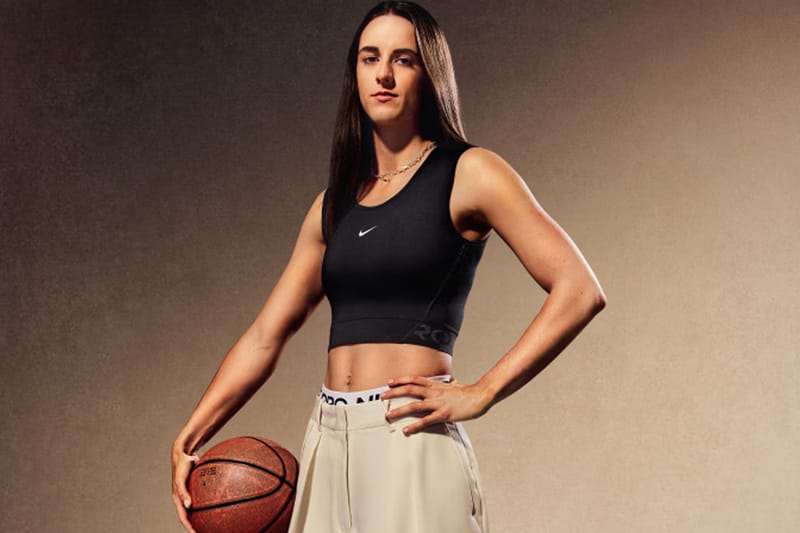
Photo · Hypebeast
Women's basketball has been must-watch television for two years now, and the sneaker industry is finally catching up. Nike's Caitlin 1 is reportedly landing Holiday 2026, priced at $140, and that number matters more than it might seem.
$140 is not a consolation price. It's not the quietly discounted tier that women's signature shoes have historically been slotted into — the one that signals, without saying it, that the market doesn't quite believe. It's the number that says this is a real release, with real expectations behind it. It sits exactly where a mid-tier men's performance basketball shoe would sit. No apology built into the price tag.
The Footnote Problem
The sneaker conversation has had a women's problem for decades — not in sales, but in cultural weight. Women buy sneakers at enormous scale. That's been true for a long time. What hasn't been true is that the industry treated women's basketball as a source of genuine performance culture rather than a demographic to market toward.
Signature shoes for women were always the footnote. The collab. The lifestyle silhouette in a softer colorway. Rarely the performance statement with its own identity, its own launch moment, its own logo anchoring the campaign. The ones that did exist — Sheryl Swoopes' Air Swoopes, Chamique Holdsclaw's brief Nike run — arrived and disappeared without the sustained ecosystem that men's signatures get. No ongoing line. No cultural mythology built around them.
That's the structural problem the Caitlin 1 is positioned to break.
What Nike Is Actually Betting On
Clark is teasing technology that hasn't appeared in basketball footwear before. That's either genuine innovation or it's marketing language doing its job. Either way, Nike doesn't attach that kind of claim to releases it doesn't believe in. The engineering investment required to develop genuinely new cushioning or traction systems is not a footnote budget.
The double-C logo is its own signal. Nike doesn't build proprietary marks for athletes it's treating as short-term. A logo is infrastructure. It's the thing that lives on the side of a shoe for twenty years if the story holds. Jordan got one. LeBron got one. The list is short and the company knows exactly what it means to add a name to it.
The September 29, 2026 date — Clark's birthday — is the kind of detail that gets written into the mythology later. It means someone in that building is already thinking about mythology.
What's also worth noting is the timing relative to the sport itself. The WNBA's television numbers have shifted the conversation in ways that feel permanent rather than cyclical. This isn't a moment built on one player's novelty. It's a moment built on an audience that has been waiting for the industry to take it seriously and is now large enough to make ignoring it expensive.
The Caitlin 1 is the industry deciding it can no longer afford to look the other way.
Sneaker culture runs on the idea that the shoe carries the story of the athlete. That the object is the proof. For women's basketball, that proof has been missing or muted for most of the sport's professional history. One shoe doesn't fix a decades-long structural gap overnight. But it does establish that the gap is closeable — and that Nike is willing to put a real number on what closing it looks like.
September 29, 2026 is going to be a line in the timeline.
Keep reading fashion.

Gold Leaf on a Lacquer Dial, and the Weight of What That Costs
Awake's Frosted Leaf Royal Blue asks a question Vietnamese craft has never quite had to answer at this price.
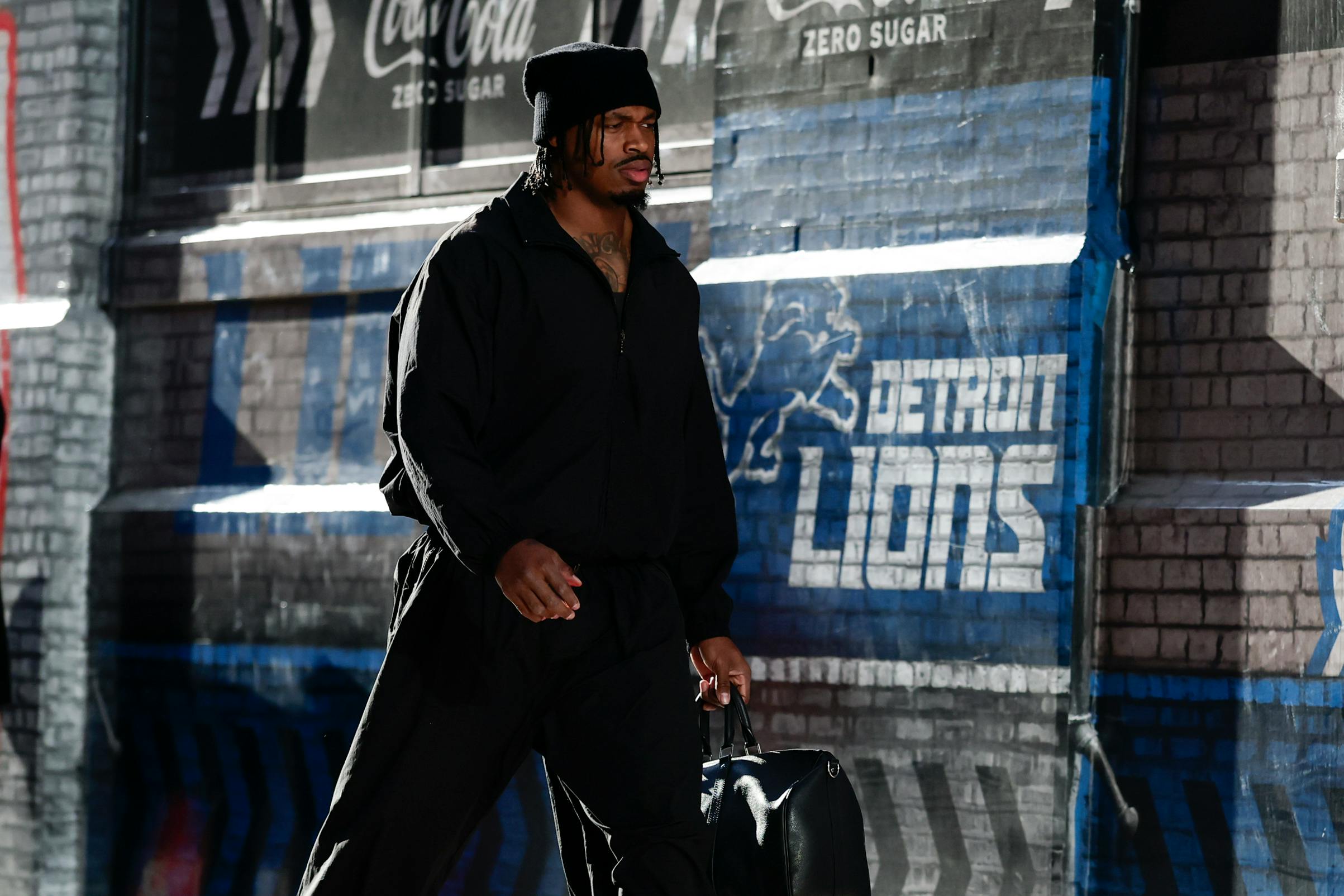
Kyle Smith Has a Job Title That Didn't Exist Before. That's the Whole Tell.
When the NFL hires a fashion editor, it's not about clothes — it's about who gets to decide what matters.
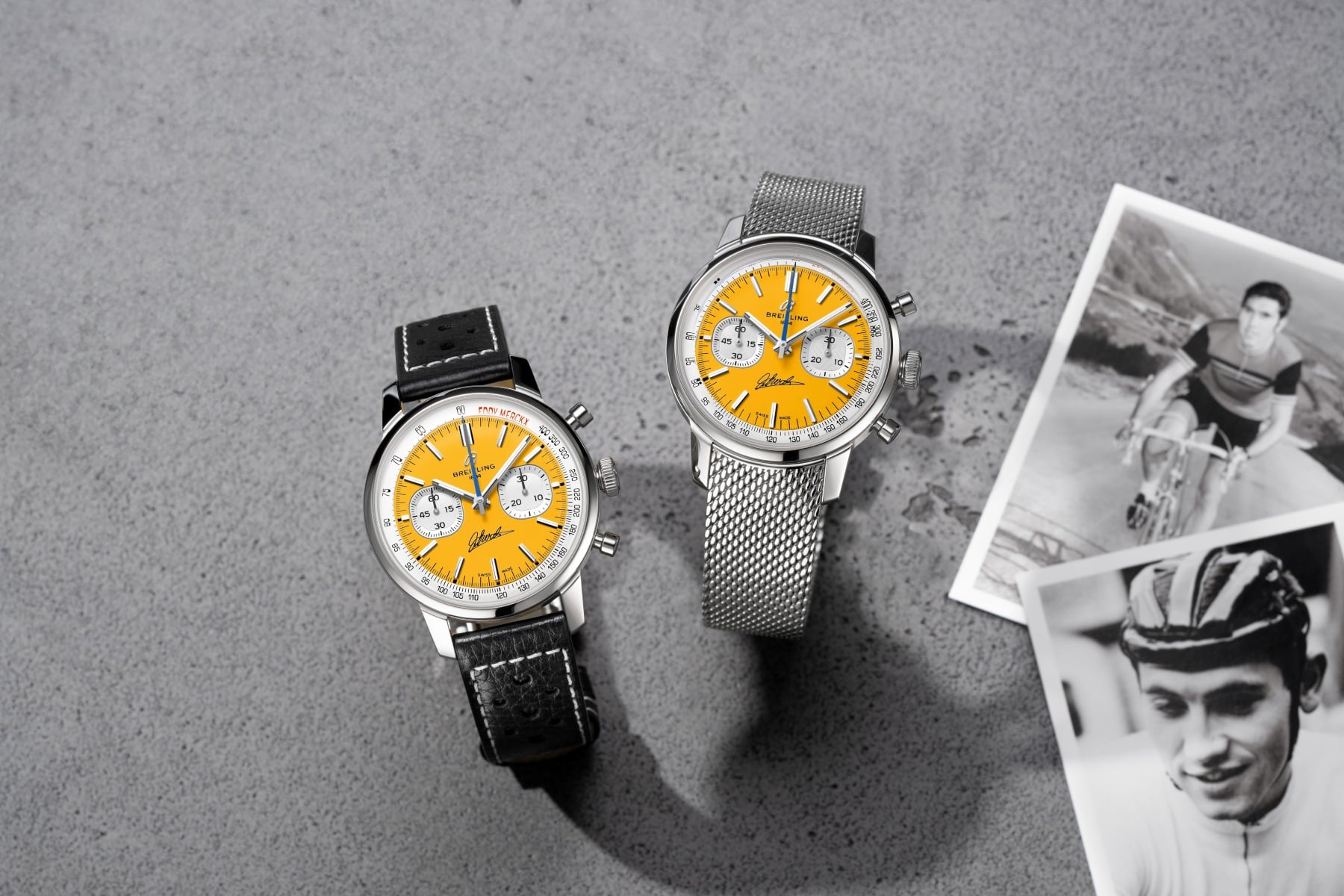
525 Victories, One Dial, and Cycling's Long Wait for a Wrist
Breitling's Eddy Merckx edition doesn't just reference a legend — it asks whether motorsport's younger sibling has finally earned its place in serious watch culture.
From the other desks.

800 Horsepower, One Ton of Doubt
Lamborghini built the most powerful SUV it's ever made. It's also slower than what it replaced.

ESPN Named Him. Then Unnamed Him. Nobody's Explaining the Gap.
A retraction without a reckoning is just a deleted link.

Hide My Email Has Been Showing Your Email
Apple's privacy flagship has a hole in it. They've known for over a year.