The Market Is Not the Watch
Secondary market data became the story. The watch got lost somewhere in the noise.

Photo · aBlogtoWatch
A watch's resale chart tells you what flippers think. It tells you nothing about whether the thing is worth wearing.
The secondary market became the story, and somewhere in that noise, the actual point — buying a watch you love — got completely buried.
This is what happens when an industry lets speculators write the narrative. Rolex Submariner references get tracked like equities. Grey market premiums get cited in reviews as though they're a spec alongside case diameter and water resistance. A watch that holds value becomes, in the current vocabulary, a good watch. A watch that doesn't becomes a liability. Nobody stops to ask who decided that was the right frame.
Flippers did. And the watch press followed.
What the Charts Actually Measure
Secondary market data measures demand among people who are not buying watches to wear them. That's a real market. It's just not your market — unless you're also planning to sell in six months, in which case you're not really a watch person, you're a commodities trader with a nicer hobby.
The Chrono24 heat map of a reference tells you how many people are chasing the same thing at the same moment. It tells you about scarcity, about hype cycles, about how effectively a brand has managed supply. It does not tell you how the dial looks at 2pm when the light comes through a window at the right angle. It does not tell you how the bracelet settles after a year on your wrist.
Those are the things that matter at 10 years. Nobody charts those.
The watches that get called undervalued are almost always the ones worth paying attention to. Grand Seiko. Certain Tudors. Independent pieces from brands that don't manufacture scarcity as a marketing strategy. They don't hold value the way a steel sports Rolex does. They also don't require you to know someone at an authorized dealer or pay a grey market premium to actually own one. The tradeoff looks obvious when you say it out loud.
The Second-Order Problem
The real damage isn't to the buyers who get caught chasing inflated references. They'll figure it out. The real damage is to the new buyer — the person standing at the edge of this hobby, trying to understand what they should want.
They search. They find forums. The forums are full of resale data, investment potential, which references are heating up and which have cooled. They come away thinking the first question to ask about a watch is whether it will hold its value. That's the wrong first question. It might be the last question worth asking.
The first question is simpler: do you want to look at this thing every day for the next decade?
If the answer is yes, the resale chart is irrelevant. If the answer is no, no resale premium makes it the right watch.
The secondary market is a real thing. It reflects real transactions between real people. But it is a reflection of collector psychology at a specific cultural moment — and collector psychology right now is unusually distorted by the idea that watches are assets first and objects second.
That's a phase. Phases end.
The watch on your wrist when the phase ends is either one you love or one you were told to love. Only one of those holds up.
Buy accordingly.
Keep reading fashion.

Gold Leaf on a Lacquer Dial, and the Weight of What That Costs
Awake's Frosted Leaf Royal Blue asks a question Vietnamese craft has never quite had to answer at this price.

Kyle Smith Has a Job Title That Didn't Exist Before. That's the Whole Tell.
When the NFL hires a fashion editor, it's not about clothes — it's about who gets to decide what matters.
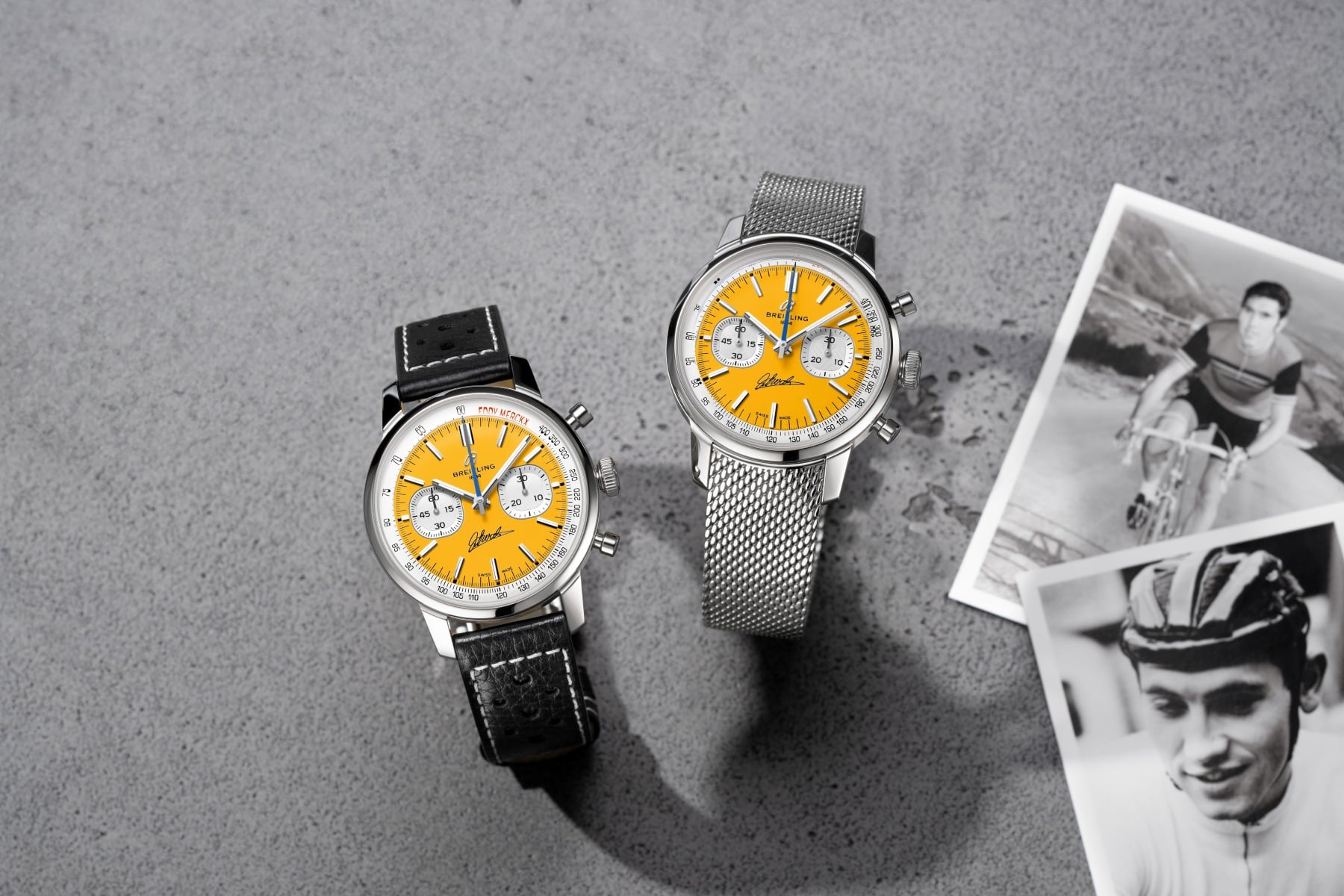
525 Victories, One Dial, and Cycling's Long Wait for a Wrist
Breitling's Eddy Merckx edition doesn't just reference a legend — it asks whether motorsport's younger sibling has finally earned its place in serious watch culture.
From the other desks.

800 Horsepower, One Ton of Doubt
Lamborghini built the most powerful SUV it's ever made. It's also slower than what it replaced.

ESPN Named Him. Then Unnamed Him. Nobody's Explaining the Gap.
A retraction without a reckoning is just a deleted link.

Hide My Email Has Been Showing Your Email
Apple's privacy flagship has a hole in it. They've known for over a year.