The Story Was Always the Point
IWC's first space watch isn't really about space — it's about what happens when a mechanism needs a myth.
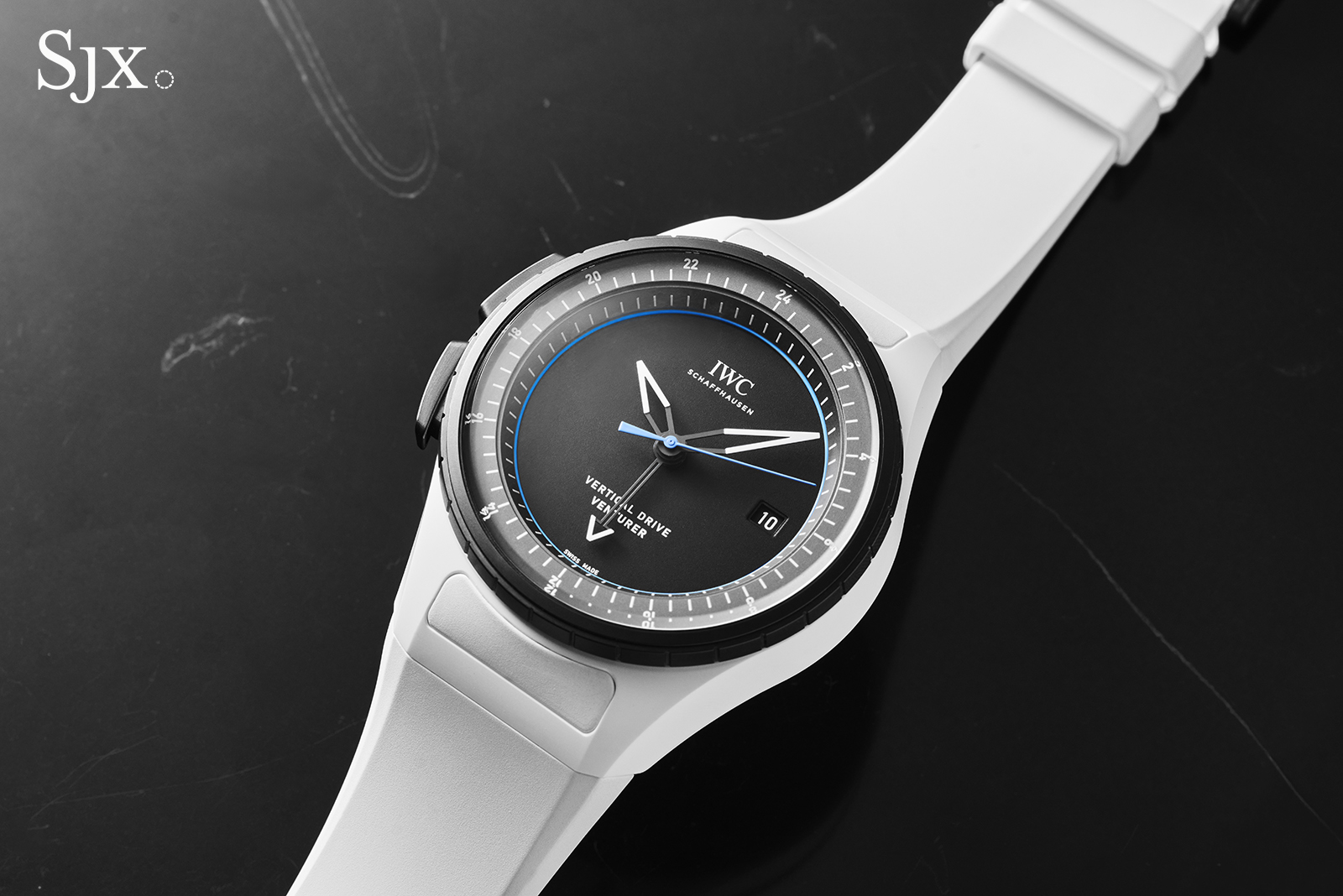
Photo · SJX Watches
There's a version of this announcement that's straightforward: IWC has built a watch certified for human spaceflight, partnered with Vast — a company working toward a private successor to the International Space Station — and if things go as planned, these watches cross the Kármán line sometime next year. That's the press release. Clean. Impressive, even.
But pay attention to the language both Time+Tide and SJX reach for when covering the IWC Pilot's Venturer Vertical Drive, and something else surfaces. Time+Tide calls it the brand's "first-ever watch designed, engineered, and certified for human spaceflight." SJX frames it as breaking "new ground for IWC's signature pilots watches." First-ever. New ground. These are phrases that signal a threshold — not just a product launch, but a before-and-after moment in a brand's self-conception.
The question worth sitting with is: why now, and why like this?
A Watch Needs a Reason
The mechanical watch industry has spent the better part of a decade quietly reckoning with a problem it doesn't like to name out loud. The mechanism alone — however beautiful, however precise — no longer sells itself the way it once did. Not because people stopped caring about craft, but because craft without context has become harder to justify at the prices these brands charge. Narrative fills that gap. Heritage fills it. And occasionally, if you're lucky or strategic enough, a genuine frontier fills it.
Space is that frontier. It always has been, which is why certain watches became icons not just for what they did but for where they went. IWC has never had that story. Until now, they were building it without the destination.
The Vast partnership changes the equation. Vast isn't a prop — they're a company with actual ambitions toward orbital infrastructure, and the certification process the Venturer Vertical Drive went through to qualify for human spaceflight isn't marketing copy. It's engineering. SJX notes the watch is "uniquely astronaut-friendly," which implies real functional consideration for the conditions of spaceflight, not just the aesthetics of one.
What IWC Couldn't Build Alone
Here's what I keep returning to: IWC didn't need Vast for the watch. They needed Vast for the sentence. "Designed, engineered, and certified for human spaceflight" — that sentence requires a mission. It requires a partner with a launchpad and a trajectory and a date on the calendar. Without Vast, IWC has an interesting watch with a space-adjacent design language. With Vast, they have a watch that might actually leave the atmosphere, worn by someone doing something that matters.
That's not cynicism. That's just how meaning gets made. The partnership is the narrative infrastructure the watch needed to become something larger than its case dimensions.
What both sources agree on, implicitly, is that the Venturer Vertical Drive represents genuine ambition — not just a limited edition with a clever colorway. The vertical drive complication, the certification process, the Vast alignment: these are choices that cost something. They required decisions that couldn't be undone by a rebrand or a new campaign.
If the launch happens, if these watches actually cross the Kármán line next year, IWC will have earned the story permanently. If it doesn't — if timelines shift the way space timelines tend to — the watch still exists as proof that the brand was willing to build something real and wait for the world to catch up.
Either way, they've stopped waiting for the story to find them.
Keep reading fashion.

Gold Leaf on a Lacquer Dial, and the Weight of What That Costs
Awake's Frosted Leaf Royal Blue asks a question Vietnamese craft has never quite had to answer at this price.
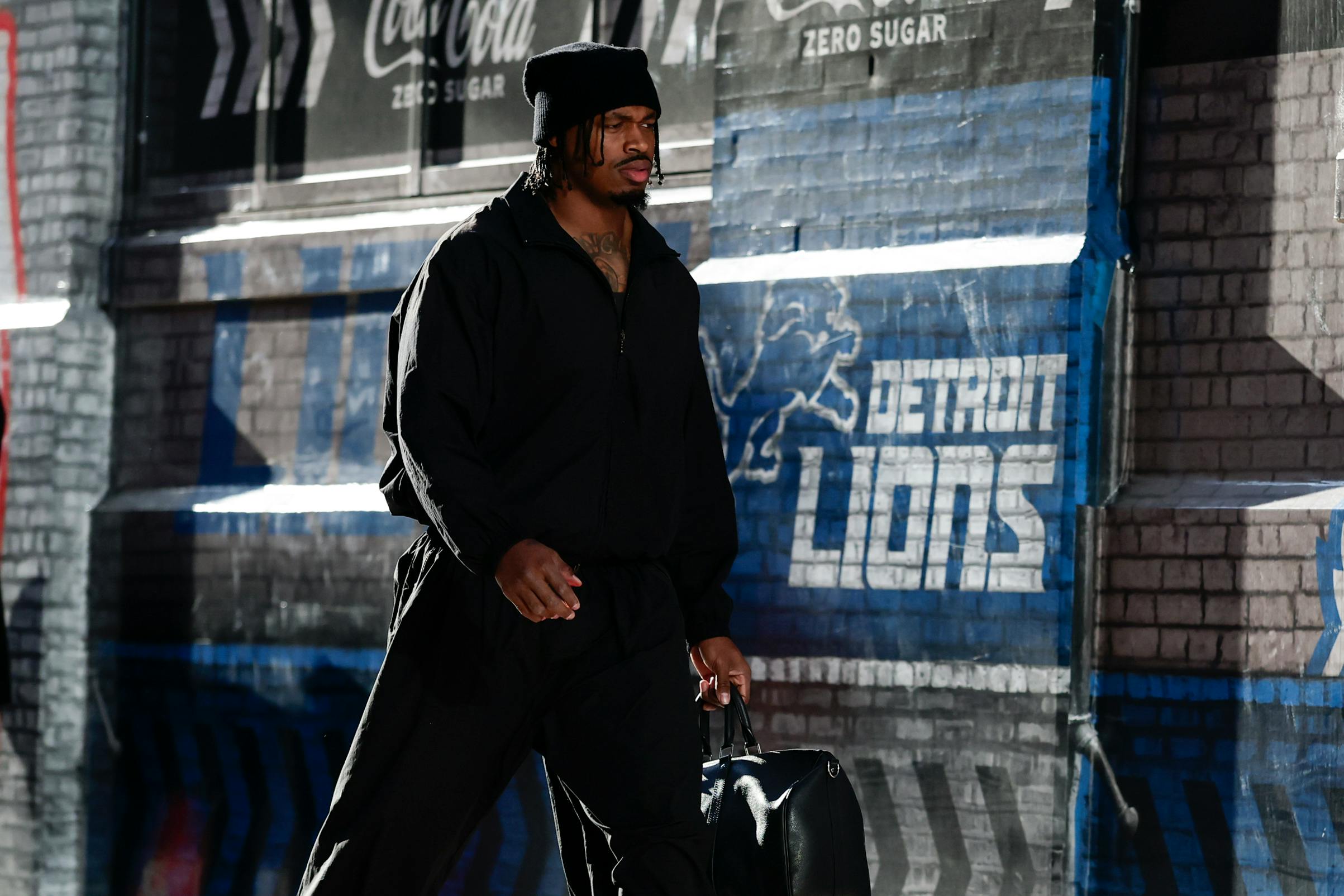
Kyle Smith Has a Job Title That Didn't Exist Before. That's the Whole Tell.
When the NFL hires a fashion editor, it's not about clothes — it's about who gets to decide what matters.
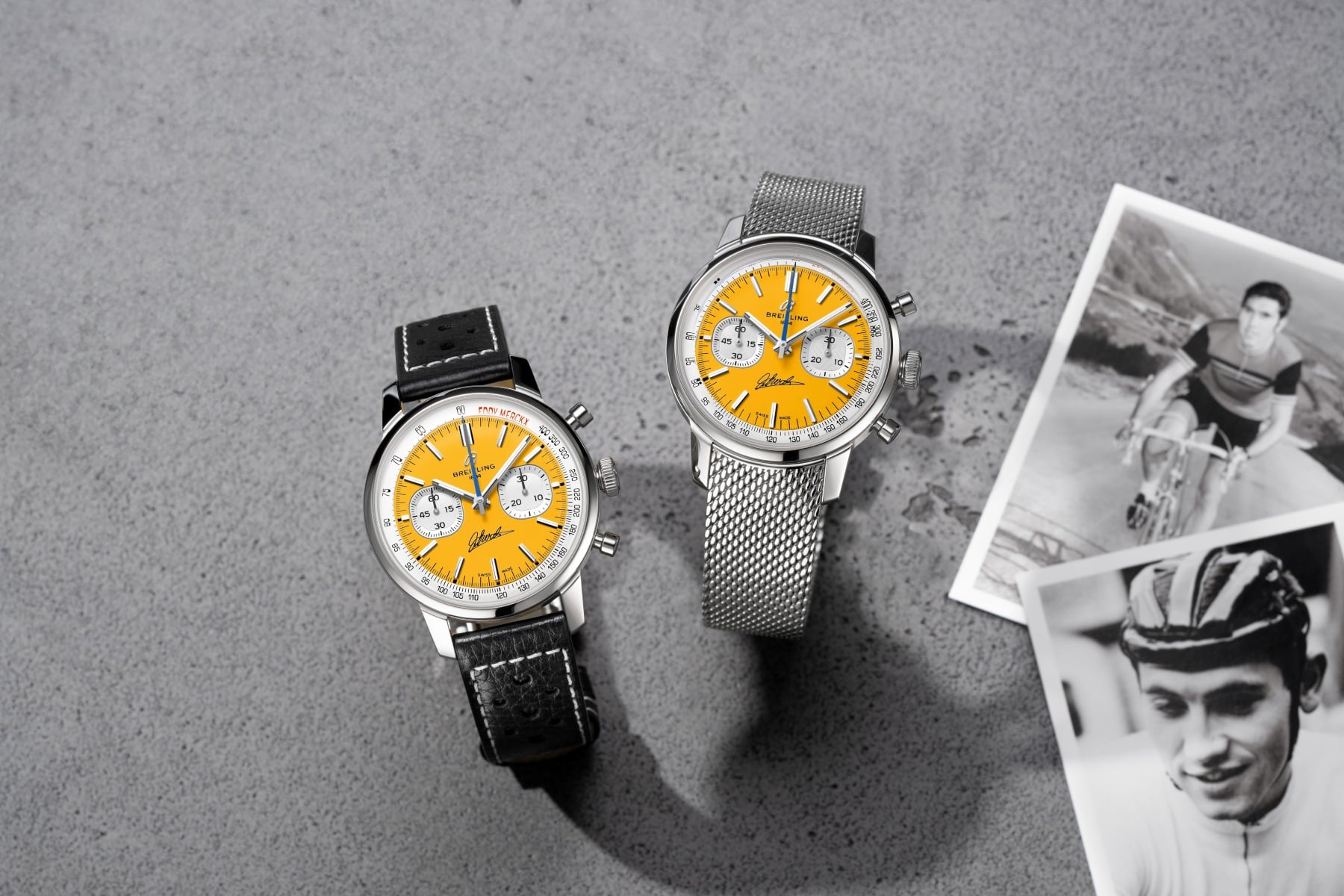
525 Victories, One Dial, and Cycling's Long Wait for a Wrist
Breitling's Eddy Merckx edition doesn't just reference a legend — it asks whether motorsport's younger sibling has finally earned its place in serious watch culture.
From the other desks.

800 Horsepower, One Ton of Doubt
Lamborghini built the most powerful SUV it's ever made. It's also slower than what it replaced.

ESPN Named Him. Then Unnamed Him. Nobody's Explaining the Gap.
A retraction without a reckoning is just a deleted link.

Hide My Email Has Been Showing Your Email
Apple's privacy flagship has a hole in it. They've known for over a year.