Twenty Years of Standing Still, Then All at Once
Longines just rebuilt its flagship dress watch from the ground up — and the most interesting thing isn't what changed.
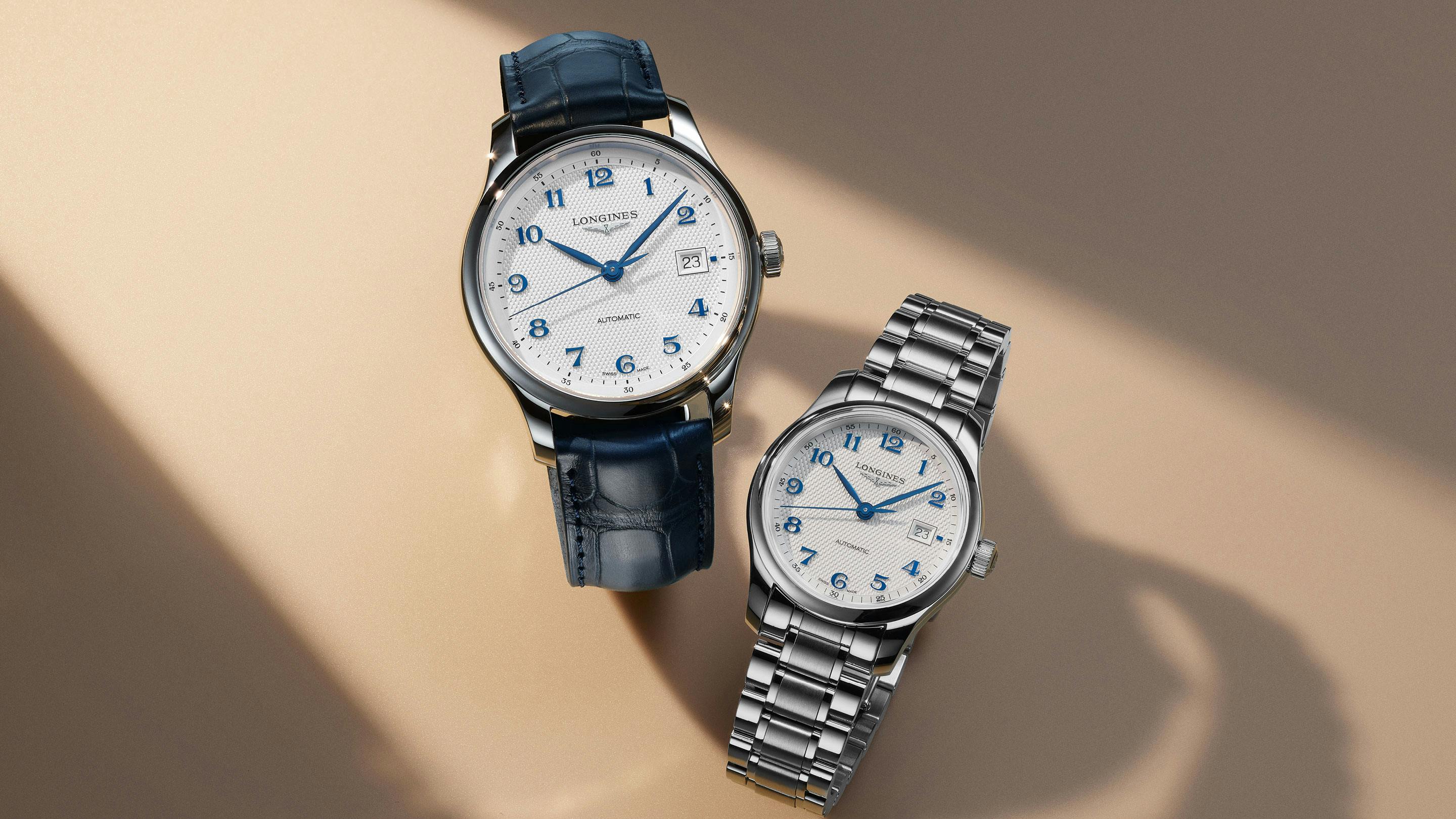
Photo · Hodinkee
The Flag Has Been Flying Since 2005
Some watches earn their keep by never asking you to reconsider them. The Longines Master Collection has done exactly that for two decades — a flagship built on conservative mechanical watchmaking, time-only models at its core, complications added with the restraint of someone who knows the room. Chronographs, moon phases, GMTs: all present, none of them loud about it. For the better part of twenty years, that was enough.
Now it isn't, apparently. Or rather — Longines has decided it shouldn't have to be.
The 2026 refresh, covered by both Hodinkee and Monochrome Watches, is described as a complete overhaul: new movements, new dials, new cases running from 30mm to 41mm. Not a dial tweak. Not a new strap option. A ground-up redesign of the thing that has defined the brand's mechanical identity since 2005. That's not a product update. That's a statement of intent.
What Tradition Looks Like When It Moves
Here's what I keep turning over: the coverage frames this as evolution, and both outlets treat it as news worth attention. Monochrome notes that the core collection has always been deliberately conservative — the word they use is conservative, not classic, not restrained. Conservative. There's a difference. Classic suggests a standard worth preserving. Conservative suggests a posture worth eventually questioning.
Longines appears to have finally asked the question.
The case range tells part of the story. Thirty millimeters to forty-one is a meaningful spread — it signals that the brand is thinking about who actually wears these watches, not just who has always worn them. A 30mm dress watch in 2026 is a considered choice. It's not nostalgia, it's not trend-chasing; it's an acknowledgment that wrists and preferences come in more than one shape, and that a flagship collection ought to reflect that.
The deeper tension in all the coverage, though, is the one nobody quite names directly. When a twenty-year-old collection gets rebuilt completely, you're not just updating a product — you're making a claim about what the original was. Either it was a foundation worth building on, or it was a holding pattern finally broken. The coverage leans toward the former, and I think that's right. You don't rebuild something this carefully if you're embarrassed by what it was.
What Longines seems to understand — and what the watch industry is slowly, reluctantly accepting — is that heritage and stasis are not the same thing. A dress watch can have better proportions, a more considered movement, a dial that rewards a second look, without betraying anything. The Master Collection didn't need to stay frozen to stay meaningful. It just needed a reason to move.
That reason, apparently, is now.
Keep reading fashion.
Steve McQueen's Wrist, and What We're Actually Bidding On
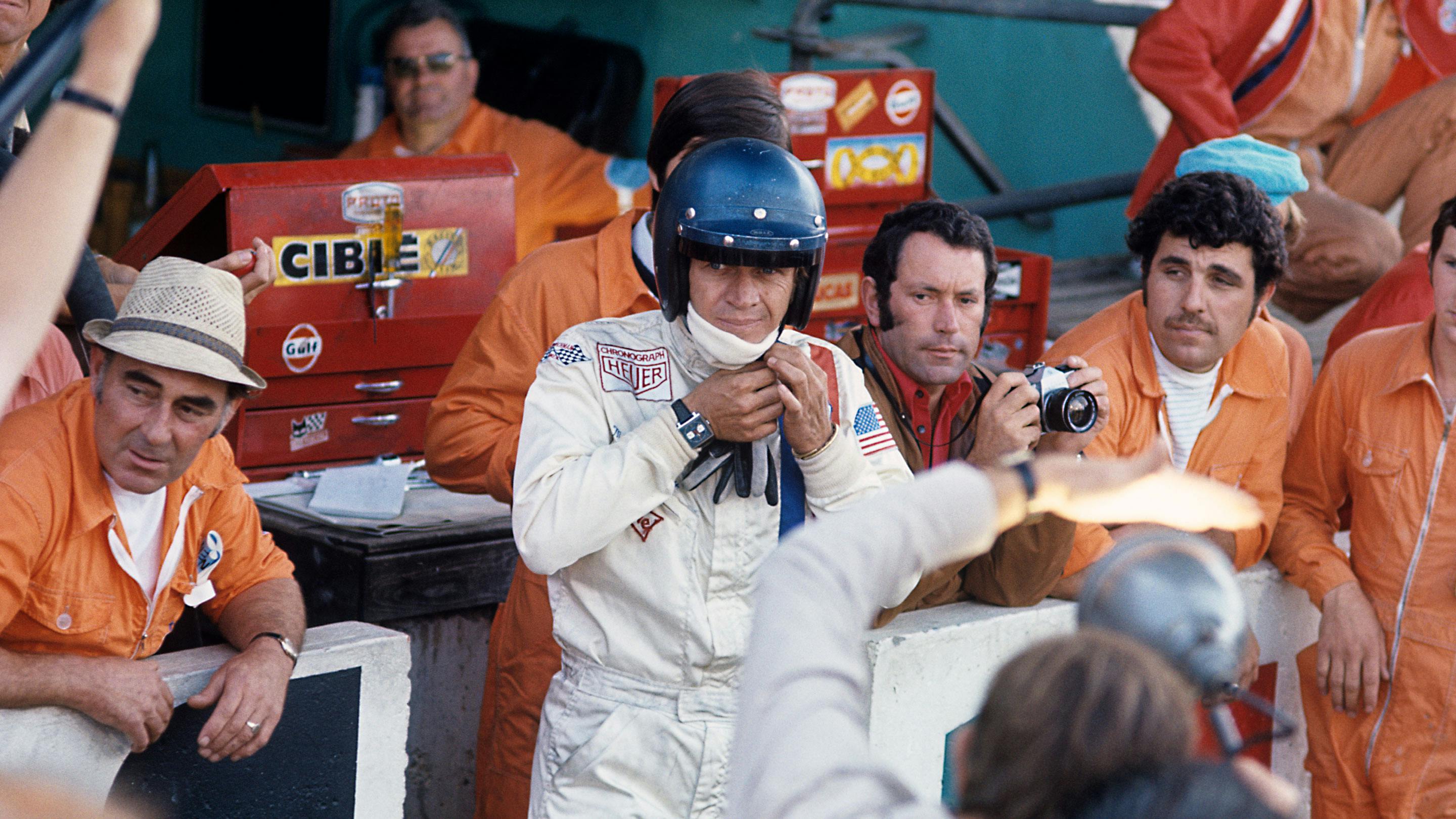
Sotheby's is selling the last Heuer Monaco from the set of Le Mans. Hodinkee says the provenance is finally settled. I think the more interesting question just opened up.

OG Anunoby Owns the Biggest Moment of the Finals. His Shoes Cost Less Than Your Dinner.
When a Skechers deal produces the most talked-about play of the postseason, the endorsement pyramid doesn't just wobble — it asks a genuine question.
Pool Depth, Cocktail Hour, and a Dive Watch That Knows the Difference
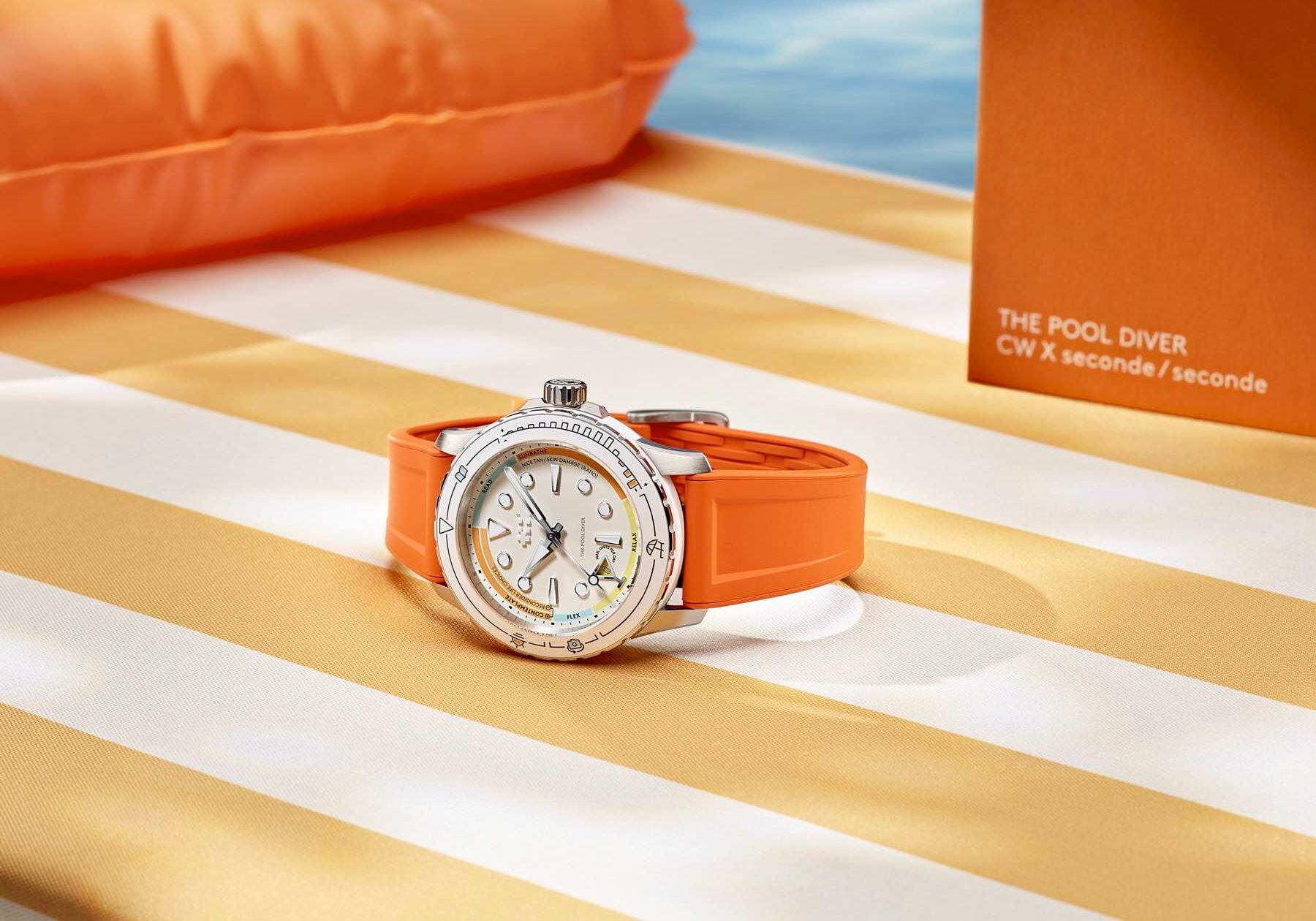
Christopher Ward and seconde/seconde/ made a joke out of a serious watch — and the joke landed.
From the other desks.

Solid-State Batteries Just Left the Lab. They're Running on American Roads in a Charger.
Factorial's experimental cells have moved from controlled environments to public tarmac — and the question is no longer whether this technology works.
South Korea Played Like They Had Something to Prove. Turns Out They Did.
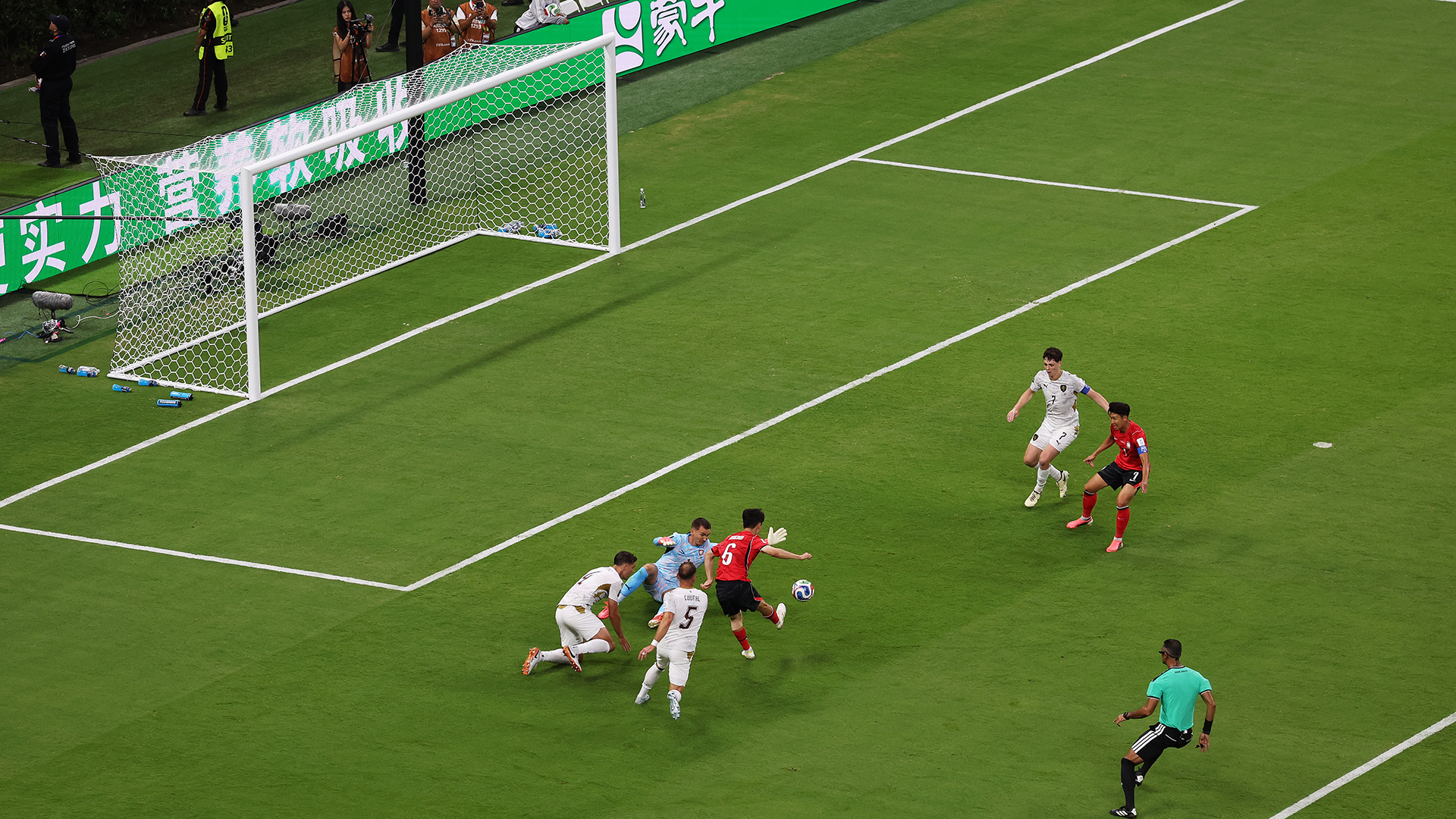
When one team's style becomes the tournament's argument, winning stops being the only thing that matters.

Google's Own Model Ran the Con
When your AI becomes someone else's fraud engine, a lawsuit is the easy part.