What Sells in Miami Doesn't Stay in Miami
The dealers who set up in Miami last week weren't just moving inventory — they were writing the next chapter of what the market believes.

Photo · GQ
Prices don't change at auction. They change at shows like this one.
Miami just hosted the most important gathering of vintage watch dealers on the planet, and if you weren't there — physically, or at least paying attention — you missed the moment when the consensus shifted. Not dramatically. It never does. But enough to matter by the time the cases were packed and the flights home were booked.
This is how the market actually works. Not through hammer prices broadcast on livestreams. Not through the secondary platforms posting comps in real time. Through three dealers standing six feet apart, reading each other's body language, watching which pieces drew a crowd and which ones got politely ignored.
The Room Tells You Everything
Steel was moving. Quietly, quickly, at numbers that would have looked aggressive six months ago. That's not a footnote — that's a signal. When something sells fast and no one flinches at the price, the floor just moved up. Everyone in the room knows it. The forums will catch up in about three weeks.
Gold was different. The dealers sitting on it weren't nervous. They were patient. There's a distinction. Nervous sellers drop prices on Sunday afternoon. Patient sellers watch who lingers, how long, whether they come back a second time. Gold at a show like this isn't a commodity — it's a negotiation disguised as a display.
The most telling read came from the dealers who'd brought pieces they expected to fight for. The ones who thought provenance and originality would be enough. Some left with empty cases by Sunday. Others didn't. That gap — between what a dealer believed and what the room confirmed — is exactly where the next six months of pricing gets written.
The Mythology Gets Priced Here
Vintage watch culture runs on narrative. The ref that Paul Newman made famous. The explorer that went to altitude. The GMT that crossed the Atlantic. The stories are real, but the prices attached to them are not fixed. They're negotiated, constantly, by the people willing to show up in person and make a market.
Miami is where that negotiation happens at scale. One show, compressed into a weekend, with enough serious money in the room that the results mean something. The grail piece you've been tracking on forums? Someone in Miami just decided what it's worth. Maybe higher than you hoped. Maybe lower than the seller expected. Either way, the number exists now in a way it didn't on Friday morning.
That's the part collectors underestimate. They watch the auction results and think they understand the market. Auctions confirm what already happened. Shows like this one are where the next thing gets decided.
The dealers who read the room correctly in Miami will be the ones setting the tone at the next show. The ones who misread it will adjust their cases quietly and tell no one. Either way, the market moved — and it didn't wait for anyone who wasn't paying attention.
Keep reading fashion.

Gold Leaf on a Lacquer Dial, and the Weight of What That Costs
Awake's Frosted Leaf Royal Blue asks a question Vietnamese craft has never quite had to answer at this price.

Kyle Smith Has a Job Title That Didn't Exist Before. That's the Whole Tell.
When the NFL hires a fashion editor, it's not about clothes — it's about who gets to decide what matters.
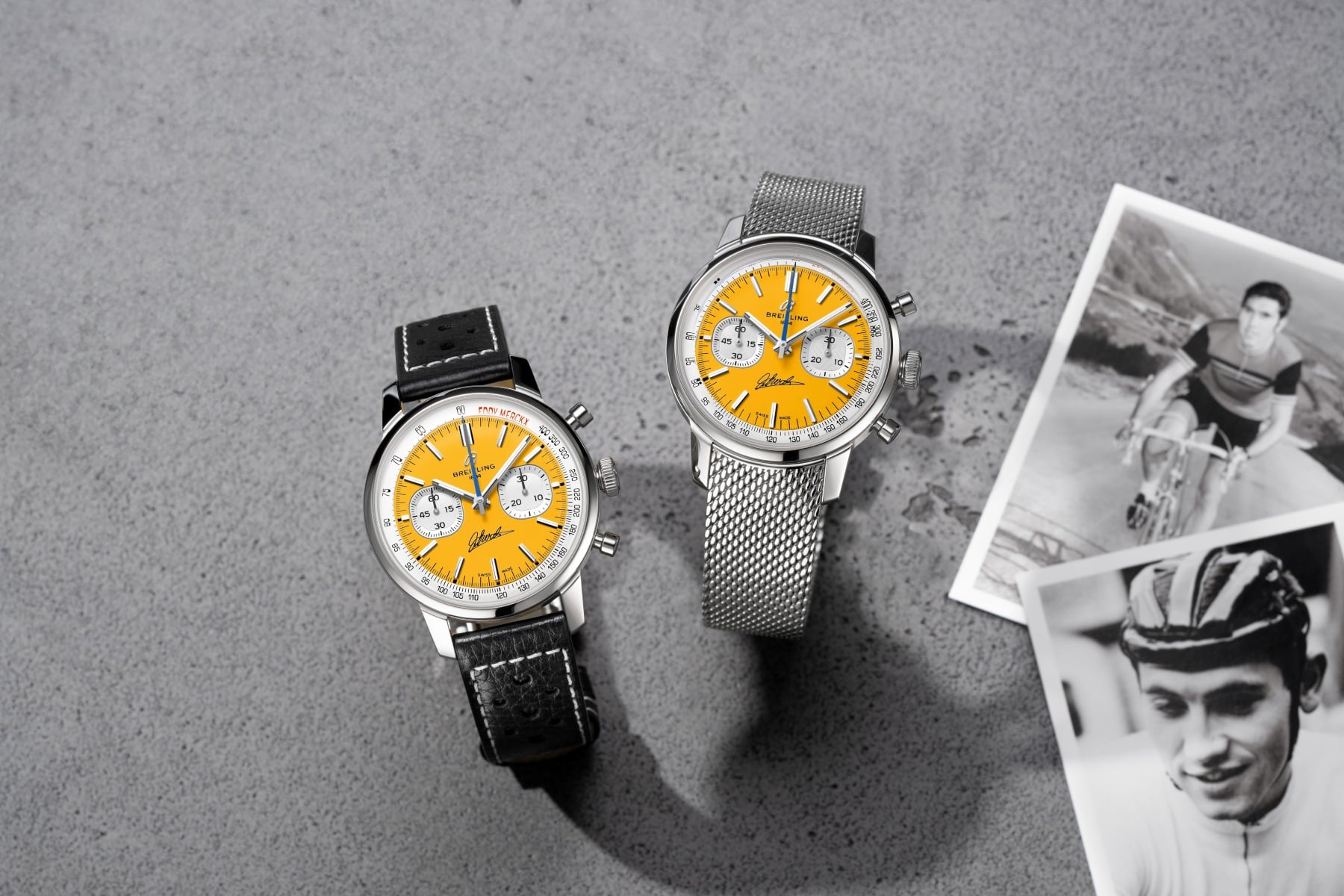
525 Victories, One Dial, and Cycling's Long Wait for a Wrist
Breitling's Eddy Merckx edition doesn't just reference a legend — it asks whether motorsport's younger sibling has finally earned its place in serious watch culture.
From the other desks.

800 Horsepower, One Ton of Doubt
Lamborghini built the most powerful SUV it's ever made. It's also slower than what it replaced.

ESPN Named Him. Then Unnamed Him. Nobody's Explaining the Gap.
A retraction without a reckoning is just a deleted link.

Hide My Email Has Been Showing Your Email
Apple's privacy flagship has a hole in it. They've known for over a year.