When the Map Has a Soul
Forza Horizon 6 handed Japan's artists the keys. That's not marketing — that's a different game entirely.
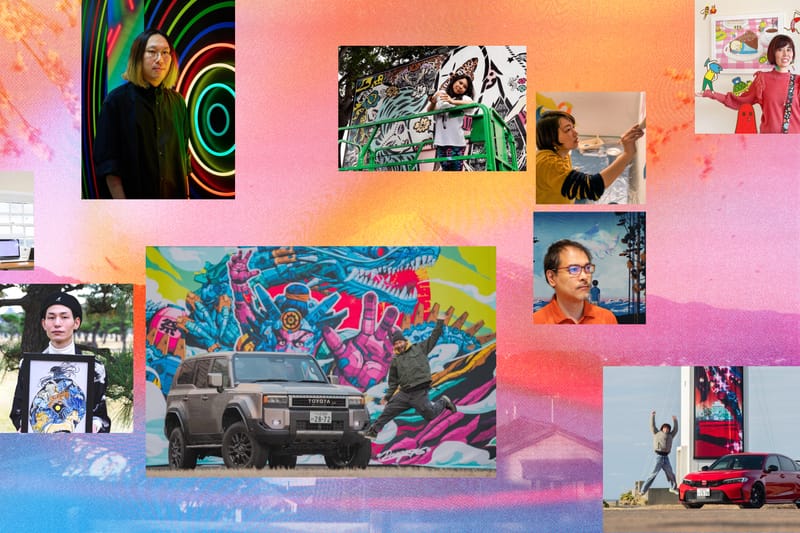
Photo · Hypebeast
Most games decorate their world. Forza Horizon 6 is letting artists build it.
Nine independent Japanese artists. Eight regions. Each one commissioned to create murals that live inside the game as cultural landmarks — not Easter eggs, not background texture. Actual anchors that give the map a reason to exist beyond the next corner.
That's a specific choice. And specific choices have consequences.
Why This Is Different
The fashion world figured this out years ago. The most interesting collaborations aren't the ones where a brand licenses a name and puts it on a hang tag. They're the ones where the outside voice actually changes the object. Comme des Garçons with Nike. Hiroshi Fujiwara with essentially everyone he's ever touched. The thing becomes different because a real perspective got in — not a logo, a perspective.
Playground Games is doing that here. Japan's subcultures, landscapes, and visual traditions aren't set dressing. They're the brief.
That changes what you're actually looking at when you drive through it. There's a difference between a studio art team researching Japan and building something accurate, and a Japanese artist deciding what their region means and rendering it. One produces recreation. The other produces point of view. You can feel the difference even when you can't articulate it.
The mural format matters too. Murals are public, permanent, and intentional. They're how communities mark what they believe is worth seeing. Dropping that logic into an open-world driving game reframes what the map is actually for. It's not just a track layout with scenery. It's an argument about place.
What It Signals
Gaming has been borrowing from fashion's cultural playbook for a while now. Collabs, drops, limited cosmetics with a famous name attached. Most of it is surface — the collaboration as announcement rather than the collaboration as transformation.
This feels like something else. Giving artists creative ownership over how a place is represented is closer to what a good photo editor does with a photographer than what a game studio usually does with IP. You're not approving assets. You're trusting a vision and building around it.
The risk in that is real. When you hand that kind of authority to outside voices, you lose some control over the result. The world becomes less uniform. Some players won't notice. Some will find it jarring. But the ones who respond to it will respond in a way that no amount of technically impressive terrain generation can produce — they'll feel like the place has a reason to exist.
That's the thing about authentic creative input. It doesn't just add flavor. It adds stakes. When an artist has put their actual sensibility into a space, there's something to engage with beyond the mechanics. You're not just passing through. You're reading something.
Games rarely get that right. Fashion gets it right when it's willing to let go of the outcome. The best collabs feel slightly out of control — like both parties made something neither would have made alone.
Forza Horizon 6 is setting up that same tension. Whether it lands depends on execution. But the structure is right.
The best worlds aren't built. They're believed.
Keep reading fashion.

Gold Leaf on a Lacquer Dial, and the Weight of What That Costs
Awake's Frosted Leaf Royal Blue asks a question Vietnamese craft has never quite had to answer at this price.
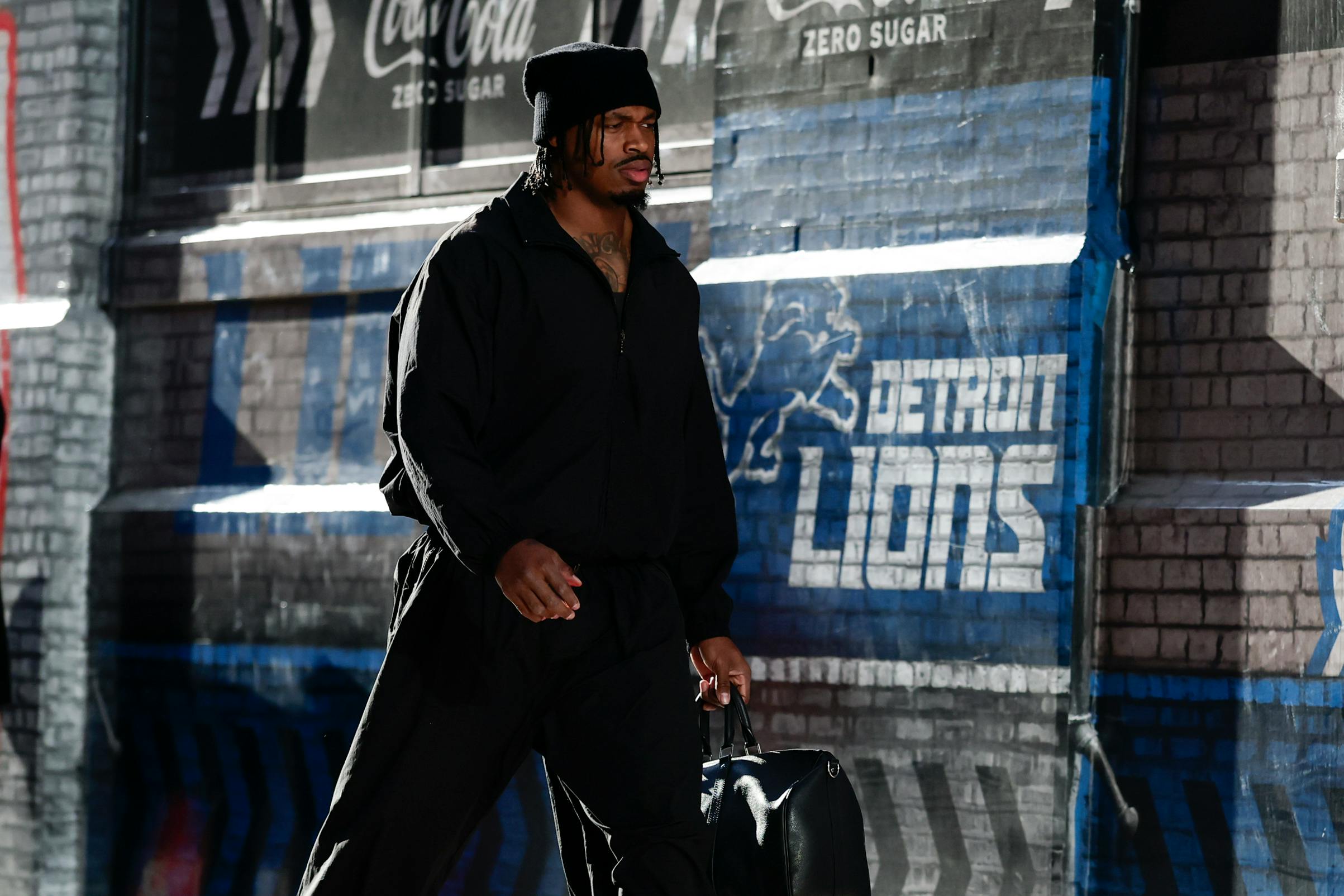
Kyle Smith Has a Job Title That Didn't Exist Before. That's the Whole Tell.
When the NFL hires a fashion editor, it's not about clothes — it's about who gets to decide what matters.
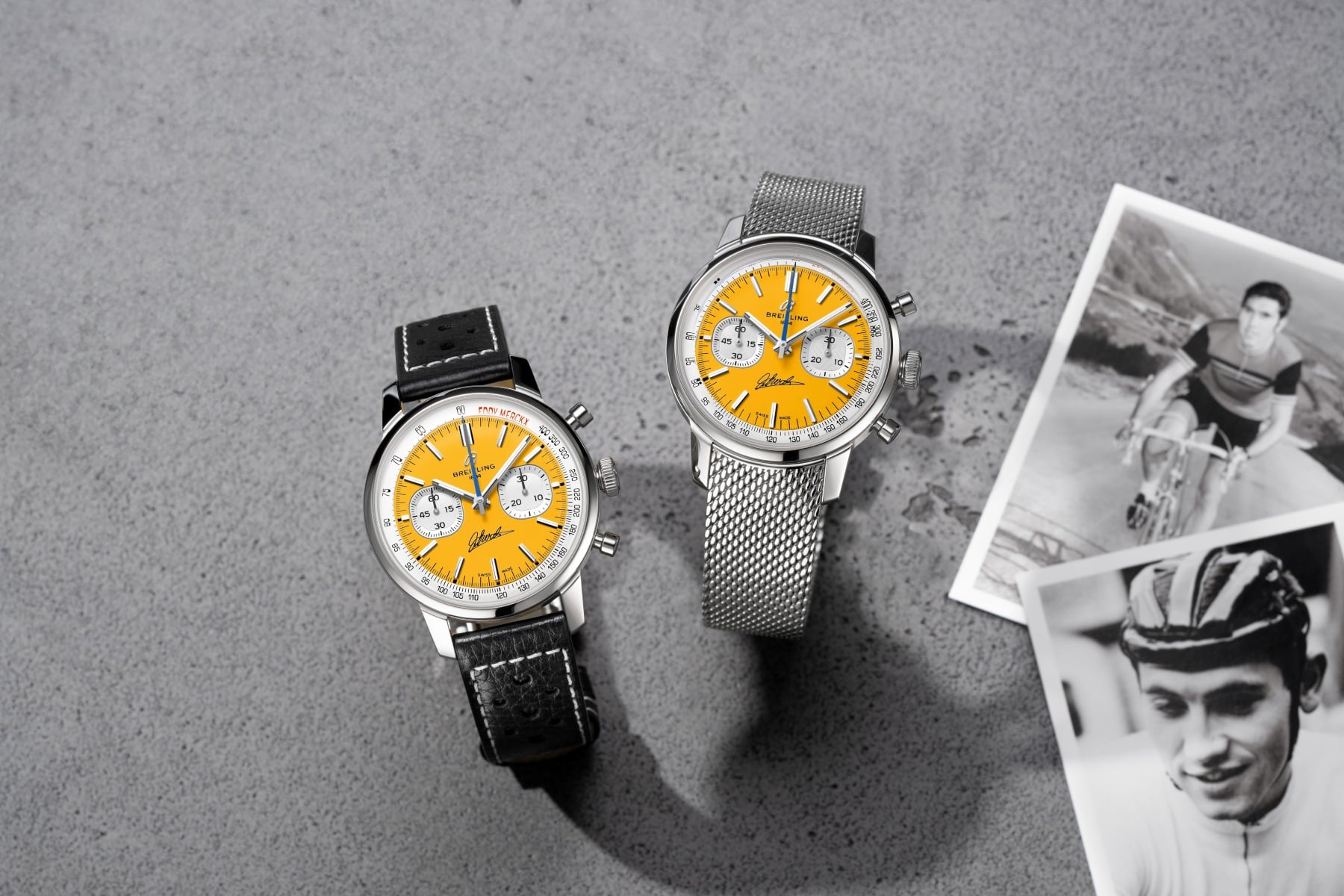
525 Victories, One Dial, and Cycling's Long Wait for a Wrist
Breitling's Eddy Merckx edition doesn't just reference a legend — it asks whether motorsport's younger sibling has finally earned its place in serious watch culture.
From the other desks.

800 Horsepower, One Ton of Doubt
Lamborghini built the most powerful SUV it's ever made. It's also slower than what it replaced.

ESPN Named Him. Then Unnamed Him. Nobody's Explaining the Gap.
A retraction without a reckoning is just a deleted link.

Hide My Email Has Been Showing Your Email
Apple's privacy flagship has a hole in it. They've known for over a year.