Wireless Didn't Die. It Made Its Choice.
The Home Office didn't cancel Wireless. Wireless cancelled Wireless.
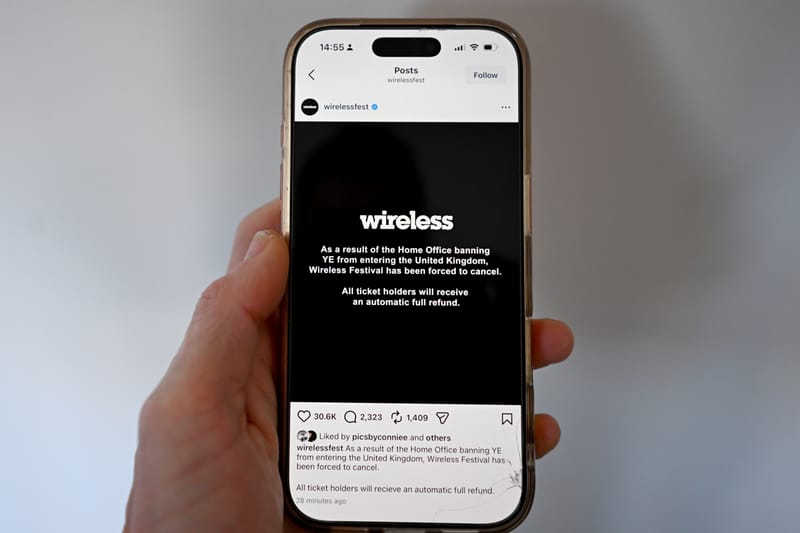
Photo · Hypebeast
The Home Office didn't cancel Wireless. The decision to book Ye did — the ban just made it official.
There's a version of this story where the organisers are martyrs. Brave programmers, censored by bureaucracy, punished for daring to be provocative. That version is convenient. It's also wrong.
Booking Ye in 2025 isn't a bold move. It's a known quantity with a known blast radius. The controversy doesn't arrive as a surprise — it arrives as a schedule. You book him, you get everything that comes with him. The headlines, the sponsor calls, the government attention. That's not an unforeseen consequence. That's the product.
Sponsors Read the Room First
The telling detail isn't the Home Office. It's the sponsors.
When brands start pulling out before the government acts, that's the actual signal. Sponsors are not idealists. They don't leave money on the table for principle — they leave when the math stops working. When the association costs more than the reach is worth. The fact that corporate risk departments got there before the festival's own organisers did says something about who was paying attention.
Wireless built something real over the years. It had a sound, a crowd, a cultural address. It wasn't Glastonbury trying to mean something to everyone — it knew exactly who it was for and it delivered. That specificity was the whole point. The loyalty it earned came from consistency, not from swings.
One swing undid it.
The Difference Between Provocative and Reckless
There's a version of bold programming that works. You book an artist before the consensus catches up. You put someone on the main stage who the industry is sleeping on. You take a financial risk on an act that hasn't proved the numbers yet. That's the job. That's what separates a good festival from a playlist.
This wasn't that.
Booking Ye isn't discovering someone. It's inheriting everything he's become — which at this point includes enough documented behaviour that no amount of musical legacy makes the calculus clean. The 'bold move' framing only holds if you pretend the last few years didn't happen. Organisers apparently decided to pretend.
The audience didn't. The sponsors didn't. The government didn't.
That's not censorship. That's a market responding to a decision.
Festivals operate on trust. The trust of the crowd that shows up. The trust of the artists who agree to share a bill. The trust of the brands that attach their names. You can spend that trust on something that matters — a genuinely difficult artist, a politically charged moment, a lineup that challenges the room. Or you can spend it on a booking that generates attention without generating anything worth the cost.
Wireless spent it. And now it's gone.
When your 'bold move' takes the whole festival down with it, that's not controversy. That's consequence — and consequences don't care about your intentions.
Keep reading fashion.

Gold Leaf on a Lacquer Dial, and the Weight of What That Costs
Awake's Frosted Leaf Royal Blue asks a question Vietnamese craft has never quite had to answer at this price.
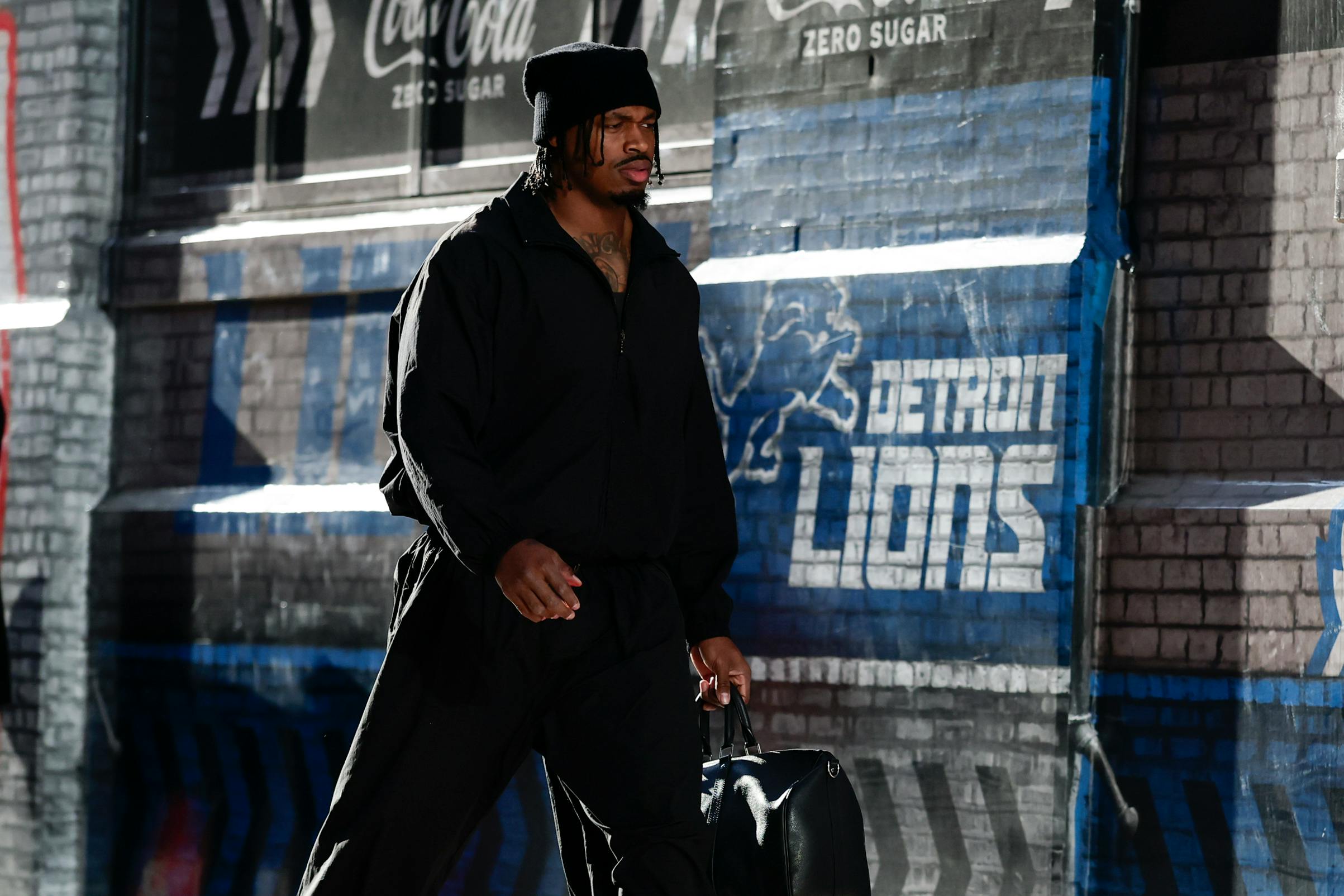
Kyle Smith Has a Job Title That Didn't Exist Before. That's the Whole Tell.
When the NFL hires a fashion editor, it's not about clothes — it's about who gets to decide what matters.
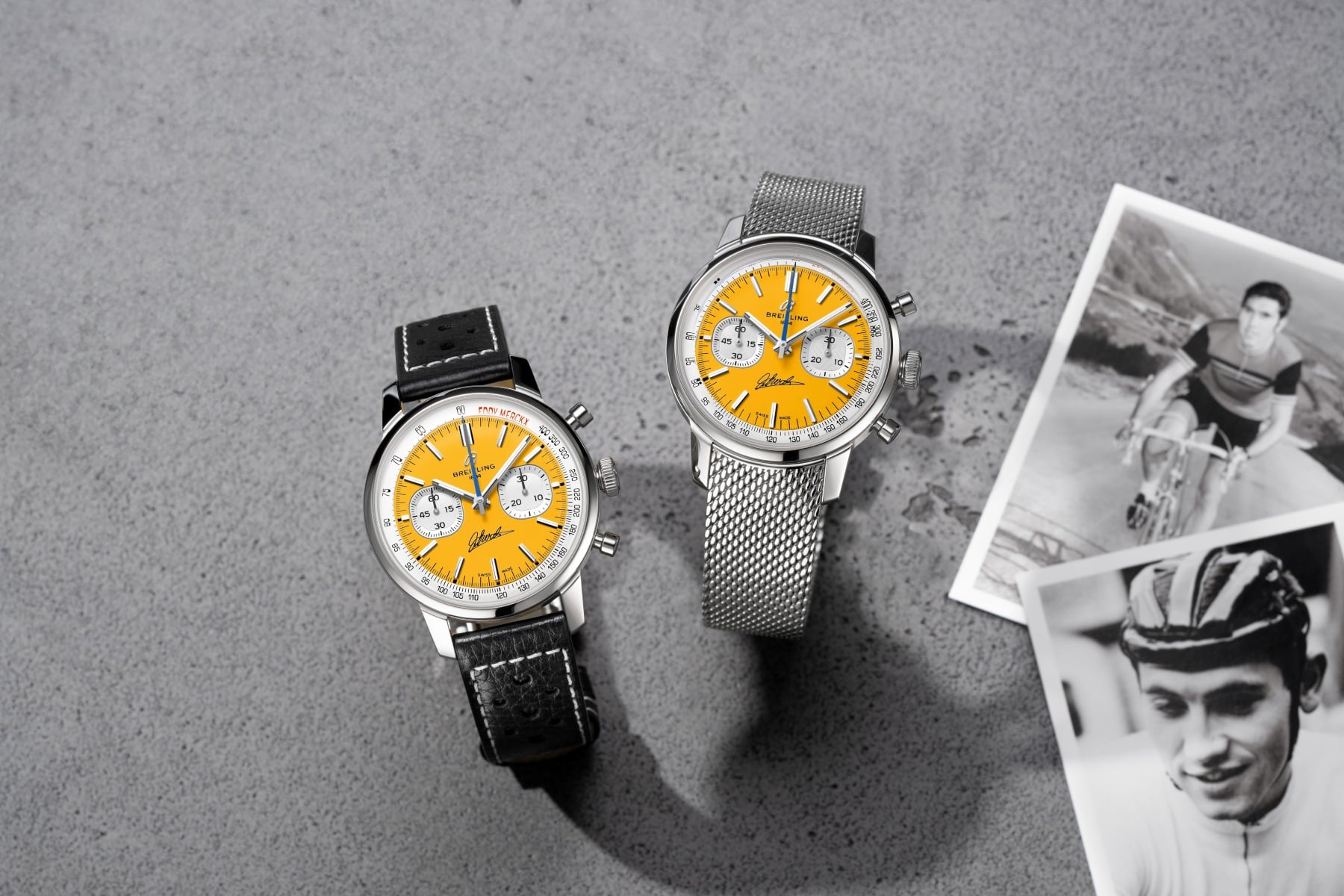
525 Victories, One Dial, and Cycling's Long Wait for a Wrist
Breitling's Eddy Merckx edition doesn't just reference a legend — it asks whether motorsport's younger sibling has finally earned its place in serious watch culture.
From the other desks.

800 Horsepower, One Ton of Doubt
Lamborghini built the most powerful SUV it's ever made. It's also slower than what it replaced.

ESPN Named Him. Then Unnamed Him. Nobody's Explaining the Gap.
A retraction without a reckoning is just a deleted link.

Hide My Email Has Been Showing Your Email
Apple's privacy flagship has a hole in it. They've known for over a year.