Cal Raleigh Hit 60 Home Runs. Sports Immediately Demanded an Explanation for the Silence.
A writer at Defector named the slump. The math named it first.
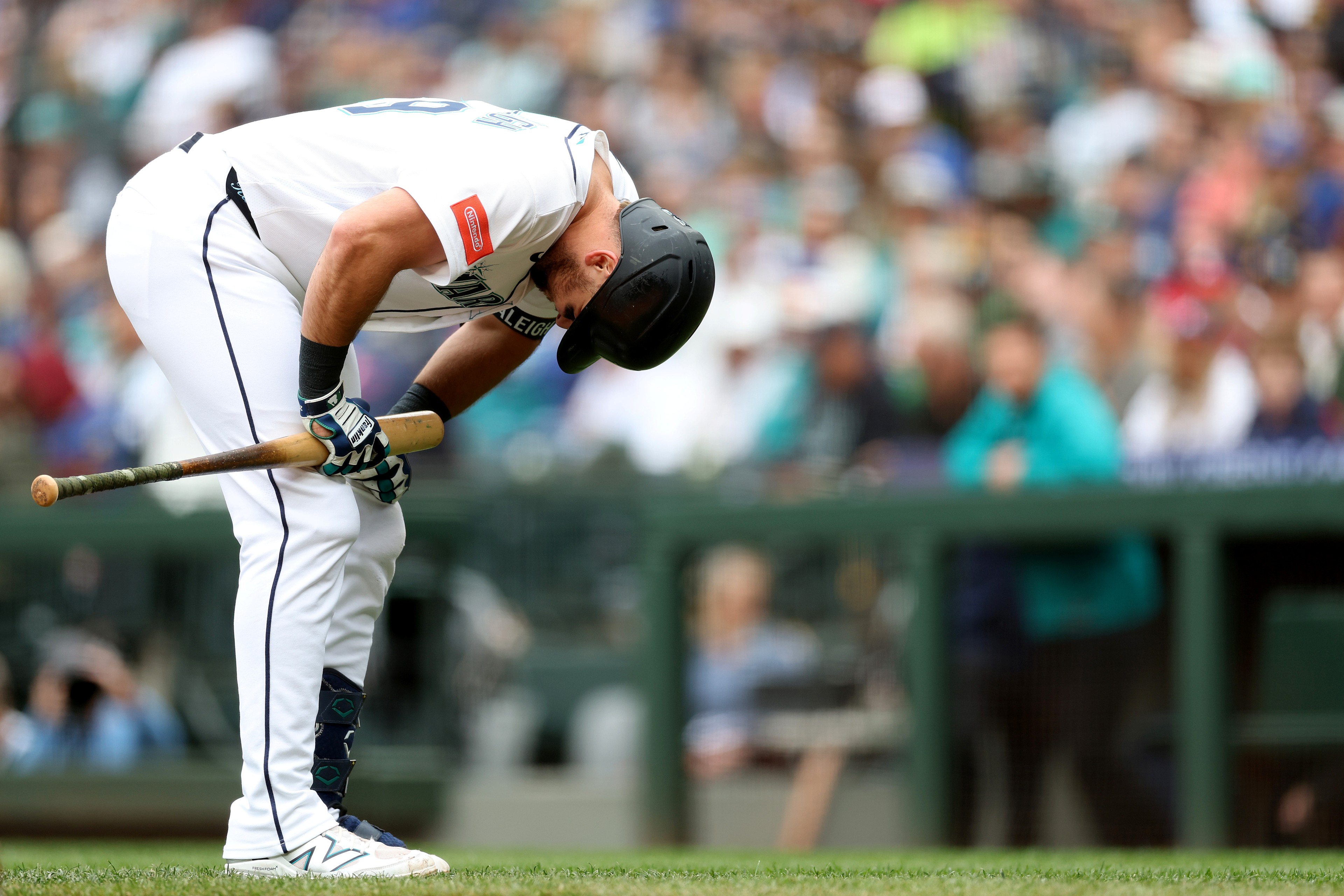
Photo · Defector
The Story Writes Itself, Which Is the Problem
Somewhere between the sixty home runs and the 0-for-7 start, sports media found its favorite thing: a fall from grace with a catchy nickname attached. A writer at Defector took up the Cal Raleigh story this week — the Seattle catcher who slugged his way into the record books last season — and made the case plainly: the sophomore slump is real, and it is also not real, and both things are true at the same time.
That's a more honest take than most outlets will print. It's worth sitting with.
The argument goes like this. Rookies who post historic seasons are unlikely to match them the following year. But that's not a rookie problem or a sophomore problem — it's a math problem. Regression to the mean doesn't care about your narrative arc. It cares about probability distributions. If you hit 60 home runs in a single season, the floor beneath you is very far down, and you are almost certainly going to find it.
What the Defector piece gets right is refusing to dress this up as character. Raleigh didn't lose something. He didn't stop working. He didn't get complacent. He got caught by the same gravitational pull that catches everyone who climbs high enough.
Why Sports Keeps Telling This Story Anyway
Here's what I keep turning over: we know this. Anyone who has spent real time with baseball statistics knows that outlier seasons are outliers for a reason. And yet the sophomore slump persists as a narrative category — a thing that happens to players, as if it were a condition you contract rather than a number that corrects itself.
Sports needs the story more than it needs the explanation. A player struggling early in his second season is a story about will, identity, pressure, expectation. A player experiencing predictable variance in his performance output is a statistics lecture. One of those fills airtime. One of them doesn't.
So the nickname — Big Dumper — gets a second life, now ironic where it was once triumphant. The writer at Defector notes this shift without savoring it, which is the right call. There's nothing to celebrate in watching a player who gave you something genuinely rare get turned into a punchline by the same media cycle that made him a star.
The honest version of this story is smaller and less satisfying. Cal Raleigh had one of the great offensive seasons a catcher has ever produced. He is now, early in the following year, not doing that. Both of those things are true. Neither of them tells us much about who Cal Raleigh is as a player, a person, or a competitor — because regression to the mean is indifferent to all three.
What the Defector piece does, by naming the statistical reality underneath the narrative, is give readers a small piece of armor. The slump isn't a betrayal. It's the math catching up.
Sports will keep telling the story anyway. It's just good to have someone writing down what's actually happening underneath it.
Keep reading sports.

ESPN Named Him. Then Unnamed Him. Nobody's Explaining the Gap.
A retraction without a reckoning is just a deleted link.

Three People Died Celebrating. FIFA Hasn't Said Their Names.
Mexico City buried three people after the World Cup crowds came through. At some point, the sport has to sit with that.

Sell the Stadium, Lose the Room
NFL franchises are rolling out the welcome mat for World Cup tourists — and the desperation is showing.
From the other desks.

800 Horsepower, One Ton of Doubt
Lamborghini built the most powerful SUV it's ever made. It's also slower than what it replaced.

Gold Leaf on a Lacquer Dial, and the Weight of What That Costs
Awake's Frosted Leaf Royal Blue asks a question Vietnamese craft has never quite had to answer at this price.

Hide My Email Has Been Showing Your Email
Apple's privacy flagship has a hole in it. They've known for over a year.