Rory Knew. The Players Didn't. Golf Just Told You Who Matters.
When the money leaves quietly and only some people hear it going, that's not a news story — that's a power structure confessing.
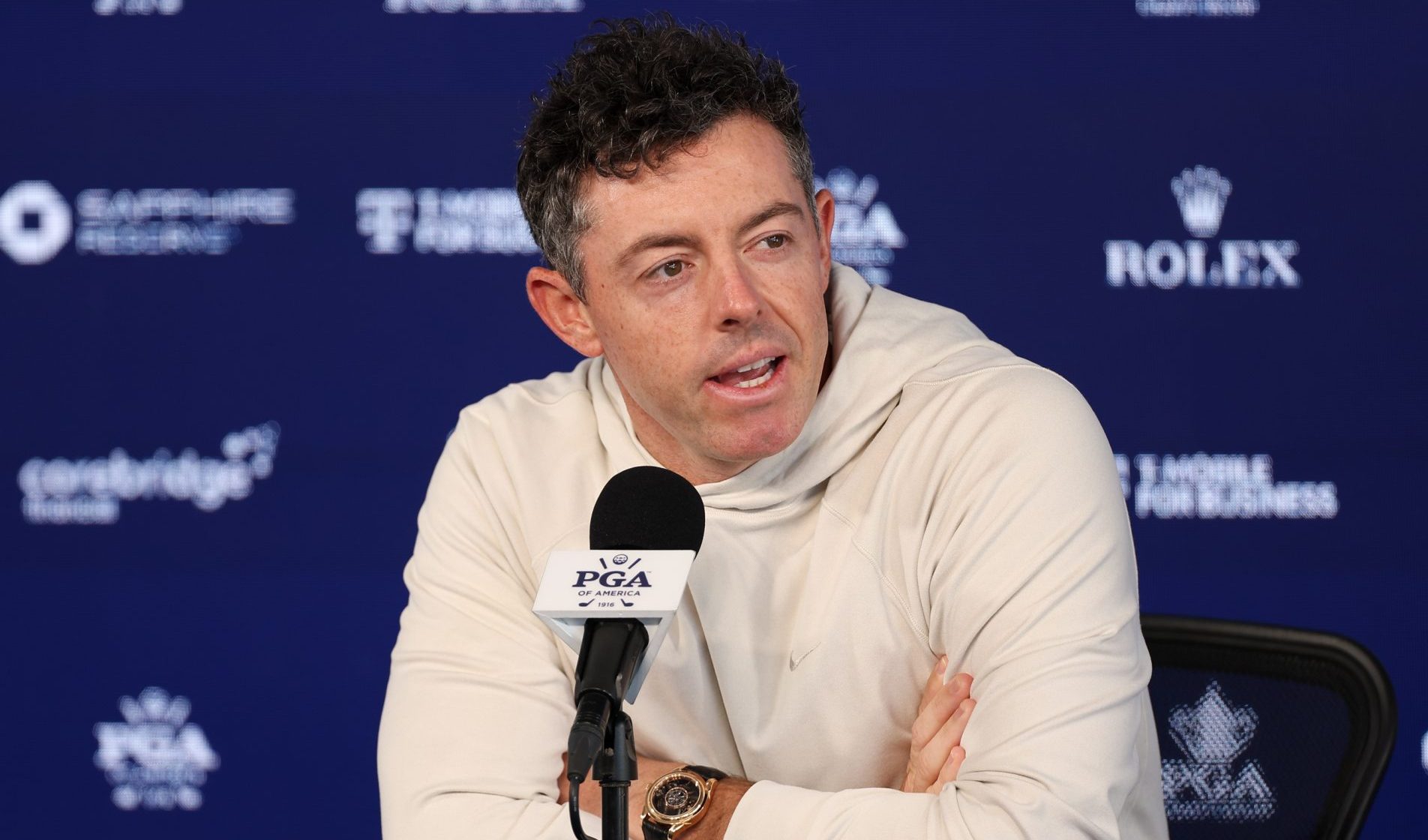
Photo · Front Office Sports
There's a version of this story where LIV Golf is a cautionary tale about ambition outrunning stability. Sovereign wealth, $5 billion committed, the best players in the world lured away — and then, quietly, the rug pulled. That version is interesting enough.
But the more revealing version is smaller. It's about who got the call.
What Rory Knew
Rory McIlroy, Masters champion, has said publicly that he heard rumblings about the Saudi PIF withdrawing its funding from LIV Golf weeks before that news became official. Before the players knew. Before the shock set in inside the tour's own locker rooms. The Guardian reported his framing directly: the rug was pulled from under their feet.
That phrase is worth sitting with. Because rugs don't get pulled accidentally. Someone decides to pull them. And apparently, someone also decided who to tell — and who to leave standing on the floor.
McIlroy wasn't inside LIV. He was its most prominent critic, then its reluctant diplomatic interlocutor, then something harder to categorize. And yet he had the information before the men who had reorganized their careers, their contracts, and their professional identities around the circuit's survival. Jon Rahm, according to Deadspin, said he doesn't see many ways out of his LIV contract — a man effectively describing himself as trapped, who apparently learned the walls were closing in from the news cycle rather than anyone who owed him a conversation.
That asymmetry is the story. Not the funding collapse itself.
What Information Actually Costs
Sport loves to perform meritocracy. The best competitor wins. The best organization builds the best team. The best tour attracts the best players. What it's less comfortable admitting is that the real competition — the one that determines who survives restructurings, who lands softly when things fall apart, who gets the heads-up — runs on access, not ability.
McIlroy has said LIV's situation illustrates the danger of any sport becoming reliant on something that can be affected by world affairs. That's a diplomatic read. A sharper one: if your funding can evaporate based on geopolitical calculus made thousands of miles away, and you are the last to know it's evaporating, you were never really a stakeholder. You were inventory.
The players who signed with LIV took a real risk, and McIlroy acknowledged as much — calling the breakaway tour always a risk. Some of them were handsomely compensated for that risk. But compensation and information are different currencies. One pays for what you gave up. The other tells you what's coming. Rory had the second kind. They had the first.
Rahm's public posture — focused on the next shot, not the tour's future — reads less like zen detachment and more like a man who has correctly assessed that worrying about something he wasn't consulted on serves no purpose. That's a rational response to powerlessness, not a performance of calm.
The Confession Nobody Had to Make
What makes McIlroy's disclosure unusual is that he didn't have to say it. He could have expressed sympathy for the LIV players, called the situation unfortunate, and moved on. Instead, he volunteered the detail that he knew first — and framed the players' shock as a consequence of a structure that was never designed with their interests at its center.
That's not criticism. It's almost worse than criticism. It's clarity.
Golf's power structure, which spent three years pretending the LIV schism was about competitive integrity and the soul of the sport, has now revealed its actual architecture: some people get warned, and some people get surprised, and which group you're in has very little to do with how well you play.
The best golfer in the world right now knew before the employees did. That's not a golf story. That's just how power works — and occasionally, when someone's feeling honest, it says so out loud.
Keep reading sports.

ESPN Named Him. Then Unnamed Him. Nobody's Explaining the Gap.
A retraction without a reckoning is just a deleted link.

Three People Died Celebrating. FIFA Hasn't Said Their Names.
Mexico City buried three people after the World Cup crowds came through. At some point, the sport has to sit with that.

Sell the Stadium, Lose the Room
NFL franchises are rolling out the welcome mat for World Cup tourists — and the desperation is showing.
From the other desks.

800 Horsepower, One Ton of Doubt
Lamborghini built the most powerful SUV it's ever made. It's also slower than what it replaced.

Gold Leaf on a Lacquer Dial, and the Weight of What That Costs
Awake's Frosted Leaf Royal Blue asks a question Vietnamese craft has never quite had to answer at this price.

Hide My Email Has Been Showing Your Email
Apple's privacy flagship has a hole in it. They've known for over a year.