The League Changed. Now She Gets to Try Again.
Charli Collier's comeback isn't just a second chance — it's a test of whether the WNBA's new money can rewrite old verdicts.
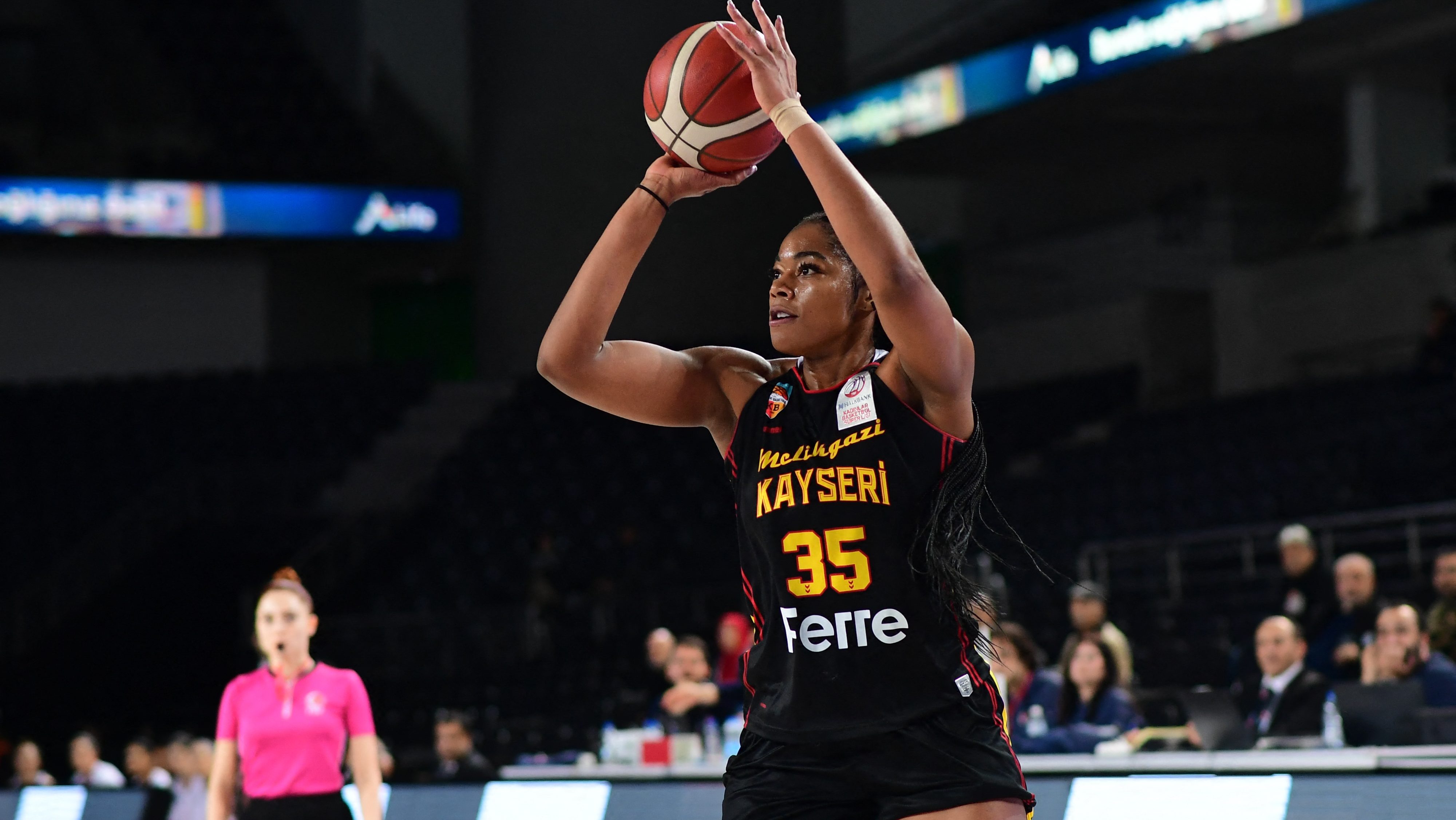
Photo · Andscape
The Label Sticks Until It Doesn't
Bust. The word lands differently depending on who's saying it and why. In sports, it's usually a verdict — clean, final, delivered with the casual cruelty of people who never had to perform anything under pressure. For Charli Collier, the No. 1 overall pick in the 2021 WNBA Draft, it became a shadow she couldn't outrun.
A writer at Andscape sat down with Collier recently, and the piece is worth noticing — not because it tells a redemption story, but because it raises a harder question underneath that story. Collier admits the bust label used to get to her. She describes it with a phrase that's more honest than most athletes allow themselves to be in print. That kind of candor is interesting on its own. What's more interesting is the timing.
Five years after she became one of the most celebrated draft selections in recent WNBA history, Collier is trying to come back to a league that looks almost nothing like the one that drafted her. The salary landscape has shifted. Visibility has expanded. The infrastructure around players — financial, professional, psychological — has grown in ways that weren't true when she was a rookie trying to survive an industry that moves fast and forgives slowly.
Which raises the question nobody's quite asking directly: would her story have gone differently if she'd entered this league instead of that one?
When the System Writes You Off Early
The WNBA has always had a brutal compression problem. Rosters are small. Seasons are short. A player who struggles in year one or two doesn't get the quiet development time that her NBA counterpart might. The margin for recalibration has historically been razor-thin, and the financial stakes — for most of the league's existence — weren't enough to make fighting through that margin feel worth it for everyone involved.
That calculus is changing. Not uniformly, not perfectly, but visibly. And what the Andscape piece surfaces, maybe without meaning to, is that Collier's comeback attempt exists inside that shift. The league she's trying to re-enter is one where the financial argument for persistence has gotten stronger. Where a player with her draft pedigree — No. 1 overall, a member of a group the writer describes as ultra-elite — might actually find a team willing to bet on upside again.
That matters. Because what killed a lot of careers in the old WNBA wasn't lack of talent. It was lack of runway. Players got labeled, the label calcified, and the economics never created enough pressure to challenge it. The bust became permanent not because the player stopped developing, but because the system stopped looking.
Collier is 26. She has been playing basketball her entire conscious life. She was the best prospect in her draft class according to every evaluator who mattered. None of that disappeared. What disappeared was opportunity — and opportunity, it turns out, is partially a function of money.
The piece doesn't frame it this way. It's a character portrait, warm and careful, built around Collier's own voice and her willingness to be vulnerable about what the last five years cost her emotionally. That's the right frame for Andscape's purposes. But the subtext is structural.
This is a story about a player the league wrote off — and a league that might finally be wealthy enough to reconsider its own handwriting.
The verdict was never really about her. It was about what the system could afford to believe.
Keep reading sports.
ESPN Named Him. Then Unnamed Him. Nobody's Explaining the Gap.
A retraction without a reckoning is just a deleted link.

Three People Died Celebrating. FIFA Hasn't Said Their Names.
Mexico City buried three people after the World Cup crowds came through. At some point, the sport has to sit with that.

Sell the Stadium, Lose the Room
NFL franchises are rolling out the welcome mat for World Cup tourists — and the desperation is showing.
From the other desks.

800 Horsepower, One Ton of Doubt
Lamborghini built the most powerful SUV it's ever made. It's also slower than what it replaced.
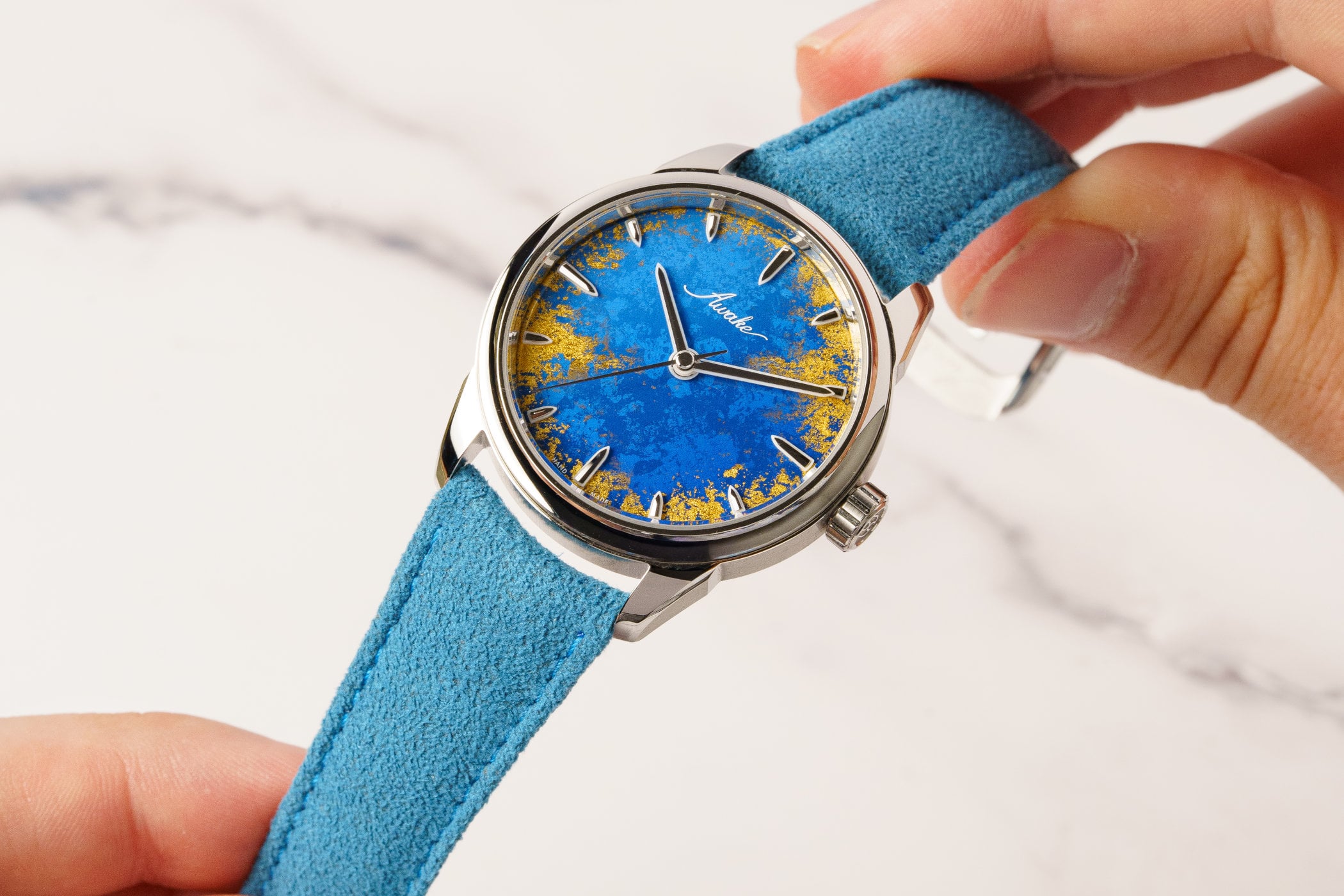
Gold Leaf on a Lacquer Dial, and the Weight of What That Costs
Awake's Frosted Leaf Royal Blue asks a question Vietnamese craft has never quite had to answer at this price.

Hide My Email Has Been Showing Your Email
Apple's privacy flagship has a hole in it. They've known for over a year.