Comeback Season, or Just the Pendulum?
Andscape is calling 2027 a turning point for Black quarterbacks in the draft. The harder question is what comes after.
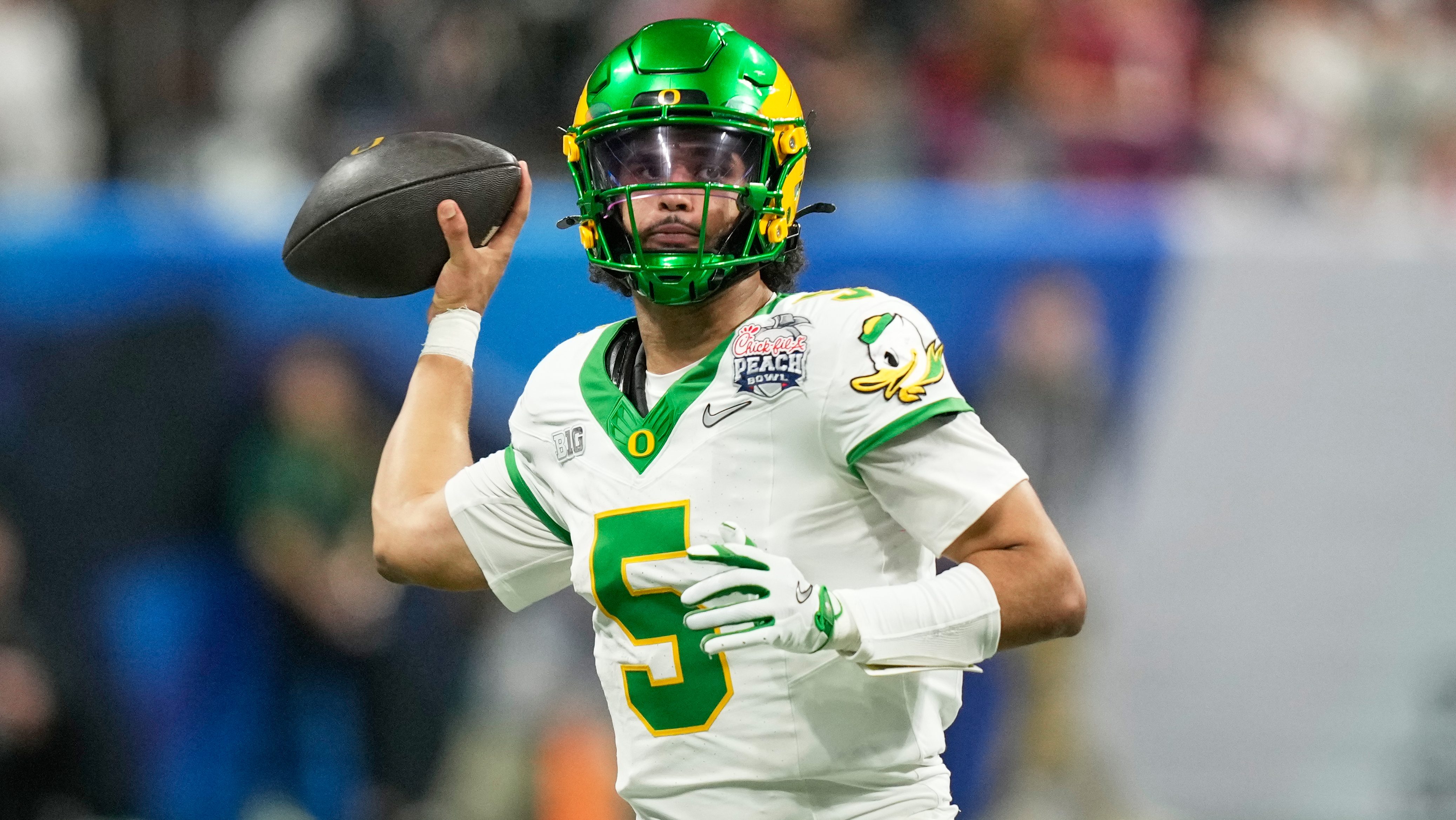
Photo · Andscape
There's a piece up at Andscape right now making a case that deserves more than a scroll-past. The argument: Black quarterbacks are positioned to make a comeback in the 2027 NFL draft, after what the writer frames as a meaningful absence — a drought following a stretch that ran from 2011 to 2025, during which 19 Black passers were selected in the draft.
Nineteen. Over fourteen years. That number is load-bearing in this conversation, because it tells you two things at once: there was a window, and then something narrowed.
The piece doesn't just celebrate what might be coming. It holds the tension of what the cycle itself means.
The Theater of the Draft Narrative
Here's what I keep sitting with. The NFL draft is, among other things, a story machine. It produces characters, arcs, and redemption plots on a conveyor belt every April. Quarterbacks are the most storied position in that machine — the most analyzed, the most myth-laden, the most burdened by whatever a given evaluator needs them to be.
When a writer at Andscape frames this as a comeback, they're not just describing roster movement. They're pointing at something structural. Comebacks require an absence. Absences don't happen by accident at the quarterback position, where the pipeline runs from high school recruiting through college visibility through draft boards that are built by human beings with human biases, institutional loyalties, and pattern-matching instincts that reward whoever last looked like the thing they're searching for.
The 2027 class might be exceptional. It might genuinely break through. But the framing of "comeback" implies we've been here before — and we have, which is exactly the thing worth examining.
Whether the Gate Opens or Just Swings
The optimistic read is straightforward: talent accumulates, visibility follows, and eventually the draft reflects reality. If the prospects are there — and Andscape is asserting they are — then 2027 becomes evidence that the system self-corrects.
The skeptical read is harder and more honest. Cycles don't break patterns; they confirm them. A surge in one draft class followed by another drought isn't progress — it's oscillation. And the question nobody wants to ask during a boom moment is whether the conditions that created the last drought are still intact, just temporarily overwhelmed by talent too obvious to ignore.
Gatekeeping rarely announces itself. It operates through proxies: "system fit," "decision-making under pressure," "leadership presence" — language that is conveniently elastic and conveniently applied unevenly. If those proxies are still the vocabulary in draft rooms, a strong 2027 class doesn't dismantle anything. It just clears the bar that was set deliberately high.
What Andscape is doing by naming this moment matters. Naming the pattern is the precondition for disrupting it. But the disruption isn't in the draft. It's in what happens to those quarterbacks in years two, three, and four — whether they get the development, the patience, and the organizational commitment that determines whether a first-round pick becomes a franchise cornerstone or a cautionary footnote.
The comeback story is worth watching. Just watch all of it.
Keep reading sports.

ESPN Named Him. Then Unnamed Him. Nobody's Explaining the Gap.
A retraction without a reckoning is just a deleted link.

Three People Died Celebrating. FIFA Hasn't Said Their Names.
Mexico City buried three people after the World Cup crowds came through. At some point, the sport has to sit with that.

Sell the Stadium, Lose the Room
NFL franchises are rolling out the welcome mat for World Cup tourists — and the desperation is showing.
From the other desks.

800 Horsepower, One Ton of Doubt
Lamborghini built the most powerful SUV it's ever made. It's also slower than what it replaced.

Gold Leaf on a Lacquer Dial, and the Weight of What That Costs
Awake's Frosted Leaf Royal Blue asks a question Vietnamese craft has never quite had to answer at this price.

Hide My Email Has Been Showing Your Email
Apple's privacy flagship has a hole in it. They've known for over a year.