Half a Billion Dollars and the Salary Cap Is Still Supposedly Real
Patrick Mahomes just became the NFL's first $500 million player, and the league's favorite fiction about competitive balance is running out of places to hide.
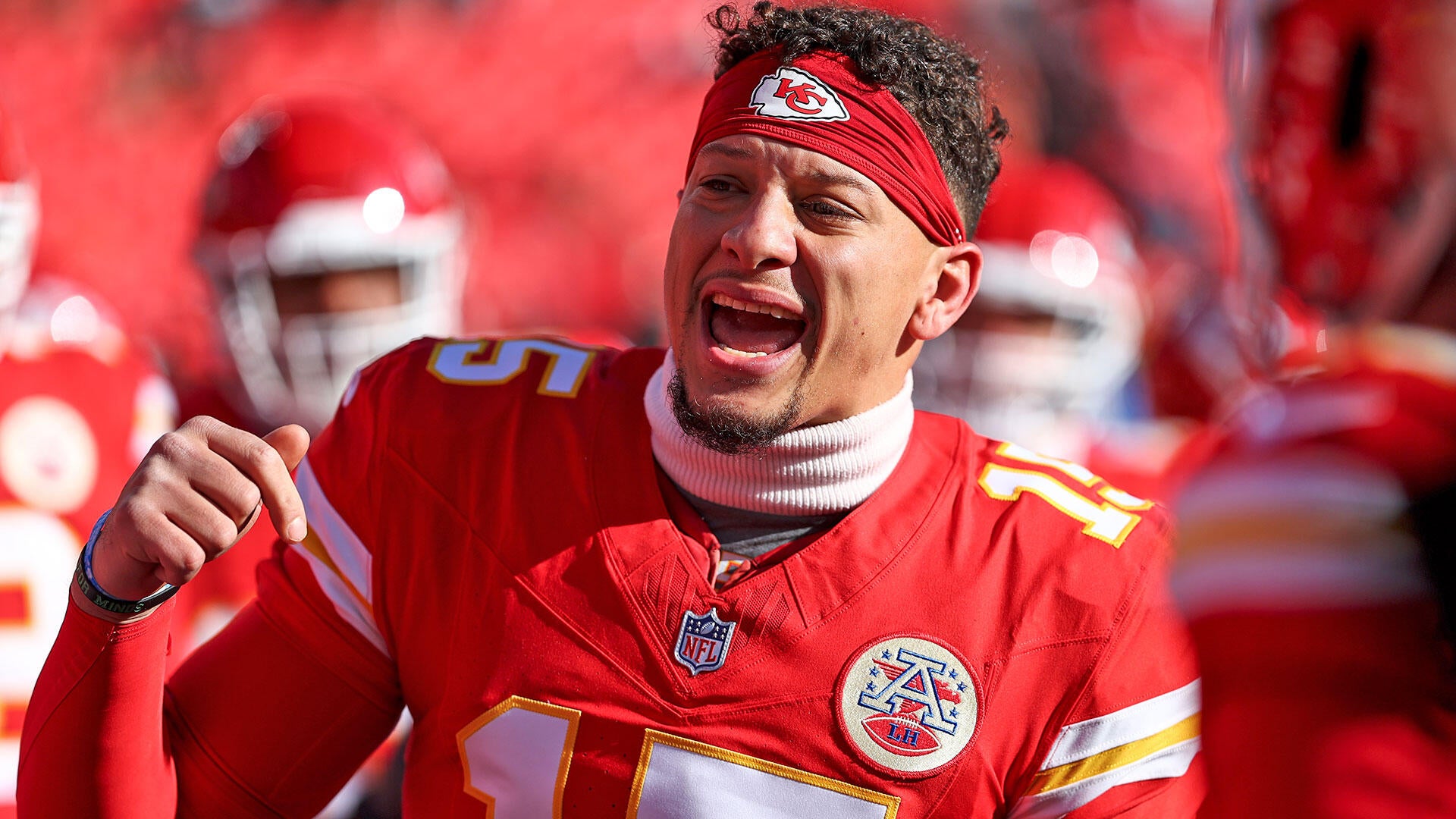
Photo · CBS Sports Headlines
There's a number the NFL has spent decades protecting. Not a score, not a stat — the salary cap. The idea that every franchise starts equal, that money can't simply buy dynasties, that parity is structural and not just a story the league tells itself. Patrick Mahomes just put $504.75 million on the table and asked everyone to keep a straight face.
According to reporting from The Guardian, the Chiefs restructured Mahomes' deal, adding two years and pushing total compensation past the half-billion mark — $504.75 million, with incentives and escalators that could take it beyond $520 million. The contract runs through 2033, when Mahomes will be 38. CBS Sports reports the new arrangement makes him the highest-paid player in the NFL at $64 million per year. The first half-billion-dollar player in league history. A benchmark so large it doesn't just set a record — it relocates the ceiling.
The Number Isn't the Story
The number is actually the least interesting thing here. What's interesting is what it reveals about leverage — and who actually has it.
Mahomes signed his first landmark deal in 2020, a 10-year, $450 million contract that, at the time, reset expectations for what quarterbacks could command. The league absorbed it. Teams adjusted. Agents recalibrated. And then, five years later, Kansas City came back and added more. Two more years. More money. More commitment to one man at one position on one franchise.
This is how quarterback economics actually work: it's not a market, it's a negotiation between a team that cannot afford to lose and a player who knows it. The Chiefs haven't just built a dynasty around Mahomes — they've built an identity, a brand, a civic mythology. Letting him walk is not a football decision. It stopped being a football decision years ago. And Mahomes, or his representation, understood that perfectly.
What Parity Was Always Pretending
The salary cap exists, in theory, to prevent what the NFL insists it doesn't have: a class system. Rich markets can't simply outspend small ones. Every team resets. Every team competes. That's the promise.
But the cap was never designed to neutralize quarterback advantage — it was designed to distribute it. When one player earns $64 million a year, teams don't just budget differently. They architect differently. The rest of the roster bends around a single contract. Role players take discounts or leave. Draft capital gets redirected. The franchise doesn't just pay for a quarterback; it reorganizes its entire football logic around protecting the investment.
Kansas City has won. Repeatedly. And now they've made a 38-year commitment — in professional sports terms, practically geological — to the man at the center of it. The question the league has to sit with isn't whether Mahomes is worth $500 million. He probably is, by any rational accounting of what he generates. The question is what happens to the teams that don't have him, don't have anyone close to him, and are told to compete anyway under the same structural rules.
Parity was always a management story as much as a football one. Mahomes just made it harder to tell with a straight face.
Some athletes transcend their contracts. Mahomes transcended the concept of one.
Keep reading sports.
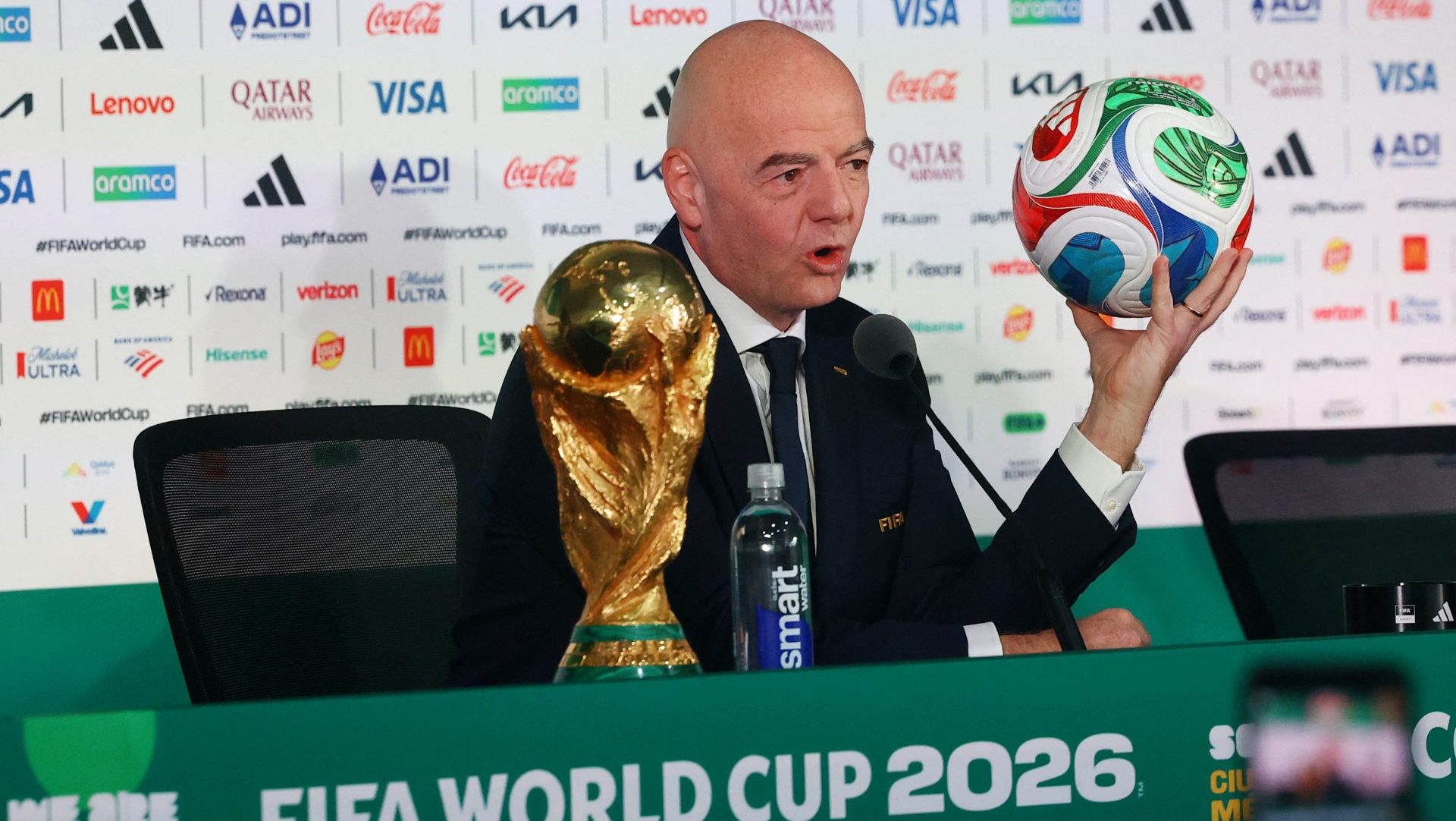
Gianni Infantino Told Reporters to Chill. That's the Whole Defense.
When the FIFA president's best argument on ticket prices is that North America agrees with him, something has already broken.
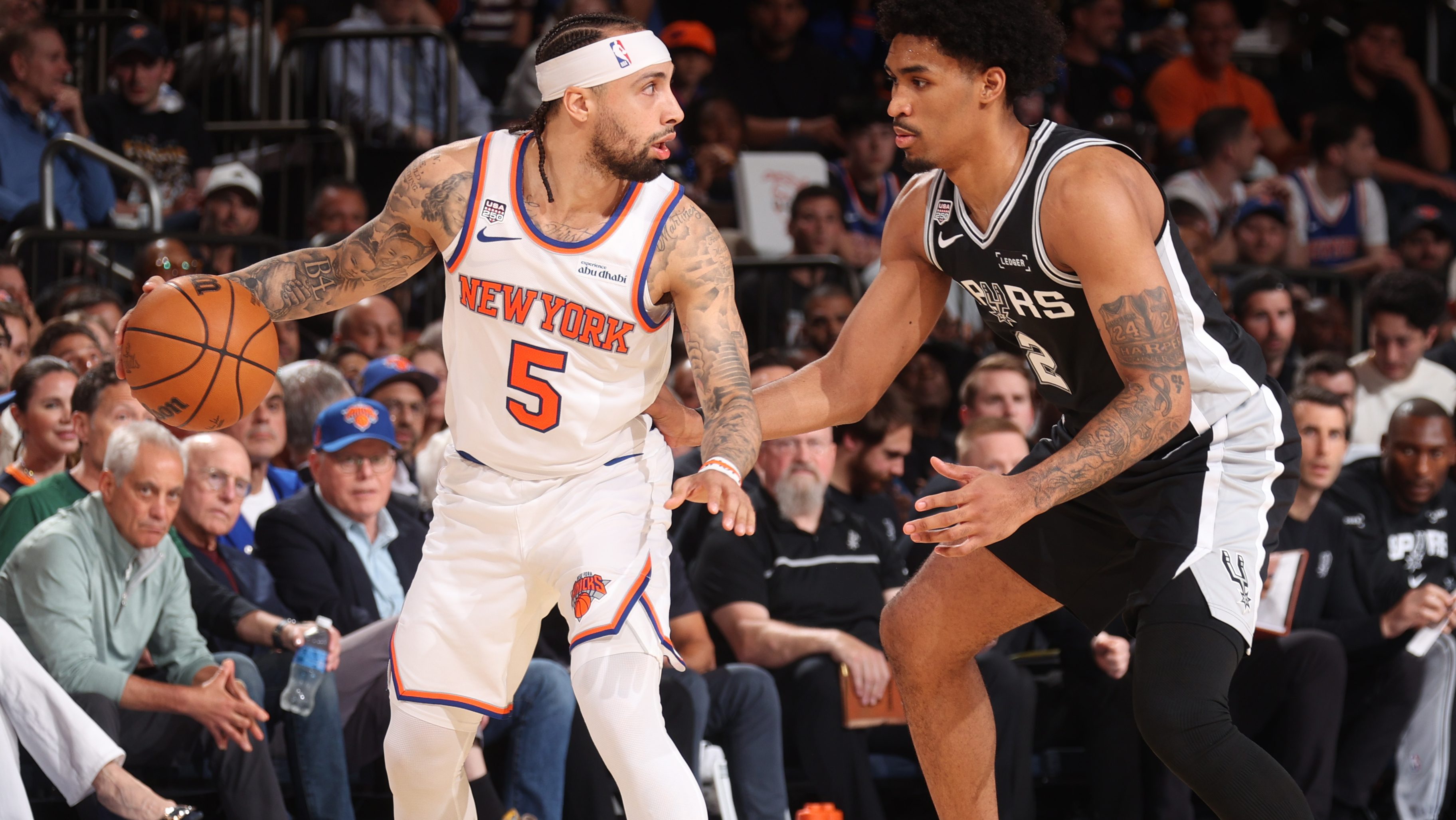
Fifty-Three Years Is Not a Drought. It's a Generation.
When the Knicks finally made the Finals, New York didn't just show up to watch — it showed up to be seen, to grieve, to remember who they were before the waiting started.

Nobody Knows Who's Winning Until They Already Have
Four games into the Stanley Cup Final, the only thing that holds is that nothing holds.
From the other desks.

GM Stopped Waiting for the Perfect Battery and Started Selling the Grid
When a carmaker bets on sodium-ion cells that will never touch a vehicle, the EV transition has quietly moved somewhere else entirely.

A Hundred Years Underwater, and Rolex Is Still Holding Its Breath
The Oyster centennial is everywhere — Shanghai, Hodinkee, the cultural conversation — and none of it is asking the uncomfortable question.
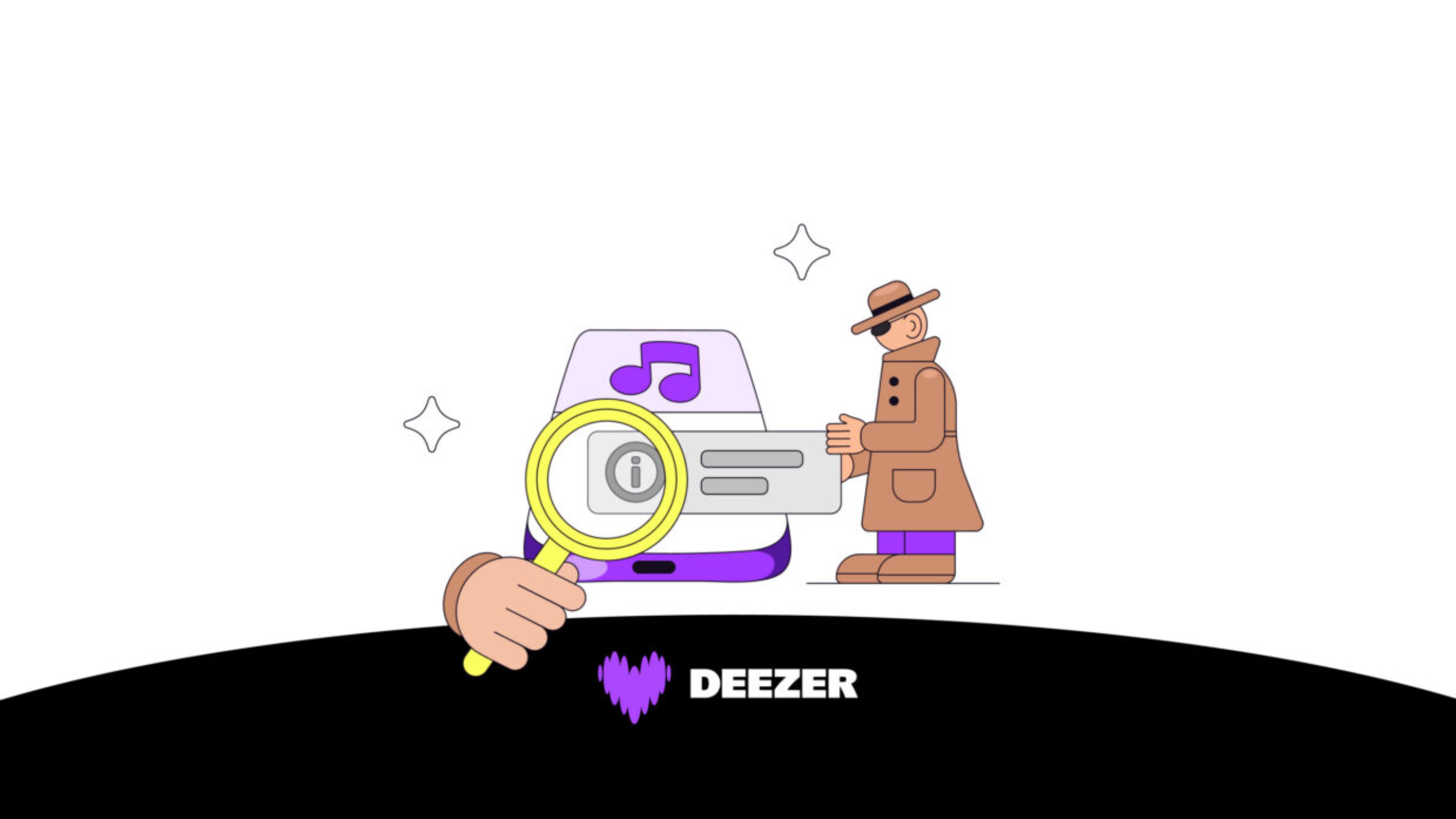
Deezer Built a Flashlight and Pointed It at Everyone Else's Mess
When a streaming platform launches a free tool to expose AI-generated music on its competitors, that's not altruism — it's a confession.