Kansas City Didn't Ask Soccer's Permission
Four World Cup teams chose a Midwest city as their base. That choice says something the sport's gatekeepers aren't ready to admit.
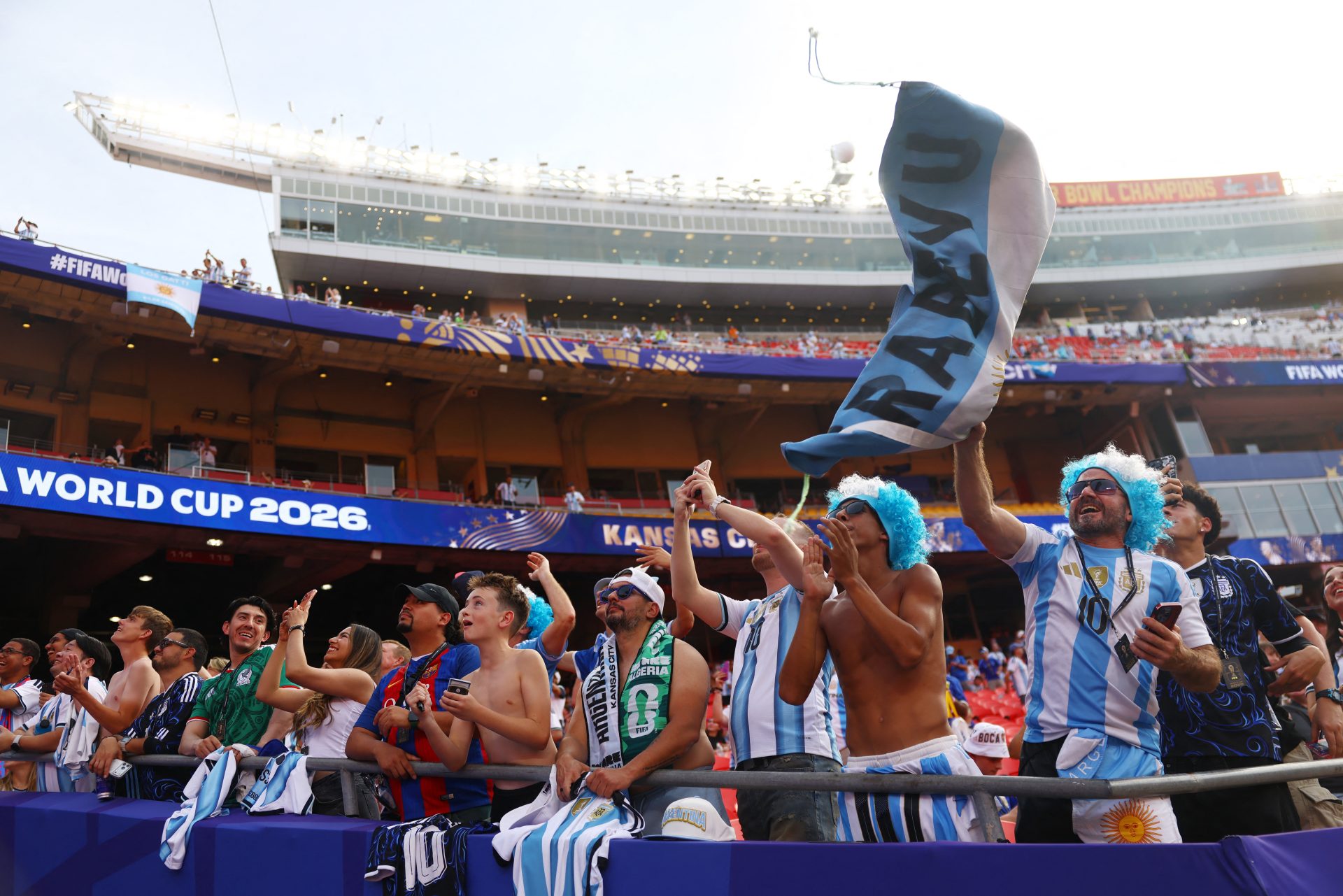
Photo · Front Office Sports
There's a version of American soccer's story where the sport's future runs through the coasts — through Los Angeles, New York, the places that already have the infrastructure, the diaspora, the press corps, the mythology. That version has been told for decades, and it's not entirely wrong. But Front Office Sports just published a piece arguing that Kansas City has become the soccer capital of the world. Not the soccer capital of the Midwest. Not an honorable mention. The world.
Four national teams have set up base camp there for the World Cup. Four.
What That Number Actually Means
Base camp selection isn't random. Teams choose their host cities based on training facilities, logistics, proximity to match venues, and — though no federation will say it plainly — the feeling a place gives off. The intangible of whether a city will hold them right. Four teams deciding that Kansas City holds them right is not a coincidence. It's a verdict.
The writer at Front Office Sports frames this as Kansas City's moment, and they're not wrong, but I think the more interesting thing is what it exposes about the assumptions that have governed American soccer culture for so long. Pedigree has always been the unspoken currency. The cities that were supposed to matter were the ones with the longest MLS histories, the biggest immigrant communities feeding youth academies, the loudest arguments for why they deserved to be taken seriously. Kansas City apparently stopped waiting for that argument to resolve itself.
What you build matters more than where you build it. That's not a new idea in American sports. It's just one that soccer keeps having to relearn.
The Emotional Center Isn't Always Where You Expect It
There's something almost clarifying about a World Cup landing in a place that doesn't carry the weight of everyone else's expectations. When the tournament goes to the cities that were always supposed to host it, the story is confirmation. When it goes somewhere that surprises people, the story is possibility.
Kansas City becoming the tournament's emotional center — if that's what this turns out to be — won't be because it out-marketed anyone or because some governing body decided to make a statement. It'll be because four teams looked at what was there and said yes. That's a different kind of legitimacy. Quieter. Harder to argue with.
The Front Office Sports piece exists because someone felt the need to say the thing out loud: that the soccer capital of America might not be where American soccer always assumed it would be. The fact that the piece needed to be written at all tells you something about how resistant the sport's internal culture is to updating its own map.
Soccer in America has spent years negotiating with its own credibility. Kansas City, apparently, just got on with it.
Keep reading sports.
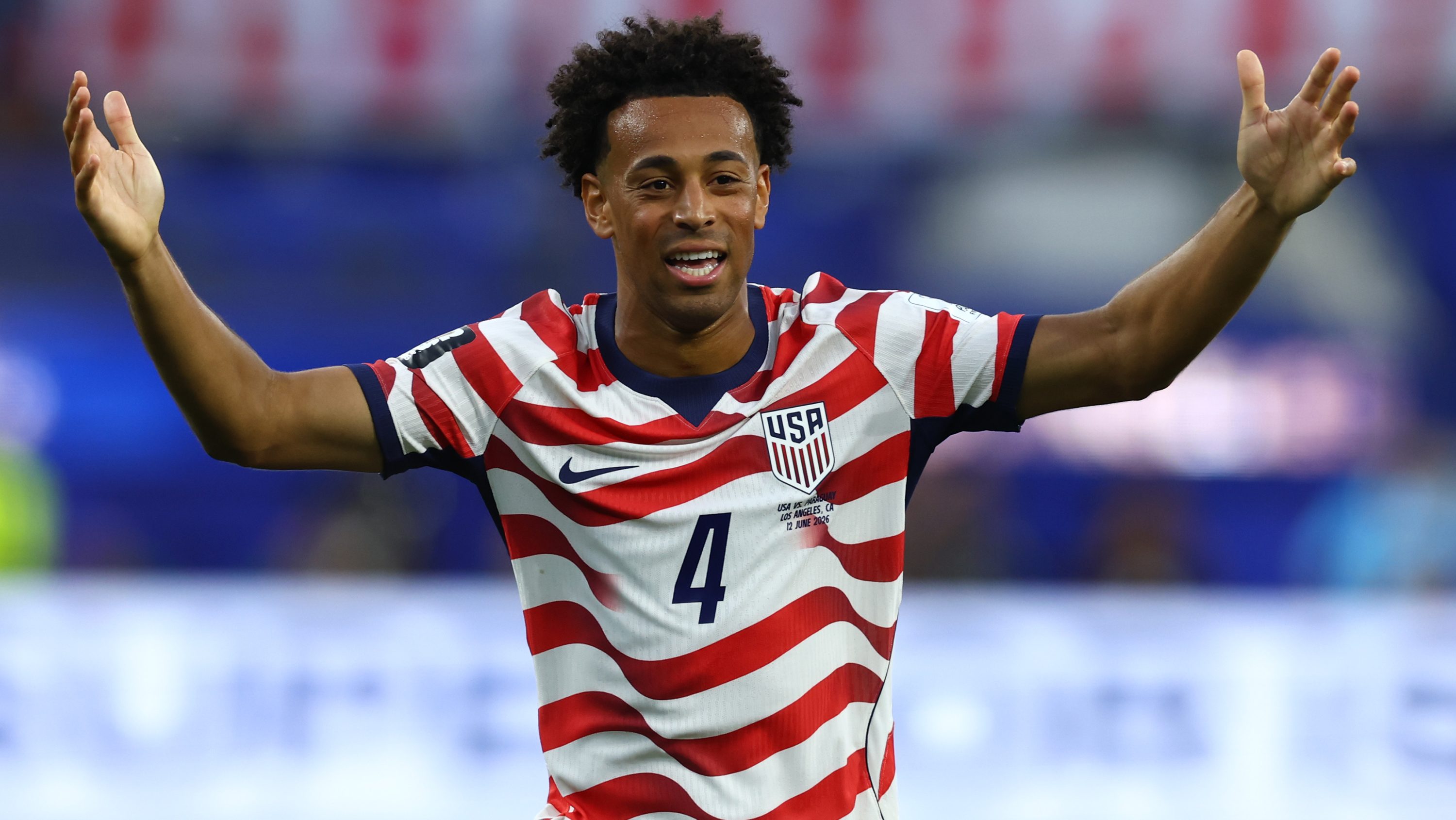
Pedigree Was Always a Distraction
The 2026 World Cup didn't just outperform expectations — it exposed how wrong the expectations were in the first place.
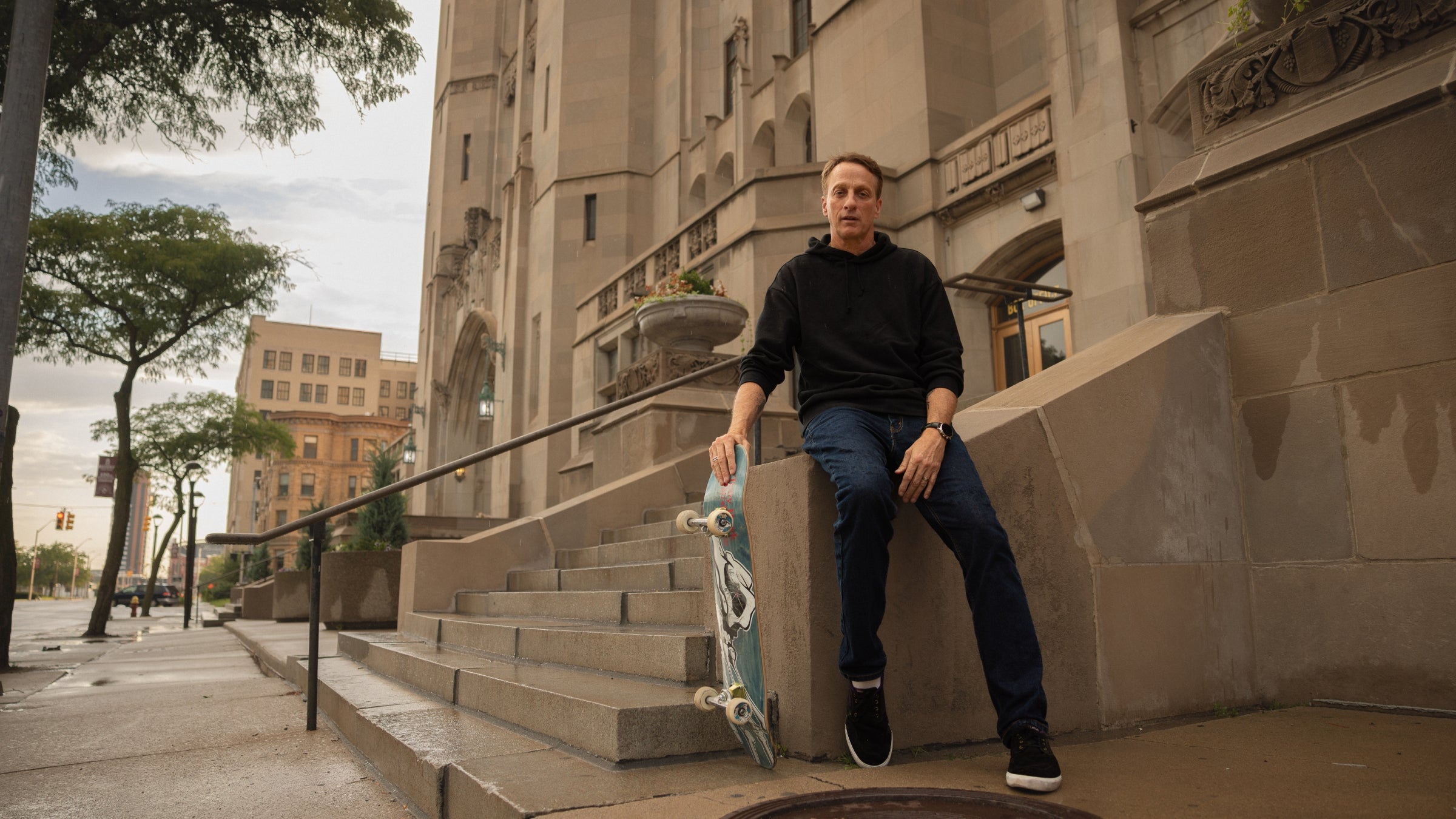
When Tony Hawk Stopped, Everyone Had to Decide What That Meant
A 2022 crash didn't just change how skateboarding's greatest figure moves through the world — it changed what we're allowed to ask of him.

Thirty-Nine Years Old, and Still Rewriting the Ending
Messi came back to the World Cup to say goodbye. The hat trick complicated the eulogy.
From the other desks.
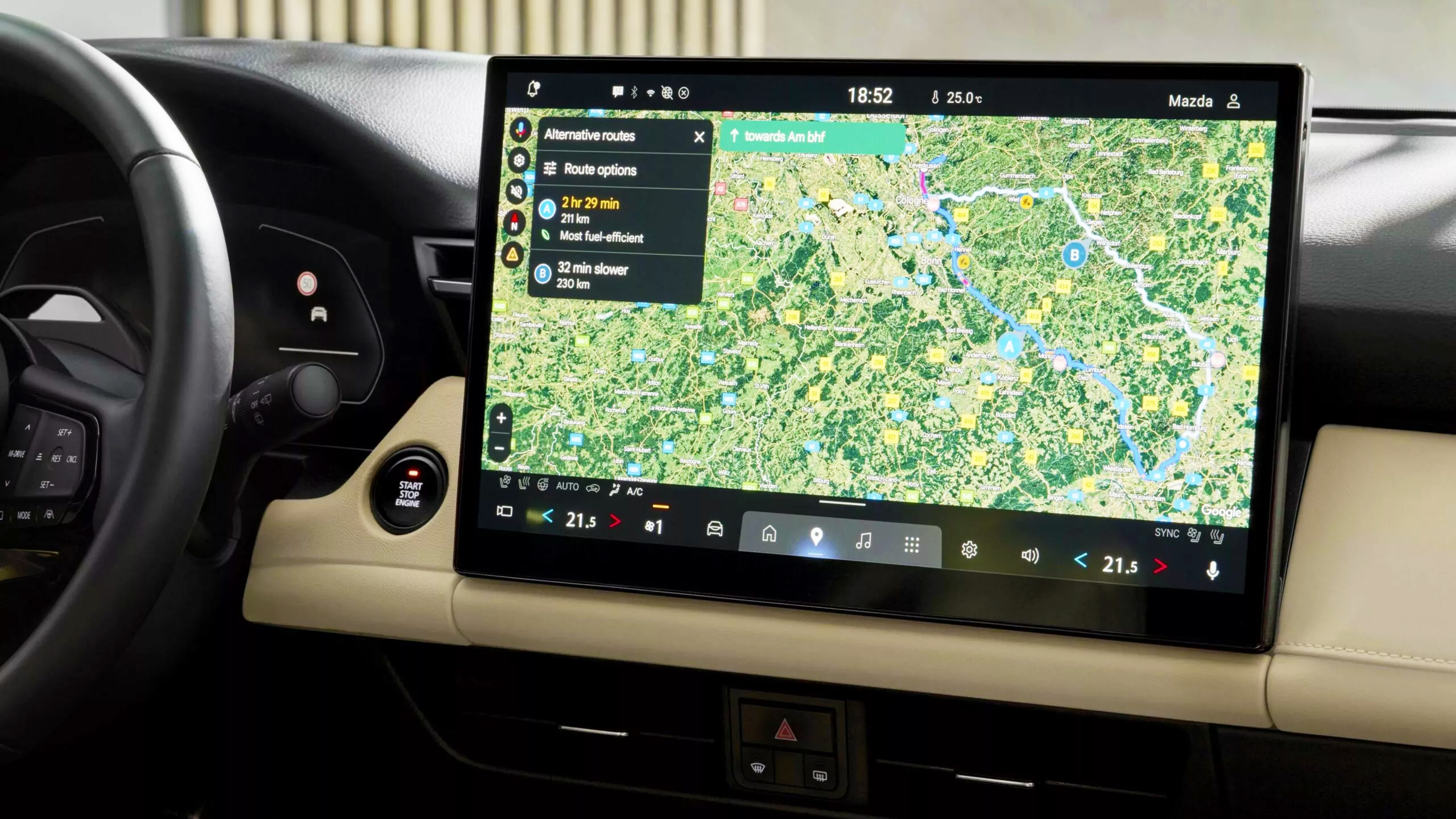
Mazda Changed Its Mind. Now Watch What Happens to the Brand.
The company that built its identity on hating touchscreens just put one in the CX-5 — and its reasoning is better than you'd expect, which makes the whole thing harder to sit with.
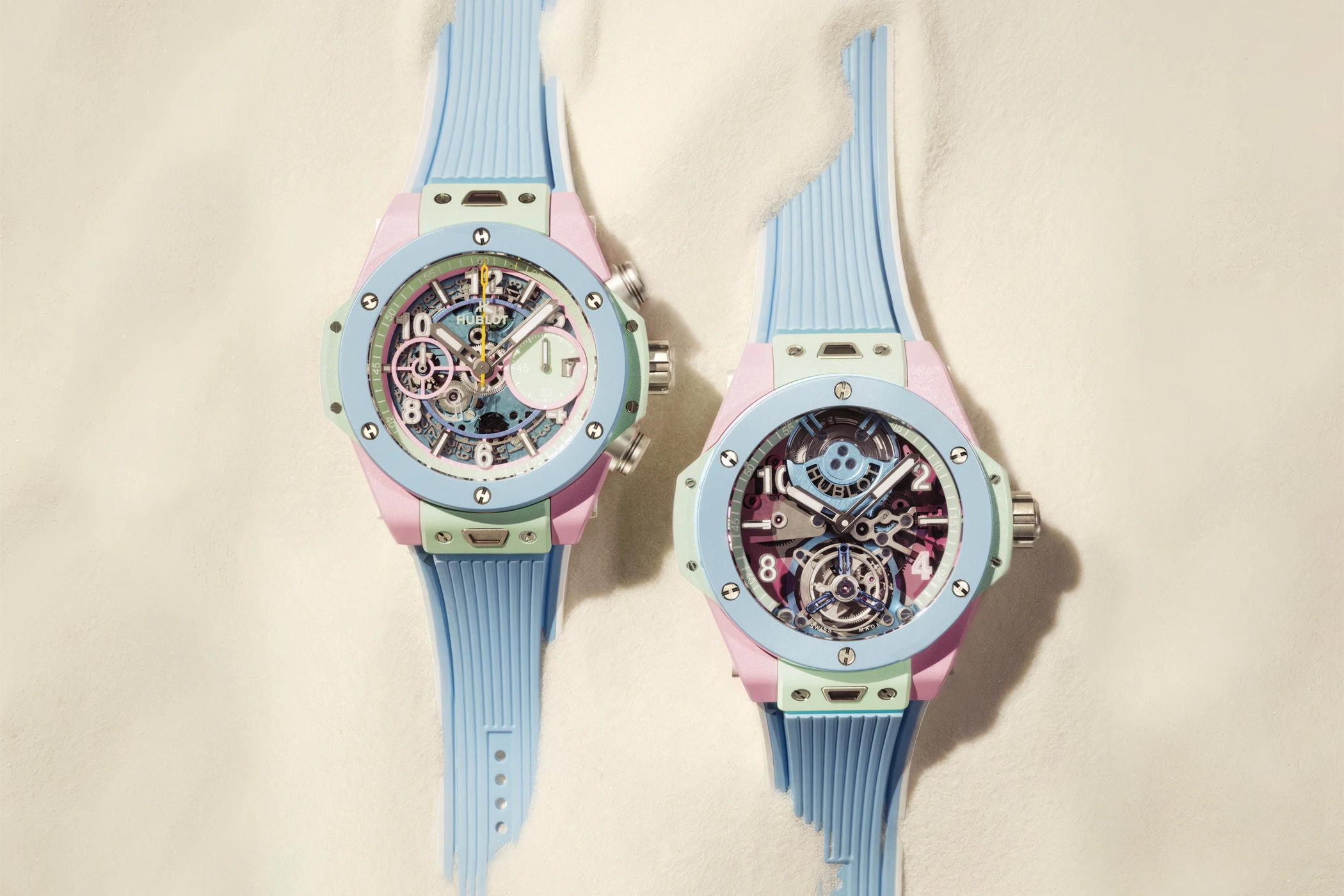
Hublot Chose Hard Colors on Purpose
Pastel ceramic isn't soft. Making it is the opposite of soft.

Brazil Got a Door. Apple Still Built the Frame.
Alternative app marketplaces are now open in Brazil — Apple just makes sure it approves who walks through.