Players Era Cut Eight Teams and Called It Growth
Moving to ESPN and shrinking the field in the same breath isn't a contradiction — it's a confession.
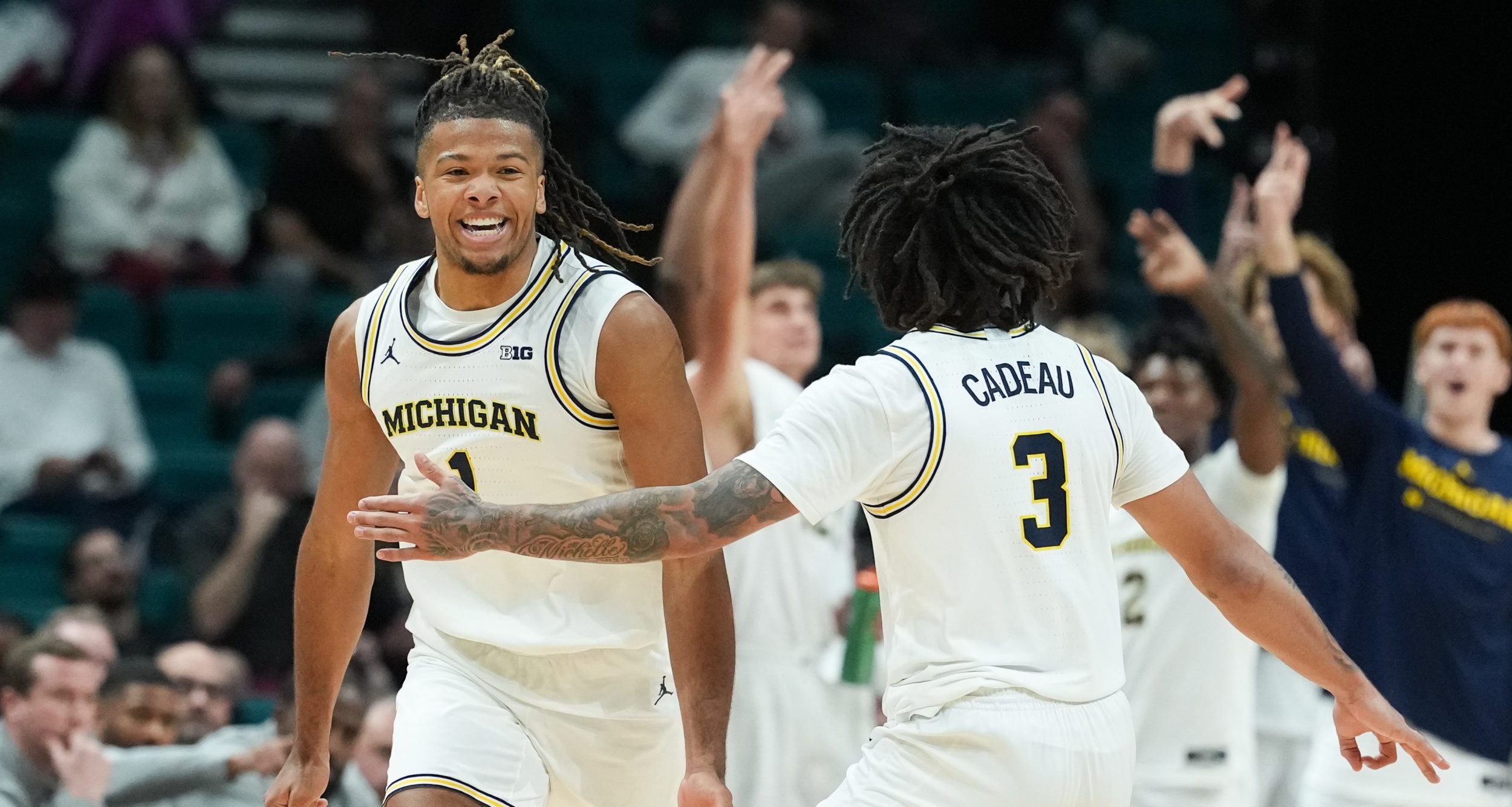
Photo · Awful Announcing
The number that should follow you out of Thursday's Players Era announcement isn't the one in the headline. It's not the multiyear ESPN deal, not the Las Vegas address, not the expansion to two tournaments in November 2026. It's eight. Eight teams, gone. Down from 32 to 24, quietly folded into the fine print of what everyone agreed to call an expansion.
That's the tell.
What the Deal Actually Says
The Players Era Men's Championships — an early-season college basketball tournament built around an NIL prize pool — spent its first two years on TNT Sports before announcing a move to ESPN as its exclusive broadcast partner, per reporting from Sportico, ESPN, and Awful Announcing. The move itself makes obvious sense. ESPN is where college basketball lives, and anyone who's tried to find a TNT Sports stream on a Tuesday in November knows the friction that comes with anywhere else.
But the structure of the new deal is worth sitting with. Sportico noted it's a revenue-share partnership rather than a traditional rights fee — meaning ESPN isn't paying a fixed sum for the privilege of airing the games. The two sides are splitting what the event generates. That's a meaningful distinction. A rights fee says: we believe in this enough to guarantee it. A revenue share says: let's find out together.
And then there's the field. Twenty-four teams across two tournaments, not 32. Players Era is calling this an expansion because they're going from one tournament to two. The math, technically, supports that framing. But the per-tournament headcount dropped, and in a world where every program is chasing NIL money with increasing urgency, fewer spots means fewer programs getting a seat at that table.
The Ceiling Nobody Wanted to Name
Here's what the coverage, taken together, actually describes: an NIL tournament model that has hit a natural limit and is now reorganizing around it.
The premise of Players Era from the start was compelling — bring elite programs together in November, attach real money to the outcome, make early-season basketball matter. That premise hasn't changed. But running a 32-team event with an NIL prize pool requires a certain number of programs willing and able to commit. And committing means more than showing up. It means your roster can absorb the travel, the scheduling disruption, the organizational overhead — all of it layered on top of whatever NIL commitments your program is already carrying.
Not every program can do that math. The ones who can are the ones who belong in a 24-team field that prizes, presumably, depth of commitment over breadth of participation.
The ESPN deal accelerates all of this. More visibility means more pressure to perform. More pressure to perform means only programs with real infrastructure — real money moving through real collectives — can justify the ask. The arms race that NIL started didn't pause for early-season tournaments. It followed the money here too.
So what you're watching, underneath the partnership announcement and the expansion language, is a quiet sorting. The programs that can compete in this environment are consolidating around events that reward that capacity. The ones who can't are simply no longer on the invite list — not because they were cut, exactly, but because the field got honest about what it was actually selecting for.
Espn gets a tournament with a tighter, more bankable field. Players Era gets distribution that matches its ambition. And college basketball gets one more data point confirming what everyone already suspects: the era of broad participation in NIL-adjacent events is giving way to something more exclusive, more deliberate, and considerably harder to crash.
Eight teams didn't leave. The model just stopped pretending it had room for them.
Keep reading sports.

ESPN Named Him. Then Unnamed Him. Nobody's Explaining the Gap.
A retraction without a reckoning is just a deleted link.

Three People Died Celebrating. FIFA Hasn't Said Their Names.
Mexico City buried three people after the World Cup crowds came through. At some point, the sport has to sit with that.

Sell the Stadium, Lose the Room
NFL franchises are rolling out the welcome mat for World Cup tourists — and the desperation is showing.
From the other desks.

800 Horsepower, One Ton of Doubt
Lamborghini built the most powerful SUV it's ever made. It's also slower than what it replaced.

Gold Leaf on a Lacquer Dial, and the Weight of What That Costs
Awake's Frosted Leaf Royal Blue asks a question Vietnamese craft has never quite had to answer at this price.

Hide My Email Has Been Showing Your Email
Apple's privacy flagship has a hole in it. They've known for over a year.