Roger Goodell Has a Date With Congress. The NFL's Antitrust Shield Just Got Complicated.
When the House Judiciary Committee sends a letter, the most powerful sports league in America has to answer.
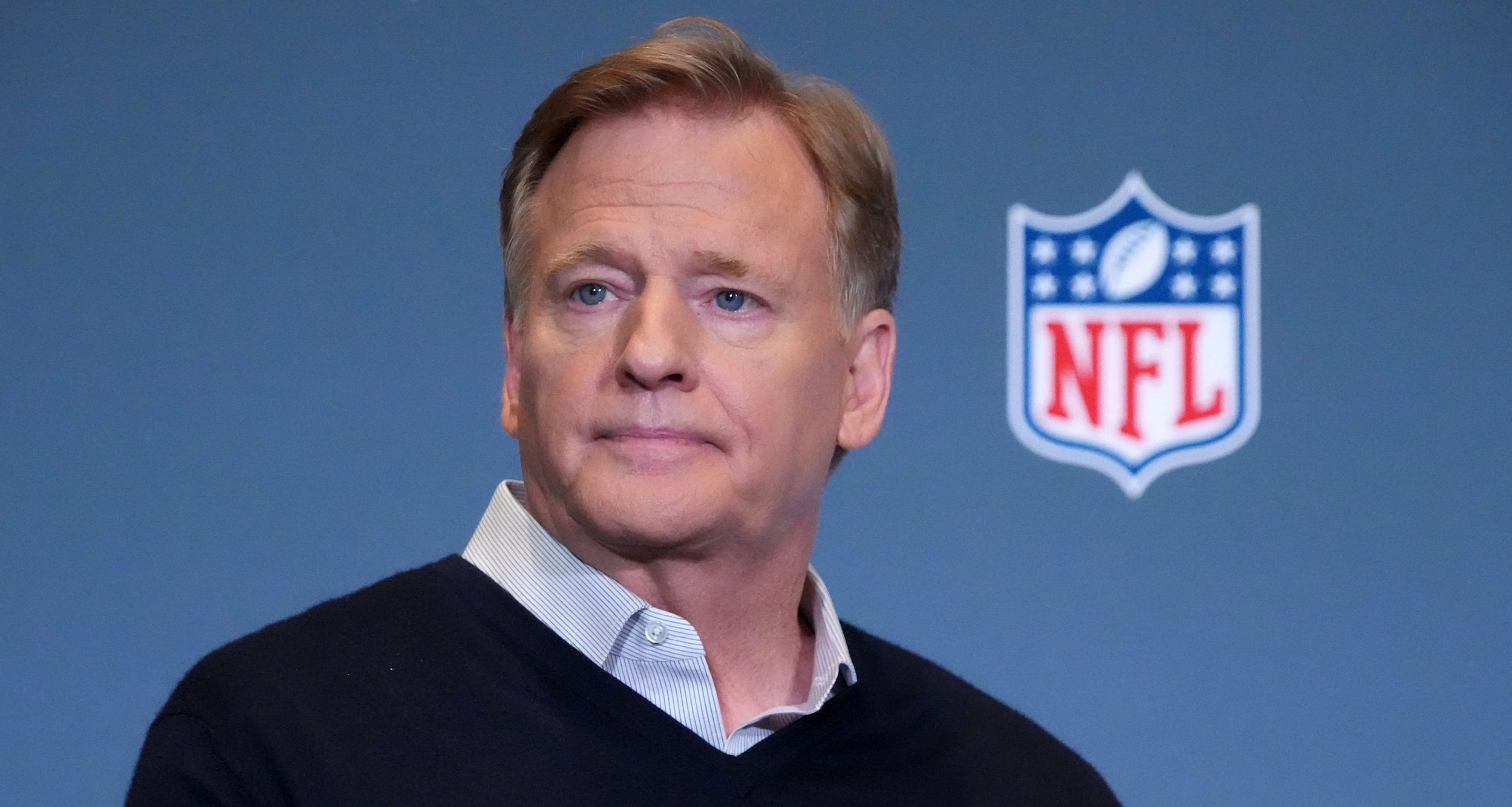
Photo · Awful Announcing
There's a version of this story where it's nothing — a letter, a hearing, a few hours of uncomfortable television, and then back to business. Congress has summoned powerful people before and produced very little. Roger Goodell knows this. His lawyers definitely know this.
But a writer at Awful Announcing is tracking something worth sitting with: federal attention toward the NFL's broadcast deals is not going away.
The Summons
Rep. Jim Jordan, chairman of the House Judiciary Committee, sent a letter to Goodell requesting his testimony at a June 10 hearing focused on the league's media rights practices. That's the fact. What surrounds it is the thing.
The NFL's TV deals have always operated in a kind of political gray zone — enormous, structurally dominant, and protected by the sort of quiet institutional inertia that keeps regulators looking elsewhere. The league controls its own media destiny in ways that no other major American sports property quite matches. That arrangement has not required much public defending, because for decades nobody with subpoena power was asking.
Now somebody is.
What the Hearing Actually Means
Goodell testifying before the House Judiciary Committee does not mean the NFL is in legal jeopardy tomorrow. It means the league's negotiating posture — the one that treats broadcast rights as a private matter between very large parties — is now a subject of public congressional record. That's a different kind of exposure.
The Awful Announcing piece frames this as federal attention that is not going away. That framing is the take, and it's the right one to interrogate. Because the NFL has survived scrutiny before. It has survived labor battles, player safety crises, franchise relocation fights, and several rounds of congressional theater. The institution is remarkably durable.
But media rights are different from those prior fights in one specific way: they touch the cable and streaming infrastructure that affects how tens of millions of Americans watch television. That's not a niche argument about competitive balance or player safety protocols. That's a consumer access argument, and consumer access arguments have a way of staying lit.
When a congressional committee starts asking how the most-watched programming in American television gets packaged, priced, and distributed, the NFL isn't just defending its business model. It's defending something that looks, to a lot of people, like a utility operating outside normal rules.
The league has long held a specific antitrust exemption related to broadcast rights — the source material doesn't detail its current scope, and I won't invent the contours — but the very existence of that conversation in a committee room changes the temperature. Political attention, once directed, doesn't always produce legislation. It almost always produces leverage.
And leverage is what this is really about. Not a fine, not a restructuring, not a forced negotiation. Just the unmistakable signal that the people who can make your life complicated have decided to start paying attention.
Goodell is good at this. He has spent years managing the NFL's public face through situations that would have broken other executives. He will show up June 10, he will be careful, and he will probably not say anything that materially changes the league's position.
But he'll be there. Under oath. In public. Answering questions about deals that were never meant to be answered for.
Sometimes the summons is the consequence.
Keep reading sports.

ESPN Named Him. Then Unnamed Him. Nobody's Explaining the Gap.
A retraction without a reckoning is just a deleted link.

Three People Died Celebrating. FIFA Hasn't Said Their Names.
Mexico City buried three people after the World Cup crowds came through. At some point, the sport has to sit with that.

Sell the Stadium, Lose the Room
NFL franchises are rolling out the welcome mat for World Cup tourists — and the desperation is showing.
From the other desks.

800 Horsepower, One Ton of Doubt
Lamborghini built the most powerful SUV it's ever made. It's also slower than what it replaced.

Gold Leaf on a Lacquer Dial, and the Weight of What That Costs
Awake's Frosted Leaf Royal Blue asks a question Vietnamese craft has never quite had to answer at this price.

Hide My Email Has Been Showing Your Email
Apple's privacy flagship has a hole in it. They've known for over a year.