Serena Williams Didn't Ask for a Singles Wildcard. Sit With That.
Two sisters, six Wimbledon doubles titles, and a return that says more in what it declined than in what it accepted.
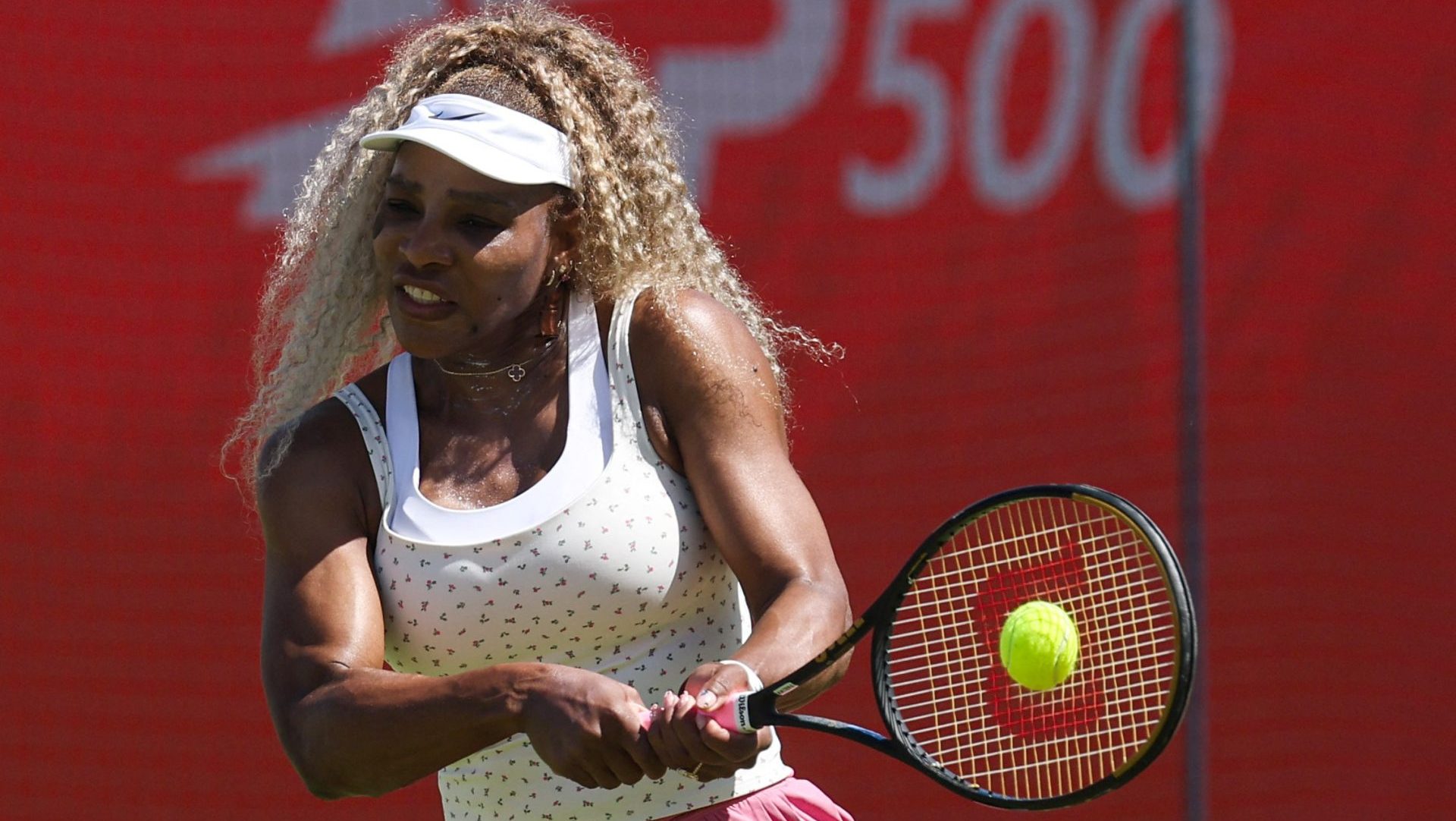
Photo · Front Office Sports
There's a detail buried in Tuesday's wildcard announcement that nobody should scroll past. Serena Williams — seven Wimbledon singles titles, four years into retirement, the most anticipated return in recent tennis memory — did not request a singles wildcard. The All England Club gave the sisters a doubles invitation, and Serena took it. That's the whole story, and it's more interesting than any match result.
The Guardian noted it plainly: Serena has remained coy about whether she plans to return for singles. Venus, a five-time singles champion herself, also received no singles wildcard. What the two of them got was each other, on the grass they've won together six times before.
So read it however you want. Some will call it caution. Some will call it wisdom. Some will call it the first chapter of something bigger. But none of those readings quite capture what's actually strange and quietly moving about it — which is that Serena Williams, at 44, apparently decided that her terms mattered more than the occasion.
What the Crowd Wants vs. What She Chose
Wimbledon wildcards are political instruments. They generate headlines, fill seats, give the All England Club a story to sell. According to The Guardian, this year's doubles wildcard announcement was among the most highly anticipated in recent memory, specifically because of Serena's return. The institution wanted her. The fans wanted her. The X timeline, per Men's Journal, lit up the moment the tournament's official account confirmed the news Tuesday morning.
And she showed up — on her own terms, in the format she chose, with her sister.
Venus has been competing since 1994, pausing only for health-related issues according to The Guardian. She never really stopped being a tennis player. Serena did stop, stepped away, and is now stepping back in through a side door she built herself. That's not a diminished return. That's a controlled one.
There's a version of this story where we mourn what we're not getting — the singles draw, the potential run, the bracket drama. But that version requires you to believe Serena owes you a particular shape of comeback. She doesn't.
The Partnership Is the Story
Six doubles titles at Wimbledon between them. A partnership that predates most of the current singles field's careers. When the two of them walk onto that grass together, they carry a specific kind of history — not the nostalgic, soft-focus kind, but the kind measured in championships.
Front Office Sports noted that Serena had already returned to doubles action earlier this month, so this isn't a cold start. There's been preparation. There's been intention. Whatever this is, it wasn't decided on a whim.
Nostalgia is the easy frame, and the coverage has leaned into it understandably. But nostalgia implies you're watching something that already happened, a replay dressed up as a live event. That's not what this is. Two athletes — one who never stopped competing, one who chose her moment carefully — are playing a tournament they've won before, in a format they've mastered, for reasons that belong entirely to them.
The spreadsheet crowd will note the ranking points, the draw difficulty, the competitive reality of doubles at this stage of either career. Let them. The more interesting question is what it means for an athlete to return not to prove something to critics or to chase one last headline, but simply because the thing still matters to her.
Serena Williams didn't ask for a singles wildcard. And somehow, that quiet decision is the loudest thing she's said in four years.
Keep reading sports.
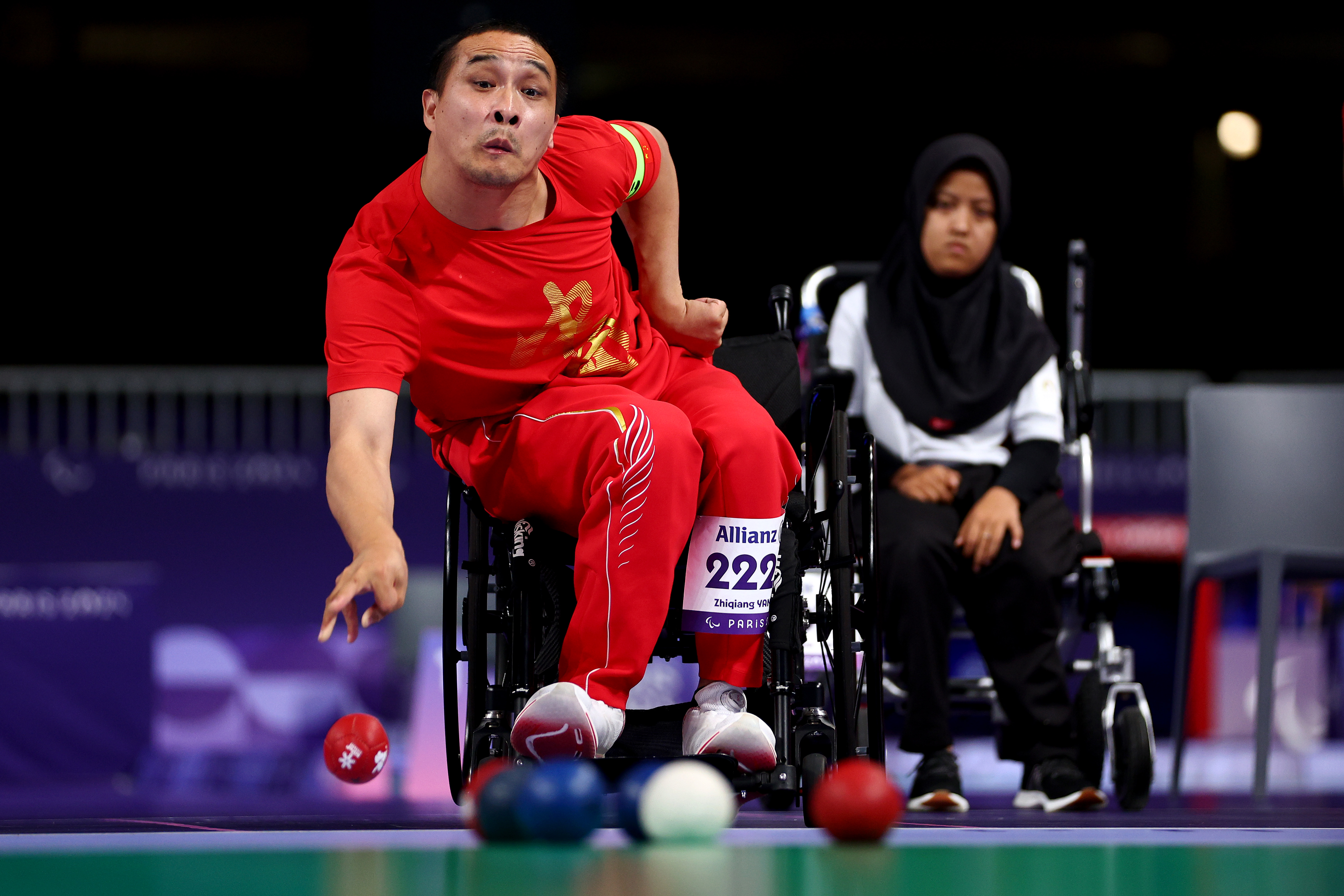
Counterfeit Boccia Balls and the Price of Belonging
When the gear costs more than the athlete can pay, the rules stop being about fairness.

Michigan State's Fourth AD in Three Years Isn't a Search. It's a Symptom.
When a school cycles through athletic directors faster than most programs cycle through coordinators, the job posting isn't the story.
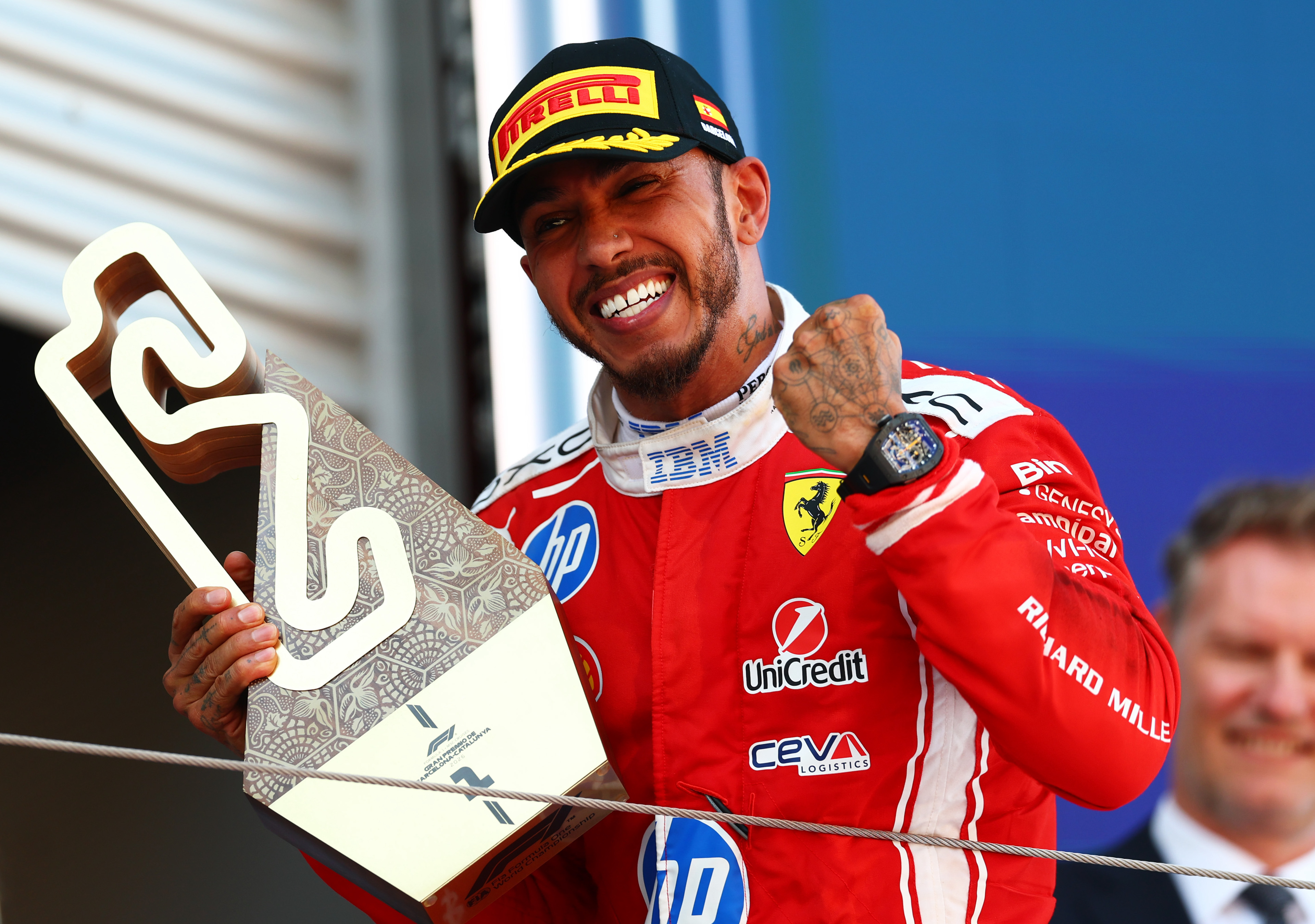
Red Car, Right Moment, Wrong Question
Everyone wanted to know if Lewis Hamilton could still win. Nobody asked what winning would mean.
From the other desks.
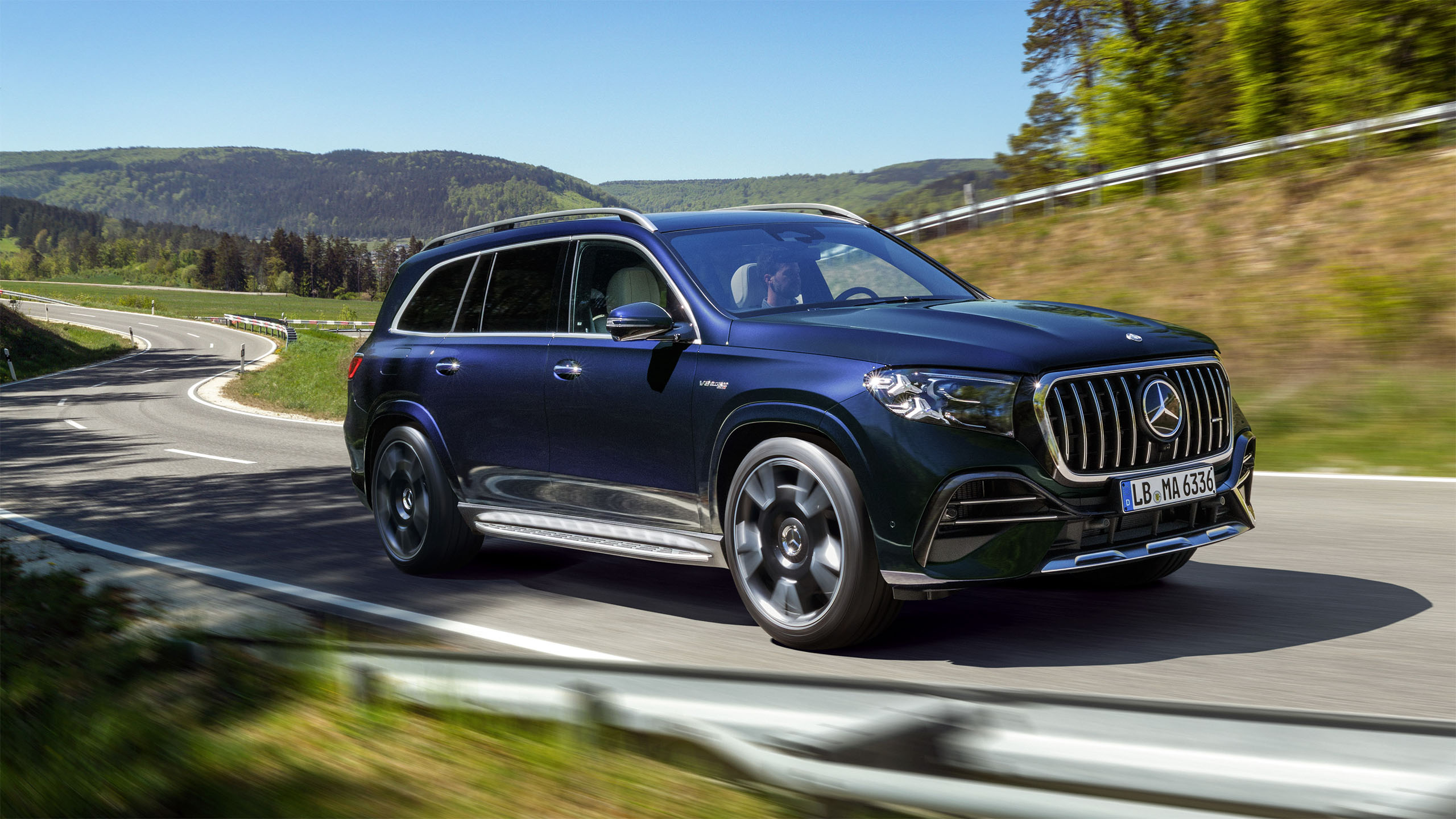
27 Cars, 36 Months, One Engine Worth Arguing About
Mercedes-AMG is flooding the market with V8s and a new six — not because the plan is subtle, but because subtlety lost.
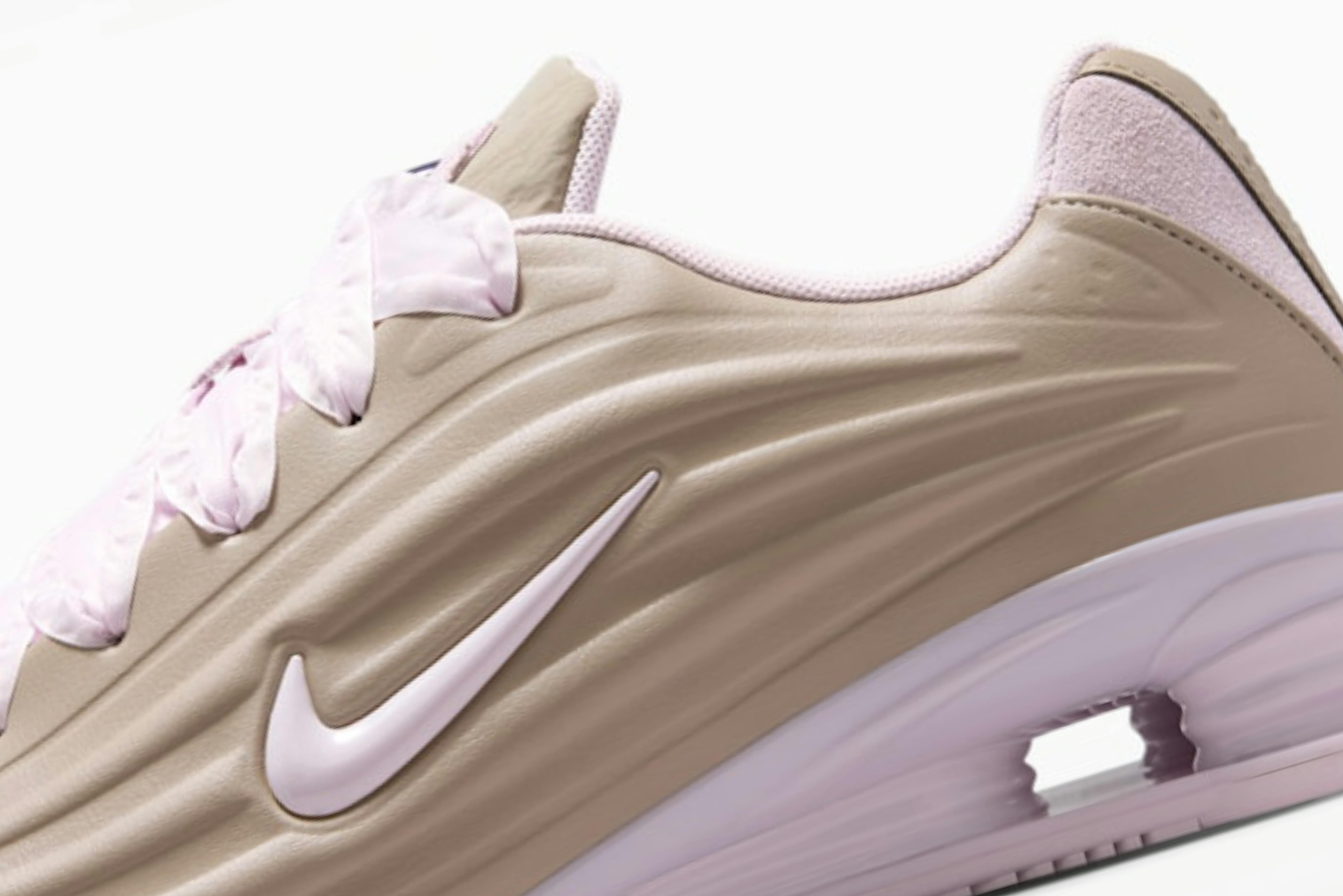
Ribbon Laces on a Shox: Nike Blinks First
When a sneaker built on aggression gets pastel tones and ballet details, something is being answered — the question is what.

A 50 Percent Price Hike Is Not a Value Proposition
Microsoft's Snapdragon X2 Surface refresh tells you everything about who's actually paying for the Copilot Plus dream.