The Barbarians Won
The UFC didn't get respectable. America got comfortable with what the UFC always was.
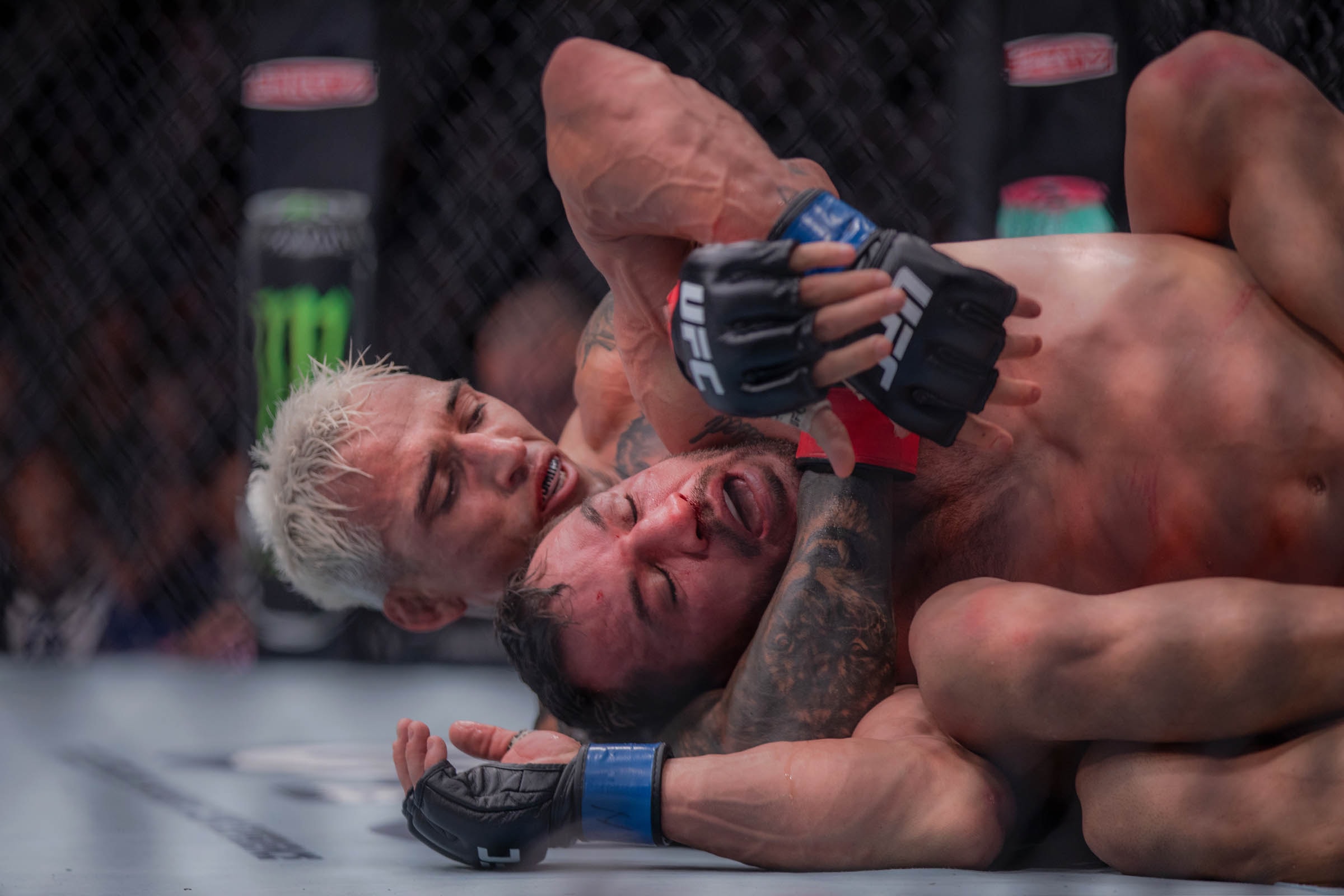
Photo · Sports – Rolling Stone
Rolling Stone just handed Dana White a 5,000-word coronation, and the most interesting thing about it isn't anything in the piece. It's that the piece exists at all.
Rolling Stone. The magazine that built its identity on rock and roll, counterculture, and the careful maintenance of what was and wasn't worth taking seriously. That magazine running a sweeping empire-of-one profile on the man who turned cage fighting into a geopolitical flex. That's not coverage. That's a concession speech.
The Sport That Won By Not Changing
Here's what the profile gets right without quite saying it: the UFC didn't earn legitimacy by softening. It didn't clean up its language, hire a brand consultant, or chase a demographic it didn't have. White ran the same company in 2024 that he ran in 2004 — loud, combative, allergic to apology — and the culture moved toward it.
That almost never happens. Sports leagues spend decades chasing mainstream acceptance, diluting what made them interesting in the first place. The UFC just waited. And then the President of the United States sat cageside, and suddenly everyone needed a take.
The Rolling Stone framing — culture conquest, American power, the new center of taste and masculinity — is correct in its diagnosis and slightly squeamish about what it's diagnosing. The UFC sits at the center of something real. The question the piece dances around is whether that's a triumph or a warning.
What This Has to Do With Everything Else
I keep coming back to this: the UFC's rise runs parallel to a broader cultural exhaustion with the carefully managed. Formula 1 got Netflix and gained ten million fans who'd never watched a race. Streetwear made peace with tailoring and vice versa. Watches that were once dismissed as "tool watches" became the most wanted pieces in the world. The thing that was too raw, too niche, too specific — it keeps winning.
There's a version of this that's just taste cycling. The underground becomes the mainstream, the mainstream becomes embarrassing, something else goes underground. Normal.
But the UFC version feels different in scale. A writer at Rolling Stone is essentially documenting the completion of a loop that started when John McCain called the sport "human cockfighting" in 1996. The senator tried to ban it. The sport absorbed the heat, professionalized just enough to survive, and kept the violence that made it matter. Now it's at the table where power sits.
What that says about the table is the more interesting story.
The profile gestures at the masculinity angle — the UFC as a mirror for a particular American self-image — without pressing hard enough on what that reflection actually shows. This is where the piece leaves something on the table. Because if you're going to write the empire story, you have to reckon with what the empire is built on, not just how efficiently it was built.
White's genius, and it is genius, is that he understood the product before anyone else did. Not as violence. As clarity. Two people, one outcome, no ambiguity. In a media landscape of takes and counter-takes and endless deferral, that's almost utopian.
The sport didn't conquer America by being brutal. It conquered America by being honest about what it was.
Everything else got there eventually.
Keep reading sports.

Atlanta Didn't Just Get a Player. It Got a Mirror.
The Angel Reese trade is being read as a basketball move. It isn't only that.

Livvy Dunne Is the NIL Era. That's the Problem.
Boardroom just handed her the blueprint crown. The real question is whether the blueprint holds when the sport is over.

Golf Has No Expiration Date, and Olazabal Just Proved It
A 60-year-old leading Augusta on Thursday is not a feel-good footnote. It's the whole argument.
From the other desks.
Musk Has Said This Before. Exactly This.
FSD v15 is going to far exceed human safety. Just like v12 did. Just like v14 did.

Fears Just Proved a Revival Can Have Range
Six watches in a single day — and for the first time in 180 years, one of them has a cockpit in its DNA.
Signal Was Never the Weak Link
A federal case just showed that the most private app in the world can't protect you from your own phone.