The Invitation Never Came, So They Stopped Waiting
Grant Horvat and the Bryan brothers just turned a $1 million purse into a declaration of independence.
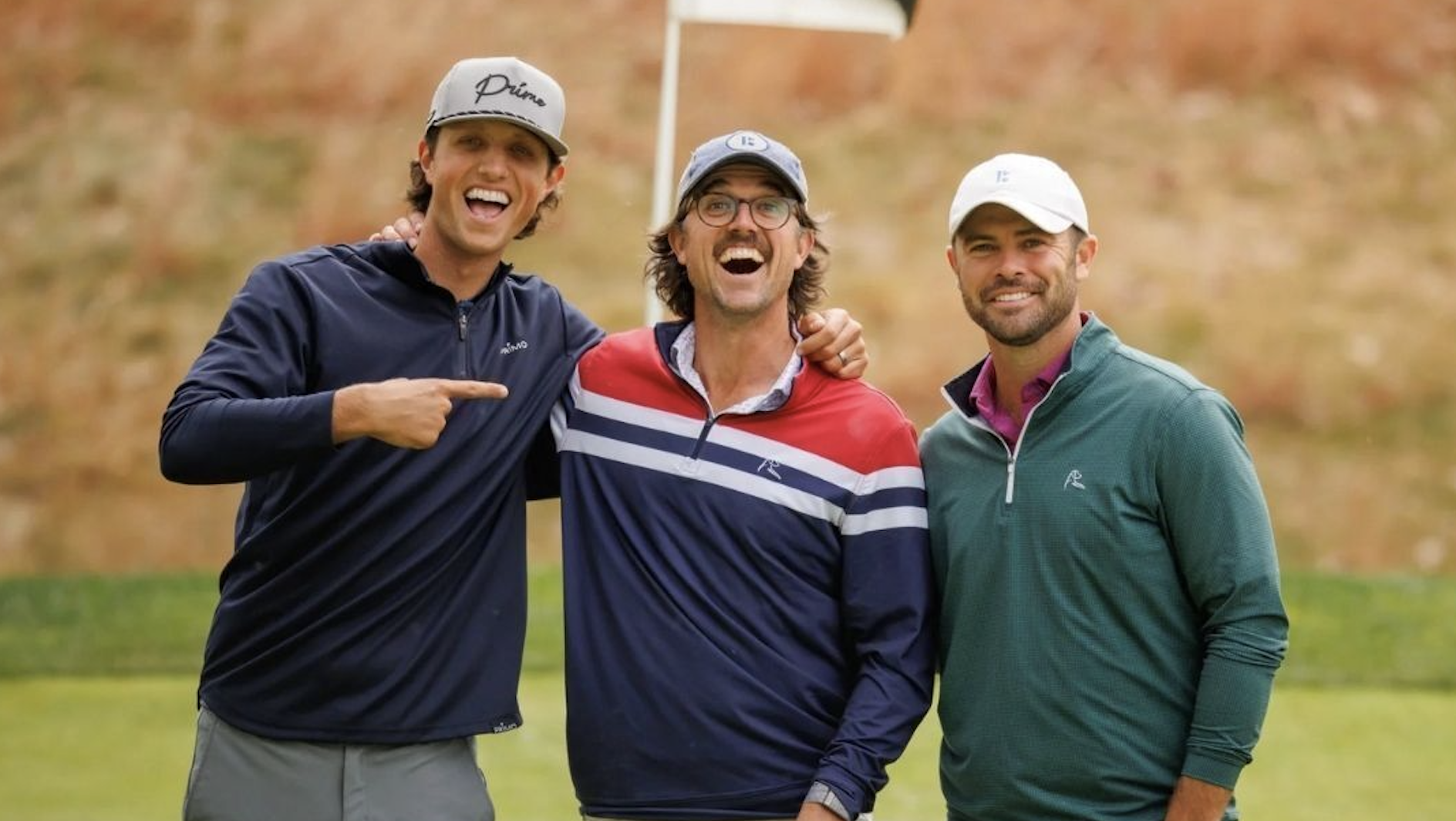
Photo · Boardroom
The most interesting power move in professional golf right now isn't happening at Augusta or in a Saudi boardroom. It's happening on YouTube.
Grant Horvat and the Bryan brothers aren't petitioning the PGA Tour for a feature slot or angling for a LIV exhibition. They're launching their own tour. A million dollars on the line. Their rules. Their audience.
Boardroom covered the announcement straight — here are the players, here's the number, here's what they're building. But the story worth sitting with isn't the logistics. It's the signal.
What $1 Million Actually Buys
In golf terms, a million-dollar purse is modest. A single PGA Tour event can pay out ten times that. But that's not the point, and framing it that way misses the whole thing.
The number isn't about competing with Scottie Scheffler's payday. It's about legitimacy on their own terms. It says: we have the sponsors, we have the infrastructure, and we have an audience large enough that we don't need anyone to hand us a platform.
That last part is the one that should make the Tour nervous.
YouTube golf built its following by doing what professional golf refused to — being human about the game. Accessible. Funny. Honest about the gap between ambition and ability. The creators didn't stumble into an audience. They cultivated one, methodically, over years, while the Tour was busy protecting broadcast windows and dress codes.
The Table They're Building
There's a version of this story where YouTube golf stays the undercard forever. Where the ceiling is cameos at pro-ams and brand partnerships just prestigious enough to feel legitimate but not threatening.
That version is over.
A writer at Boardroom frames this as YouTube golf's biggest statement yet, and they're right — but the statement isn't directed at fans. It's directed at the institutions. The PGA Tour spent years treating creator golf as a marketing adjacency, useful for reaching younger demographics, harmless as long as it stayed in its lane. LIV tried to buy relevance with spectacle. Neither one asked what happens when the creators stop needing either of them.
This is what happens.
Horvat and the Bryans aren't defecting from anything. They were never fully inside. That's exactly what makes the move clean. No contract to break. No relationship to sour. Just a gap in the market that their own audience will fill.
The audience, by the way, already exists. Already loyal. Already conditioned to watch these people play golf and feel something about it. That's not a small thing. The Tour has been trying to solve the engagement problem for a decade. These guys solved it by accident, and then on purpose.
What Gets Tested Now
The open question is whether a creator-run tour can hold structural weight — not just as content, but as competition. Sponsorship at scale. Production that doesn't feel like a vlog. Stakes that make people care about the outcome rather than the personality.
Those are real challenges. The history of creator-driven sports ventures is littered with events that popped on launch week and disappeared by season two.
But the conditions here are different. The audience isn't borrowed. The talent has years of relationship equity with that audience. And the business model isn't dependent on TV rights or legacy media infrastructure.
The PGA Tour built its walls high and called it exclusivity. What it actually built was a reason for everyone outside those walls to stop trying to climb them.
Grant Horvat and the Bryan brothers stopped climbing. They started digging.
Keep reading sports.

ESPN Named Him. Then Unnamed Him. Nobody's Explaining the Gap.
A retraction without a reckoning is just a deleted link.

Three People Died Celebrating. FIFA Hasn't Said Their Names.
Mexico City buried three people after the World Cup crowds came through. At some point, the sport has to sit with that.

Sell the Stadium, Lose the Room
NFL franchises are rolling out the welcome mat for World Cup tourists — and the desperation is showing.
From the other desks.

800 Horsepower, One Ton of Doubt
Lamborghini built the most powerful SUV it's ever made. It's also slower than what it replaced.

Gold Leaf on a Lacquer Dial, and the Weight of What That Costs
Awake's Frosted Leaf Royal Blue asks a question Vietnamese craft has never quite had to answer at this price.

Hide My Email Has Been Showing Your Email
Apple's privacy flagship has a hole in it. They've known for over a year.