Tom Dundon Brags About Picking Up Pennies. The Blazers Need Someone Who Throws Them.
A billionaire owner's frugality worked once in hockey. Portland is a different kind of test.
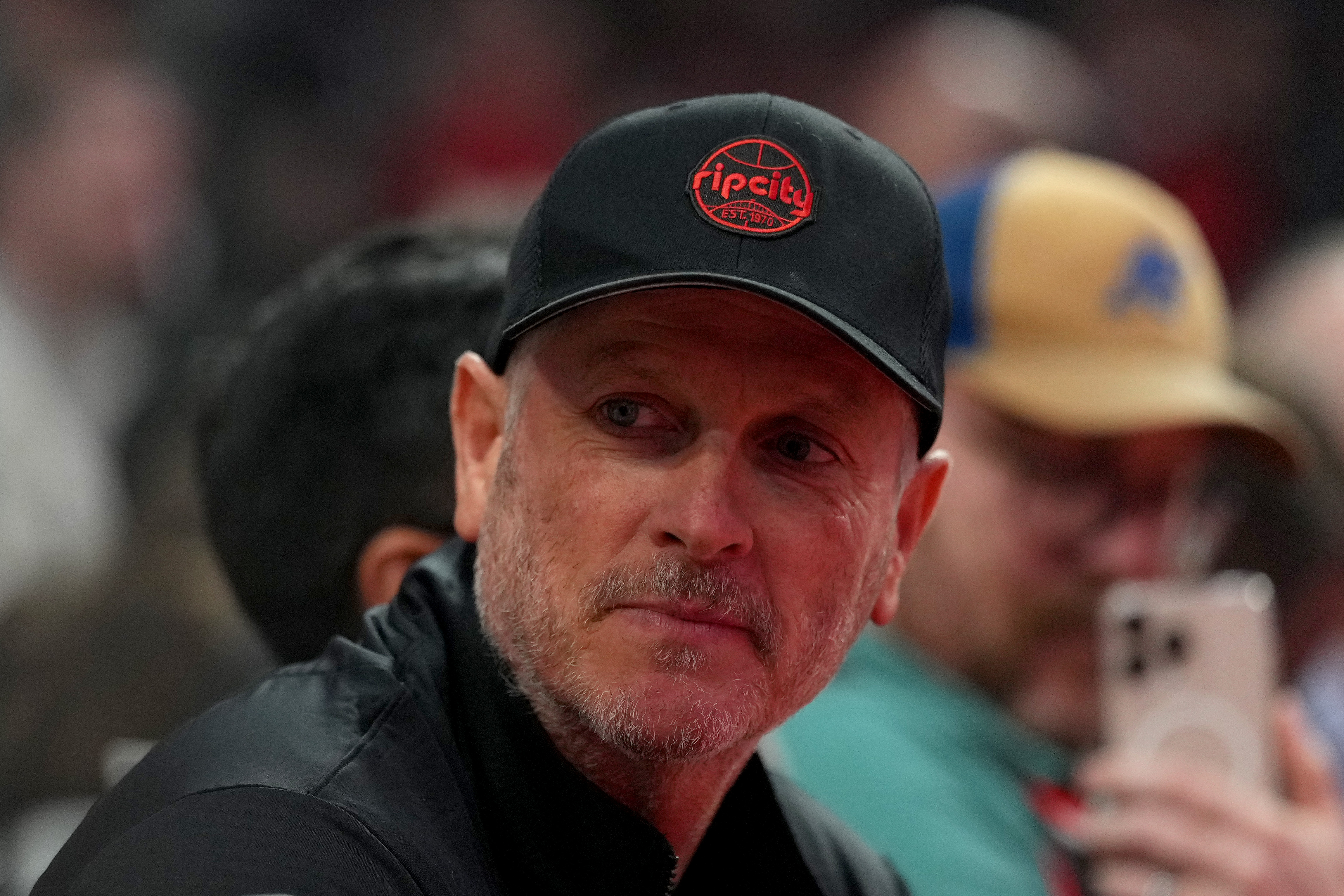
Photo · Defector
There's a specific kind of billionaire who wears the penny-pinching like a badge. Not embarrassed by it — proud. Tom Dundon, the new owner of the Portland Trail Blazers, is apparently that guy. A writer at Defector recently documented how Dundon openly brags about picking up pennies off the ground and turning off lights in empty rooms. He says none of this carries over to how he runs his sports teams. He says competitive ambition overrides the instinct to save a dollar wherever one can be saved.
He would say that, wouldn't he.
What the Hurricanes Actually Tell Us
The evidence from his time owning the Carolina Hurricanes complicates the self-portrait considerably. According to the Defector piece, when Dundon hired Rod Brind'Amour as head coach, the man was being paid less than many assistant coaches around the league. That's not a philosophical stance on roster construction — that's just being cheap with someone whose job is to put your team in a position to win games people pay to watch.
Brind'Amour, to his considerable credit, won anyway. Playoff runs accumulated. Extensions followed. Eventually, after years of success and enough leverage to demand better, he got raises that still left him somewhere in the lower half of coach salaries league-wide. Now, deep into his eighth straight postseason appearance, the Defector piece notes he's somewhere in the middle of the pack in terms of what NHL coaches earn.
The Hurricanes story gets told as a vindication of Dundon's approach. And in one narrow reading, it is: you can build a competitive team without overpaying the people running it, if you happen to find someone exceptional who will accept below-market compensation, stay loyal through the lean offers, and then deliver results that make everyone forget the original insult.
But that's not a philosophy. That's luck dressed up as discipline.
Portland Doesn't Have That Runway
The Blazers aren't in Raleigh. Portland is a market that has been waiting, in varying degrees of patience and frustration, for something to believe in. The franchise carries weight — history, identity, a fanbase that takes the team personally in the way only mid-market cities do. You can't quiet that room with a discount hire and a promise that frugality is actually a competitive strategy.
What made the Hurricanes story survivable was that Brind'Amour was the right person at the right time and he stuck around long enough for the math to work out. That's a one-of-a-kind set of circumstances, and Dundon seems to have taken from it a universal lesson that isn't there.
The tension isn't really about whether Dundon will spend money. It's about whether he understands that competitive ambition and structural frugality exist in genuine conflict — not occasional friction you can manage, but a real incompatibility that eventually forces a choice. Every organization that has tried to split the difference has, at some point, had to pick a side.
Dundon has picked his side. He just hasn't told Portland yet.
Keep reading sports.

ESPN Named Him. Then Unnamed Him. Nobody's Explaining the Gap.
A retraction without a reckoning is just a deleted link.

Three People Died Celebrating. FIFA Hasn't Said Their Names.
Mexico City buried three people after the World Cup crowds came through. At some point, the sport has to sit with that.

Sell the Stadium, Lose the Room
NFL franchises are rolling out the welcome mat for World Cup tourists — and the desperation is showing.
From the other desks.

800 Horsepower, One Ton of Doubt
Lamborghini built the most powerful SUV it's ever made. It's also slower than what it replaced.

Gold Leaf on a Lacquer Dial, and the Weight of What That Costs
Awake's Frosted Leaf Royal Blue asks a question Vietnamese craft has never quite had to answer at this price.

Hide My Email Has Been Showing Your Email
Apple's privacy flagship has a hole in it. They've known for over a year.