Elon Musk Sued the Future and Lost on a Technicality About the Past
A unanimous jury just told the most litigious man in tech that timing is everything.

Photo · The Verge
There's a certain irony in watching someone who helped build artificial intelligence get undone by something as thoroughly human as a deadline.
After three weeks in a federal courtroom in Oakland, nine jurors deliberated for around two hours before reaching a unanimous verdict in Musk v. Altman. The conclusion, reported across The Verge and TechCrunch, wasn't that Musk was wrong on the merits. It was that he waited too long. Two of his claims were barred by the statute of limitations. A third collapsed when those two fell. The whole structure came down not from a dramatic courtroom argument, but from a calendar.
To be clear: this is an advisory jury. US District Judge Yvonne Gonzalez Rogers holds the actual authority and will issue the final binding decision. But the signal from nine unanimous voices is hard to walk back.
The Cast Was Impressive. The Clock Was Not.
The trial itself had genuine spectacle. Jared Birchall, Musk's financial manager and Neuralink CEO, testified. So did OpenAI cofounder Greg Brockman. Shivon Zilis — a former OpenAI board member — took the stand. The court watched a videotaped deposition from former OpenAI CTO Mira Murati. In the trial's third week, Microsoft CEO Satya Nadella appeared, followed by Ilya Sutskever. Then Altman himself.
This was not a small fight. Musk's core accusation, as TechCrunch and The Verge both noted, was that OpenAI abandoned its founding mission of developing AI for the benefit of humanity and pivoted toward profit instead. That's a real argument. It's the kind of argument that would have been worth having in court — if the clock hadn't already run out on it.
Instead, the most expensive roster of tech witnesses assembled since the last antitrust saga ultimately testified in service of a case that was, procedurally speaking, already dead on arrival.
What This Actually Means
The coverage across all three sources treats this primarily as a legal outcome. But there's a larger pattern worth naming: this is what happens when grievance outlasts strategy.
Filing a lawsuit in 2024 over the founding mission of an organization — one Musk co-founded and later departed — means the timeline was always going to be a problem. Statute of limitations rules exist precisely to prevent exactly this: someone deciding, years after the fact, that history should be relitigated on their terms. Courts, unlike social media, are not persuaded by the volume of the complaint or the size of the plaintiff's following.
Musk's legal team presumably knew this going in. Which means this trial was always at least partly about something other than winning in court. Three weeks of federal proceedings. Satya Nadella on the stand. ChatGPT's future theoretically in the balance. That's not nothing, even if the jury just handed it back stamped too late.
The jury's verdict isn't binding. The judge may still surprise everyone. But nine people who sat through the whole thing, unanimously, decided the case shouldn't have been here at all.
Turns out you can't disrupt the statute of limitations.
Keep reading tech.

Hide My Email Has Been Showing Your Email
Apple's privacy flagship has a hole in it. They've known for over a year.

Sony Killed the Disc. Sony Is Also Killing the Store.
Two announcements, one company, and a quiet admission that "ownership" was always their word to define.
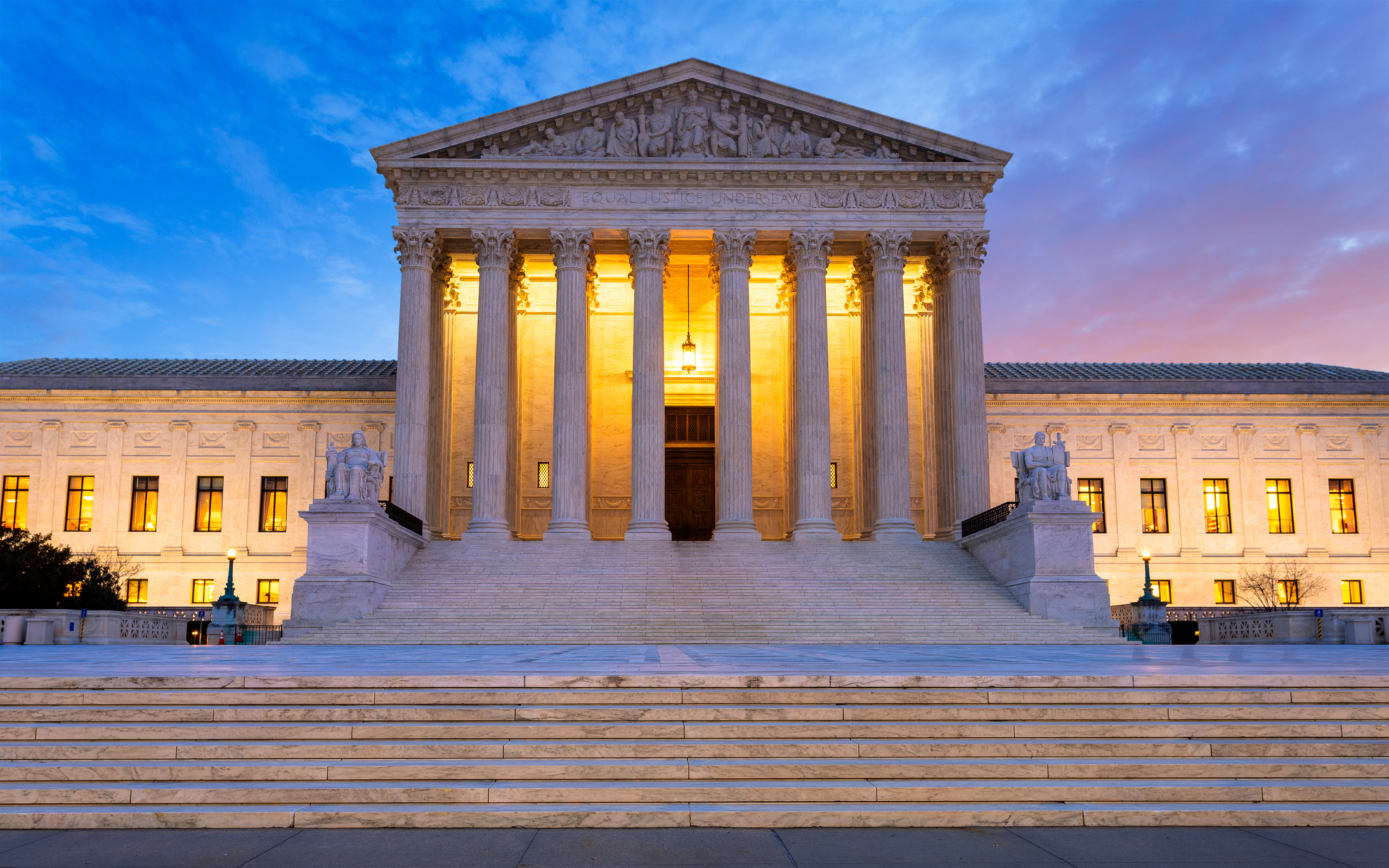
Apple Went to the Highest Court It Could Find. That Tells You Everything.
When a contempt ruling sends you to the Supreme Court, you're not defending a policy anymore — you're defending a worldview.
From the other desks.

800 Horsepower, One Ton of Doubt
Lamborghini built the most powerful SUV it's ever made. It's also slower than what it replaced.

Gold Leaf on a Lacquer Dial, and the Weight of What That Costs
Awake's Frosted Leaf Royal Blue asks a question Vietnamese craft has never quite had to answer at this price.

ESPN Named Him. Then Unnamed Him. Nobody's Explaining the Gap.
A retraction without a reckoning is just a deleted link.